
Note: This article is for general educational purposes only. It is not a diagnosis, prescription, or substitute for care from a qualified healthcare professional. If symptoms are severe, unusual, worsening, or connected to an existing medical condition, contact a healthcare provider.
What Does “Treat the Symptoms” Really Mean?
“Treat the symptoms” sounds simple, almost like something printed on a refrigerator magnet beside a grocery list and a suspiciously old coupon. But in real life, symptom treatment is one of the most useful skills a person can learn. It means relieving discomfort while your body deals with the cause, whether that cause is a common cold, seasonal allergies, a minor stomach bug, sore muscles, stress, dehydration, or a poor night of sleep that hit like a tiny emotional hurricane.
Symptoms are signals. A cough may be your airway trying to clear irritation. A fever may be part of the immune response. Pain may tell you something is inflamed, strained, or injured. Fatigue may be your body’s very unsubtle way of saying, “Please stop pretending you are a machine.” Treating symptoms does not mean ignoring the root cause. It means managing the body’s distress in a smart, safe, and practical way while you watch for signs that something more serious may be going on.
The best approach is balanced: ease what you can, avoid unnecessary medicines, stay alert for red flags, and seek medical help when symptoms do not follow the normal pattern. Think of symptom treatment as good housekeeping for your body. You are not rebuilding the whole house every time a light flickers, but you are also not ignoring smoke coming from the kitchen.
Why Symptoms Happen
Symptoms are not random annoyances sent by the universe because you forgot to drink water. They usually have a purpose. Fever can make the body less welcoming to certain germs. Sneezing and coughing help remove irritants. Vomiting and diarrhea can happen when the digestive system reacts to infection, food irritation, or inflammation. Pain can prevent you from using an injured area too aggressively.
That does not mean symptoms are pleasant or should always be endured with heroic movie-poster determination. The goal is not to suffer beautifully. The goal is to reduce discomfort, prevent complications, and support recovery. For example, someone with a mild viral cold may not need a prescription, but they may benefit from fluids, rest, saline spray, honey for cough if age-appropriate, and careful use of over-the-counter medicine. Someone with fever and vomiting, however, also needs to think seriously about hydration and warning signs.
The First Rule: Know When Home Care Is Enough
Many everyday symptoms can be managed at home, especially when they are mild, familiar, and improving. A runny nose, mild sore throat, occasional cough, minor headache, mild body aches, or low-grade fever often responds to simple care. Rest, fluids, light meals, warm showers, humidified air, and appropriate over-the-counter options can make a meaningful difference.
But home care has limits. Symptoms deserve more attention when they are intense, sudden, persistent, or paired with warning signs. Trouble breathing, chest pain or pressure, confusion, fainting, dehydration, blue or gray lips or nail beds, severe abdominal pain, a stiff neck, symptoms that improve and then suddenly worsen, or a fever that lasts several days should not be brushed off. The body is good at whispering, but sometimes it brings a marching band.
Common Symptoms and Smart Ways to Treat Them
Fever
A fever is a rise in body temperature, often linked to infection or inflammation. Mild fever can usually be managed with rest, fluids, lightweight clothing, and a comfortable room temperature. Acetaminophen or ibuprofen may help reduce fever and aches when used according to the label, but more is not better. More is just more risk wearing a fake mustache.
Adults should avoid stacking multiple medicines that contain acetaminophen, such as a pain reliever plus a multi-symptom cold product. That can lead to accidental overdose and serious liver injury. NSAIDs such as ibuprofen or naproxen can also have risks, especially for people with heart disease, kidney disease, stomach ulcers, blood pressure problems, or those taking blood thinners. When in doubt, ask a pharmacist or clinician.
Cough
A cough may come from a cold, flu, COVID-19, allergies, asthma, reflux, smoke, dry air, or another trigger. For a mild cough linked to a cold, supportive care often helps: fluids, warm tea, a humidifier, avoiding smoke, and throat-soothing options. Honey may calm cough in adults and children over age one, but it should never be given to babies younger than 12 months.
A cough needs medical attention if it comes with trouble breathing, chest pain, blood, high fever, wheezing, worsening symptoms, or if it lasts several weeks. A lingering cough after a respiratory infection can happen, but “lingering” should not become your new personality trait without evaluation.
Sore Throat
Most sore throats are caused by viruses, but some are caused by strep throat or other conditions that may need medical treatment. Warm liquids, saltwater gargles, lozenges, and pain relievers may help. A sore throat deserves medical attention when it is severe, lasts longer than expected, comes with difficulty swallowing or breathing, includes a rash, or is paired with fever and swollen lymph nodes.
Runny or Stuffy Nose
Nasal congestion is the body’s dramatic way of turning breathing into a group project. Saline spray, nasal rinsing with sterile or properly boiled and cooled water, warm steam, hydration, and humidified air can help. Decongestant sprays may provide short-term relief, but using them for too many days can cause rebound congestion. In plain English: your nose can become clingy.
If congestion is caused by allergies, antihistamines or nasal steroid sprays may help. If symptoms include facial pain, fever, or thick drainage that persists or worsens after several days, a clinician can help determine whether it is still viral irritation, allergies, sinus inflammation, or something else.
Headache
Headaches can come from stress, dehydration, lack of sleep, eye strain, infections, caffeine changes, hormonal shifts, or migraines. Basic symptom treatment includes water, rest, a quiet room, gentle stretching, regular meals, and appropriate pain relief. If headaches are frequent, keeping a headache diary can reveal triggers such as poor sleep, skipped meals, certain foods, weather changes, or screen overload.
Seek urgent care for a sudden “worst headache,” headache after head injury, headache with weakness or confusion, fever with stiff neck, vision changes, or a new headache pattern that feels unusual. Most headaches are not emergencies, but the dangerous ones deserve instant respect.
Body Aches and Minor Pain
Body aches often appear with viral illnesses, poor sleep, overexertion, stress, or muscle strain. Rest, fluids, stretching, warm baths, heat or cold therapy, and careful use of over-the-counter pain relievers can help. For injuries, swelling or sharp pain may respond better to cold early on, while stiffness may respond to warmth later.
Pain that is severe, worsening, linked to injury, associated with numbness or weakness, or located in the chest, abdomen, or one calf should be evaluated. Pain is information. Sometimes it is a sticky note. Sometimes it is a fire alarm.
Nausea, Vomiting, and Diarrhea
Digestive symptoms can drain the body quickly, especially in children, older adults, and people with chronic medical conditions. The most important symptom treatment is hydration. Small, frequent sips of water or an oral rehydration solution can help replace fluid and electrolytes. Bland foods may be easier once vomiting settles.
Watch for dehydration: dizziness, very dark urine, little or no urination, dry mouth, extreme thirst, confusion, fast heartbeat, or fainting. Bloody stool, severe abdominal pain, high fever, persistent vomiting, or signs of dehydration should be taken seriously.
Antibiotics: Helpful When Needed, Useless When Not
One of the biggest mistakes in symptom treatment is assuming that feeling miserable automatically means antibiotics are needed. Antibiotics treat certain bacterial infections. They do not treat viruses such as the common cold, flu, or most viral sore throats. Taking antibiotics when they are not needed will not speed recovery and may cause side effects such as diarrhea, rash, yeast infections, allergic reactions, and antibiotic resistance.
This does not mean antibiotics are bad. They can be lifesaving when used correctly. The trick is using the right medicine for the right reason. If symptoms suggest a bacterial infection, such as strep throat, certain urinary tract infections, bacterial pneumonia, or specific skin infections, a healthcare professional can evaluate and prescribe treatment when appropriate.
Flu, COVID-19, and Timing
Some infections have treatments that work best when started early. Flu antivirals and COVID-19 antivirals may reduce the risk of severe illness in people who qualify, especially those at higher risk due to age, pregnancy, immune suppression, or chronic conditions. The key word is early. Waiting a week to ask about treatment can close the window when certain medicines are most useful.
If you have respiratory symptoms and are at higher risk, testing and contacting a healthcare provider promptly can matter. Treating symptoms at home is helpful, but it should not delay care when prescription treatment may prevent complications.
Over-the-Counter Medicine: Read the Label Like It Owes You Money
Over-the-counter medicine can be useful, but labels matter. Multi-symptom cold and flu products often combine several active ingredients. That can be convenient, but it can also lead to accidental double dosing. For example, someone may take acetaminophen for fever and then take a nighttime cold medicine that also contains acetaminophen. The result is not “extra healing.” It is a potential overdose.
Before using any medicine, check the active ingredients, dose, timing, age limits, warnings, and interactions. People who are pregnant, older adults, people with liver or kidney disease, heart conditions, high blood pressure, glaucoma, enlarged prostate, stomach ulcers, or those taking prescription medicines should be especially careful. Pharmacists are excellent resources and generally less judgmental than your medicine cabinet, which has seen everything.
Natural Remedies: Useful, Risky, or Just Expensive Tea?
Some non-drug approaches can help symptoms. Warm fluids may soothe the throat. Saline rinses may ease nasal symptoms. Gentle movement may reduce stiffness. Relaxation techniques may lower stress-related tension. Sleep is one of the most underrated recovery tools ever invented, and it is free unless you count the emotional cost of turning off your phone.
However, “natural” does not automatically mean safe. Herbal supplements can interact with prescription drugs, affect surgery risk, or cause side effects. Essential oils can irritate skin or airways if used incorrectly. Mega-dose vitamins can create problems instead of solving them. If you use supplements or complementary therapies, tell your healthcare provider, especially if you take prescription medicine or have a chronic condition.
The Symptom Tracking Method
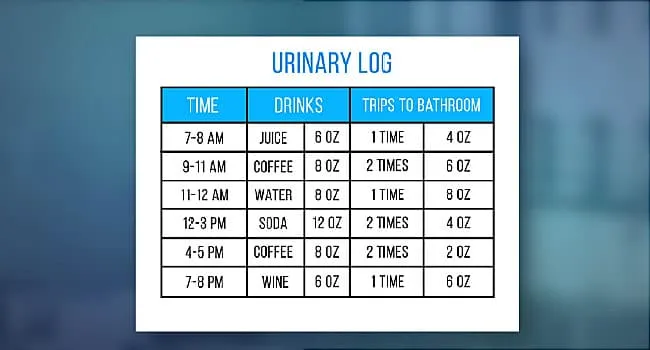
One of the simplest ways to treat symptoms wisely is to track them. Write down when the symptom started, what makes it better or worse, your temperature if fever is present, medicines taken, fluid intake, sleep, and any new symptoms. This gives you a clearer picture and helps a clinician if you need care.
For example, “I feel awful” is emotionally valid but medically vague. “Fever started Monday night, peaked at 102°F, cough worsened Wednesday, shortness of breath began today, and ibuprofen helped only briefly” is much more useful. Good notes can turn a confusing illness story into a map.
When Treating Symptoms Is Not Enough
Symptom relief is not the same as solving the underlying issue. If heartburn keeps returning, the answer is not endless antacids without evaluation. If headaches happen every morning, pain relievers may hide a sleep, blood pressure, medication, or neurological issue. If fatigue lasts for weeks, more coffee may only create a very alert tired person.
Recurring symptoms deserve investigation. Patterns matter. Symptoms that interfere with work, sleep, eating, breathing, walking, mood, or daily life should be discussed with a healthcare provider. The goal is not just to silence symptoms but to understand why they keep knocking.
Practical Examples of Treating Symptoms
Example 1: The Common Cold
You wake up with a scratchy throat, stuffy nose, mild cough, and low energy. Smart symptom care may include fluids, rest, saline spray, warm tea, honey for cough if appropriate, and acetaminophen or ibuprofen if needed. Antibiotics are not helpful for a typical viral cold. If symptoms last more than 10 days without improvement, worsen after improving, or include trouble breathing or dehydration, it is time to seek care.
Example 2: Mild Food-Related Stomach Upset
You ate something questionable. Perhaps the leftovers had a mysterious glow. Now you have nausea and diarrhea. Focus on fluids, small sips, bland foods when tolerated, and rest. Watch for dehydration, blood, severe pain, or persistent vomiting. The goal is to replace losses and avoid making the digestive system work overtime.
Example 3: Muscle Soreness After Exercise
You decided to “ease back into fitness” and accidentally negotiated with a staircase the next day. Mild soreness can improve with hydration, gentle movement, stretching, heat, and rest. Sharp pain, swelling, weakness, or inability to use the area normally may suggest injury rather than ordinary soreness.
Experience-Based Section: What Treating the Symptoms Looks Like in Real Life
In everyday life, treating symptoms is less like following a perfect medical flowchart and more like being a calm detective in pajamas. You gather clues, make sensible choices, and try not to panic-search every symptom at 2:00 a.m. The best experiences usually begin with one question: “What is my body asking for right now?” Sometimes the answer is water. Sometimes it is sleep. Sometimes it is a doctor. Occasionally, it is all three and a bowl of soup.
One common experience is the classic winter cold. At first, people often want to defeat it with sheer productivity. They keep working, ignore the sore throat, and treat tissues like office decor. Then the congestion arrives with a dramatic entrance, and suddenly breathing through both nostrils feels like a luxury vacation. In this situation, symptom care is not glamorous, but it works: warm drinks, saline spray, rest, and reducing physical demands. The experience teaches an important lesson: recovery often speeds up when you stop arguing with your immune system.
Another relatable situation is the tension headache after a long day of screens, deadlines, and shoulders creeping up toward the ears. Many people reach immediately for pain medicine, which may help, but the fuller solution may include hydration, stretching, dimming the screen, eating a real meal, and stepping away from stress for a few minutes. Treating the symptom well means asking why it arrived. Was it dehydration? Eye strain? Poor posture? Caffeine withdrawal? A meeting that should have been an email? The last one is not officially a diagnosis, but emotionally, it checks out.
Digestive symptoms also teach practical wisdom fast. When nausea or diarrhea hits, the temptation may be to either eat nothing all day or return too quickly to heavy foods. A steadier approach usually feels better: small sips of fluid, oral rehydration when needed, bland foods, and patience. The experience reminds us that the stomach is not a trash compactor with feelings. It needs time, especially after irritation or illness.
Parents and caregivers often become experts at symptom observation. They learn that behavior can matter as much as numbers. A child with a mild fever who is drinking, responsive, and playing a little may be very different from a child with a lower fever who is unusually sleepy, struggling to breathe, or refusing fluids. Treating symptoms in a family setting means watching the whole picture: temperature, energy, breathing, hydration, pain, and whether symptoms are improving or worsening.
People managing chronic conditions have another layer of experience. A cough may be minor for one person but more concerning for someone with asthma, COPD, heart disease, or a weakened immune system. A mild stomach illness may be riskier for someone who takes certain medications or has kidney disease. In these cases, treating symptoms safely often means calling earlier, checking medication instructions, and not assuming that “everyone has this bug” makes it harmless.
The biggest lesson from real-life symptom treatment is humility. Bodies are wonderfully intelligent, but they are not always clear communicators. A symptom can be simple, complicated, temporary, or meaningful. Good symptom care combines common sense with caution. You do what is reasonable at home, avoid risky shortcuts, and get help when the story changes. That is not overreacting. That is being the responsible adult in the room, even if the room contains three blankets, a thermometer, and a mug of tea you forgot to drink while it was hot.
Conclusion: Relief With Common Sense
To treat the symptoms well, start with the basics: rest, fluids, nutrition, comfort measures, and careful medicine use. Match the treatment to the symptom, read labels, avoid unnecessary antibiotics, and respect warning signs. Most minor symptoms improve with time and supportive care, but symptoms that are severe, persistent, worsening, or unusual deserve professional attention.
Symptom treatment is not about pretending nothing is wrong. It is about helping the body recover while staying alert enough to know when help is needed. In other words, treat the symptoms, but listen to the story they are telling. Your body may not always speak politely, but it usually has a point.












