
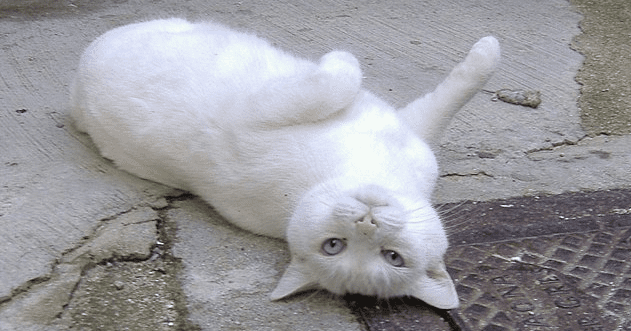
Animals are constantly communicating, investigating, defending themselves, and responding to their surroundings. Humans are constantly misreading the memo.
A wagging tail becomes happiness. A purring cat becomes contentment. A circling shark becomes the opening scene of a disaster movie. These interpretations sound reasonable because we filter animal behavior through human emotions, familiar stories, and occasionally a soundtrack composed entirely of ominous cellos.
Real animal communication is more complicated. A single movement can have several meanings depending on posture, environment, social context, and what happened moments earlier. Understanding these misunderstood animal behaviors can improve pet care, make wildlife encounters safer, and remind us that nature rarely fits into a one-line caption.
Why Humans Frequently Misread Animal Behavior
People naturally practice anthropomorphism, which means assigning human motives or emotions to nonhuman animals. This is not always useless. Mammals and birds can experience fear, excitement, social attachment, and other emotional states that overlap with ours. The problem begins when we assume that one visible action has one universal meaning.
Animal behavior works more like a sentence than a single word. To interpret it accurately, observers must consider the entire body, the immediate environment, the animal’s species, and changes from its normal routine. With that in mind, let us translate ten behaviors that routinely confuse people.
1. A Wagging Dog Tail Does Not Always Mean Happiness
A wagging tail means that a dog is emotionally aroused and prepared to interact. That arousal may involve friendliness, excitement, uncertainty, fear, frustration, or defensive aggression. In other words, the tail is active, but it has not automatically signed a friendship agreement.
Read the Entire Dog, Not Just the Tail
A relaxed dog may move its tail in broad, loose sweeps while displaying soft eyes, an open mouth, and flexible body movements. A nervous dog may hold the tail low, wag rapidly in short strokes, lick its lips, or lean away. A stiff, elevated tail combined with a rigid posture and fixed stare deserves caution, even when it is moving.
Breed anatomy also matters. A curled pug tail, naturally low greyhound tail, and fluffy husky tail cannot be interpreted according to one imaginary instruction manual. Compare the posture with that individual dog’s normal tail position.
2. A Purring Cat Is Not Necessarily Comfortable
Cats often purr while resting, nursing, receiving affection, or kneading a favorite blanket. That familiar motorboat sound is strongly associated with contentment, but cats may also purr when frightened, stressed, injured, or experiencing pain.
Context Separates Comfort From Concern
A cat curled loosely beside you with half-closed eyes is probably enjoying the moment. Purring accompanied by hiding, reduced appetite, reluctance to jump, unusual aggression, low energy, or a hunched posture deserves closer attention. Cats are famously skilled at concealing illness, possibly because filling out veterinary paperwork has never appealed to them.
An unexplained change in purring should therefore be evaluated alongside the cat’s movement, eating habits, grooming, litter-box use, and overall behavior. Persistent abnormalities should be discussed with a veterinarian.
3. A Rabbit Thump Is More Than a Dramatic Complaint
A rabbit striking the ground with its powerful hind feet can look like a tiny neighbor filing a noise complaint. In many cases, however, thumping is an alarm behavior. Wild rabbits use vibrations and sound to warn nearby rabbits about possible danger.
Fear, Suspicion, and Announcements
Domestic rabbits may thump after hearing an unfamiliar noise, smelling another animal, seeing sudden movement, or noticing a suspiciously relocated chair. Some also thump when irritated or seeking attention. The behavior does not always signal immediate danger, but it does mean that something has captured the rabbit’s concern.
Owners should check for stressors without rushing toward or grabbing the rabbit. A calm voice, predictable movements, hiding spaces, and time to investigate can help the animal settle.
4. Guinea Pig “Popcorning” Is Usually a Celebration
A guinea pig may suddenly leap, twist, kick, and sprint around its enclosure as though it has received confidential information about a vegetable sale. This behavior is called popcorning because the animal appears to pop into the air.
Those Jumps Are Not Usually Seizures
Popcorning is generally associated with excitement, play, energy, or anticipation. Young guinea pigs display it frequently, although healthy adults may also bounce when receiving fresh bedding, additional space, favorite foods, or social stimulation.
The movements are typically brief, coordinated, and followed by normal behavior. Repeated falling, loss of balance, stiffness, unresponsiveness, or uncontrolled movements are different and require veterinary attention. Healthy popcorning is one of the few household events in which an airborne potato-shaped mammal is excellent news.
5. A Snake Flicking Its Tongue Is Gathering Information
People often interpret a snake’s rapidly moving tongue as a threat. In reality, tongue flicking is primarily a sensory behavior. The snake collects microscopic chemical particles from the air and surrounding surfaces, then transfers them to a specialized sensory structure commonly called the Jacobson’s organ.
The Tongue Works Like a Chemical Sampling Device
This system helps snakes investigate prey, predators, potential mates, familiar territory, and unfamiliar objects. Frequent tongue flicking may simply mean that the snake is actively analyzing its environment.
That does not mean every nearby snake is safe to approach. Defensive signals may include coiling, hissing, rattling, flattening the body, pulling the head into a striking position, or attempting to retreat. Tongue movement alone is not an invitation to pet the wildlife. It is merely evidence that the snake is collecting data, and you may currently be part of the spreadsheet.
6. An Opossum “Playing Dead” Is Not Performing on Command
The Virginia opossum is famous for collapsing when threatened. Its body may become limp or stiff, its mouth may open, and foul-smelling secretions can make the animal resemble a carcass that has already received terrible restaurant reviews.
Thanatosis Can Be an Involuntary Response
This defensive condition is known as thanatosis or tonic immobility. In opossums, it can be triggered by overwhelming fear and is not necessarily a conscious decision. The response may discourage predators that prefer live prey or that lose interest when an animal appears dead and unpalatable.
A motionless opossum should be observed from a safe distance unless it is clearly injured or in immediate danger. It may recover and leave once the perceived threat disappears. Touching or attempting to “wake” it can increase stress and expose both parties to injury.
7. Small Birds Mobbing a Hawk Are Not Confused
The sight of chickadees, crows, blackbirds, or other relatively small birds chasing a hawk or owl can seem wildly reckless. The birds are not failing to notice the size difference. They are participating in a coordinated defense called mobbing.
Noise and Numbers Can Neutralize Surprise
Birds may surround, scold, chase, or dive toward a predator to drive it away from nests, young, feeding areas, or communal spaces. Their alarm calls can recruit additional birds and alert less experienced individuals to the predator’s identity and location.
Mobbing also tells the predator that it has been detected. An ambush hunter loses an important advantage when the entire neighborhood begins screaming its address. The behavior carries risk, but cooperation can make a larger predator uncomfortable enough to leave.
8. A Circling Shark Is Not Automatically Preparing to Attack
Popular entertainment has trained audiences to interpret any curved shark movement as a countdown to disaster. Sharks may circle because they are investigating an unfamiliar object, following scent or water movement, maintaining visual contact, or evaluating whether something is relevant.
Curiosity Is Not the Same as Harmlessness
Some sharks are naturally inquisitive and may approach divers, boats, floating objects, or potential food sources. Circling does not prove that an attack is imminent, but persistent close approaches should never be dismissed. Certain species may use exploratory contact or test bites while investigating.
People in the water should remain calm, maintain awareness of the shark’s position, avoid frantic splashing, and follow guidance from trained dive professionals or local authorities. The correct lesson is not “circling sharks are harmless.” It is “one movement cannot reveal an animal’s complete intention.”
9. Crow “Funerals” May Function as Danger Investigations
When crows gather noisily around a dead crow, people often describe the scene as a funeral. Crows are intelligent, social animals, and it is reasonable to wonder whether emotional responses are involved. Research, however, suggests that these gatherings also serve a practical survival function.
A Dead Crow Can Become an Important Lesson
Crows may inspect the body, call to others, observe nearby humans or predators, and remember features associated with the dangerous location. The gathering allows living birds to collect information about what may have killed another member of their species.
Calling the behavior a funeral can therefore oversimplify it. Scientists cannot ask the crows to complete a grief questionnaire, but they can measure alarm calls, avoidance, memory, and changes in future behavior. The evidence indicates that dead crows become powerful warning signals.
10. Elephants Investigating Their Dead Are Doing More Than Being Curious
Elephants have been observed approaching dead elephants, smelling remains, touching bones, vocalizing, and attempting to lift recently fallen individuals. They may return after considerable time has passed, even when the remains belong to an elephant outside their closest social group.
Complex Behavior Requires Careful Language
These observations are frequently described as mourning, and they may reflect grief-like emotional processes. Nevertheless, researchers distinguish between documented behavior and assumptions about an animal’s private experience. We can confidently report that elephants show unusual, sustained interest in dead members of their species. Precisely what each elephant understands or feels remains more difficult to establish.
This careful wording does not make the behavior less remarkable. It protects the science from becoming either cold dismissal or sentimental storytelling. Elephants deserve better than both extremes.
Experience-Based Lessons for Observing Animal Behavior
The easiest way to misunderstand an animal is to arrive with a conclusion already prepared. A visitor sees a dog wagging and reaches toward its face. A cat owner hears purring and assumes everything is fine. A hiker sees a snake’s tongue and decides the animal is “angry.” In each situation, the observer notices one signal while ignoring the larger scene.
Experience One: The Friendly-Looking Dog
Imagine meeting a dog outside a busy café. Its tail is moving, but the motion is fast and narrow. The dog’s mouth is closed, its weight is shifted backward, and its ears are pulled slightly away from the approaching stranger. Someone focusing only on the tail might reach down. A more experienced observer pauses, turns slightly sideways, avoids leaning over the dog, and lets the owner manage the interaction.
The lesson is simple: emotional arousal is not identical to consent. This principle is useful with nearly every animal, including pets that usually enjoy human attention.
Experience Two: The Purring Cat at the Clinic
Now picture a cat purring loudly inside a veterinary carrier. The sound resembles the cat’s relaxed evening purr, but the surrounding evidence is different. Its pupils are enlarged, its body is compressed against the back of the carrier, and it refuses food. The purr may be part of a stress response rather than an announcement that the waiting room is delightful.
Experienced caregivers record changes instead of relying on one familiar signal. They notice when the purring began, whether the cat ate normally, how it moved, and whether other behaviors changed. That collection of details gives a veterinarian far more useful information than “the cat was still purring.”
Experience Three: The Backyard Alarm System
A homeowner hears several songbirds making harsh calls around one tree. At first, the commotion sounds like random avian drama. Looking carefully from a respectful distance reveals a resting owl surrounded by smaller birds. The observer has discovered mobbing behavior rather than a bird argument about property lines.
This experience changes future walks. Alarm calls become clues. Repeated scolding may reveal a hawk, owl, snake, cat, or other threat that would otherwise remain hidden. Listening becomes as important as looking.
Experience Four: The Motionless Opossum
A dog corners an opossum near a fence, and the opossum collapses. The safest response is to remove the dog, reduce noise, and give the wild animal space. Standing over it, poking it, or attempting a dramatic rescue can prolong the defensive state. Once the area becomes quiet, an uninjured opossum may eventually recover and leave.
The broader lesson is that human intervention is not automatically helpful. Sometimes the most responsible action is controlling pets, maintaining distance, and contacting a licensed wildlife rehabilitator only when injury or entrapment is evident.
Experience Five: Replacing Labels With Questions
Skilled observers avoid labels such as mean, guilty, stubborn, sneaky, or crazy. Instead, they ask practical questions: What happened immediately before the behavior? Is the animal trying to increase distance? Is food present? Are young animals nearby? Has the environment changed? Is this behavior normal for this individual?
These questions transform animal watching from guesswork into investigation. They also encourage patience. An animal does not owe us a performance that matches our expectations. Our job is to observe the complete behavioral pattern, respect boundaries, and remain willing to revise the first interpretation.
Conclusion: Animal Behavior Needs Context, Not Captions
The most misunderstood animal behaviors usually become confusing for the same reason: humans isolate one action and attach a convenient meaning to it. Tails, purrs, thumps, jumps, tongue flicks, alarm calls, circles, and social gatherings are pieces of communicationnot complete translations.
Better interpretation begins with context. Look at the whole body. Notice the environment. Compare the behavior with the animal’s normal routine. Allow room for uncertainty, especially when discussing complex emotions in wild species.
Animals are not tiny humans wearing fur, feathers, scales, or an unreasonable number of legs. Their behavior evolved to solve their own problems. The more carefully we observe it, the less mysterious it becomesand the more impressive it looks.












