
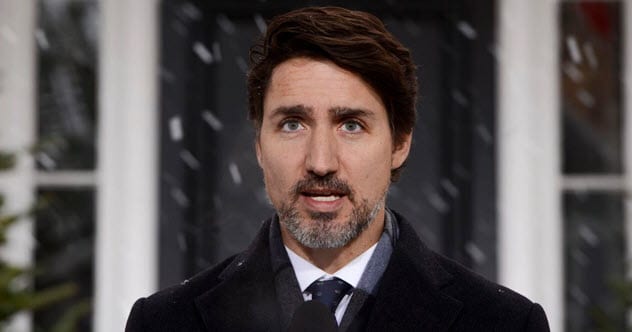
During the COVID-19 lockdown era, ordinary people were told to stay home, skip birthdays, cancel weddings, postpone funerals, avoid travel, mask up, and wave at relatives through windows like they were living in a Victorian ghost story. Most people complied, often at real emotional, financial, and personal cost. Then came the awkward part: some of the very leaders promoting pandemic rules were caught bending, bruising, or body-slamming those same rules.
The phrase leaders who broke lockdown rules became a political lightning rod because these scandals were not only about one dinner, one trip, one selfie, or one haircut-adjacent controversy. They were about trust. Public health rules depend on credibility. When leaders say, “We are all in this together,” people expect them to be in the same boat, not on the yacht with canapés.
This article looks at 10 high-profile leaders and senior officials who faced public anger after violating, or appearing to violate, COVID lockdown restrictions and pandemic guidance. Some apologized. Some resigned. Some were fined. Some tried the classic political maneuver known as “explaining until the explanation becomes worse than the original mistake.” Let’s begin.
Why Lockdown Rule-Breaking by Leaders Mattered
COVID lockdowns were among the most disruptive publics were among the most disruptive public policies in modern history. Governments restricted movement, closed businesses, limited gatherings, and asked citizens to make sacrifices for the public good. The rules were controversial, exhausting, and sometimes confusing. That made leadership behavior especially important.
When a private citizen broke the rules, it was often treated as irresponsible. When a public official broke them, it became something larger: hypocrisy. The damage was not only legal or political. It was psychological. People who missed funerals, gave birth alone, closed shops, or watched grandparents through glass understandably felt betrayed when officials seemed to enjoy exceptions unavailable to everyone else.
Here are the most memorable cases where public leadership and private behavior collided.
Top 10 Leaders Who Broke Their Own Lockdown Rules
1. Boris Johnson: The Partygate Prime Minister
Former British Prime Minister Boris Johnson became the global face of lockdown hypocrisy through the scandal known as Partygate. While the United Kingdom lived under strict COVID restrictions, gatherings took place in and around Downing Street and Whitehall. The controversy included events described as leaving drinks, birthday gatherings, and office parties during periods when ordinary people were being told not to socialize indoors.
Johnson received a fixed penalty notice from police over a birthday gathering held for him in June 2020. That made him the first sitting British prime minister found to have broken the law while in office. The political damage was enormous. The scandal fed public anger, parliamentary investigations, and eventually contributed to the collapse of his authority.
The key lesson from Johnson’s case is simple: when a government says social contact is dangerous, “just a work event with cake” is not a magical loophole. Cake is delicious, but it is not a constitutional exemption.
2. Rishi Sunak: The Chancellor Caught in the Same Storm
Rishi Sunak, then the UK Chancellor of the Exchequer, was also fined in connection with the same Downing Street birthday event for Boris Johnson. Sunak later became prime minister, but the fine remained part of his political history during the pandemic period.
Sunak’s case stood out because he was one of the most senior figures in government at the time. He was also publicly associated with pandemic economic policies, including support programs designed to help businesses and workers survive lockdown. For critics, the issue was not merely whether he attended briefly or intentionally broke the rules. It was that senior officials appeared to be moving through a different version of lockdown than the public.
In politics, symbolism matters. A short attendance at a rule-breaking event can still become a long-lasting problem, especially when citizens remember what they were forbidden to do on the same dates.
3. Matt Hancock: The Health Secretary Who Resigned After Breaking Guidance
Matt Hancock was the UK Health Secretary during much of the pandemic. His job was to communicate health rules, defend restrictions, and urge the public to reduce contact. Then photographs emerged showing him kissing and embracing an aide inside his office while COVID guidance still restricted close contact between people from different households.
Hancock admitted he had breached guidance and resigned in June 2021. The scandal was damaging not only because of the personal relationship involved, but because Hancock had been one of the loudest voices telling others to follow the rules. When the health secretary breaks social distancing guidance, the irony does not whisper; it arrives with a marching band.
His resignation showed that pandemic credibility could collapse quickly when private conduct contradicted public messaging. People can forgive human mistakes, but they are much less forgiving when the mistake comes from the person holding the rulebook.
4. Gavin Newsom: The French Laundry Dinner
California Governor Gavin Newsom faced fierce criticism after attending a birthday dinner at the French Laundry, an elite Napa Valley restaurant, in November 2020. At the time, Californians were being urged to limit gatherings and avoid mixing households. Newsom later apologized, calling his decision a mistake.
The French Laundry story became politically explosive because of the setting. This was not a quick sandwich eaten sadly in a parked car. It was a high-end restaurant dinner while many Californians were watching small businesses struggle, holiday plans vanish, and family gatherings shrink to video calls.
Newsom’s critics argued that the dinner symbolized a double standard: strict rules for citizens, softer expectations for those in power. Supporters saw it as a lapse in judgment rather than a defining act. Either way, the image stuck. In politics, a single dinner can become a full-course scandal.
5. Erna Solberg: Norway’s Birthday Gathering Fine
Norwegian Prime Minister Erna Solberg was fined by police in 2021 after a family gathering celebrating her birthday exceeded COVID social distancing rules. Solberg apologized and accepted responsibility, saying she should have known better.
This case was especially striking because Norway had generally been viewed as a country with high institutional trust and relatively disciplined pandemic communication. The fine sent a clear message: even the prime minister was not above the rules.
Unlike some leaders who tried to argue every detail, Solberg’s response was relatively direct. Still, the public disappointment was real. Birthday celebrations were among the most painful sacrifices during lockdown. Millions skipped milestone events. When a prime minister’s birthday becomes an exception, citizens naturally ask why their own birthdays had to be celebrated with a lonely cupcake and a frozen Zoom screen.
6. Sebastián Piñera: The Maskless Beach Selfie
Former Chilean President Sebastián Piñera was fined after posing for a maskless selfie with a woman on a beach in December 2020. Chile had strict mask rules at the time, and the photo spread quickly online. Piñera apologized and reported the incident to authorities.
At first glance, a selfie might sound minor compared with parties or travel scandals. But public health rules often depend on small, visible behaviors. Masks became one of the most recognizable symbols of pandemic responsibility. A president photographed without one, standing close to someone outside his household, created exactly the sort of image public health officials were trying to discourage.
The Piñera case proves an uncomfortable truth of modern leadership: the camera is always awake. A single photo can turn a brief lapse into an international headline. During a pandemic, even a beach selfie can come with a political receipt.
7. Catherine Calderwood: Scotland’s Chief Medical Officer and the Second Home Trips
Dr. Catherine Calderwood, Scotland’s former Chief Medical Officer, resigned after it emerged that she had visited her second home during lockdown. This was particularly damaging because she had been publicly advising Scots to stay home to slow the spread of the virus.
Calderwood’s case was one of the clearest examples of a public health messenger undermining her own message. She had appeared in official communications urging people to remain at home, yet she traveled to another property when non-essential travel was restricted.
Her resignation reflected the seriousness of the trust problem. Public health advice depends on moral authority as much as medical expertise. Once the public sees a gap between the advice and the adviser’s behavior, the message becomes harder to hear. In other words, “Stay home” works better when the person saying it is not packing for the weekend.
8. Phil Hogan: The EU Trade Commissioner and “Golfgate”
Phil Hogan, then the European Union’s Trade Commissioner, resigned after attending an Irish parliamentary golf society dinner in August 2020. The event, later known as “Golfgate,” drew outrage because it was held while Ireland had restrictions on gatherings.
The controversy involved more than Hogan alone, but his senior position made him the most internationally visible figure in the scandal. At a time when people across Ireland were limiting weddings, funerals, and social events, the idea of political elites attending a large dinner after golf landed badly.
Hogan initially resisted calls to resign but eventually stepped down. The episode became a reminder that political judgment is not only about whether a person technically understood every rule. It is also about whether they understood the public mood. During lockdown, the public mood was not exactly “Please enjoy a big official dinner while the rest of us disinfect grocery bags.”
9. David Clark: New Zealand’s Health Minister and the Beach Trip
David Clark, New Zealand’s former Health Minister, was demoted after breaching lockdown guidance and later resigned. During the country’s strict lockdown, he drove his family to a beach away from home and was also criticized for going mountain biking. Clark apologized and famously called himself an “idiot.”
New Zealand’s early pandemic response was widely praised, which made Clark’s behavior even more glaring. The country was asking citizens to take lockdown extremely seriously. The health minister, of all people, was expected to model that discipline.
The case became memorable partly because Clark did not hide behind polished language. His “idiot” remark was blunt, human, and probably more effective than a 900-word statement about “contextualizing recreational movement.” Still, the political consequences remained. When the health minister breaks health restrictions, even a good apology may not be enough to keep the job.
10. Stella Ndabeni-Abrahams: South Africa’s Lockdown Lunch
South African Communications Minister Stella Ndabeni-Abrahams was placed on special leave after a photo showed her having lunch at the home of a former official during South Africa’s strict lockdown. President Cyril Ramaphosa publicly reprimanded her, and she apologized for breaching lockdown rules.
The scandal became known as a “lockdown lunch,” which sounds charming until you remember that many South Africans were facing severe movement restrictions, economic hardship, and police enforcement of lockdown measures. The contrast between public sacrifice and ministerial privilege was politically explosive.
Ndabeni-Abrahams’ case shows how even a meal can become a national issue when the country is under emergency rules. During normal times, lunch is lunch. During lockdown, lunch could become a test of democratic accountability, public anger, and whether someone remembered that phones have cameras.
Common Patterns Behind Lockdown Hypocrisy
Rules Were Often Clearer for Citizens Than for Insiders
Many leaders caught in lockdown scandals defended themselves by pointing to technicalities: work events, brief attendance, private settings, family obligations, unclear guidance, or misunderstandings. Sometimes these explanations had legal relevance. Politically, however, they often sounded hollow.
The public was not usually reading emergency regulations like constitutional lawyers. People understood the broader message: stay home, avoid gatherings, reduce contact, protect others. When leaders violated the spirit of that message, technical defenses rarely helped.
Apologies Worked Better Than Excuses
The leaders who responded most effectively tended to apologize directly. Erna Solberg accepted the fine. David Clark called his own conduct foolish. Gavin Newsom admitted a mistake. These responses did not erase the controversy, but they reduced the sense that leaders were insulting the public’s intelligence.
By contrast, long explanations often made scandals worse. During a crisis, people want accountability, not a PowerPoint presentation titled “Why My Dinner Was Actually a Public Service.”
The Public Remembered Its Own Sacrifices
The emotional force behind these scandals came from ordinary sacrifice. People missed funerals. Couples postponed weddings. Small businesses closed. Children lost school experiences. Elderly relatives endured isolation. Against that backdrop, rule-breaking by officials felt personal.
That is why lockdown scandals lasted. They attached themselves to memory. Citizens did not simply think, “A leader broke a rule.” They thought, “I followed that rule when it hurt.”
Experiences and Lessons From the Lockdown Rule-Breaking Era
The biggest experience many people took from the lockdown era was not simply fear of a virus. It was the strange feeling of living under rules that changed everyday life overnight. Suddenly, ordinary decisions became moral calculations. Should I visit my parents? Can I attend a funeral? Is it selfish to see a friend? Is this cough allergies, doom, or both? People were forced to think about community responsibility in tiny daily choices.
That is what made stories about leaders breaking their own lockdown rules so powerful. The public was not angry only because someone had a dinner or took a trip. People were angry because they had denied themselves the same human comforts. A missed birthday is not a small thing when it is a child’s birthday, a 90th birthday, or the last birthday someone would have with a loved one. A canceled funeral is not a scheduling inconvenience. It is grief without ritual.
One lesson is that leadership during a crisis requires visible discipline. Leaders cannot ask for sacrifice and then behave as if sacrifice is only for people without official titles. The higher the office, the higher the obligation to avoid even the appearance of special treatment. A governor, prime minister, health secretary, mayor, or medical adviser does not get the luxury of saying, “I was only there for a little while.” Public trust does not measure hypocrisy with a stopwatch.
Another experience from this period was how quickly public anger traveled. A single photo could move from a phone to social media to national news in hours. The pandemic created a highly emotional information environment. People were isolated, anxious, online, and ready to compare official messages with official behavior. Leaders who forgot that cameras existed were not just unlucky; they were politically careless.
These scandals also revealed the importance of plain language. Many officials damaged themselves by sounding overly legalistic. The public did not need complicated explanations about whether a rule was technically guidance, regulation, recommendation, or ministerial interpretive fog. People wanted to hear: “I was wrong. I am sorry. I accept the consequence.” In a crisis, clarity is not decoration. It is oxygen.
There is also a lesson for citizens. Anger at hypocrisy is justified, but it should not automatically become rejection of all public health measures. A leader breaking a rule does not prove the rule was useless. It proves the leader failed to meet the standard they promoted. That distinction matters. Otherwise, one official’s bad dinner can become fuel for dangerous cynicism.
Finally, the lockdown rule-breaking era showed that trust is easier to spend than to earn. Governments spent public trust every time they asked people to accept restrictions. When leaders broke the rules, they spent even more. Rebuilding that trust required honesty, accountability, and humility. Some leaders understood that quickly. Others seemed to believe the public would forget. The public, as history keeps demonstrating, has a memory like an elephant with Wi-Fi.
Conclusion: The Real Cost of Lockdown Hypocrisy
The top leaders who broke lockdown rules became memorable because their actions touched a raw nerve. During the pandemic, rules were not abstract. They shaped family life, work, grief, worship, education, and basic human connection. When leaders failed to follow the standards they promoted, the issue became larger than one meal, one party, one trip, or one selfie.
The real cost was trust. Public trust is the invisible infrastructure of crisis management. Hospitals need equipment, scientists need data, and governments need credibility. Once credibility cracks, even good advice can sound suspicious.
These stories are not just political gossip from the COVID era. They are case studies in leadership, accountability, and the danger of double standards. The next crisis will bring new rules, new sacrifices, and new temptations for powerful people to treat themselves as exceptions. The public will remember the lesson: leaders do not have to be perfect, but they do have to live under the same rules they ask everyone else to follow.
Note: This article is based on widely reported public events involving pandemic restrictions, official responses, resignations, fines, and apologies. It is written for informational and editorial purposes.












