
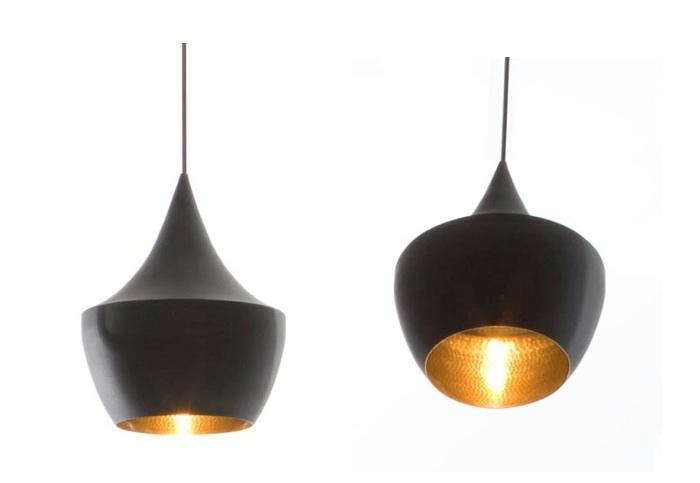
Some pendant lights politely illuminate a room. Tom Dixon Beat Pendants walk in wearing a black jacket, a golden lining, and the quiet confidence of someone who absolutely knows where the dimmer switch is. These sculptural lights have become modern design favorites because they do more than hang from the ceiling. They shape the mood, warm up the architecture, and make even a regular Tuesday-night dinner feel like it deserves cloth napkins.
The Beat collection is one of the most recognizable lighting families from British designer Tom Dixon. Inspired by traditional Indian water vessels and brass cooking pots, the pendants are known for their hand-formed metal shades, hammered surfaces, and glowing interiors. They sit at the intersection of industrial design, artisan craft, and interior dramawithout becoming so dramatic that your kitchen starts demanding its own agent.
For homeowners, designers, architects, and hospitality spaces, Tom Dixon Beat Pendants offer something rare: a light fixture that feels handcrafted and polished, bold and flexible, contemporary and timeless. Whether used as a single pendant above a reading corner or clustered over a kitchen island, these lights bring a warm, sculptural presence that is difficult to fake.
What Are Tom Dixon Beat Pendants?
Tom Dixon Beat Pendants are designer pendant lights made from metal shades that are spun, welded, and beaten into distinctive silhouettes. The most famous finishes feature a dark matte exterior paired with a warm brass or golden interior, creating a beautiful contrast between shadow and glow. The result is a pendant that looks restrained from the outside but becomes richly luminous when switched on.
The Beat family includes several shapes, often known by straightforward names such as Tall, Fat, Wide, Stout, Flat, and other related silhouettes depending on the collection and market. These names sound delightfully practical, as if the design team briefly considered poetic titles and then decided, “No, let’s just call the tall one Tall.” Honestly, respect.
What makes the collection special is not only the form but the production process. The shades are associated with traditional metalworking techniques used by skilled artisans in Northern India. Hammer marks are not flaws; they are the signature. Each surface carries evidence of making, which gives every pendant a slightly individual character. In a world full of perfectly smooth factory sameness, that human touch matters.
Why the Beat Collection Became a Modern Lighting Classic
Great lighting has to do two jobs at once: it must look beautiful when off and perform beautifully when on. Tom Dixon Beat Pendants manage both. During the day, they read as sculptural objects. At night, they become warm light vessels, casting a focused downward glow while the metallic interior adds depth and atmosphere.
1. The Shape Is Simple but Not Boring
The Beat silhouettes are clean, but they are not flat or generic. Their curves feel drawn from everyday objectsbowls, pots, vessels, and containersbut refined into something architectural. This is why they work in so many interiors. In a minimalist white kitchen, they add soul. In a moody dining room, they add polish. In a hotel bar, they say, “Yes, the cocktails probably cost too much, but look at that lighting.”
2. The Craft Gives It Character
Hand-beaten metal brings texture that machine-perfect lighting often lacks. The uneven surface catches light in tiny variations, which keeps the shade from feeling static. Instead of being merely decorative, the texture affects how the pendant reflects and diffuses light. It is subtle, but once you notice it, a plain smooth pendant can start to look a little underdressed.
3. The Interior Glow Is the Magic Trick
The golden interior is one of the biggest reasons people fall for Beat Pendants. It warms the light, softens the visual impact, and creates that coveted evening glow designers are always chasing. The exterior may be matte black, white, gray, or brass, but the inside is where the pendant earns its reputation. It is less “ceiling fixture” and more “tiny sunset with excellent tailoring.”
Popular Tom Dixon Beat Pendant Shapes
The Beat collection is especially strong because the shapes can stand alone or work together. Mixing them is part of the fun, and it gives designers a way to build rhythm without using identical fixtures everywhere.
Beat Tall
Beat Tall is slim, elongated, and elegant. It works beautifully in pairs or trios over kitchen islands, long counters, and bedside tables. Because of its vertical shape, it draws the eye downward and adds height without feeling bulky.
Beat Fat
Beat Fat has a rounded, fuller profile. It feels friendly but still refined, making it a strong choice for smaller dining areas, breakfast nooks, or spaces that need a sculptural accent without going full chandelier.
Beat Wide
Beat Wide has a flatter, broader shade that spreads light over a larger area. This makes it useful above dining tables, counters, desks, and work surfaces. It is the practical sibling, but in a very fashionable coat.
Beat Stout
Beat Stout is bigger and bolder. It has more visual weight, so it can anchor a dining room, entryway, or commercial interior. If Beat Tall is a jazz note, Beat Stout is the bass line.
Beat Flat
Beat Flat pushes the idea into a wider, lower profile. It is ideal when you want the Beat texture and warm metallic glow but need a broader horizontal statement. It can look especially sharp over a round table or in a room with clean architectural lines.
Materials, Finishes, and Light Quality
The heart of the Beat Pendant is its metal shade. Many versions use brass or painted metal with a contrasting interior. Common finishes include matte black with brass inside, polished or brushed brass, glossy white with a golden interior, and gray versions with a cooler interior treatment. Exact finishes and specifications vary by model and retailer, so it is always wise to check the current product sheet before buying.
Current LED versions are typically designed for warm, atmospheric light rather than cold task lighting. Many Beat LED Pendants use a warm color temperature around 3000K, which is flattering for dining rooms, living rooms, bedrooms, and hospitality spaces. The light output is often focused downward, so the pendant is best used where you want a pool of light rather than a whole-room flood.
Dimmability is one of the most important features to consider. A Beat Pendant at full brightness can provide useful illumination, but dimmed slightly, it becomes a mood-maker. Pairing the fixture with the correct compatible dimmer is essential. Nobody buys a designer pendant hoping it will flicker like a haunted convenience store.
Where Tom Dixon Beat Pendants Work Best
Kitchen Islands
Beat Pendants are a popular choice for kitchen islands because they bring contrast and warmth to stone, tile, wood, and cabinetry. A row of Beat Tall pendants can look crisp and architectural, while a mixed cluster of Tall, Fat, and Wide creates a more collected, designer look. For modern kitchens with white counters or flat-panel cabinets, the black-and-brass combination adds instant depth.
Dining Rooms
Above a dining table, Beat Wide or Beat Stout can become the visual centerpiece. The warm metallic interior flatters food, faces, and the table setting. This matters more than people think. Bad dining room lighting can make a beautiful meal look like it was plated under office fluorescents, which is a tragedy no one ordered.
Entryways and Stairwells
A single large Beat Pendant or a staggered cluster can create a memorable first impression in an entryway. The sculptural forms are especially effective in spaces with high ceilings, where a standard flush mount would disappear like a shy guest at a loud party.
Bedrooms
Smaller Beat Pendants can replace bedside table lamps when hung on either side of a bed. This frees up nightstand space and gives the room a boutique hotel feel. The trick is to hang them low enough to be useful but not so low that they become an accidental morning headbutt.
Restaurants, Bars, and Hotels
The Beat collection has long been admired in hospitality design because it photographs well, creates intimate light, and looks premium without being overly decorative. In restaurants and bars, clustered Beat Pendants can define seating zones and make open spaces feel more personal.
How to Size and Hang Beat Pendants
Choosing the right size depends on ceiling height, surface area, room scale, and how much visual drama you want. Over kitchen islands, designers often hang pendants roughly 30 to 36 inches above the counter, adjusting for sightlines and ceiling height. Over dining tables, a similar range above the tabletop usually works well, though larger fixtures may need careful placement so they do not block conversation.
Spacing matters. Three small pendants can look balanced over a long island, while two larger pendants may feel calmer and more luxurious. For a round dining table, one strong pendant often works better than a row. For vaulted ceilings or stairwells, staggered heights can add movement and sculptural interest.
Before installation, check the cord length, canopy size, electrical compatibility, dimmer requirements, and whether the fixture is suitable for your ceiling type. If the ceiling is sloped, confirm that the model and mounting hardware can handle it. And unless you are a licensed electrician, this is not the moment to discover your “hidden talent” for wiring.
Authentic Beat Pendants vs. Lookalikes
Because Tom Dixon Beat Pendants are famous, they have inspired many similar-looking lights. Some are merely “inspired by” the style, while others are obvious copies. The difference usually shows in the details: the weight of the shade, the quality of the finish, the depth of the interior glow, the cord and canopy, the precision of the silhouette, and the authenticity of the hammered surface.
An authentic Beat Pendant is not just about the general shape. It is about proportion, craft, finish, and the way light behaves inside the shade. Cheaper versions may look passable in a tiny online photo, but in person they can feel flat, thin, or oddly proportioned. Lighting is one of those categories where “close enough” sometimes becomes “why does my kitchen look like a discount spaceship?”
To protect your investment, buy from Tom Dixon directly or from authorized retailers and reputable design stores. Look for clear product specifications, warranty information, correct model names, proper electrical ratings, and installation documentation. If a deal looks suspiciously low, it may be worth asking why before your ceiling becomes a museum of regrets.
Care and Maintenance
Beat Pendants are relatively easy to care for, but they should be treated with respect. A soft dry cloth is typically the safest cleaning method. Avoid abrasive materials, harsh cleaners, water, and polishing agents unless the official care instructions for your exact finish say otherwise. The interior finish is part of the beauty, so aggressive cleaning can do more harm than good.
Always switch off the electricity before cleaning or adjusting the fixture. Dusting regularly keeps the shade looking crisp and helps the metallic interior reflect light properly. In kitchens, pendants can collect a light film from cooking, so placement and ventilation matter. If you cook with enthusiasmalso known as “olive oil has entered the chat”plan for occasional gentle maintenance.
Are Tom Dixon Beat Pendants Worth It?
Tom Dixon Beat Pendants are not the cheapest way to light a room. They are design pieces, and their value comes from form, material, craft, brand heritage, and long-term visual impact. For buyers who only need basic illumination, a simpler fixture may be enough. But for those who want lighting that defines the space, Beat Pendants can be worth the investment.
They are especially compelling when the rest of the room is relatively restrained. A plain kitchen, simple dining table, or minimal entryway can be transformed by one strong lighting choice. Instead of adding more furniture, more wall decor, or more accessories, a Beat Pendant delivers atmosphere from above. It is efficient drama, which is the best kind of drama.
The collection also has staying power. While many trendy lights age quickly, Beat Pendants have remained relevant because they are rooted in recognizable forms and tactile materials. The design feels modern, but not trapped in one specific year. That is important if you do not want your ceiling to scream “remember when everyone bought that one thing?” five years from now.
Real-Life Experiences With Tom Dixon Beat Pendants
Living with Tom Dixon Beat Pendants is a little different from simply admiring them online. In photos, they look sculptural and glamorous. In real rooms, their biggest strength is atmosphere. During the day, the pendants act like design objects. You notice the silhouette, the contrast between exterior and interior, and the hand-finished texture. At night, they become warmer and more intimate, especially when used with a dimmer.
One of the most common experiences people have with Beat Pendants is surprise at how much they change the feeling of a room. A kitchen that previously felt clean but plain can suddenly feel intentional. A dining table that looked fine under a basic fixture can become the center of the home. The light does not spread everywhere equally, and that is part of the appeal. It creates a focused pool of glow, which naturally pulls people toward the counter, table, or seating area.
In a kitchen island setup, Beat Tall pendants are especially effective because they provide rhythm without blocking too much of the view. They feel refined from across the room and become more detailed as you get closer. Guests often notice them, but they do not have to shout for attention. That balance is hard to achieve. Some statement lights are so loud they practically introduce themselves before the homeowner can say hello.
In dining rooms, the experience depends heavily on height and dimming. Hung too high, the pendant may feel decorative but disconnected from the table. Hung too low, it can interrupt sightlines. When positioned correctly, however, the golden interior brings a flattering warmth that makes dinner feel more relaxed. It is the kind of lighting that encourages people to linger, which is either wonderful or dangerous depending on how long your relatives like to discuss politics.
Clusters are another memorable way to use the collection. Mixing Tall, Fat, Wide, and Stout creates a layered look that feels curated rather than matched. The best clusters usually vary height and shape while keeping the finish consistent. This approach works beautifully in stairwells, foyers, and hospitality-style spaces. The effect is sculptural, but because the forms share the same design language, the arrangement still feels coherent.
Maintenance is generally simple, but owners should be realistic. Matte and metallic finishes show dust differently depending on the room. In a quiet bedroom or entry, upkeep may be minimal. In a busy kitchen, especially near a range, the shades may need more frequent gentle wiping. The key is patience: soft dry cloth, careful hands, and no heroic scrubbing. This is designer lighting, not a cast-iron skillet.
Another real-world consideration is brightness. Beat Pendants are excellent for mood and focused light, but they may not replace all general lighting in a large room. Many homeowners get the best results by pairing them with recessed lights, wall sconces, under-cabinet lighting, or floor lamps. Think of Beat Pendants as the lead singer, not the entire band. They carry the style, but the backup lighting keeps the room practical.
The strongest experience, ultimately, is emotional. Tom Dixon Beat Pendants make a space feel designed. They add warmth without clutter, craft without rustic heaviness, and drama without becoming theatrical. Every time the lights come on, the hammered interior catches the glow in a way that feels handmade and alive. That is why the collection continues to appeal to homeowners and designers: it is not just lighting you install; it is lighting you notice.
Conclusion
Tom Dixon Beat Pendants have earned their place in modern interior design because they combine sculptural form, artisan technique, warm light, and practical versatility. Inspired by traditional Indian vessels and refined through contemporary British design, the collection offers a rare mix of craft and polish. Whether you choose a single Beat Wide over a dining table, a row of Beat Tall pendants over a kitchen island, or a dramatic cluster in an entryway, these lights can transform a room with one confident gesture.
They are not for every budget, and they are not meant to disappear quietly into the ceiling. But if your goal is to create a warm, memorable, design-forward space, Beat Pendants are an excellent choice. They prove that lighting can be functional, artistic, and just a little bit charismaticbasically the ceiling version of someone who knows how to dress for dinner.
Note: This article is based on real product information from Tom Dixon, authorized lighting retailers, design publications, and current specification references. It has been rewritten as original editorial content for web publication.












