
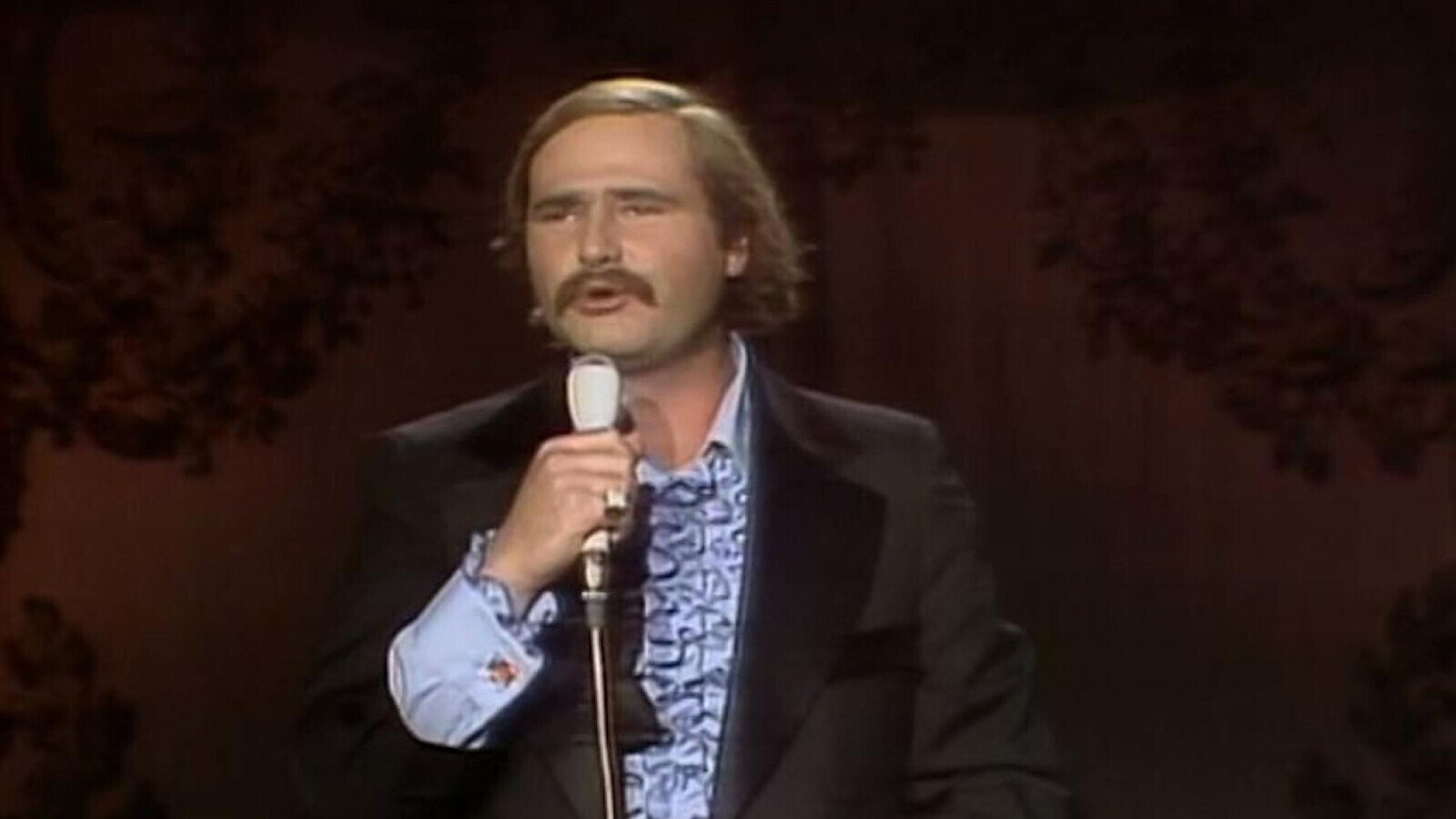
Long before celebrity hosts treated Studio 8H as a weekly obstacle course of wigs, cue cards, and suspiciously breakable furniture, Rob Reiner stepped onto the young program’s stage and helped demonstrate what a Saturday Night Live host could be.
Reiner, the celebrated actor and filmmaker whose career stretched from All in the Family to This Is Spinal Tap, Stand by Me, The Princess Bride, When Harry Met Sally…, and A Few Good Men, died alongside his wife, photographer and producer Michele Singer Reiner, on December 14, 2025. He was 78.
The violent circumstances of their deaths intensified the shock felt throughout Hollywood. Their son, Nick Reiner, was subsequently charged with two counts of first-degree murder and pleaded not guilty. The case remains pending, meaning the charges are allegations that have not been proven in court.
For the SNL community, however, the loss carried an additional historical weight. Rob Reiner was not merely a famous filmmaker who occasionally visited late-night television. He hosted the third episode in the show’s history, arriving at a moment when the program was still deciding what it wanted to beand whether America was ready to stay awake long enough to find out.
Saturday Night Live Pays Tribute to One of Its Earliest Hosts
During the final Saturday Night Live episode of 2025, the show paused to honor Reiner with an on-screen memorial card. The December 20 broadcast was hosted by Ariana Grande, with Cher appearing as musical guest. Before the traditional goodnights, viewers saw an image of Reiner from his early years, acknowledging his place near the very beginning of the series’ half-century history.
The gesture was brief, but that simplicity suited the moment. There was no elaborate recreation, no parade of impressions, and no attempt to squeeze a punchline from an unthinkable tragedy. A photograph, a name, and two dates were enough to connect the modern show with the experimental television enterprise Reiner entered in October 1975.
Former SNL performers also remembered him across the late-night landscape. Seth Meyers devoted an extended segment to Reiner and Michele, sharing personal memories and describing Reiner as a man who was “full of love.” Jimmy Fallon, another former SNL cast member, recalled Reiner as a frequent guest and one of the smartest and funniest people he had encountered.
Their tributes reflected something larger than professional admiration. Reiner belonged to the extended family tree of American sketch comedya tree with branches reaching through Norman Lear, Carl Reiner, Mel Brooks, the original Not Ready for Prime Time Players, Christopher Guest, Billy Crystal, and several generations of late-night performers.
Rob Reiner Hosted SNL Before the Show Was Truly SNL
Reiner hosted the program on October 25, 1975. At the time, it was officially titled NBC’s Saturday Night, not yet the universally recognized Saturday Night Live. Only two episodes had aired. George Carlin hosted the premiere, followed by Paul Simon in a music-heavy second installment. Reiner came next.
That made him the show’s third-ever host, but the number alone does not explain his importance. Reiner was widely credited as the first guest host to operate in the way audiences now expect: not simply delivering an opening monologue or introducing acts, but joining the ensemble and committing himself to the sketches.
Today, that sounds perfectly normal. Hosting SNL means pretending to be a game-show contestant, wearing a wig that appears to have lost an argument with a lawn mower, and confidently reading lines while a cue-card operator sprints just outside the camera frame. In 1975, however, the host’s function was still being invented in real time.
A Strange, Energetic Piece of Television History
Reiner’s episode featured the original cast, including Dan Aykroyd, John Belushi, Chevy Chase, Jane Curtin, Garrett Morris, Laraine Newman, and Gilda Radner. His then-wife, Penny Marshall, made special appearances, years before her own major directing career would make her one of Hollywood’s most influential filmmakers.
The episode had no conventional musical guest. Instead, it offered an unruly assortment of comedy, dance, experimental film, and variety-show oddities. Andy Kaufman appeared, the dance group The Lockers performed, and John Belushi delivered his famously committed Joe Cocker impersonation while singing “With a Little Help from My Friends.”
Reiner also entered the wonderfully ridiculous world of the Bees, the recurring characters whose bee costumes became an early symbol of the show’s scrappy aesthetic. The costumes looked less like the work of a major television network and more like something assembled five minutes before a school pageant. That was part of their charm.
There were fake commercials, a segment about pancreas awareness, an Albert Brooks film, Muppets, lounge-singer material, and sketches that reflected a program still throwing ideas at the wall to discover which ones buzzed, bounced, or required an apology on Monday morning.
Why Reiner Was an Ideal Host for the Young Show
By 1975, Rob Reiner was already famous for playing Michael “Meathead” Stivic on Norman Lear’s groundbreaking sitcom All in the Family. As Archie Bunker’s liberal son-in-law, Reiner became one-half of television’s most recognizable intergenerational argument.
Archie and Mike debated politics, race, religion, gender roles, war, and social change with a ferocity normally reserved for families choosing a restaurant. Their clashes helped All in the Family turn national tensions into character-driven comedy without pretending that those tensions were simple.
Reiner won two Emmy Awards for his supporting performance. More importantly for SNL, he understood ensemble comedy, political humor, live-audience rhythm, and the value of playing a character who could be intelligent and ridiculous at the same time.
He was also willing to surrender control. A successful SNL host cannot behave like a visiting monarch waiting for the cast to admire the royal cheekbones. The host has to become part of the machinery. Reiner did that before the machinery had an instruction manual.
From “Meathead” to One of Hollywood’s Most Versatile Directors
Reiner’s early television fame might have been enough for an impressive career, but he soon built a second creative life behind the camera. His directing run from the mid-1980s into the early 1990s remains remarkable for both quality and range.
This Is Spinal Tap helped define the mockumentary form while sending rock-star vanity all the way to eleven. Stand by Me transformed a Stephen King story into a tender drama about friendship, mortality, and the strange ache of leaving childhood. The Princess Bride blended romance, fantasy, adventure, and jokes about unusually large rodents without dropping any of the plates.
Then came When Harry Met Sally…, a romantic comedy so influential that generations of later films have borrowed its conversational rhythms, friendship-to-romance structure, and belief that ordering lunch can reveal a complete psychological profile.
Reiner followed it with Misery, a tightly controlled psychological thriller that earned Kathy Bates an Academy Award, and A Few Good Men, a courtroom drama nominated for Best Picture. He later directed The American President, Ghosts of Mississippi, The Bucket List, and other films across comedy, drama, history, and politics.
Many directors possess a recognizable visual signature. Reiner’s signature was often less flashy: he knew how to serve the story, protect the performances, and make audiences care. He could move from heavy metal parody to childhood grief, fairy-tale swordplay, romance, horror, and military law without making the transitions look like a filmmaker desperately spinning a genre wheel.
His Connection to SNL Continued Through His Films
Reiner’s relationship with the Saturday Night Live universe did not end after his 1975 hosting appearance. His films repeatedly intersected with performers and writers connected to the show.
This Is Spinal Tap starred Christopher Guest, Michael McKean, and Harry Shearer. Guest later spent a season in the SNL cast, while Shearer had two separate runs on the program. Billy Crystal, another former cast member, became one of Reiner’s closest collaborators and played central roles in When Harry Met Sally… and The Princess Bride.
Reiner himself became part of SNL folklore. Chris Farley portrayed him in a 1993 sketch, leaning into Reiner’s recognizable appearance and energetic personality. Decades later, Reiner attended the SNL50: The Homecoming Concert, reconnecting with the institution he had helped shape when it was only three weeks old.
That continuity explains why his death resonated so strongly among sketch-comedy fans. Reiner represented a bridge between distinct eras: socially engaged 1970s sitcoms, the birth of SNL, the mockumentary boom, the rise of character-centered studio comedies, and the modern late-night ecosystem.
Why the SNL Community’s Grief Feels So Personal
Saturday Night Live is often discussed as though it were merely a television series. In practice, it functions more like a cultural institution, alumni association, comedy laboratory, and weekly stress dream conducted under hot lights.
Its history is built from thousands of temporary collaborations. Hosts arrive, rehearse intensely, perform once, and leave behind stories that cast members may retell for decades. Some hosts become recurring favorites. Others vanish into the archive. A small group becomes associated with turning points in the program’s evolution.
Reiner belongs to that last category. His episode offered an early model of the host as ensemble performer. He brought the confidence of an established television star but remained willing to enter the show’s peculiar comic universe. He did not stand outside the experiment; he joined it.
For longtime viewers, losing a figure from the first month of SNL feels like losing part of the show’s foundation. The modern serieswith its digital shorts, celebrity cameos, polished sets, online clips, and instant social-media reactionscan appear worlds apart from the grainy, unpredictable 1975 broadcast. Reiner’s presence connects those worlds.
Remembering Rob and Michele Without Letting the Tragedy Eclipse Their Lives
The circumstances surrounding Rob and Michele Reiner’s deaths inevitably became part of the news coverage. Responsible remembrance, however, requires more than repeating the most shocking details.
Michele was a photographer, producer, and activist who shared Rob’s engagement with civic causes. Friends and family remembered the couple as deeply connected partners whose public advocacy included support for early childhood programs, civil rights, marriage equality, and democratic institutions.
Rob’s artistic legacy is similarly too broad to be reduced to the manner of his death. His work gave audiences comic arguments at the Bunker family table, a fake band with an unfortunately combustible collection of drummers, four boys walking along railroad tracks, a masked farmhand climbing the Cliffs of Insanity, and two New Yorkers debating whether friendship could survive attraction.
Those images endure because Reiner understood that memorable entertainment requires emotional stakes. Even his broadest comedies contain sincerity. Even his darkest films allow moments of human recognition. He rarely treated emotion as an interruption to the joke. More often, the emotion was what made the joke matter.
The Experience of Revisiting Rob Reiner’s 1975 SNL Episode
Watching an early Saturday Night Live episode after the death of one of its participants creates an unusual viewing experience. The program remains funny, awkward, surprising, and occasionally baffling, but history changes the emotional temperature.
The first thing a modern viewer may notice is how unfinished everything feels. The pacing is looser than contemporary television. Some sketches end abruptly. The audience does not always know how to react. Performers seem to be testing the limits of the format while the cameras are rolling. There is a thrilling sense that nobody has yet produced a thick binder labeled “How to Make SNL.”
Reiner appears comfortable inside that uncertainty. He had enough experience to anchor a scene but not so much self-importance that he needed every scene to revolve around him. That balance is one of the episode’s quiet pleasures. He is a star, but he behaves like a collaborator.
Seeing Penny Marshall beside him adds another layer. Modern audiences know that both would become successful directors, each with a distinct body of work. In the 1975 episode, however, they are a young comedy couple participating in a strange new television experiment. Time turns ordinary footage into a document of possibilities that had not yet unfolded.
How Nostalgia Changes When a Performer Is Gone
Rewatching vintage comedy after a loss can produce two emotions at once. There is pleasure in rediscovering the performance and sadness in recognizing that no new appearance will follow. The laughter does not cancel the grief, and the grief does not make the laughter inappropriate.
Comedy may be especially powerful in this setting because it preserves timing, voice, movement, and personality. A still photograph records how someone looked. A sketch records how that person listened, paused, reacted, committed to foolishness, and helped another performer land a joke.
That is why the brief SNL memorial card mattered. It invited viewers to place Reiner back inside the show’s living history. A tribute does not need to summarize every achievement. Sometimes it merely opens the archive and reminds audiences where to look.
A Meaningful Way for Fans to Revisit His Work
Fans interested in honoring Reiner can begin with the 1975 episode, accepting its imperfections as part of its appeal. It is best approached not as a polished modern broadcast but as evidence of a creative culture being assembled in public.
From there, viewers can trace the qualities visible in his hosting performance through his later films. The improvisational confidence of This Is Spinal Tap, the ensemble warmth of The Princess Bride, the conversational precision of When Harry Met Sally…, and the controlled tension of Misery all reveal different sides of the same storytelling intelligence.
A thoughtful retrospective should also make room for All in the Family. Mike Stivic may be remembered by a nickname he disliked, but Reiner’s performance helped establish the comic persona that introduced him to millions. The character’s arguments with Archie remain a lesson in how television can stage political disagreement through recognizable human relationships.
Finally, viewers can remember that Reiner’s legacy includes collaboration. His films are filled with actors giving career-defining performances, writers whose dialogue receives room to breathe, editors who understand comic rhythm, and composers whose music deepens the emotional atmosphere. Great directing is not always visible as directorial showing off. Sometimes it is visible in how good everyone else becomes.
A Lasting Place in Saturday Night Live History
Rob Reiner hosted Saturday Night Live only once, but frequency is not the same as significance. His appearance came when the show was three episodes old, when its rules were flexible and its future was uncertain. He helped establish the now-familiar idea that a guest host should become, for one week, part of the cast.
Fifty years later, the institution he visited as a young television star paused to say goodbye. Former cast members remembered him. Fans returned to old sketches. Film lovers celebrated a directing career that moved effortlessly between laughter, fear, romance, adventure, and moral argument.
The tragedy of Rob and Michele Reiner’s deaths will remain painful, but it should not be allowed to swallow the much larger story of their lives. In Rob Reiner’s case, that story includes one of television’s defining sitcoms, an extraordinary sequence of films, decades of civic engagement, and a memorable night during the uncertain birth of America’s longest-running sketch-comedy institution.
He arrived at Studio 8H before hosting SNL had become a show-business rite of passage. By joining the experiment wholeheartedly, he helped make it one.













