
Fall is supposed to arrive with crisp air, crunchy leaves, pumpkin patches, and the sudden cultural permission to put cinnamon in absolutely everything. But according to The Old Farmer’s Almanac, fall 2025 had a slightly different personality in mind: warmer, drier, and in many parts of the United States, not quite ready to let summer leave the party.
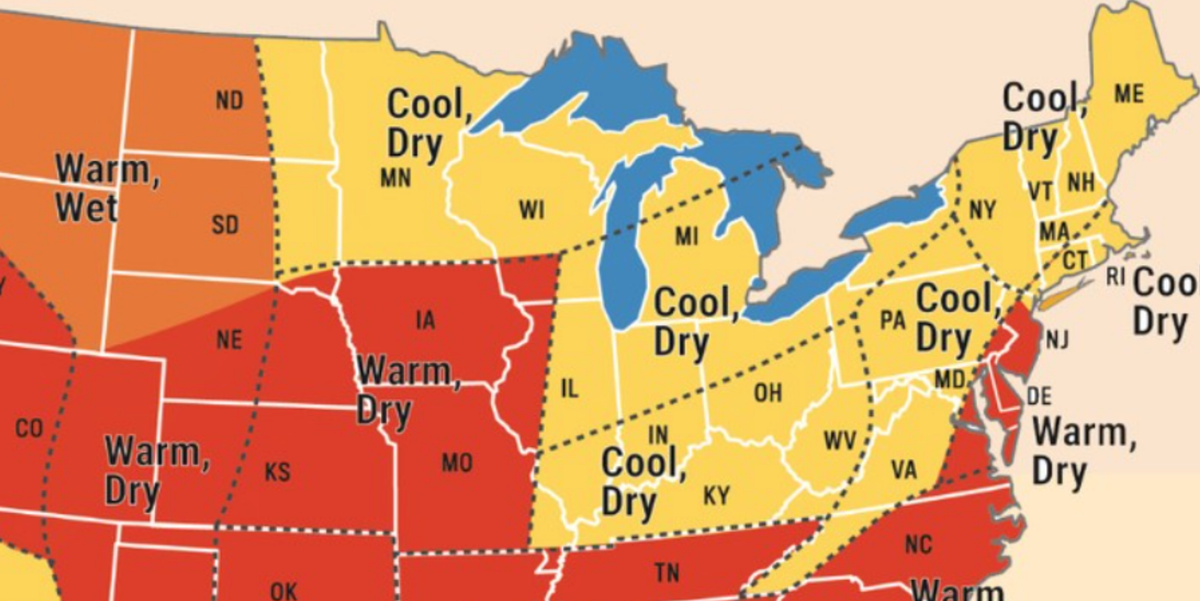
The long-running American publication predicted a fall season that would be warmer than normal across much of the country, especially in the western half of the United States. At the same time, its forecast included several important regional exceptions, including cooler and drier conditions in parts of the Northeast, Appalachians, Lower Lakes, Ohio Valley, Upper Midwest, Desert Southwest, and Hawaii. In other words, the fall forecast was not a simple “sweater weather everywhere” situation. It was more like: bring a cardigan, sunscreen, and maybe a backup plan.
For readers who use the Almanac to plan garden chores, leaf-peeping trips, outdoor weddings, harvest festivals, football tailgates, or the annual debate over when it is emotionally acceptable to order a pumpkin spice latte, the forecast offered practical clues. A warm, dry fall can stretch the growing season and make outdoor activities more pleasant, but it can also raise concerns about drought, wildfire risk, stressed landscapes, and delayed autumn color in some areas.
What Did The Old Farmer’s Almanac Predict for Fall?
The main theme of the fall outlook was warmth. The Almanac predicted that much of the United States would experience above-normal temperatures during the fall season, especially across the West, Southeast, Florida, Heartland, Texas-Oklahoma region, High Plains, Intermountain West, Pacific Northwest, Pacific Southwest, and Alaska.
That forecast meant fall would not necessarily arrive with the dramatic temperature drop many people imagine. In some places, the first few weeks of autumn were expected to feel more like an extended summer encore. If your fall fantasy included flannel, hot cider, and a gentle chill in the air, the Almanac’s message was basically: adorable idea, but maybe keep the iced tea pitcher handy.
Precipitation was another major part of the forecast. The Almanac called for below-average rainfall across large stretches of the country, from parts of California to Florida and up toward Maine. However, the High Plains and Pacific Northwest were notable exceptions, with wetter-than-normal conditions expected in those areas.
That dry signal mattered because autumn is not only a cozy lifestyle season. It is also a transition period for farms, lawns, forests, reservoirs, and local ecosystems. Less rain can help outdoor events run smoothly, but too little moisture may stress plants, reduce soil moisture, and increase fire danger in vulnerable areas.
Why a Warm Fall Matters More Than Your Sweater Drawer
A warmer-than-normal fall may sound harmless at first. Who complains about a few extra sunny afternoons? But seasonal warmth has real effects beyond wardrobe confusion. It can delay the first frost, extend the growing season, shift pest activity, and change when leaves reach peak color.
For gardeners, extra warmth can be both a blessing and a headache. On one hand, tomatoes, peppers, herbs, and late-season flowers may continue producing longer than expected. On the other hand, warm and dry conditions can mean more watering, more plant stress, and more attention to soil health. Fall planting also becomes trickier when the ground stays warm but rain is scarce.
For homeowners, a dry autumn can make lawn recovery slower after summer heat. It may also increase the need to water newly planted trees, shrubs, and perennials. Many people assume fall rain will do the work for them, but in a dry pattern, the garden hose does not retire just because Halloween candy appears in stores.
For travelers, warmer fall weather can be wonderful. Road trips, camping weekends, apple picking, and outdoor festivals may benefit from sunny, mild conditions. However, in regions with wildfire concerns, travelers should watch local alerts, respect burn bans, and avoid assuming that a pretty fall day is automatically a low-risk day.
Regional Breakdown: Who Gets Warm, Cool, Wet, or Dry?
Northeast: Cooler, Drier, and Possibly Pretty
The Northeast stood out as one of the regions expected to be cooler and drier than normal. That combination can sometimes produce excellent fall foliage, especially if trees are healthy and nights turn chilly without hard freezes arriving too early.
For leaf-peepers in Maine, Vermont, New Hampshire, western Massachusetts, and eastern New York, this was one of the more encouraging parts of the forecast. Dry weather can help preserve leaves on trees, while cool nights encourage the color changes that turn hillsides into postcards. Of course, fall foliage is famously dramatic and slightly moody. Too much drought, too much wind, or one badly timed storm can shorten the show.
Atlantic Corridor: A North-South Split
The Atlantic Corridor had a more mixed outlook. Northern areas were expected to lean cooler, while southern areas were more likely to experience warmer conditions. Rainfall was expected to run below normal overall.
This kind of split forecast is common in transition seasons. Fall weather often behaves like it cannot decide which group chat it belongs in: summer or winter. One city may feel crisp and gray while another just a few hundred miles away is still sweating through outdoor brunch.
Southeast and Florida: Warm and Mostly Dry
The Southeast and Florida were predicted to experience warmer-than-normal conditions, with rainfall generally below normal in many areas. That can make fall feel pleasant for outdoor dining, beach walks, sports, and festivals, but it can also extend heat stress and keep air conditioners working longer than homeowners would like.
In the South, “fall” is often less of a dramatic arrival and more of a negotiation. The Almanac’s outlook suggested that summer’s influence would linger, especially in areas where warm temperatures are already part of the seasonal personality.
Upper Midwest and Lower Lakes: Cooler and Drier
The Upper Midwest and Lower Lakes were among the cooler and drier regions in the Almanac’s prediction. In northern areas, the forecast even suggested the possibility of early hints of snow. That does not mean everyone needed to panic-buy snow shovels in September, but it did mean the season could turn chilly sooner than expected in places such as Minnesota, Wisconsin, Michigan, northern Indiana, northern Ohio, and western New York.
For farmers and gardeners, early cold snaps matter. They can end tender crops, affect harvest timing, and push people to protect plants sooner. For everyone else, they are a reminder that the Midwest does not ask permission before changing seasons.
High Plains and Pacific Northwest: Wetter Exceptions
While dryness was a major theme nationally, the High Plains and Pacific Northwest were exceptions. The High Plains were expected to see warmer and wetter conditions, while the Pacific Northwest was also forecast to be warmer and wetter than normal.
For the Pacific Northwest, that can mean a classic mix of mild weather, cloud cover, rain, and sunny breaks. The region is already famous for weather that makes people own both sunglasses and waterproof jackets, sometimes for the same afternoon.
Desert Southwest and Pacific Southwest: Not One Simple Story
The Desert Southwest and Pacific Southwest had more varied predictions. Parts of the Desert Southwest were expected to run cooler than normal, while other western areas leaned warmer and dry. Southern California was forecast to be cooler and drier, while central California and western Arizona were closer to the broader warm, dry national pattern.
For this region, the dry part of the forecast was especially important. Warm, dry fall conditions can increase wildfire concerns, particularly where vegetation has dried out after summer. Residents and travelers should always follow local fire weather alerts and emergency guidance.
How The Old Farmer’s Almanac Makes Long-Range Forecasts
The Old Farmer’s Almanac has been part of American life since 1792, which means it has been making seasonal predictions since long before most people had weather apps, radar loops, push notifications, or that one relative who texts “storm coming” every time the sky gets beige.
The publication says its long-range forecasts are based on a blend of solar science, climatology, and meteorology. Solar science looks at solar patterns and activity. Climatology studies long-term weather patterns and averages. Meteorology focuses on atmospheric conditions. The Almanac also says it compares historical weather conditions with current solar activity to predict broad trends and events.
It is important to understand what this type of forecast isand what it is not. A long-range seasonal forecast is not the same as a daily local weather forecast. It cannot tell you whether rain will begin at 3:17 p.m. on the Saturday you planned a corn maze trip. Instead, it gives a broad seasonal outlook: warmer or cooler than normal, wetter or drier than normal, and which regions may differ from the national pattern.
That broad view is why the Almanac remains useful to many readers. Farmers, gardeners, travelers, and homeowners often do not need exact hour-by-hour details months ahead. They need a general sense of what kind of season may be coming so they can plan wisely.
The NOAA Context: Meteorological Fall and Hurricane Season
When people talk about fall, they often mean different things. Astronomical fall begins around the autumn equinox in late September. Meteorological fall, however, runs from September 1 through November 30. Meteorologists use this three-month period because it lines up more neatly with temperature cycles and seasonal climate records.
That matters because the Almanac’s fall forecast focuses on the broader September-through-November pattern, not just the moment the calendar says autumn officially begins. A warm September can strongly shape how fall feels, even if October and November eventually cool down.
The 2025 Atlantic hurricane season was another important piece of seasonal context. NOAA predicted an above-normal Atlantic hurricane season, with a forecast range of 13 to 19 named storms in its May outlook. Because Atlantic hurricane season officially runs from June 1 through November 30, fall is still part of hurricane season, especially for coastal areas from Texas to Florida, the Carolinas, and up the East Coast.
That means a warm, dry fall forecast should not make coastal residents ignore storm preparedness. A single storm can change a season quickly. The smart approach is to enjoy the sunshine, but keep emergency plans, insurance documents, medication lists, and evacuation routes updated.
What the Forecast Could Mean for Fall Foliage
Fall foliage depends on several factors: temperature, rainfall, sunlight, tree health, and timing. Cool nights and sunny days can help produce bright reds, oranges, and yellows. Drought, heat, heavy rain, or strong wind can dull colors or shorten the display.
The Almanac’s cool and dry outlook for parts of the Northeast raised hopes for strong foliage in that region. If conditions lined up well, leaf-peepers could see vivid color in classic autumn destinations such as New England, the Adirondacks, and northern mountain areas.
In warmer regions, fall color may arrive later or appear less dramatic. That does not mean the season loses its charm. It simply means the best leaf-peeping windows may shift, and travelers should check local foliage reports before booking a trip. Trees do not care about your hotel cancellation policy.
Practical Tips for Using the Fall Forecast
For Gardeners
Gardeners in warm, dry regions should plan for continued watering, especially for new plantings. Fall is a popular time to plant trees, shrubs, bulbs, and perennials, but young roots need moisture to establish. Mulch can help conserve soil moisture, regulate temperature, and reduce stress.
In cooler regions, gardeners should watch for frost dates and prepare row covers, cloches, or indoor space for tender plants. A cooler-than-normal fall can end the growing season faster than expected.
For Travelers
Travelers should pack for flexibility. In warm regions, breathable layers are better than heavy sweaters. In cooler areas, especially the Upper Midwest, Northeast, and mountain regions, pack a jacket, rain gear, and shoes that can handle wet leaves, mud, or early cold.
For foliage trips, monitor local color maps and weather reports. Peak color can last only a short time, and wind or rain can shorten the viewing window. The best strategy is to stay flexible and avoid treating peak foliage dates as if they were carved into stone tablets.
For Homeowners
Homeowners in dry regions should clear gutters, remove dry debris, trim vegetation near structures, and follow local fire safety recommendations. In wetter regions, drainage matters. Check downspouts, inspect basements, and make sure water flows away from foundations.
Fall is also a good time to service heating systems, replace air filters, seal drafts, and prepare outdoor plumbing before colder weather arrives. Even in a warm fall, winter has a way of eventually showing up like a bill you forgot was due.
Why People Still Love Almanac Forecasts
Part of the Almanac’s appeal is practical. People want a seasonal heads-up. But another part is cultural. Reading an Almanac forecast feels connected to older rhythms of life: planting, harvesting, watching the sky, planning by the moon, and noticing small seasonal changes before they become obvious.
Modern weather tools are powerful, precise, and essential. But the Almanac offers something different: a broad seasonal story. It gives readers a way to think ahead, talk about the weather, and prepare for the months to come. It also adds a little charm to a topic that can otherwise become a parade of percentages and pressure systems.
That does not mean readers should treat any long-range forecast as perfect. Seasonal forecasting is difficult. Weather is influenced by many variables, and local conditions can differ sharply from regional predictions. The best approach is to use the Almanac as one planning tool, then rely on local National Weather Service forecasts and emergency alerts for short-term decisions.
Personal Experiences and Everyday Lessons from a Predicted Fall Forecast
There is something oddly comforting about checking a fall forecast months in advance. It feels like trying to peek at the last page of a mystery novel, except the main character is the atmosphere and it refuses to follow the plot. When The Old Farmer’s Almanac predicts fall weather, people do not just read it for numbers. They read it because fall is emotional. It is the season of routines returning, gardens slowing down, school calendars filling up, and porches suddenly looking like they hired a decorator named “Pumpkin.”
One practical experience many people can relate to is planning a fall weekend outdoors. Imagine organizing a family trip to a pumpkin patch in late September. You picture boots, scarves, cider, and children posing sweetly beside hay bales. Then the forecast says warmer-than-normal. Suddenly the cute flannel outfits become portable saunas, the cider becomes iced lemonade, and everyone is searching for shade behind the decorative cornstalks. A warm fall does not ruin the day, but it changes how you prepare. You bring water bottles, sunscreen, hats, and lighter clothing. The pumpkins are still charming; you are just sweating near them.
Gardeners feel the forecast even more directly. A warm, dry autumn can tempt gardeners to keep summer crops going. The basil may still look lively, peppers may continue ripening, and late tomatoes may hang on like they have unfinished business. But dry soil tells another story. Without regular rain, containers dry quickly, new perennials struggle, and lawns stay tired after summer heat. The lesson is simple: do not let the calendar do the gardening for you. Let the soil, plants, and local conditions have a vote.
For people who love fall foliage, the Almanac’s regional predictions can shape travel plans. A cool, dry Northeast forecast sounds like good news for color, but experienced leaf-peepers know that timing is everything. One mountain pass may be glowing while a nearby valley is still green. A windy storm can scatter leaves overnight. The best foliage trips often come from flexibility: checking local reports, taking scenic back roads, and accepting that nature is not a theme park with guaranteed showtimes.
Homeowners also learn from fall forecasts. A dry outlook is a reminder to clear dead leaves from gutters, trim dry brush, water young trees, and prepare for fire risk where it applies. A wetter regional outlook, especially in places like the Pacific Northwest, encourages people to check drainage, clean downspouts, and make sure outdoor furniture can survive another season of enthusiastic rain.
The biggest experience-related takeaway is that a seasonal forecast is most useful when it changes behavior in small, smart ways. It should not create panic, and it should not become a rigid script. Instead, it works best as a nudge. Pack differently. Water longer. Check local alerts. Book flexible travel. Protect plants. Keep hurricane plans ready if you live near the coast. Fall may be predictable in theme, but it is rarely predictable in detail.
That is why The Old Farmer’s Almanac remains part of the seasonal conversation. Its fall forecast gives people a reason to look ahead, but the real wisdom comes from combining that outlook with observation. Watch the leaves. Feel the evenings. Notice the soil. Read the sky. And yes, keep the sweater nearbybut maybe do not bury the short sleeves just yet.
Conclusion
The Old Farmer’s Almanac predicted a fall season shaped largely by warmth and dryness across much of the United States, with cooler and drier exceptions in several northern and eastern regions. The forecast suggested that many Americans could expect an extended summer feel, while others might see classic cool autumn conditions and possibly strong foliage color.
The key is balance. A warm, dry fall can be pleasant for outdoor plans, travel, and late-season gardening, but it can also bring wildfire concerns, water stress, delayed foliage, and continued hurricane-season awareness. The Almanac’s forecast is best used as a broad planning guide, not a minute-by-minute promise.
Fall always arrives with a little mystery. Some years it sweeps in with cold mornings and golden trees. Other years it shows up wearing sunglasses and pretending it is still August. Either way, a smart forecast helps us prepareand maybe laugh a little when the pumpkin patch feels like a beach day.













