
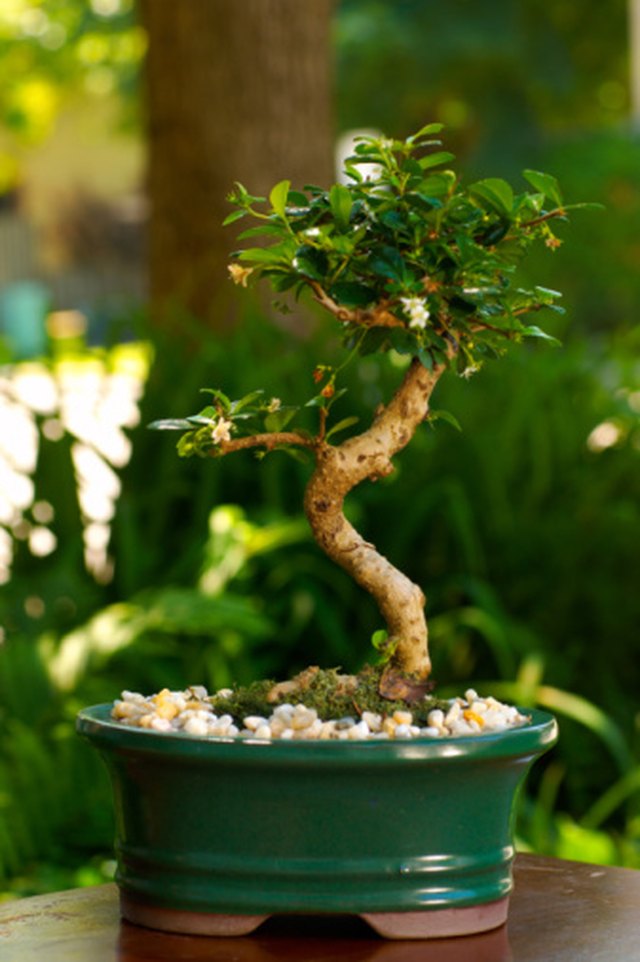
If your bonsai is suddenly sprinkling leaves all over your windowsill, don’t panic and don’t grab the vacuum just yet. Leaf drop is your tree’s way of sending a distress signal (or sometimes just announcing that it’s autumn). The trick is figuring out whether your bonsai is quietly following nature’s scriptor screaming for help.
In this guide, we’ll walk through the most common reasons bonsai leaves fall off, how to tell normal behavior from serious trouble, and what you can do right now to help your tiny tree bounce back. We’ll also cover long-term care tips and some real-world bonsai-owner stories so you don’t feel like the only person whose “Zen tree” is having a meltdown.
Is It Normal for Bonsai Leaves to Fall Off?
Sometimes, yes. Many bonsai are just regular trees in miniature, not special “indoor plants” that obey house rules. Deciduous bonsai, such as maples, elms, and hornbeams, naturally change color and shed leaves in fall. If your tree lives outdoors, the season is changing, and the leaf drop is gradual and even, that’s probably perfectly normal.
Indoor bonsai like ficus or jade can also drop leaves when they’re moved to a new location, brought indoors for winter, or exposed to a sudden change in light or temperature. A flush of leaf loss right after a big move can be stress, not doom. The key is what happens next: does new growth appear within a few weeks, or does the tree continue to decline?
Abnormal leaf drop usually looks patchy, sudden, or extreme. Leaves may turn yellow or brown, curl, dry out, or fall while still green. You might notice other red flags too: soggy or bone-dry soil, visible pests, bad smells from the pot, or shriveled twigs. When in doubt, assume your bonsai is under stress and start troubleshooting.
Top Reasons Your Bonsai Leaves Are Falling Off
1. Seasonal Leaf Drop: Deciduous Bonsai Doing Their Thing
If you’re caring for a deciduous bonsai (like a Chinese elm, trident maple, or hornbeam) and it’s fall or early winter, leaf drop is often just part of the natural cycle. Leaves gradually yellow or redden, then drop evenly across the canopy. The branches still look plump and alive, and the trunk remains firm and smooth.
What to do? Honestly, not much. Reduce watering slightly because the tree uses less moisture while dormant, stop fertilizing, and keep it in appropriate outdoor conditions for its species. Think of it as the bonsai equivalent of a long nap, not a medical emergency.
2. Too Much Water: Overwatering and Root Rot
Overwatering is one of the most common causes of bonsai leaf drop, especially for indoor trees. Bonsai roots need air as much as water. When the soil stays soggy, the roots suffocate and begin to rot. Once roots are damaged, they can’t support the foliage, and leaves start to yellow, droop, and fall off.
Signs of overwatering include soil that’s constantly wet, a heavy pot, mold or algae on the surface, and sometimes brown or black tips on the leaves. If you slip the tree gently out of its pot, unhealthy roots may look brown, mushy, or smell sour instead of being firm and white.
Fix it by letting the top layer of soil dry slightly before watering again. Water thoroughly until liquid runs out of the drainage holes, but don’t water again just because the calendar says so. If the soil is dense and holds water for days, repot in a well-draining bonsai soil mix once the tree is stable enough to handle the change.
3. Not Enough Water: Underwatering and Crispy Leaves
At the other extreme, letting your bonsai dry out completely even once can trigger massive leaf drop. Tiny pots dry out faster than regular houseplant containers, and a forgotten weekend can be all it takes.
Underwatered leaves usually turn dull, curl, and feel papery or crisp. The soil pulls away from the sides of the pot, and when you water, the water might run straight through without soaking in. Some species, especially ficus, can shed almost all their leaves after a severe dry spellbut they may still recover if the trunk and small twigs remain flexible and green inside.
To fix underwatering, soak the pot in a basin of room-temperature water for 10–15 minutes so the whole root ball rehydrates. Afterward, adopt a consistent routine: check the soil daily with your finger or a wooden chopstick. Water when the top half-inch feels just barely dry, not bone-dry.
4. Sudden Changes in Light
Bonsai hate sudden surprises. Moving a tree from a bright nursery bench to a dim office, or from a shaded patio into blazing direct sun, can shock the foliage and trigger leaf drop.
Indoor bonsai like ficus and jade generally prefer bright, indirect light near a window. Outdoor species need plenty of sun but may burn if you suddenly expose them to full midday light after weeks in the shade. Leaf drop that follows a big move is often your tree’s way of resetting its foliage to match the new conditions.
To minimize shock, acclimate your bonsai gradually. Over a week or two, slowly shift it closer to its final spot, increasing light exposure bit by bit. If your home is dim, consider a small grow light placed 8–12 inches above the canopy for several hours a day.
5. Temperature Shock and Drafts
Many bonsai are tougher than they look, but they’re still sensitive to rapid temperature swings. Cold drafts from doors and windows, hot blasts from heaters, or parking the tree on top of a radiator can all cause leaf drop.
Tropical bonsai like ficus usually prefer temperatures above 60°F. Temperate outdoor bonsai need a winter chill, but they should be protected from extreme wind and sudden deep freezes. Indoors, avoid placing your tree right by drafty windows, air conditioning vents, or directly over heating registers.
If you suspect temperature stress, move the bonsai to a more stable environmentbright but not baking hot, and away from cold drafts. Leaf drop should slow as the tree settles into a consistent climate.
6. Low Humidity for Indoor Bonsai
Indoor air, especially in winter with central heating, can be very dry. Some bonsai species, particularly tropical ones, appreciate higher humidity than the average living room provides. When humidity is too low, leaves may brown at the edges, curl, and eventually fall.
Boost humidity by placing your bonsai on a shallow tray filled with pebbles and water (keep the pot above the waterline), grouping plants together, or using a small room humidifier nearby. Light misting can help, but it doesn’t replace a consistently more humid environment.
7. Pests and Diseases
Leaf-sucking pests like aphids, spider mites, and scale can weaken your bonsai and cause yellowing, stippling, curling, and leaf drop. Fungal problems such as powdery mildew or leaf spot can also lead to discolored foliage that eventually falls off.
Check both sides of the leaves and along stems for tiny insects, sticky residue (honeydew), webbing, or bumps. If you spot pests, isolate the tree from your other plants. Treat with a gentle insecticidal soap, neem oil, or a horticultural oil spray, following the label directions. For fungal problems, improve air circulation, avoid wetting the leaves when watering, and use a suitable fungicide if needed.
8. Repotting Shock or Root Pruning Stress
Repotting is vital for bonsai health, but it’s also one of the most stressful events in a tree’s life. If you recently repotted or heavily pruned the roots, some leaf drop is normal while the tree rebalances its root-to-canopy ratio.
Problems arise when several big changes happen at once: heavy root pruning, drastic top pruning, a totally new soil mix, and a new location. That combination can overwhelm the tree and lead to major leaf loss.
Going forward, repot at the recommended time for your species (often late winter or early spring, just before active growth) and avoid stacking stresses. After repotting, protect the tree from harsh sun and wind, keep watering steady but not excessive, and skip fertilizer until new growth appears.
9. Fertilizer Problems and Poor Soil
Bonsai live in small volumes of soil, so fertilizer is importantbut too much of a good thing can burn the roots and foliage. Overfertilizing can cause yellowing, browning, and leaf drop, especially if the soil is already dry when you apply it.
On the flip side, chronic nutrient deficiency can gradually weaken the tree. Leaves may fade in color, growth slows, and the bonsai becomes more vulnerable to pests, diseases, and stress-related leaf drop.
Use a balanced bonsai fertilizer at the recommended strength, typically during the growing season and not during winter dormancy (unless your species specifically calls for it). Make sure you’re using a free-draining bonsai soil rather than heavy garden soil or pure peat, which can stay too wet and suffocate roots.
10. Your Bonsai Species Has Its Own Quirks
Different bonsai species have different “personalities” when it comes to leaf drop:
- Ficus bonsai are notorious for dropping leaves when moved, underwatered, or exposed to drafts but often releaf once conditions stabilize.
- Chinese elm bonsai can act semi-deciduous, dropping more or fewer leaves depending on the climate and whether they live indoors or outdoors.
- Juniper and other conifers don’t shed leaves like deciduous trees; browning and drop in these species usually signal a real problem, not a seasonal nap.
Knowing exactly what species you haveand whether it’s a tropical, subtropical, or temperate treemakes troubleshooting much easier.
How to Rescue a Bonsai That’s Losing Leaves
Step 1: Identify the Pattern
Before you change anything, take a breath and play plant detective. Ask yourself:
- What species is my bonsai?
- Is it the right season for natural leaf drop?
- Did I recently move, repot, prune, or change how I water or fertilize?
- Are the leaves yellowing, browning, or falling while still green?
Make a quick timeline of recent changes. Leaf drop that starts right after a move, repotting, or drought is usually linked to that event.
Step 2: Check Soil Moisture the Right Way
Don’t rely only on the surface of the soilit can be dry on top while still soggy underneath. Instead, insert a wooden chopstick or your finger an inch or two deep into the soil:
- If it comes out muddy and very wet, you’re likely overwatering or dealing with poor drainage.
- If it’s completely dry and dusty, you’re underwatering.
- If it’s lightly moist but not soggy, watering may not be the main problem, and you should check light, temperature, and pests.
Step 3: Reset Your Watering Routine
Watering bonsai is more about observation than schedule. In general:
- Water thoroughly whenever the top of the soil starts to feel slightly dry.
- Pour slowly until water exits the drainage holes, then let excess drain away completely.
- Never let the pot sit in standing water for long periods.
- During hot, dry weather, you may need to water daily. In cooler or dormant periods, watering may drop to every few days or even less.
Consistency is more important than perfection. Many bonsai would rather be a little on the dry side than constantly drowning.
Step 4: Optimize Light and Location
Match the environment to your tree:
- Indoor tropical bonsai (like ficus or schefflera) do best in bright, indirect light near a window with stable, warm temperatures.
- Outdoor temperate bonsai (like pines, junipers, and many maples) belong outside year-round with appropriate seasonal protection, not on a coffee table.
If your tree is starved for light, move it closer to a bright window or add a grow light. If the leaves are scorched or pale, provide light that’s bright but filtered, especially during the hottest part of the day.
Step 5: Inspect for Pests and Disease
Use a magnifying glass if you have one and look along stems, under leaves, and at branch junctions. Sticky residue, tiny crawling dots, or fine webbing are all signs of trouble. Remove heavily infested leaves, rinse the foliage gently with water, and treat with an appropriate organic or low-toxicity product.
For fungal issues, prune out badly affected leaves, avoid overhead watering, improve airflow, and treat with a suitable fungicide if the problem persists. Always follow label instructions and test sprays on a small area first.
Step 6: Support a Stressed Tree
When your bonsai is already losing leaves, it needs time and gentle care, not more stress. For a few weeks:
- Avoid heavy pruning or wiring.
- Hold off on strong fertilizer until you see healthy new growth.
- Keep the tree in a stable, appropriate location and resist the urge to move it every few days “just to see.”
Many bonsai can recover from dramatic leaf loss if the roots and trunk are still alive. Patience is a crucial part of bonsai carearguably the hardest skill for humans to master.
Preventing Future Leaf Drop
Once your bonsai stabilizes, focus on prevention:
- Choose the right species for your environment. If you live in a small apartment with low light, a ficus or jade bonsai will be more forgiving than a sun-loving pine.
- Learn your tree’s seasonal rhythm. Understand when it naturally grows, rests, and (if deciduous) drops leaves.
- Keep a care diary. Jot down watering, repotting, moves, and major changes. When leaf drop happens, the diary helps you spot patterns.
- Use proper bonsai soil and pots. Good drainage and appropriate root space are non-negotiable.
- Inspect regularly. A quick weekly check for pests, soil moisture, and overall vigor prevents small issues from becoming crises.
Real-Life Bonsai Leaf Drop Experiences & Lessons Learned
If you’re staring at a pot full of fallen leaves, it’s easy to feel like you’ve failed. You haven’t. Almost every bonsai enthusiast has a story (or ten) about dramatic leaf drop. Here are a few “I’ve been there” experiences and what they taught.
The Ficus That Went Bald Overnight
One new bonsai owner proudly brought home a ficus from a bright, humid garden center and placed it on a shady office shelf under cool air conditioning. Within a week, the once-lush tree had dropped almost every leaf. It looked like a twig bouquet in a fancy pot.
The fix was to reverse the shock: the ficus was moved to a brighter window with stable warmth, watering was adjusted so the soil stayed lightly moist but not wet, and the owner stopped shifting the pot every few days. Within a month, tiny green buds appeared along the branches, and new leaves gradually filled in. Lesson learned: moving a bonsai is finejust don’t demote it from “spa day” to “basement storage” in one step.
The Outdoor Elm That Looked “Dead” Every Winter
Another hobbyist panicked the first time their Chinese elm bonsai dropped every single leaf in late fall. The branches were bare, and the tree looked utterly lifeless. Convinced they’d killed it, they nearly tossed it out.
Thankfully, a quick bit of research revealed that Chinese elms can behave like fully deciduous trees in cooler climates. Leaf drop was simply the start of winter dormancy. The owner left the tree outdoors in a sheltered spot, reduced watering, and skipped fertilizer until spring. When temperatures warmed, tiny new buds appeared, followed by a fresh canopy of leaves. Lesson learned: sometimes the most “dead-looking” bonsai is just resting between seasons.
The Overwatered Juniper in “Regular Potting Soil”
A classic story: a juniper bonsai gifted from a big-box store, planted in heavy, peat-based potting soil. The new owner did exactly what the generic plant tag said: water every few days. The soil stayed wet, the roots suffocated, and the foliage turned dull, then brown, then dropped.
Junipers are outdoor trees that prefer free-draining soil and plenty of sun. Once the owner realized this, they repotted the tree into a proper bonsai mix, moved it outside to a sunny balcony, and let the soil dry slightly between waterings. Some of the foliage was lost permanently, but enough healthy tissue remained that new growth slowly emerged. Lesson learned: bonsai are not just “tiny houseplants”they’re real trees with real, species-specific needs.
Why These Stories Matter
Each of these situations started with a discouraging pile of leaves at the base of the pot. In every case, the key to recovery was understanding why the leaves fell and making steady, sensible adjustments instead of panicking. Your bonsai is communicating through its foliage; leaf drop is a message, not a verdict.
If the trunk and branches are still firm and there’s some green tissue under the bark when you gently scratch it, your tree probably has a fighting chance. Give it the right light, water, temperature, and soil, resist the urge to “fix” everything at once, and let time and new growth be your proof that you’re on the right track.
Final Thoughts
Seeing the leaves fall off your bonsai tree can be alarming, but it doesn’t have to be the end of your miniature forest. Start by deciding whether the leaf drop is seasonal, stress-related, or a sign of deeper issues like watering problems, pests, or poor soil. Then, take calm, targeted steps to correct the problem and support your tree’s recovery.
Remember: bonsai is a long game. Every challengefrom yellow leaves to sudden baldnessis part of the learning process. With patience, observation, and a willingness to adjust your care, your bonsai can bounce back, grow stronger, and eventually reward you with healthy foliage that stays where it belongson the tree, not on your floor.













