
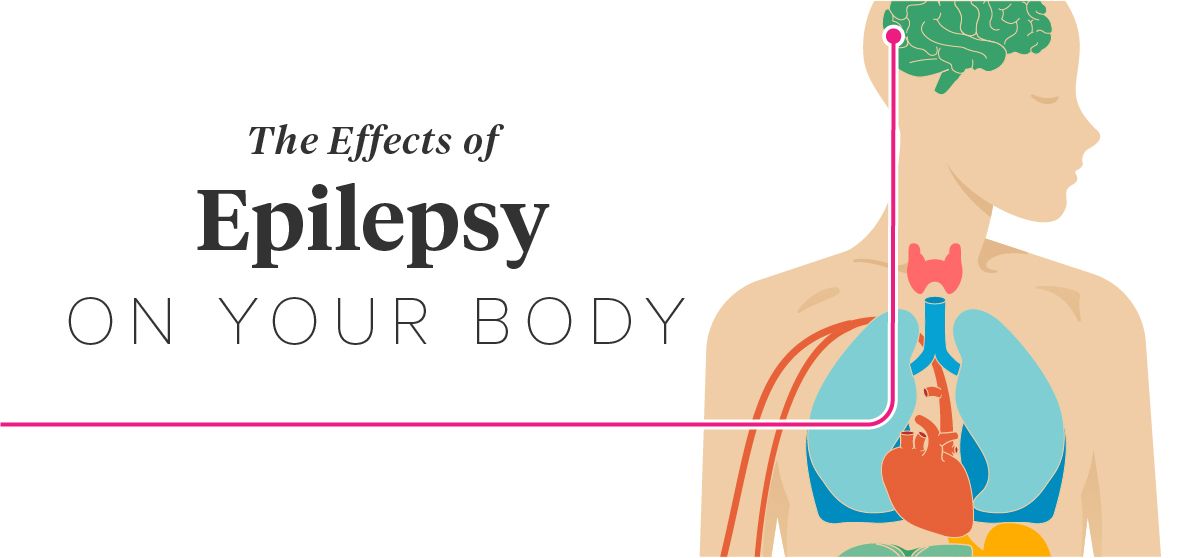
Epilepsy begins in the brain, but its effects can travel far beyond it. A seizure may briefly alter awareness, movement, sensation, breathing, heart rate, digestion, mood, or memory. The minutes afterward can bring exhaustion, soreness, headache, and confusion. Over time, recurring seizures, the condition causing them, and antiseizure medications may also influence sleep, bone health, reproductive health, safety, and everyday confidence.
That sounds like a long list because the brain is essentially the body’s extremely busy control room. When electrical signaling becomes temporarily disorganized, the “lights” may flicker in several departments at once. Still, epilepsy does not affect every personor every seizurethe same way. Some people have dramatic convulsions, while others experience a few seconds of staring, a strange smell, a sudden emotional wave, or a brief loss of awareness that is easy to miss.
Evidence:
First, What Happens During an Epileptic Seizure?
An epileptic seizure is caused by abnormal, overly synchronized electrical activity in the brain. Focal seizures begin in one area or one side of the brain. Generalized seizures engage networks on both sides from the start. The location and spread of that activity help determine which body functions change.
A focal seizure involving a movement-related area may cause jerking, stiffening, or weakness in one arm or leg. Activity in sensory regions may produce tingling, flashing lights, distorted sounds, unusual tastes, or smells that are not present. A seizure affecting networks involved in awareness can cause staring, automatic movements, or behavior the person does not remember later.
Generalized tonic-clonic seizures can cause loss of consciousness, body stiffening, rhythmic jerking, and a recovery period that may last minutes or hours. Absence seizures, by contrast, may look like a brief pause or staring spell. The person may appear to be daydreaming but is temporarily disconnected from what is happening around them.
Evidence:
How Epilepsy Affects the Brain and Nervous System
Awareness, Memory, and Thinking
During a seizure, awareness may remain intact, become impaired, or disappear completely. Afterward, the brain often needs time to restore normal communication. This postictal period can include confusion, sleepiness, slowed thinking, headache, difficulty speaking, or a blank spot in memory. Someone may recognize family members immediately but have no idea why everyone is standing around looking worried.
Longer-term cognitive concerns are more complicated. Memory, attention, processing speed, and language may be influenced by the part of the brain involved, the age when epilepsy began, seizure frequency, sleep quality, the underlying cause, and medication effects.
Epilepsy does not automatically cause progressive memory loss, and an ordinary brief seizure does not necessarily produce permanent brain damage. Persistent changes deserve evaluation because medication adjustments, better seizure control, sleep care, mood treatment, occupational therapy, or neuropsychological support may help.
Evidence:
Mood and Emotional Health
Depression, anxiety, irritability, and seizure-related fear are important concerns among people with epilepsy. Biology may play a role because brain networks involved in seizures also help regulate mood. Medication effects, disrupted sleep, driving restrictions, stigma, employment challenges, and uncertainty about when another seizure may occur can add another layer.
Mental health symptoms are not a character flaw or an unavoidable price of having epilepsy. They are treatable health concerns. Persistent hopelessness, panic, social withdrawal, unusual aggression, or a major mood change after starting a medicine should be discussed with a healthcare professional. Thoughts of self-harm require immediate support.
Evidence:
Effects on Muscles, Bones, and Physical Movement
Convulsive seizures can place powerful, involuntary force on muscles. The tonic phase stiffens the body, while the clonic phase produces repeated contractions. Afterward, people may feel as though they completed an intense workout without receiving the motivational playlist or the satisfaction of checking a box. Muscle soreness, weakness, and fatigue may continue for hours or occasionally longer.
Falls can cause bruises, cuts, dental injuries, shoulder dislocations, fractures, or head trauma. Injuries are more likely when a seizure occurs near stairs, traffic, sharp furniture, hot surfaces, machinery, or water. Drop seizures, which cause a sudden loss of muscle tone or an abrupt fall, can be especially hazardous.
Bone health may also require attention. Some antiseizure medications can affect vitamin D metabolism or bone density, while reduced activity and repeated falls can increase fracture risk. The effect varies by medication, treatment duration, age, diet, mobility, and individual health history.
A clinician may recommend reviewing calcium and vitamin D intake, weight-bearing exercise, fall-prevention measures, medication choices, or bone-density testing. This should be individualized rather than reduced to the universal medical advice of “drink some milk and hope for the best.”
Evidence:
Effects on Breathing and the Cardiovascular System
Temporary Breathing Changes
Breathing can become irregular during a tonic-clonic seizure. Chest and breathing muscles may stiffen, saliva may collect, and oxygen levels may briefly fall. The lips can look bluish. Most people resume effective breathing as the seizure ends, but breathing difficulty that continues afterward is an emergency.
First aid focuses on safety. Keep the person on the ground, move hazards away, cushion the head, loosen tight clothing, and turn the person onto one side when safely possible so fluids can drain. Do not hold the person down, and never place an object in the mouth. A person cannot swallow the tongue, but a well-meaning spoon can turn a seizure into a dental emergency.
Evidence:
Heart Rate and Blood Pressure
Seizures can activate the autonomic nervous system, which manages involuntary functions. Heart rate and blood pressure may rise or fall. Some focal seizures can cause palpitations, sweating, flushing, chills, nausea, changes in breathing, or alterations in bowel and bladder function.
Serious heart rhythm or breathing problems are uncommon but possible, particularly with prolonged, repeated, or uncontrolled convulsive seizures. This is one reason ongoing seizure control matters even when a person feels completely normal between episodes.
Evidence:
Effects on Digestion, Bladder Function, and Energy
Some focal seizures create an odd rising sensation in the stomach, nausea, abdominal discomfort, or an urgent need to use the bathroom. These symptoms can serve as an aura, which is itself a focal seizure and may sometimes warn that a larger seizure is about to follow.
During a seizure with loss of consciousness, bladder or bowel control may be lost. This is a medical symptom, not a failure of dignity. Cleanup and reassurance should be handled with the same calm used for any other bodily event.
Fatigue is among the most noticeable effects of epilepsy. A seizure can interrupt sleep, consume physical energy, and leave the nervous system temporarily slowed. Recovery may involve sleeping for several hours, feeling mentally foggy, or having reduced stamina for the rest of the day.
Antiseizure medications may add drowsiness, dizziness, stomach upset, coordination problems, or blurred vision, especially when treatment begins or a dose increases. Side effects often improve, but a clinician should review symptoms that persist or interfere with school, work, balance, or daily safety.
Evidence:
Sleep and Epilepsy Can Affect Each Other
Sleep is not merely downtime. It changes brain electrical activity throughout the night. Some seizures occur mainly during sleep, while poor sleep or sleep deprivation can make seizures more likely in susceptible people.
Nocturnal seizures may fragment sleep even when the person does not fully awaken. The next morning may bring headaches, memory trouble, low energy, irritability, muscle soreness, or daytime sleepiness.
This can become a frustrating loop: seizures disturb sleep, poor sleep lowers seizure resilience, and fear of nighttime seizures makes sleep harder. A consistent sleep schedule, evaluation for snoring or sleep apnea, thoughtful medication timing, and a realistic seizure action plan may help. “Just relax” is rarely a complete sleep strategy, particularly when the brain has ignored several strongly worded memos.
Evidence:
Hormones, Sexual Health, and Reproduction
Hormonal changes can influence seizure patterns, and epilepsy or its treatments can affect reproductive and sexual health. Some women notice seizures clustering around particular phases of the menstrual cycle, a pattern commonly called catamenial epilepsy.
Certain antiseizure medicines can reduce the effectiveness of some hormonal contraceptives. In the other direction, some hormonal contraceptives can alter the blood level of particular seizure medicines. Medication and contraception therefore need to be reviewed together rather than managed as two strangers who happen to share the same medicine cabinet.
Pregnancy can usually be managed successfully, but planning matters. Both uncontrolled seizures and medication exposure may carry risks, and the balance differs by medication, dose, seizure type, and personal history.
A person who is pregnant or considering pregnancy should not stop antiseizure medication suddenly. Preconception counseling with neurology and obstetric care can address folic acid, medication choice, blood levels, seizure control, breastfeeding questions, and pregnancy registries.
Sexual concerns may include lower desire, erectile difficulties, pain, fatigue, anxiety, or relationship strain. These issues may arise from hormones, medication, mood, seizures, or unrelated health conditions. They deserve direct medical discussion rather than being left in the waiting room’s invisible “too awkward” basket.
Evidence:
Epilepsy in Children: Development, Learning, and Behavior
Children with epilepsy may experience the same physical effects as adults, but seizures can also intersect with a developing brain. Frequent seizures, certain epilepsy syndromes, the underlying neurologic condition, missed school, poor sleep, and medication side effects may affect language, attention, memory, behavior, or academic progress.
Not every child with epilepsy has a learning problem. Some thrive with standard classroom support, while others benefit from neuropsychological testing, an individualized education plan, speech or occupational therapy, counseling, or medication adjustments.
Teachers should understand that brief staring spells may be seizures rather than daydreaming or defiance. A child who “misses” ten seconds many times a day may also miss the thread of a lesson one small blank at a time.
Evidence:
Serious Complications to Know
Status Epilepticus
Status epilepticus generally refers to a seizure lasting five minutes or longer, or repeated seizures without recovery between them. It is a medical emergency because prolonged seizure activity can lead to brain injury, breathing problems, organ stress, or death.
Follow the person’s prescribed rescue plan and call 911 when the plan directs, when a convulsive seizure reaches five minutes, or when normal breathing and awareness are not returning.
Evidence:
Sudden Unexpected Death in Epilepsy
Sudden unexpected death in epilepsy, or SUDEP, is rare but important to discuss. Risk is higher in people with uncontrolled generalized tonic-clonic seizures, especially seizures occurring during sleep.
Taking medication as prescribed, reporting breakthrough seizures, avoiding abrupt medication withdrawal, and working with an epilepsy specialist when seizures remain uncontrolled are central risk-reduction measures.
Evidence:
Injuries and Accidents
Seizures can increase the risk of burns, drowning, falls, and vehicle crashes. Safety planning should be individualized rather than built around fear. Showers may be safer than unsupervised baths, swimming should include informed supervision, and cooking arrangements can reduce burn risk.
Driving rules vary by state and generally consider seizure control and medical reporting requirements. The goal is not to bubble-wrap a person. It is to remove avoidable hazards while preserving as much independence as possible.
Evidence:
How Treatment Changes the Body’s Experience
For many people, antiseizure medication reduces or stops seizures, which can lower injury risk and improve sleep, confidence, learning, and daily function. Other options may include epilepsy surgery, implanted stimulation devices, or specialized dietary therapy, depending on the epilepsy type and treatment response.
Medication side effects can include fatigue, dizziness, blurred vision, nausea, changes in appetite or weight, slowed thinking, mood changes, or coordination problems. Rare drug reactions can be serious.
The safest response to suspected side effects is not to stop medication abruptly but to contact the prescribing clinician. A dose adjustment, slower titration, timing change, or different medication may improve tolerability without sacrificing seizure control.
Keeping a seizure diary can help separate seizure effects from medication effects. Record the time, duration, possible triggers, menstrual timing when relevant, sleep, missed doses, recovery symptoms, injuries, and observations from witnesses. That information gives the care team more than “it was weird on Tuesday,” which is honest but diagnostically underpowered.
Evidence:
When to Get Emergency Help
Call 911 or seek emergency care when a seizure lasts five minutes or longer, another seizure begins before the person recovers, breathing or consciousness does not return as expected, the person is seriously injured, the seizure occurs in water, or it is the person’s first known seizure. Pregnancy, diabetes, or another serious medical condition may also change the emergency response. Follow an individualized seizure action plan when one is available.
During a convulsive seizure, stay nearby, time it, protect the head, clear the area, and turn the person onto the side when safely possible. Do not restrain movement, give food or water, or put anything in the mouth. Afterward, speak calmly and stay until the person is oriented and safe.
Evidence:
Living With Epilepsy: Composite Experiences and Closing Perspective
The following examples are composites based on commonly reported experiences. They are not quotations from specific individuals.
The Body After a Tonic-Clonic Seizure
Imagine waking on the floor with several people asking questions at once. Your tongue hurts, every muscle feels overworked, and the last thing you remember is making coffee. For the next hour, words arrive slowly. You know the answer, but your brain seems to be searching through a filing cabinet with all the labels temporarily removed.
Later comes a deep, heavy fatigue. This post-seizure experience can be frightening because the body carries evidence of an event the person may not remember.
A practical recovery routine can make the aftermath less chaotic: a quiet room, supervision until awareness returns, water only when swallowing is clearly safe, a check for injuries, and written notes about what witnesses observed. The next day may need a lighter schedule. Recovery is not laziness; it is part of the neurologic event.
The Nearly Invisible Seizure
Another person may never fall or shake. Instead, conversation stops for 20 seconds. One hand picks at a shirt button, the eyes look distant, and then the person asks why everyone has gone quiet.
These focal impaired-awareness seizures can be socially awkward and physically risky. At work, the person may worry that colleagues will assume inattention. At home, family members may mistake a seizure for ignoring a question. Clear education changes the interpretation from “rude” to “needs a moment and a safe space.”
The Parent Watching Small Gaps Add Up
A parent may notice a child staring several times during breakfast. At school, the teacher reports unfinished instructions and drifting attention. The child is bright, curious, and frustrated because lessons seem to develop missing frames, like a video buffering at exactly the wrong moments.
Diagnosis and treatment can bring relief, but adjustment still involves medication schedules, school communication, sleep protection, and the emotional work of helping the child feel capable rather than fragile.
The Uncertainty Between Seizures
For many people, the hardest effect is not what happens during a seizure but what might happen. Is it safe to take a bath? Can I hold the baby while standing? Was that odd smell a seizure warning or burnt toast?
A good care plan turns vague fear into specific decisions. It identifies triggers, first-aid steps, rescue medication instructions, emergency thresholds, transportation alternatives, and which activities need adaptation rather than abandonment.
What Improvement Can Look Like
Successful treatment does not always mean an instant, perfectly seizure-free life. Improvement may mean fewer seizures, shorter recovery, better sleep, a medication with fewer side effects, returning to school, exercising confidently, or finally discussing depression that had been hiding behind the neurologic diagnosis.
The effects of epilepsy on the body are real, but they are not identical or inevitable. With accurate diagnosis, individualized treatment, safety planning, and support, many people build full lives in which epilepsy is managed as a health conditionnot promoted to chief executive officer of their entire identity.
Evidence: Composite synthesis grounded in











