
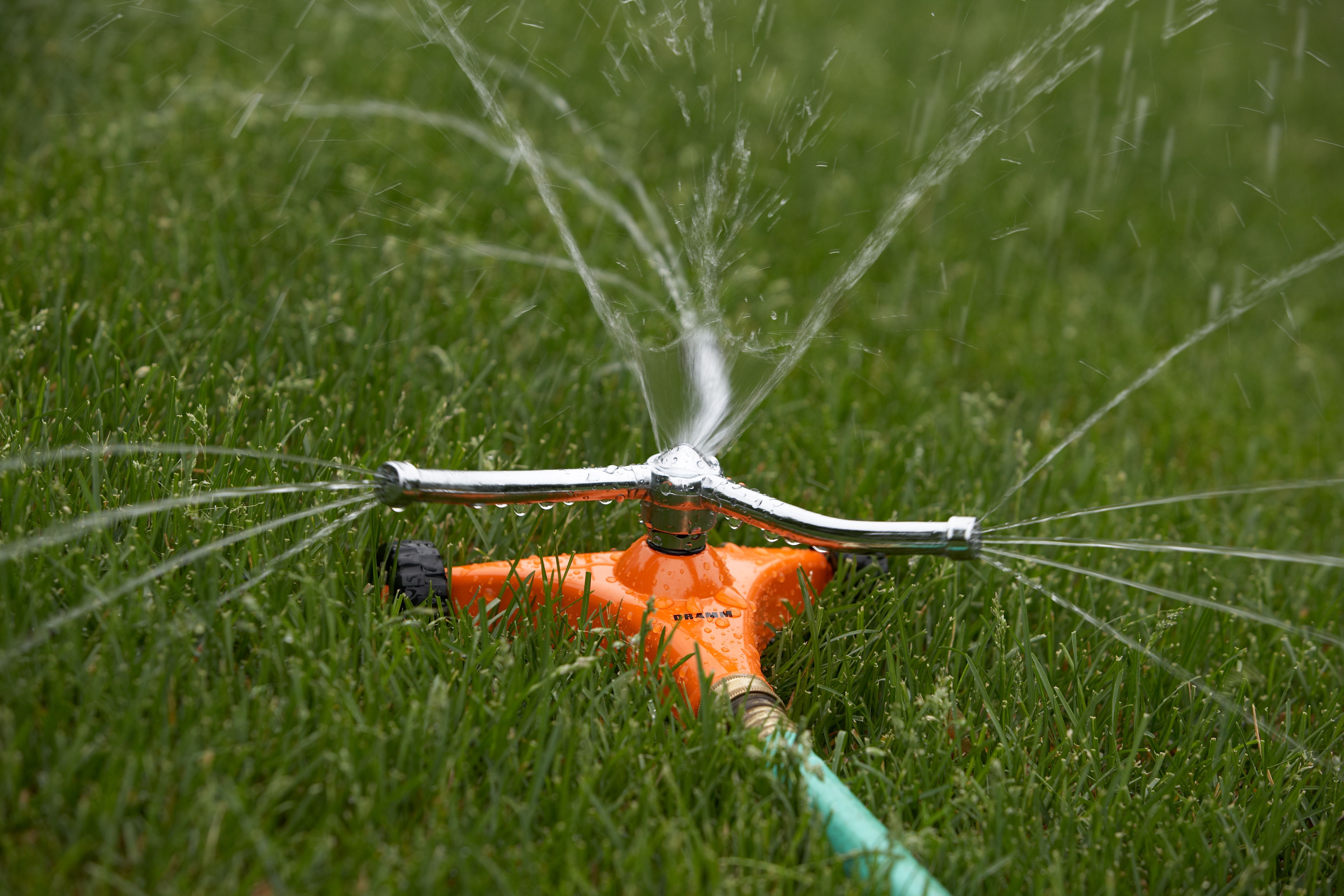
Watering your lawn sounds simple enough: turn on the sprinkler, admire the tiny backyard rainbow, and pretend you are the benevolent weather god of your neighborhood. But the timing matters more than many homeowners realize. Water at the right time, and your grass gets a deep, healthy drink. Water at the wrong time, and much of that precious moisture may evaporate, blow onto the sidewalk, or sit on grass blades long enough to invite problems.
So, what is the best time of day to water your lawn? For most homeowners, the answer is early morning, ideally between about 4 a.m. and 10 a.m., with the sweet spot often falling before the day becomes hot, sunny, and windy. Early morning gives water time to soak into the soil before evaporation ramps up, while also allowing grass blades to dry as the sun rises. In plain English: your lawn gets the water, not the atmosphere.
This guide explains why morning watering works so well, when evening or night watering may be acceptable, why midday watering is usually a wasteful habit, and how to water deeply without turning your yard into a swampy tribute to poor planning.
Why Early Morning Is the Best Time to Water Your Lawn
The best time to water grass is early in the morning because the conditions are naturally more lawn-friendly. Temperatures are cooler, winds are usually lighter, and humidity is often higher than it will be later in the day. That combination helps more water reach the soil instead of disappearing into the air or drifting into your driveway.
Early morning lawn watering also supports healthier turf. When you water before sunrise or shortly after, moisture can soak into the root zone while the grass blades still have time to dry during the day. This is important because grass that stays wet for long periods, especially overnight in humid climates, may be more vulnerable to certain turf diseases.
Another advantage is water pressure. In many neighborhoods, outdoor water use is lower before the day gets busy. That can mean better sprinkler coverage, fewer weak sprays, and less patchy watering. Your lawn does not care about your morning coffee schedule, but it does appreciate a sprinkler that actually reaches the dry corner by the mailbox.
The Ideal Lawn Watering Window
For many lawns, a practical watering window is between 4 a.m. and 10 a.m. If you use an automatic irrigation system, setting it to start before sunrise can be a smart move. If you water manually, aim for the earliest realistic time you can manage. No one expects you to stand outside at 4:32 a.m. holding a hose like a sleepy garden statue, but watering before the heat of the day is the goal.
Best Overall Time: 4 a.m. to 8 a.m.
This is often the strongest window for lawn irrigation. Temperatures are low, wind is usually calm, and the water has a better chance of soaking deeply into the soil. For homeowners using sprinklers, this time also reduces evaporation and improves irrigation efficiency.
Still Good: 8 a.m. to 10 a.m.
If the earliest morning hours are not possible, watering between 8 a.m. and 10 a.m. can still work well, especially in mild weather. Just watch for wind and rising temperatures. Once the sun gets stronger, your sprinkler starts competing with evaporation, and evaporation is annoyingly good at its job.
Less Ideal: Late Evening
Evening watering can reduce evaporation compared with midday watering, but it comes with a trade-off. In humid regions, water may remain on grass blades overnight, which can create a more favorable environment for disease. If evening is your only option, water early enough that the grass has some time to dry before night settles in.
Usually Worst: Midday and Afternoon
Watering during the hottest part of the day is usually the least efficient choice. Heat, sun, and wind can steal moisture before it reaches the roots. Your lawn may receive less water than you think, and your water bill may develop a personality problem.
Is It Bad to Water Your Lawn at Night?
Night watering is a little more nuanced than many people think. Some turf experts note that late-night or very early-morning irrigation can be efficient because evaporation is low and wind is calmer. In drier climates, watering during late evening or overnight may not automatically create disease problems, especially when irrigation is properly timed and not excessive.
However, for the average homeowner looking for the simplest, safest rule, early morning is still the better default. It gives you the efficiency benefits of cool conditions while reducing the chance that grass blades stay wet all night. This is especially useful in humid areas, shaded lawns, dense turf, or yards that already struggle with fungal issues.
Think of night watering as a tool, not a universal rule. It can work in some climates and irrigation systems, but morning watering is easier to recommend broadly because it balances water conservation, turf health, and practical lawn care.
How Often Should You Water Your Lawn?
The best lawn watering schedule is usually deep and infrequent rather than light and daily. Most established lawns perform better when water reaches several inches into the soil, encouraging deeper roots. A shallow sprinkle every day may look productive, but it can train roots to stay near the surface, where they are more vulnerable to heat and drought.
A common target for many established lawns is about 1 inch of water per week, including rainfall. Some lawns need less, while others may need more depending on grass type, soil, slope, weather, and local water restrictions. Sandy soil dries quickly and may need smaller, more frequent watering sessions. Clay soil holds water longer but absorbs it slowly, so watering too fast can cause runoff.
Instead of watering by guesswork, use a rain gauge or the classic tuna-can test. Place a few straight-sided cans around the lawn, run your sprinkler, and measure how long it takes to collect about half an inch of water. That gives you a real-world idea of how long your system needs to run. It is not glamorous science, but it worksand it gives empty cans a second career.
Signs Your Lawn Needs Water
Your lawn will often tell you when it is thirsty. The trick is learning to read the signs before the grass becomes crispy enough to sound like breakfast cereal.
Footprints Stay Visible
When grass has enough moisture, blades usually bounce back after being stepped on. If footprints remain visible for a long time, the turf may be under drought stress.
Color Turns Dull or Bluish-Green
Healthy grass usually has a lively green color. When it starts looking dull, grayish, or bluish-green, it may be conserving moisture and slowing growth.
Soil Feels Dry Several Inches Down
Surface soil can dry quickly, so do not judge only by the top crust. Check moisture a few inches below the surface. If the root zone is dry, it is probably time to water.
Grass Blades Fold or Wilt
Wilting or folding blades are another sign that grass is trying to reduce water loss. Watering deeply in the early morning can help the lawn recover more effectively.
How Long Should You Water Your Lawn?
There is no perfect number of minutes that works for every lawn because sprinkler output varies dramatically. One sprinkler may apply half an inch in 20 minutes, while another may need twice as long. Soil type also changes the answer. Sandy soil absorbs quickly but dries quickly. Clay soil absorbs slowly and may need watering in cycles to prevent runoff.
As a starting point, many homeowners water one or two times per week, applying enough moisture to reach the root zone. If water begins running into the street before the lawn receives enough, use cycle-and-soak watering. Run the sprinkler for a shorter period, pause to let water soak in, then run it again. This is especially helpful on slopes or compacted soil.
The goal is not to keep the lawn constantly wet. The goal is to water deeply enough that roots grow downward, creating turf that can better handle hot afternoons, missed rain, and the occasional backyard soccer match that gets way too competitive.
Morning Watering vs. Evening Watering
Morning watering is usually best because it gives the lawn a complete hydration cycle: water enters the soil, roots absorb moisture, and grass blades dry during daylight. It reduces evaporation compared with midday watering and avoids many of the concerns associated with wet grass overnight.
Evening watering can be acceptable when mornings are impossible, but timing matters. Watering at 6 p.m. on a breezy, dry evening is different from watering at 10 p.m. in a humid, shaded yard. The first may dry reasonably well. The second may keep the lawn damp for hours. If your region has high humidity or your yard gets limited sun, morning is the safer choice.
If your local water rules only allow certain watering windows, always follow those restrictions. In drought-prone areas, municipalities may limit irrigation times or days. A beautiful lawn is nice; a fine for watering at the wrong time is less charming.
Common Lawn Watering Mistakes to Avoid
Watering Every Day for a Few Minutes
This is one of the most common mistakes. Short daily watering encourages shallow roots and can make grass less resilient. Deep, less frequent watering is usually better for established lawns.
Watering During Windy Weather
Wind can blow sprinkler spray away from your lawn and onto sidewalks, cars, fences, or your neighbor’s unsuspecting garden gnome. If it is windy, wait for calmer conditions.
Ignoring Rainfall
Your irrigation schedule should change when it rains. A rain gauge, smart controller, or soil moisture sensor can help prevent unnecessary watering.
Letting Water Run Off the Lawn
If water is flowing down the curb, your lawn is not absorbing it. Use shorter watering cycles, aerate compacted soil, or adjust sprinkler output.
Spraying Pavement
Sprinklers should water grass, not concrete. Adjust heads so water lands where roots can use it. Sidewalks are famously bad at photosynthesis.
How Grass Type Affects Watering Time
Cool-season grasses such as Kentucky bluegrass, tall fescue, and perennial ryegrass often grow actively in spring and fall but may slow down or go dormant during summer heat. Warm-season grasses such as bermudagrass, zoysiagrass, centipedegrass, and St. Augustinegrass usually thrive in warmer weather but still need thoughtful watering during dry periods.
The best time of day to water remains similar for both groups: early morning is generally the top choice. What changes is the frequency and amount. Warm-season grasses may tolerate heat better, while cool-season lawns may show drought stress sooner in summer. Local climate matters, too. A lawn in humid Georgia behaves differently from one in dry Colorado or eastern Oregon.
Smart Tools That Make Lawn Watering Easier
If you want a healthier lawn without turning irrigation into a part-time job, a few simple tools can help. A rain gauge shows how much water your lawn receives from storms and sprinklers. A soil moisture meter can help you avoid watering when the root zone is already damp. A smart irrigation controller can adjust schedules based on weather or soil moisture, reducing waste.
Pressure-regulated sprinkler bodies and properly adjusted heads can also improve efficiency. High water pressure can create misting, which looks dramatic but wastes water. Sprinkler heads should be aimed away from pavement, patios, and driveways. If half your irrigation lands on the sidewalk, your lawn is basically sharing its drink with a rock.
Seasonal Lawn Watering Tips
Spring
In spring, rainfall may provide much of the moisture your lawn needs. Water only when the soil is dry and grass shows signs of stress. Overwatering in spring can encourage shallow roots and create soggy conditions.
Summer
Summer is when timing matters most. Water early in the morning, avoid windy afternoons, and pay attention to heat waves. Some lawns may naturally go dormant during hot, dry periods. Dormancy is not the same as death, but dormant lawns may still need occasional moisture to survive prolonged drought.
Fall
Fall is an excellent season for root growth in many lawns. Continue watering if rainfall is limited, especially after overseeding or aeration. Morning watering remains the best choice.
Winter
In many regions, established lawns need little or no irrigation during winter. However, dry winter climates may require occasional watering when the ground is not frozen. Always follow local recommendations for your area.
Real-World Experiences: What Homeowners Learn After Watering the Hard Way
Most people do not become lawn-watering experts because everything goes perfectly. They learn because the front yard develops one mysterious brown triangle, the sprinkler waters the mailbox with impressive dedication, or the grass looks thirsty even though the water bill says otherwise. Lawn care has a way of turning ordinary homeowners into backyard detectives.
One common experience is discovering that “more water” is not always the answer. A homeowner may see dry patches and respond by running the sprinkler every evening for ten minutes. At first, this feels responsible. The lawn is getting daily attention, almost like a pet with roots. But after a few weeks, the grass may still look stressed because the water never reaches deep into the soil. The roots stay shallow, the top layer dries quickly, and the lawn becomes dependent on constant sipping instead of strong, deep hydration.
Another lesson comes from uneven sprinkler coverage. Many yards have one zone that gets soaked and another that barely receives a polite mist. The result is a lawn with green islands and brown continents. Homeowners often assume the dry area needs longer watering, but the real fix may be adjusting sprinkler heads, cleaning clogged nozzles, or changing the angle of spray. Sometimes the best lawn improvement is not more waterit is better aim.
People also learn quickly that watering at midday can be disappointing. You can run the sprinkler under a blazing afternoon sun and feel productive, but the results may be underwhelming. The lawn may still look tired by evening because heat and wind stole part of the irrigation before it reached the roots. After switching to early morning watering, many homeowners notice that the same amount of water seems to work better. That is not magic. It is timing.
Evening watering teaches its own lessons. In dry climates, it may work reasonably well, especially when local rules encourage later watering. But in humid areas or shaded lawns, repeated late watering can leave grass damp for too long. Homeowners may start seeing thinning areas, musty smells, or disease-prone patches. The solution is often simple: move irrigation earlier, water less frequently, and improve airflow by mowing at the proper height and reducing excess thatch.
A practical experience many lawn owners share is the value of the rain gauge. Without one, irrigation becomes guesswork. A storm may feel heavy, but the lawn might receive only a quarter inch. Another storm may quietly deliver a full inch while the irrigation system still runs the next morning like nothing happened. A simple rain gauge helps homeowners adjust instead of watering on autopilot.
The biggest lesson is that the best lawn watering schedule is flexible. A healthy lawn does not need the exact same watering every week of the year. It needs attention to weather, soil, grass type, and signs of stress. Early morning is the best starting point, but smart watering means observing the yard and making small adjustments. In other words, your lawn does not need you to panic. It just needs you to stop watering the driveway.
Conclusion
The best time of day to water your lawn is early morning, usually between 4 a.m. and 10 a.m. This timing reduces evaporation, limits wind drift, supports deeper soil moisture, and gives grass blades time to dry during the day. Midday watering is usually inefficient, while late evening or night watering may work in some climates but can be risky in humid or shaded conditions.
For the healthiest lawn, water deeply and infrequently, adjust for rainfall, avoid runoff, and make sure your sprinkler system waters the grass instead of the street. A good watering routine is not about giving your lawn constant attention. It is about giving it the right drink at the right time.
Note: This article is written for general homeowner lawn care education. Always follow local watering rules, drought restrictions, and regional turf recommendations for your area.











