
I did not wake up one morning thinking, “Today is the day I become a person who owns a tiny photo printer.” Nobody does. That is not a personality trait you plan for; it is a personality trait that happens to you somewhere between scrolling through your camera roll and convincing yourself that a $99 gadget is basically self-care with Bluetooth.
And yet, after one impulse purchase, one charging cable, and one suspiciously cheerful app setup process, I became exactly that person. I bought a pocket-sized photo printer, the kind that turns phone pictures into 2-by-3-inch sticky-backed prints, and it has become one of the most unexpectedly useful little gadgets I own.
No, it does not replace a professional photo lab. No, it will not produce gallery-quality prints that make relatives whisper, “Ansel Adams has returned.” But that is not the point. The magic of an impulse-buy photo printer is not perfection. It is immediacy. It takes the photos trapped in your phone and gives them jobs: decorating journals, brightening walls, living inside birthday cards, sticking to laptops, and proving that yes, you really did once make pancakes shaped like a confused dinosaur.
Why a $99 Photo Printer Feels More Useful Than It Should
Most of us take more photos than we can possibly enjoy. Our phones are museums with no visitors. We capture meals, trips, pets, sunsets, school events, receipts, outfits, plants we swear we will keep alive, and random screenshots of things we forgot mattered. Then those images sink into the endless swamp of “Recents,” where they live between blurry parking signs and accidental pictures of our shoes.
A mini photo printer changes the relationship. Instead of saving memories for some imaginary future day when you will “organize everything,” you print one right now. That single action turns a digital moment into an object. Suddenly, the photo is not buried behind a passcode. It is on your fridge, in your planner, inside a thank-you note, or taped to the side of your monitor like a tiny emotional support rectangle.
That is why the best portable photo printer is not always the one with the sharpest image quality. For everyday use, the best one is often the one you actually use. A small smartphone photo printer wins because it is simple enough to become a habit.
What Kind of Photo Printer Are We Talking About?
The $99-ish category usually includes compact printers such as the Canon IVY, HP Sprocket, Kodak Step, and similar pocket photo printers. Most connect to a phone through Bluetooth and use a companion app for cropping, filters, borders, stickers, text, and basic editing. Many use ZINK photo paper, which stands for “zero ink.” Instead of ink cartridges, toner, or ribbons, the color is built into the paper and activated by heat during printing.
That means the printer itself is delightfully low-maintenance. You charge it, load the paper, connect the app, and print. There is no ink cartridge to dry out at the exact moment you need it, because printers love drama. The paper often comes with a peel-and-stick back, turning each print into a mini sticker. For journaling, scrapbooking, travel notebooks, party favors, and memory boards, this is wildly convenient.
The common print size is 2 by 3 inches. That is small, yes. If a traditional 4-by-6 photo is a postcard, this is its fun-size cousin who owns glitter pens. But the size is also part of the charm. These prints fit into wallets, planners, phone cases, locker doors, gift tags, recipe cards, and photo walls without requiring a full interior design meeting.
The Real Appeal: Printing Before the Feeling Disappears
The reason this little gadget earned its place in my life is timing. A normal photo-printing workflow has too many steps: choose photos, upload them somewhere, select sizes, wait, pick them up, forget where you put them, rediscover them during a drawer-cleaning crisis. With a mini photo printer, the feeling is still fresh when the print appears.
That matters. A funny photo from dinner can become a keepsake before everyone goes home. A travel picture can go into a journal the same night instead of three months later when you can no longer remember whether that charming café was in Chicago, Denver, or the airport terminal with surprisingly good muffins. A family snapshot can be handed to someone immediately, which feels almost old-fashioned in the best way.
There is something unexpectedly powerful about giving someone a physical photo. Texting an image says, “Here, have a file.” Handing over a print says, “This moment deserved a tiny ceremony.” It is the difference between sending a recipe link and showing up with cookies. Both are useful. Only one makes people smile before they even open their mouth.
Print Quality: Good Enough, Not Museum-Level
Let us be honest: ZINK photo printers are not famous for perfect color accuracy. Dark images can lose detail. Skin tones may shift a little warm or cool. Highly edited photos can print more dramatically than expected, as if the printer looked at your contrast slider and said, “I can make this weirder.”
But for casual memories, the results are usually more than good enough. Bright outdoor photos, pet pictures, food shots, simple portraits, and colorful travel images tend to work best. Low-light photos, heavy shadows, and screenshots with tiny text are less impressive. The trick is to treat the printer like a fun instant camera rather than a professional lab machine.
If you want frame-worthy family portraits, order high-quality 4-by-6 or 5-by-7 prints from a proper photo service. If you want fast, sticky, pocket-sized happiness, a mini photo printer is exactly the chaos goblin you need.
How to Get Better Prints From a Mini Photo Printer
A few small habits improve the results. First, brighten photos slightly before printing. Mini printers often make images darker than they appear on a phone screen. Second, avoid printing photos with important details at the edges because the app may crop to fit the 2-by-3 ratio. Third, choose images with clear subjects. A close-up of your dog wearing a birthday hat will print better than a wide shot of twelve people standing in front of a mountain at dusk.
Also, do not ignore the calibration sheet that comes with some ZINK paper packs. That blue sheet is not decorative printer confetti. It helps the printer align itself with the paper pack, which can improve color and consistency. Tiny printer, tiny ritual.
Why Sticky-Back Photos Are Secretly Brilliant
The peel-and-stick backing is the feature I underestimated most. At first, I thought, “Cute, stickers.” Then I realized sticky photos remove the two biggest barriers to using printed pictures: tape and commitment.
You can stick a print into a journal without hunting for glue. You can add one to a birthday card without creating a craft-table crime scene. You can decorate a travel notebook in a hotel room with nothing but the printer, your phone, and the confidence of someone who definitely packed too many socks.
Sticky-backed prints are especially good for memory-keeping. Instead of writing three pages about a day, you can add one photo and a sentence. That is enough. In fact, it may be better. The photo does the emotional heavy lifting, while your note adds context: “Best ramen of the trip,” “Grandma laughing at the dog,” “The hike that nearly ended our friendship but gave us this view.”
The Cost: Cheap Printer, Not-Free Paper
The printer may cost around $99, but the paper is the ongoing expense. Depending on brand, bundle size, and sales, mini photo paper often lands somewhere around the “not outrageous but not invisible” range per print. Buying larger packs usually lowers the cost. Still, this is not the cheapest way to print photos in bulk.
That is fine because bulk printing is not the point. A pocket photo printer is best for selective printing: one photo from a great day, a few pictures for a scrapbook spread, a quick party souvenir, a small surprise tucked into a letter. If you print 200 photos at once, a photo lab or home inkjet may make more sense. If you print three photos on a Tuesday because life briefly became adorable, the mini printer wins.
Best Uses for an Impulse-Buy Photo Printer
1. Travel Journaling
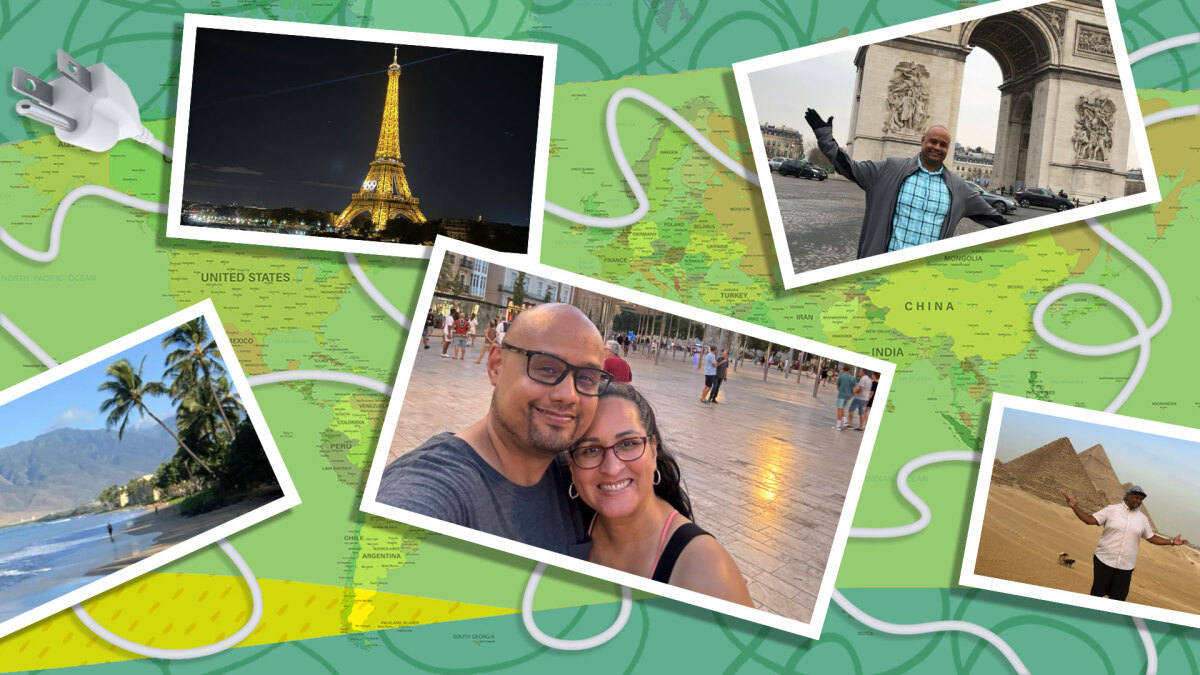
Travel photos are often the biggest victims of digital neglect. You promise yourself you will make an album. Instead, the photos sit in your phone until your storage gets rude. A pocket photo printer lets you print one or two images each day and stick them into a notebook with dates, locations, ticket stubs, and little notes. It turns a trip into a story while the story is still happening.
2. Gifts That Feel Personal
A printed photo instantly upgrades a simple gift. Add a picture to a card, stick one inside a book, or create a tiny memory collage on wrapping paper. It costs very little but feels thoughtful because it is specific. Anyone can buy a candle. Not everyone adds a photo of the recipient laughing so hard they almost dropped nachos.
3. Parties and Family Gatherings
At parties, a mini photo printer becomes a low-pressure photo booth. People take a picture, edit it in the app, print it, and leave with a keepsake. It is less formal than hiring a booth and more fun than promising to “send the pictures later,” which is the social version of putting leftovers in the fridge and never eating them.
4. Scrapbooking and Planning
If you use a planner, bullet journal, scrapbook, or vision board, a smartphone photo printer is a creativity shortcut. Print a meal you cooked, a place you visited, a project you finished, or a mood you want to remember. The photos add texture and personality without requiring advanced artistic skills. Stick photo, write caption, feel like a lifestyle influencer with manageable expectations.
5. Everyday Memory Keeping
Not every memory is a vacation. Sometimes the best prints are ordinary: your messy desk during finals week, the first bloom on a houseplant, your cat sitting in a box clearly too small for its body, a family dinner, a rainy window, a recipe that actually worked. These are the photos that become more meaningful with time because they capture real life, not just highlight-reel life.
Who Should Buy a Mini Photo Printer?
A mini photo printer is a great buy for people who take many phone pictures but rarely print them. It is especially useful for journalers, scrapbookers, students, parents, travelers, teachers, gift-givers, and anyone who enjoys making physical keepsakes. It is also a fun tech gift because it feels playful immediately. You do not need to explain the concept for 20 minutes. You print a picture, peel the back, stick it somewhere, and everyone gets it.
It is not the right choice for someone who needs large prints, professional color accuracy, archival-quality results, or cheap high-volume printing. For that, choose a dedicated photo printer, dye-sublimation printer, inkjet photo printer, or a reputable print service. The pocket printer’s superpower is not technical perfection. Its superpower is making printing easy enough that you actually do it.
What to Look for Before Buying One
Before buying an impulse-buy photo printer, check four things. First, look at the paper type. ZINK printers are low-maintenance and usually sticker-backed, while dye-sublimation models may offer richer color but often require specific cartridges or paper packs. Second, check the app. Since most mini printers rely heavily on mobile apps, a frustrating app can ruin the fun faster than a low battery.
Third, consider print size. A 2-by-3 print is adorable, but it is not ideal for every use. If you want bigger display photos, look at portable printers that produce square prints or 4-by-6 prints. Fourth, check paper availability. The cutest printer in the world becomes a paperweight if replacement paper is always out of stock or oddly expensive.
Why This Tiny Printer Beat My Expectations
I expected the printer to be a novelty. A fun weekend toy. A gadget that would make three prints, then retire to a drawer beside forgotten charging cables and that one fitness tracker from a motivational era of my life. Instead, it became part of how I save memories.
The reason is simple: it lowers the emotional friction. Printing photos used to feel like a project. Now it feels like making toast. Choose image, crop, print, smile. That tiny change matters because the best memory systems are the ones you can maintain on an ordinary day, not just when you have a free weekend and the personality of a professional archivist.
It also made me more intentional with photos. When you know you might print one, you look for moments worth keeping. Not perfect moments. Real ones. A crooked birthday candle. A sleepy dog. A coffee cup on a road trip. The people you love sitting around a table doing absolutely nothing dramatic. Those are often the photos that deserve to escape the camera roll.
Extra Experience Notes: Living With a $99 Photo Printer Longer Than the Honeymoon Phase
After the first burst of excitement, I learned that owning a mini photo printer is less about printing everything and more about building small rituals. I do not use it every day. That would be excessive, and also my walls would start looking like a detective’s evidence board. Instead, I use it when a photo has a clear destination.
One of my favorite uses is the “one-photo recap.” After a weekend trip, a birthday, a school event, or even a very good meal, I choose one image that represents the whole thing. I print it, stick it in a notebook, and write two or three lines. That is it. No pressure to make a perfect scrapbook page. No guilt about the 83 other photos. One image becomes the memory anchor.
The printer also changed how I give small notes. A thank-you card with a printed photo feels instantly warmer. A lunchbox note with a tiny pet picture becomes ridiculous in the best possible way. A holiday card with a casual snapshot feels less stiff than a polished portrait where everyone is wearing coordinated sweaters and smiling like they were threatened with extra chores.
I have also used it for practical things. I printed a photo of a suitcase before a trip and stuck it in my travel journal with packing notes. I printed a picture of a room layout before rearranging furniture. I printed a quick visual reminder for a project board. Not every print has to be sentimental. Sometimes a tiny photo is just a very cute label.
The limitations are real, and they keep expectations healthy. Battery life is not endless. The paper costs enough that I think before printing. The colors are charming but occasionally dramatic. The app can make you crop more aggressively than expected. But none of those issues ruined the experience because the printer never promised to be a professional studio. It promised to be fast, portable, and fun. On that, it delivers.
My biggest advice is to buy the printer only if you already know where the photos will go. If you journal, scrapbook, decorate, send cards, travel often, teach, craft, or love making personal gifts, you will probably use it. If you only want a few large prints for frames, skip it and order proper photo prints instead. The magic of a mini photo printer appears when it fits into your actual habits.
For me, the $99 was not really spent on hardware. It was spent on getting memories out of my phone before they disappeared into the digital basement. It was spent on tiny prints, quick smiles, and the satisfying little moment when a picture slides out of the printer like the world’s smallest souvenir. As impulse buys go, that is not bad. That is practically responsible. At least, that is what I will continue telling myself.
Final Verdict: A Small Gadget With Big Memory Energy
The best $99 I ever spent was not on the most powerful device, the most advanced camera accessory, or the most practical household tool. It was on an impulse-buy photo printer that made my digital life feel a little more physical. In a world where thousands of photos can vanish into cloud storage and never be seen again, there is something wonderfully stubborn about printing one tiny picture and sticking it somewhere real.
A pocket photo printer will not make every image perfect. It will not replace professional prints. It will not magically organize your camera roll, although frankly, someone should invent that and send help. But it will make memory-keeping easier, faster, and more fun. And sometimes, that is exactly what a gadget should do.
Note: This article is an original, web-ready synthesis based on current product information and common real-world review patterns for portable smartphone photo printers, including ZINK-based mini printers, Bluetooth photo printers, sticky-backed 2-by-3 prints, and app-based mobile printing workflows.












