
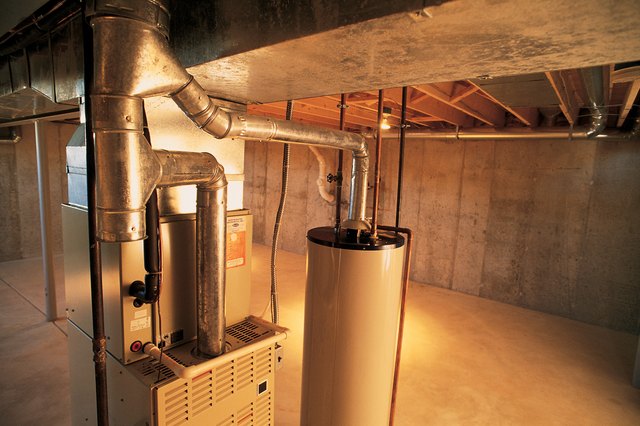
An unfinished basement may not sparkle like a designer media room with recessed lighting, built-in cabinets, and a sofa so expensive everyone is afraid to sit on it. But let’s be honest: not every square foot in a home needs to wear a tuxedo. Sometimes the most useful space is the one with concrete floors, exposed beams, visible pipes, and zero interest in pretending to be a guest suite.
For many American homeowners, an unfinished basement is not a problem waiting to be “fixed.” It is flexible square footage, practical storage, easier home maintenance, and future potential all rolled into one gloriously unpolished package. It can hold holiday decorations, sports gear, pantry overflow, tools, laundry, mechanical systems, and the mysterious box labeled “miscellaneous” that nobody has opened since 2014.
Better yet, an unfinished basement gives homeowners options. You can use it today, improve it gradually, monitor moisture more easily, access utilities without tearing open finished walls, and decide later whether a full basement remodel actually makes sense. In other words, unfinished basements are the sweatpants of home design: not fancy, but deeply useful, comfortable, and surprisingly hard to give up.
What Is an Unfinished Basement?
An unfinished basement is a below-grade or partially below-grade area that has not been converted into fully finished living space. It typically has exposed joists, visible ductwork, concrete or block walls, a concrete slab floor, open utility lines, and minimal decorative treatment. Some unfinished basements are clean and organized; others look like a hardware store had a dramatic breakup with a storage unit.
Unlike a finished basement, an unfinished basement is usually not counted as polished living space in the same way as bedrooms, family rooms, or offices. It may not have finished flooring, drywall, heating and cooling upgrades, egress windows, or code-compliant features required for sleeping areas. But that does not mean it lacks value. Its biggest advantage is usefulness without commitment.
1. Unfinished Basements Offer Affordable Extra Space
One of the biggest advantages of unfinished basements is simple: they provide extra usable space without the cost of a major renovation. Finishing a basement can be expensive because it may involve framing, insulation, drywall, flooring, electrical work, HVAC improvements, permits, moisture control, lighting, ceiling treatments, and sometimes plumbing. By keeping the basement unfinished, homeowners can still use the space without turning it into a full construction project.
This matters because many families need more room long before they are ready to spend remodeling-level money. An unfinished basement can function as storage, a home gym, a laundry zone, a hobby area, a tool station, or a seasonal staging space. You do not need luxury vinyl plank flooring to store camping gear. You do not need designer wallpaper to keep a freezer full of bulk groceries. The basement does not care whether your storage bins match, and frankly, that is part of its charm.
2. It Is Excellent for Storage
If American homes had a national sport, it might be “finding somewhere to put things.” Unfinished basements are champions at this. They are especially useful for items that are too bulky, awkward, or seasonal for closets and garages.
Great Uses for Basement Storage
An unfinished basement can store holiday decorations, luggage, sports equipment, tools, extra furniture, bulk paper goods, canned food, gardening supplies, paint cans, home maintenance items, and children’s keepsakes. With metal shelving, clear bins, wall hooks, and simple labels, even a plain basement can become a surprisingly efficient storage system.
The key is to avoid placing sensitive items directly on the concrete floor. Basements can experience humidity, seepage, or temperature swings, so raised shelving and airtight containers are smart choices. Cardboard boxes may be cheap, but they have the survival instincts of a wet napkin. Plastic bins with lids are usually the better long-term option.
3. Home Maintenance Is Easier
A finished basement may look beautiful, but it can hide the home’s mechanical systems behind drywall, ceilings, and trim. An unfinished basement leaves many of those systems visible and accessible. That can make inspections, repairs, upgrades, and troubleshooting much easier.
Plumbers can reach pipes. Electricians can trace wires. HVAC technicians can access ducts. Homeowners can spot a small leak before it becomes a soggy surprise. When something goes wrong in a house, visible systems are often a blessing. Nobody enjoys hearing the phrase, “We may need to cut into the wall.” In an unfinished basement, there may be no wall to cut into, which is a tiny miracle with a utility light.
Visible Systems Can Save Time
Because pipes, drains, valves, ductwork, and wiring are easier to see, homeowners can monitor their homes more effectively. A slow drip under a bathroom, condensation on cold pipes, a foundation crack, or a suspicious stain on the floor is easier to notice in an unfinished basement than behind finished materials. Early detection can help reduce damage and repair costs.
4. Moisture Problems Are Easier to Detect
Basements are naturally more vulnerable to moisture than above-grade rooms. They sit near soil, foundation walls, drainage systems, and groundwater movement. In a finished basement, moisture can hide behind drywall, under flooring, or inside insulation. In an unfinished basement, warning signs are often more visible.
That visibility is a major advantage. Homeowners can look for damp spots, musty smells, efflorescence on concrete, peeling coatings, puddles near foundation walls, rusty metal, or water marks after heavy rain. The sooner moisture is noticed, the sooner it can be addressed through grading improvements, gutter maintenance, downspout extensions, dehumidification, air sealing, sump pump maintenance, or foundation repairs.
Moisture control is not glamorous, but neither is replacing moldy drywall. An unfinished basement gives homeowners a clearer view of what the house is doing below ground level, which can help prevent small problems from becoming expensive ones.
5. It Gives You Future Remodeling Flexibility
An unfinished basement is like a blank notebook. It may not look impressive yet, but the potential is sitting right there. Homeowners can decide later whether to create a guest room, media room, home office, playroom, workshop, gym, wine storage area, laundry room, or rental-style suite where local codes allow.
This flexibility is valuable because family needs change. A couple may not need a finished basement today, but five years from now they may want a teen hangout, a remote-work office, or a hobby room. Keeping the basement unfinished preserves options. It also gives homeowners time to understand the basement’s moisture patterns, temperature behavior, ceiling height, lighting needs, and layout possibilities before investing in finishes.
Planning Before Finishing Pays Off
Rushing into a basement remodel can lead to expensive mistakes. A homeowner may finish the walls before solving drainage problems, install flooring before checking humidity, or build a bedroom without proper egress. With an unfinished basement, there is time to plan the right way: address water first, evaluate insulation, improve lighting, map utilities, and understand building code requirements.
6. It Can Support Energy Improvements
An unfinished basement can be a practical starting point for energy upgrades. Because many areas are exposed, homeowners and contractors may be able to inspect rim joists, foundation walls, ductwork, penetrations, and gaps where air leakage occurs. Air sealing and insulation improvements can help the home feel more comfortable and may reduce energy waste when done properly.
For example, sealing gaps around plumbing penetrations, wiring holes, and rim joist areas can reduce drafts between the basement and the living space above. Insulating basement walls or rim joists may also improve comfort, depending on climate, construction type, and local code. The advantage of an unfinished basement is access. You can see the bones of the house, which makes targeted upgrades more practical.
Of course, insulation in basements must be chosen carefully because moisture matters. Materials and installation methods should fit the home’s climate, foundation type, and water-management conditions. Translation: do not simply slap fluffy insulation against a damp wall and hope for the best. Basements appreciate optimism, but they respect building science more.
7. It Works Well as a Utility and Laundry Zone
Many unfinished basements are natural homes for laundry areas, water heaters, furnaces, boilers, electrical panels, sump pumps, water filtration systems, and storage freezers. Keeping these functions in an unfinished space makes practical sense. Appliances are easier to access, floors are more forgiving, and a small spill is less catastrophic than it would be on carpet.
A basement laundry area can be upgraded without fully finishing the entire basement. Homeowners can add better lighting, shelving, a folding table, waterproof flooring in a limited area, or a utility sink. These improvements can make the space more pleasant while preserving the basement’s practical character. It is not an all-or-nothing situation.
8. It Is Ideal for Workshops and Hobbies
Unfinished basements are wonderfully forgiving. Want to build shelves? Repair a bike? Refinish a chair? Organize tools? Set up a craft table? Assemble a model train world of suspiciously intense detail? An unfinished basement can handle it.
Concrete floors and open walls make the space easier to adapt for messy or equipment-heavy activities. Pegboards, workbenches, utility lighting, and storage racks can transform a plain basement into a productive workshop. The space does not need to look magazine-perfect to be useful. In fact, for many hobbies, too much polish is a disadvantage. Nobody wants to sand a door next to a cream-colored sectional.
Safety Still Matters
Workshop use should be planned carefully. Good lighting, ventilation, dust control, proper electrical capacity, safe tool storage, and clear walking paths are important. Paints, solvents, fuel, and chemicals should be stored according to label directions and local safety rules. An unfinished basement can be a great work zone, but it should not become a chaotic cave of extension cords and questionable decisions.
9. It Helps Keep Finished Areas Less Cluttered
Homes feel calmer when everyday living areas are not overloaded with overflow items. An unfinished basement can absorb the clutter pressure that otherwise lands in bedrooms, hall closets, garages, and living rooms. When used wisely, it becomes a behind-the-scenes support system for the entire house.
This is especially helpful for families with kids, pets, hobbies, sports equipment, or holiday decorations. A basement storage zone can keep the upstairs cleaner and more functional. It also makes seasonal transitions easier. When summer ends, fans, pool toys, patio cushions, and camping gear can head downstairs. When winter arrives, snow gear, wreaths, and gift wrap can rotate into action. The basement becomes the home’s backstage crew, and the upstairs gets to take the applause.
10. It May Reduce Remodeling Pressure
Homeowners are often told that every unfinished space must be converted into something “better.” But better depends on lifestyle, budget, and priorities. A finished basement can be wonderful, but it is not automatically the smartest choice for every household.
Leaving a basement unfinished may allow homeowners to spend money where it matters more: roof repairs, HVAC replacement, kitchen updates, debt reduction, emergency savings, or college funds. The practical value of unfinished space can be higher than the emotional appeal of a remodel that strains the budget.
There is also less pressure to keep the space spotless. Finished basements often become another room to furnish, heat, cool, clean, decorate, insure, and maintain. An unfinished basement asks for less. Sweep the floor, control moisture, keep pests out, organize the shelves, and it remains useful.
11. It Can Be Safer for Certain Types of Storage
Because unfinished basements often have concrete floors and fewer decorative materials, they can be better suited for some storage and maintenance uses than finished living areas. Tools, outdoor equipment, bins, cleaning supplies, and mechanical components may be more appropriate in a utility-style space than in a carpeted recreation room.
However, homeowners should avoid treating the basement as a dumping ground for anything and everything. Important documents, photographs, electronics, delicate fabrics, and valuable furniture may not belong in a damp or temperature-variable environment. The best basement storage plan separates durable items from moisture-sensitive items and keeps everything off the floor when possible.
12. It Gives Buyers a Sense of Possibility
In real estate, finished basements can add appeal, but unfinished basements can also attract buyers who want flexibility. Some buyers prefer to design the space themselves instead of paying for someone else’s taste. One person’s dream basement theater is another person’s “Why is there a popcorn machine where my workshop should be?”
An unfinished basement lets buyers imagine their own plans. They may see a future gym, office, playroom, storage area, or hobby space. If the basement is dry, clean, well-lit, and organized, it can feel like a bonus rather than a burden. The key is presentation. A tidy unfinished basement with clear walkways and visible systems can look practical and promising.
13. It Can Make Inspections More Transparent
During home inspections, unfinished basements can provide valuable access to foundation walls, framing, plumbing, electrical systems, and mechanical equipment. This transparency can help buyers and homeowners understand the home’s condition more clearly.
Finished basements sometimes hide foundation cracks, previous water issues, poor insulation, or makeshift repairs. An unfinished basement is more honest. It may not be glamorous, but it shows its work. That can make it easier to identify needed repairs and plan improvements based on reality rather than guesswork.
14. It Supports Gradual, Budget-Friendly Improvements
Another advantage of unfinished basements is that they can be improved in stages. You do not need to remodel the entire area at once. A homeowner might start by cleaning and decluttering, then add brighter LED lighting, then install shelving, then improve air sealing, then paint masonry walls with appropriate products, then create a laundry zone or workshop corner.
Small improvements can dramatically change how the basement functions. A few sturdy shelves, a dehumidifier, better lighting, wall hooks, and labeled bins can turn a gloomy storage pit into a highly functional space. It may still be unfinished, but it becomes intentional. There is a big difference between “unfinished basement” and “basement where old furniture goes to retire in confusion.”
15. It Encourages Practical Home Awareness
Homeowners who use their unfinished basements regularly tend to notice changes. They hear the sump pump run. They see whether humidity rises in summer. They know where the main water shutoff is. They spot cracks, leaks, pests, odors, or appliance issues earlier. This practical awareness is underrated.
A house is not just paint colors and furniture. It is a system of structure, drainage, air movement, mechanical equipment, and maintenance routines. An unfinished basement keeps that system visible. It reminds homeowners that a well-maintained home is not only beautiful; it is dry, safe, efficient, and repairable.
Common Mistakes to Avoid With Unfinished Basements
Ignoring Moisture
The biggest mistake is pretending basement moisture is harmless. A damp smell, water stain, or recurring puddle should be investigated. Moisture can damage stored belongings and contribute to mold growth. Gutters, downspouts, grading, sump pumps, foundation cracks, and indoor humidity all deserve attention.
Using the Floor as a Shelf
Concrete floors are not ideal for cardboard boxes, fabric, books, or electronics. Use shelving, pallets, wall racks, and sealed plastic bins. Keeping items elevated improves airflow and protects belongings from minor water events.
Blocking Access to Utilities
Do not stack boxes in front of electrical panels, water shutoffs, furnaces, boilers, water heaters, or sump pumps. In an emergency, you do not want to climb over Halloween decorations to reach the shutoff valve.
Finishing Too Soon
Before finishing a basement, solve moisture problems, confirm code requirements, plan egress where needed, and understand insulation and ventilation needs. A beautiful basement built on unresolved water issues is just an expensive sponge with recessed lighting.
Practical Ways to Make an Unfinished Basement More Useful
You can improve an unfinished basement without turning it into a finished living area. Start with cleaning, moisture control, and organization. Remove items you no longer need. Sweep or vacuum dust. Check for leaks. Add a hygrometer to monitor humidity. Use a properly sized dehumidifier if needed. Install bright, efficient lighting so the basement feels less like a movie scene where someone says, “I’ll be right back,” and absolutely should not.
Next, create zones. Put storage in one area, laundry in another, tools in another, and seasonal items in another. Use shelves instead of floor piles. Label bins clearly. Keep a clear path to every mechanical system. Add rubber mats where you stand often, such as near a workbench or laundry area. Consider painting walls or floors only after confirming products are appropriate for basement conditions.
These small changes can make an unfinished basement cleaner, safer, and more pleasant without sacrificing its practical advantages.
Experience-Based Insights: Living With an Unfinished Basement
Anyone who has lived with an unfinished basement for a while learns that its value is not always obvious on day one. At first, it may look plain, maybe even a little intimidating. The pipes are exposed, the ceiling is open, and the lighting may not be doing anyone any favors. But after a few months, the basement starts proving itself in quiet, practical ways.
One of the biggest real-life advantages is how often the space solves everyday problems. When guests come over and the living room needs to look human again, the basement can temporarily hold extra chairs, folding tables, toy bins, and the vacuum cleaner that somehow always ends up in the wrong place. During holiday seasons, it becomes command central for decorations, gift wrap, storage totes, and the artificial tree that refuses to fit back into its original box no matter how confidently you try.
An unfinished basement also teaches homeowners to be more aware of their house. You start noticing how the home behaves during heavy rain, humid weather, snowmelt, or sudden temperature changes. You learn where water might collect, which corner feels cooler, how often the dehumidifier runs, and whether the sump pump sounds normal. That knowledge can be incredibly useful. Instead of being surprised by problems, you develop a kind of homeowner radar.
Another experience many people appreciate is the freedom to be practical rather than precious. In a finished room, every scratch, spill, and scuff feels like a personal insult from the universe. In an unfinished basement, daily life is less dramatic. Need to assemble furniture? Do it downstairs. Need to sort old boxes? Spread them out. Need to store muddy boots, garden tools, or extra paint? The basement can handle it. Concrete is not easily offended.
Families often find that an unfinished basement becomes a pressure-release valve for the rest of the house. Kids’ sports equipment, school projects, camping gear, pet supplies, bulk groceries, and off-season clothes all need somewhere to go. Without basement storage, those items often invade closets, garages, bedrooms, and hallways. With a basement, the main living areas can stay cleaner and calmer.
Homeowners who enjoy DIY projects may love the basement even more. It offers space to test ideas without turning the dining room into a workshop. You can build shelves, repair a chair, organize tools, or set up a potting bench. The space encourages experimentation. It says, “Go ahead, try it,” which is not something a freshly remodeled family room usually says.
The best lesson is that unfinished does not have to mean neglected. A basement can remain unfinished and still be clean, organized, dry, bright, and genuinely useful. In fact, many homeowners eventually realize they do not need a luxury remodel at all. They need shelves, lighting, moisture control, clear pathways, and a plan. Once those basics are in place, the unfinished basement becomes one of the hardest-working areas in the home.
Conclusion: Unfinished Basements Deserve More Credit
The advantages of unfinished basements are practical, financial, and surprisingly powerful. They offer affordable extra space, excellent storage, easier maintenance access, moisture visibility, remodeling flexibility, energy-upgrade opportunities, and a place for hobbies, laundry, tools, and seasonal gear. They may not win a beauty contest against a fully finished basement, but they can absolutely win the “most useful room nobody brags about” award.
For homeowners, the smartest approach is not always to finish the basement immediately. Sometimes the better move is to understand it, organize it, maintain it, and improve it gradually. A clean, dry, well-lit unfinished basement can support the entire home while preserving future possibilities. It is not wasted space. It is working space. And in a busy household, that may be the most valuable kind of space there is.
Note: This article is written for general home-improvement education. Before making structural, electrical, plumbing, insulation, or basement finishing changes, homeowners should check local building codes and consult qualified professionals when needed.












