
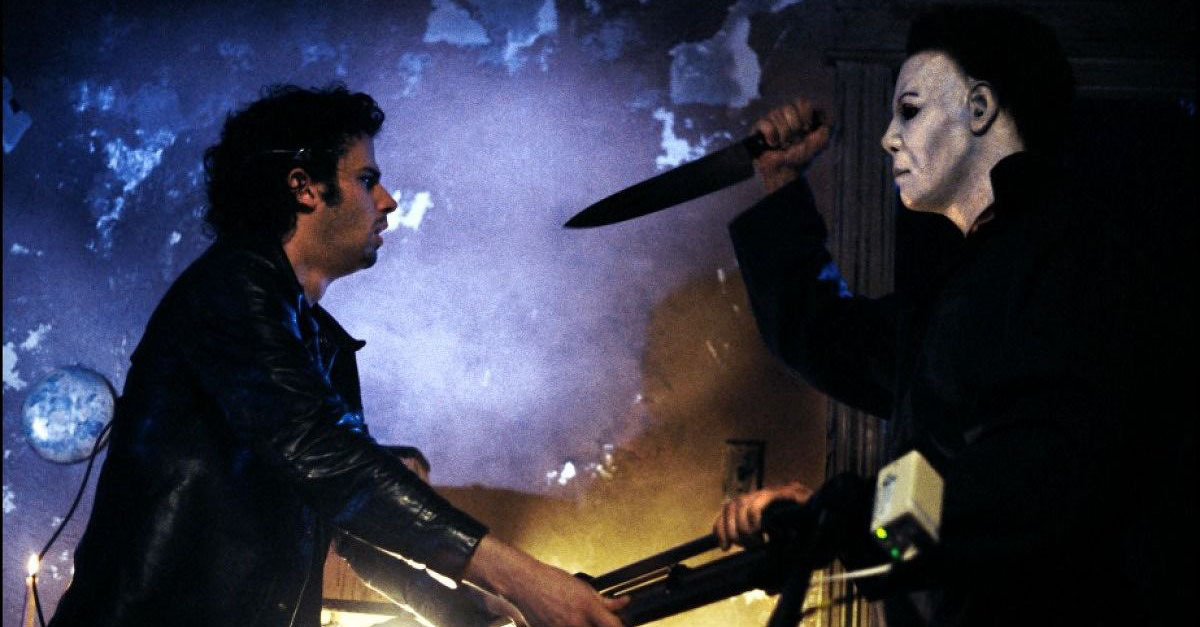
Every great horror franchise begins with a simple, terrifying idea. A masked killer comes home. A dream demon stalks teenagers. A puzzle-obsessed maniac teaches morality with rusty hardware-store equipment. A ghost-faced caller asks if you like scary movies, which is objectively the worst phone survey ever invented.
Then success happens. Tickets sell. Sequels multiply. Suddenly, the once-lean nightmare becomes a sprawling cinematic haunted house with prequels, reboots, legacy sequels, soft resets, TV spin-offs, confusing timelines, and at least one entry where someone says, “What if we take the killer to New York?” Horror franchises are among Hollywood’s most durable money machines because the genre can thrive on modest budgets, strong iconography, and fan loyalty. But that same durability creates a strange curse: the longer a horror series runs, the more likely it is to make mistakes so predictable they almost feel contractual.
The funniest part? These mistakes are often baffling, but they are not random. They come from the same creative pressures: bigger stakes, exhausted mythology, audience nostalgia, studio fear, and the eternal belief that a villain becomes scarier if we explain his childhood trauma in painful detail. Spoiler: usually he does not.
Below are the six baffling mistakes every horror franchise seems destined to make, whether it stars Michael Myers, Jason Voorhees, Freddy Krueger, Ghostface, Jigsaw, Leatherface, demons, dolls, nuns, or some poor family that really should have moved after the first incident.
1. Explaining the Monster Until the Monster Needs a Spreadsheet
Horror icons work best when they feel like nightmares with legs. The original power of Michael Myers in Halloween was his emptiness. He was “The Shape,” a blank force of violence moving through suburbia with the emotional range of a refrigerator and the persistence of a tax bill. Freddy Krueger was terrifying because dreams had no lock on the door. Jason Voorhees became mythic because he was less a person than a campfire story wearing a hockey mask.
Then the sequels arrive and someone inevitably asks the most dangerous question in horror: “But why?”
That question can be useful in moderation. A little backstory gives the audience something to hold onto. Too much backstory turns terror into homework. Suddenly the killer has an ancient cult connection, a family prophecy, a psychological case file, a medical explanation, a sibling twist, a childhood flashback, and a mythology so tangled that watching the series in order feels like applying for a haunted mortgage.
Why This Mistake Keeps Happening
Franchises need escalation. The first movie says, “A killer is outside.” The fourth movie says, “A killer is outside, but also connected to a secret bloodline and possibly a druidic symbol.” The studio wants the next chapter to feel bigger, so writers add lore. The problem is that horror often grows scarier through subtraction. The less we understand about the shadow in the hallway, the more our imagination does the unpaid overtime.
When a franchise explains too much, it accidentally converts fear into trivia. Fans may enjoy debating timelines, but casual viewers can get lost. Even loyal audiences eventually reach a point where they are not scared; they are fact-checking.
2. Creating a Timeline So Confusing It Needs Its Own Final Girl
Horror continuity is where logic goes to get murdered in the pantry. The Halloween franchise is the champion of this particular athletic event. Depending on which films you count, the story has multiple timelines, ignored sequels, direct sequels to the original, remakes, a rebooted trilogy, and an anthology detour that tried to leave Michael Myers behind entirely. That is not a timeline. That is a haunted family tree struck by lightning.
To be fair, horror fans are unusually patient with continuity chaos. They will argue lovingly about which timeline counts while wearing a shirt that says “Camp Crystal Lake Counselor,” which is a poor career choice but excellent branding. Still, convoluted continuity creates real problems. New viewers hesitate. Writers get boxed in. Legacy characters become trapped in repeated trauma loops. At a certain point, the franchise spends more time explaining what did not happen than making something scary happen.
The Soft Reboot Trap
The modern solution is the “legacy sequel,” a film that brings back beloved characters while introducing younger leads. This can work beautifully when handled with care. Scream has often turned its own sequel anxiety into part of the text, making the rules of horror franchises part of the horror itself. But the soft reboot can also become a magic eraser: ignore the unpopular entries, keep the famous first movie, add a returning star, and pretend the audience did not buy tickets for everything in between.
That strategy can refresh a series, but it also teaches audiences not to trust the story. If every sequel might be deleted later, why invest emotionally? A horror franchise should not require viewers to ask, “Which murders are still canon?” before the opening credits.
3. Moving the Killer Somewhere “Bigger” but Forgetting the Original Fear
After several sequels, every horror franchise develops location envy. The original setting starts to feel too small. A summer camp? Been there. A suburban street? Done that. A creepy house? Please, the mortgage market is scarier. So the producers go bigger: city, cruise ship, outer space, another country, the internet, a reality show, maybe eventually the International Space Station if the mask fits over the helmet.
The classic punchline is Friday the 13th Part VIII: Jason Takes Manhattan, a title promising maximum urban chaos. The concept is irresistible: Jason Voorhees loose in New York City. Imagine the subway panic, Times Square confusion, alleyway mayhem, and a killer discovering that New Yorkers may be too busy to notice a machete. The actual movie spends a surprising amount of time on a boat, which is like ordering a haunted pizza and receiving the box.
Changing locations can absolutely work. Scream VI moved Ghostface to New York and used the city for tense set pieces, including public spaces where danger hides in crowds. But a new location must change the horror engine, not just the poster. A bigger map does not automatically mean bigger fear.
Why Intimacy Matters
Many horror classics are scary because they violate safe spaces. Halloween turns quiet suburbia into a hunting ground. A Nightmare on Elm Street makes sleep unsafe. The Texas Chain Saw Massacre turns a rural road trip into a nightmare of isolation. When a sequel relocates the threat, it must preserve that emotional vulnerability. Otherwise, the franchise becomes tourism with stab wounds.
4. Replacing Suspense With Franchise Chores
A horror movie needs rhythm: dread, silence, shock, release, dread again. A horror franchise, unfortunately, often accumulates chores. It must bring back the theme music. It must reference the original. It must include the famous weapon. It must tease the next sequel. It must explain who is related to whom. It must satisfy fans who want the old formula and critics who want reinvention. It must do all this while still being scary, funny, surprising, and profitable. No pressure. Just juggle chainsaws.
The result is sometimes a movie that feels less like a nightmare and more like a checklist. There is the callback scene. There is the legacy cameo. There is the “rules” speech. There is the symbolic object from the first film. There is the line designed for the trailer. There is the final shot that says, “Please keep your subscription to this franchise active.”
Callbacks can be delightful. Horror fans love recognition. A familiar mask or musical sting can make a theater erupt. But nostalgia should season the stew, not replace the meat. When a sequel exists mainly to remind audiences of a better movie, the monster is no longer the scariest thing in the room. The scariest thing is creative insecurity.
The Best Sequels Add, Not Repeat
Strong horror sequels understand the difference between pattern and repetition. Aliens did not simply replay Alien; it shifted from haunted-house sci-fi to war-zone terror. Wes Craven’s New Nightmare did not merely resurrect Freddy; it turned the franchise into a meta-haunting about stories themselves. Saw X found renewed energy by putting John Kramer back at the emotional center rather than only escalating traps. The lesson is simple: fans want the flavor they love, but they still want a new meal. Nobody goes to a restaurant hoping the chef microwaves yesterday’s applause.
5. Making the Villain Too Powerful, Too Funny, or Too Familiar
Every horror icon has a danger zone. Make the villain too weak, and the audience stops fearing them. Make the villain too powerful, and suspense dies because no rule matters. Make the villain too funny, and the monster becomes the host of a late-night murder show. Make the villain too familiar, and fans start treating him like a weird uncle who brings knives to Thanksgiving.
Freddy Krueger is the perfect example of a character who walks this tightrope. In the original A Nightmare on Elm Street, he is grotesque, cruel, and surreal. Later entries leaned more heavily into jokes and one-liners, which made him entertaining but sometimes less frightening. Audiences loved Freddy’s personality, but a wisecracking demon can drift from nightmare to mascot if the balance slips.
Jason has the opposite problem. He is not chatty. His most famous dialogue is heavy breathing and poor conflict resolution. With Jason, the challenge is escalation. How many times can he be drowned, burned, electrocuted, chained, shot, resurrected, and still return before the audience stops asking, “Can he be killed?” and starts asking, “Does he have good health insurance?”
Rules Create Fear
Great horror villains need limits. The audience must understand enough of the rules to feel tension. Ghostface is scary because the killer is human, messy, and often hiding in plain sight. Jigsaw’s traps are frightening because they operate by grim logic, even when that logic requires engineering skills no dying man should realistically have time to develop. The demon in The Exorcist terrifies because spiritual and physical rules collide in a space where ordinary authority fails.
When franchises abandon rules, scares become mushy. If anything can happen, nothing matters. Horror is not powered by randomness; it is powered by dread. Dread needs shape.
6. Forgetting That the Survivors Are the Franchise’s Soul
Monsters sell posters, but survivors carry stories. Laurie Strode, Sidney Prescott, Nancy Thompson, Sally Hardesty, Kirsty Cotton, and other final girls endure because they are not merely victims. They are witnesses. They give the horror emotional weight. Without them, a franchise risks becoming a highlight reel of creative injuries.
This is where many sequels stumble. They treat new characters as disposable snacks for the villain instead of people with fears, contradictions, and memorable choices. The audience may cheer a clever kill, but they remember a survivor who fights like the world is unfair and she is personally offended by it.
Scream has often succeeded because its characters understand horror while still being vulnerable to it. The series’ best entries are not just about who is under the mask; they are about how trauma, fame, fandom, and media obsession twist around the survivors. The Ghostface reveal matters, but Sidney’s endurance matters more. Gale’s ambition, Dewey’s decency, and the newer generation’s messy survival instincts give the series human texture.
Trauma Is Not a Shortcut
Modern horror frequently explores trauma, which can produce powerful storytelling. But trauma is not a decorative fog machine. A franchise cannot simply make a survivor sad, give them a monologue, and call it depth. The best horror lets trauma affect behavior, relationships, choices, and the audience’s sense of danger. The weakest horror uses trauma as a password to make a recycled plot sound important.
A good survivor gives the audience something to protect. A great survivor makes the audience feel that survival itself is complicated. That is why final girls remain central to horror culture. They are not just the last person standing. They are the reason the standing matters.
Why Horror Franchises Keep Making These Mistakes Anyway
It is easy to mock horror franchises for their strange decisions, but the truth is that these mistakes come from understandable pressures. Horror is one of the few genres where a modestly budgeted film can become a cultural event. When that happens, everyone wants more: studios, fans, streaming platforms, merchandise teams, convention organizers, and people who own fog machines.
The problem is that horror depends on uncertainty, while franchises depend on familiarity. That tension is baked into the business model. Audiences want the mask, the music, the weapon, and the ritual. They also want to be surprised. They want the old thing, but new. They want the killer to behave correctly, but not predictably. They want lore, but not too much lore. They want fan service, but not pandering. Horror fans are wonderful, passionate, and occasionally impossible. That is part of the fun.
The best franchises survive by learning when to break their own habits. They know when to simplify. They know when to return to practical suspense. They know when to focus on characters instead of mythology. They know when to let a monster be mysterious again. Most importantly, they know that fear is not created by scale alone. A single slow footstep in a hallway can do more damage than an exploding cathedral full of CGI demons.
of Experience: Watching Horror Franchises Grow Fangs, Trip Over Furniture, and Somehow Keep Running
Anyone who has spent real time with horror franchises knows the experience is not tidy. It is not like watching a perfectly planned prestige drama where every detail points toward a clean finale. It is more like following a cursed family business. The first film opens the shop. The sequel adds a neon sign. By part five, the killer has a new origin, the rules have changed, three relatives have appeared out of nowhere, and someone is trying to sell commemorative knives in the lobby.
That chaos is part of the charm. Horror fans do not only love the masterpieces. They love the strange middle chapters, the awkward experiments, the entries that clearly had twelve dollars, two flashlights, and a producer yelling, “Can we put the mask in this scene?” A baffling horror sequel can be disappointing, but it can also become a communal event. Friends gather to shout at the screen. Fans rank the worst decisions. Somebody defends the weird one with surprising passion. Somebody else insists the third act is misunderstood. Suddenly the franchise mistake becomes folklore.
The most interesting experience is realizing that horror franchises often reveal what each era is afraid of. The early slashers reflected anxieties about suburbia, youth culture, sex, punishment, and random violence. Later sequels leaned into spectacle because audiences had seen the basic trick. The meta-horror wave reflected viewers becoming fluent in genre rules. The legacy-sequel era reflects nostalgia, aging heroes, fan ownership, and the fear that the past is never really past. Even the clumsy movies tell us something. Sometimes they tell us, “This studio wanted a sequel by October.” But that is still information.
Watching these franchises also teaches a practical lesson about storytelling: icons are powerful, but they are not enough. A mask can bring people into the theater, but it cannot make them care for two hours. A famous villain can create anticipation, but suspense requires structure. Gore can shock, but character gives the shock meaning. Continuity can reward loyal fans, but clarity welcomes new ones. The franchises that last are not always the ones with perfect records. They are the ones flexible enough to survive their own worst ideas.
There is also something comforting about horror’s refusal to stay dead. Other genres collapse under a bad sequel. Horror looks at failure, wipes off the fake blood, and asks, “Reboot or prequel?” That stubbornness mirrors the monsters themselves. Jason rises again. Michael walks again. Ghostface calls again. Jigsaw’s philosophy somehow has another footnote. The audience returns because the ritual is familiar, and because every new entry carries the tiny possibility of surprise.
So yes, the mistakes are baffling. They are also weirdly necessary. A long-running horror franchise is a laboratory where Hollywood tests how much mythology, nostalgia, reinvention, and nonsense an audience can absorb before throwing popcorn at the screen. Sometimes the experiment fails spectacularly. Sometimes it produces a sequel that should not work but absolutely does. Either way, horror remains alive because it keeps mutating. It stumbles, screams, resurrects itself, and lurches forward. Honestly, that may be the most horror-franchise thing imaginable.
Conclusion: The Curse Is Also the Point
The six baffling mistakes every horror franchise must make are not just creative accidents. They are symptoms of success. When a horror movie becomes iconic, it attracts explanation, expansion, repetition, reinvention, and overconfidence. The monster gets a backstory. The timeline splits. The setting gets bigger. The callbacks pile up. The villain becomes too familiar. The survivors get pushed aside. Then, if the franchise is lucky, someone comes along and remembers what made the first nightmare work.
Great horror does not need to be complicated. It needs pressure, atmosphere, rules, characters, and a reason for the audience to lean forward. Franchises can survive strange sequels and messy mythology, but they cannot survive forgetting fear. The best horror series understand that the scariest thing is not always the biggest twist or loudest kill. Sometimes it is the quiet return of a simple idea: the door is unlocked, the phone is ringing, the dream has started, and something impossible is already inside.
Note: This article is fully rewritten in original language and synthesized from real horror franchise history, box-office patterns, and film-industry analysis for web publication.











