
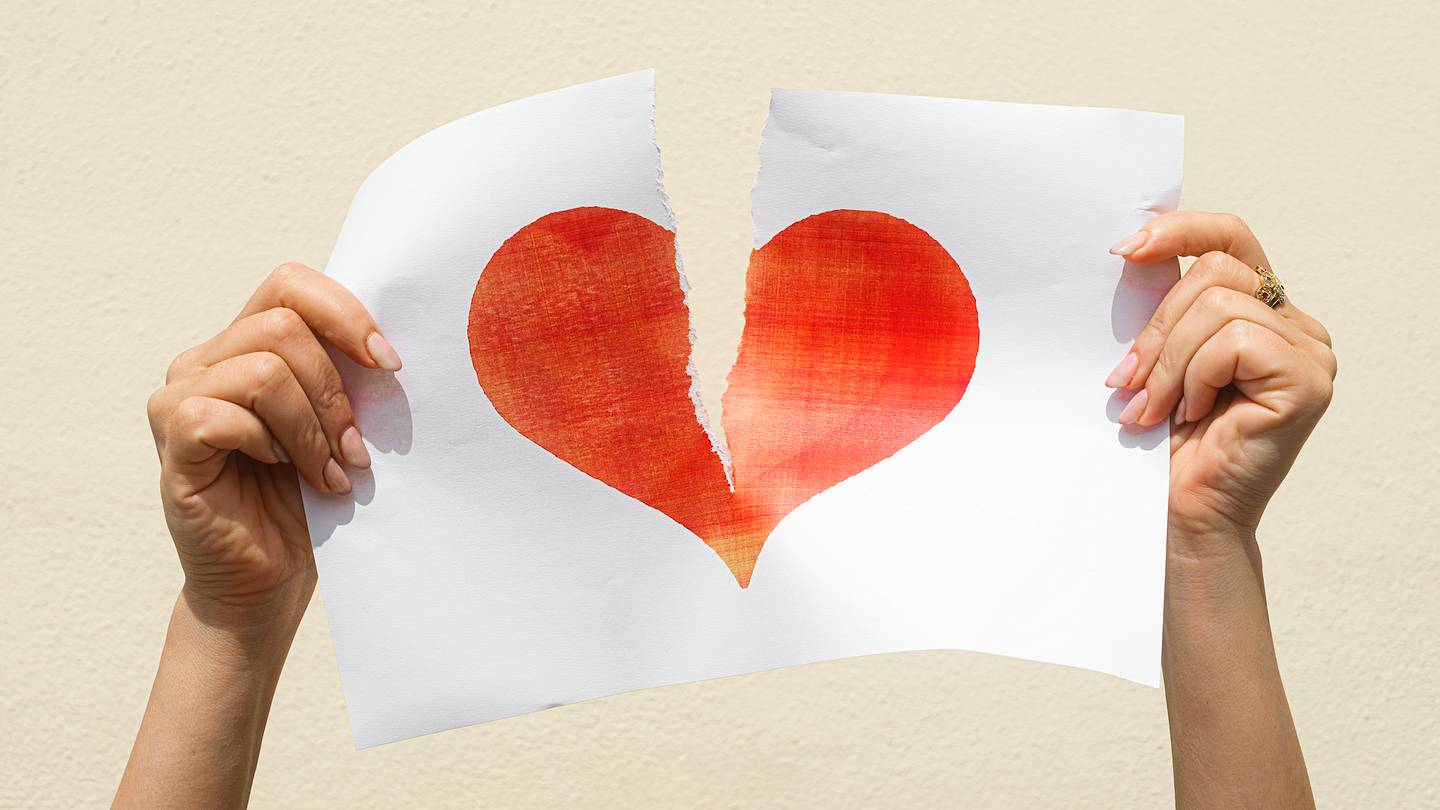
Love may be blind, but romance scammers have 20/20 vision when it comes to spotting opportunity. Across the United States, fake sweethearts are sliding into dating apps, social media inboxes, messaging platforms, and even “wrong number” text threads with one goal: build trust, stir emotion, and eventually ask for money.
Romance scams are not just awkward dating stories with a financial plot twist. They are organized, manipulative fraud schemes that can drain savings, wreck credit, and leave victims feeling embarrassed when they should feel supported. The scammer may pretend to be a deployed service member, a traveling engineer, a successful crypto investor, a widowed parent, or simply someone who “finally understands you.” Spoiler: if they understand your bank balance before they understand your favorite pizza topping, something is very wrong.
This ranking looks at the 15 states with the highest romance scam report rates per million residents in a recent analysis of official fraud-reporting data. The numbers should not be read as a “people are gullible here” scoreboard. Fraud reporting varies by state, population size, digital habits, age mix, and willingness to report. Still, the pattern is useful: it shows where romance scams are hitting especially hard and where residents may need extra awareness before trusting a digital Casanova with a sob story and a crypto wallet.
What Counts as a Romance Scam?
A romance scam happens when a criminal creates a fake identity to form an emotional relationship with someone, then uses that relationship to steal money, personal information, financial access, or valuables. These scams often begin on dating apps, Facebook, Instagram, WhatsApp, Telegram, online games, or through unexpected text messages.
The playbook is usually slow and polished. First comes attention: compliments, daily messages, shared interests, and intense emotional connection. Then comes distance: the person is overseas, on a job site, caring for family, stuck at sea, deployed, or facing visa issues. Finally comes the ask: money for travel, a medical emergency, frozen funds, legal trouble, customs fees, gift cards, wire transfers, cryptocurrency, or a “safe” investment opportunity that is anything but safe.
The 15 States Most Likely to Report Romance Scams
The ranking below is based on reported romance scam cases per million residents in the latest available comparison window. Total losses and average losses give extra context because a state with fewer reports can still experience severe financial harm.
| Rank | State | Reports Per Million Residents | Reported Losses | Average Loss |
|---|---|---|---|---|
| 1 | Arizona | 159 | $33.57 million | $28,963 |
| 2 | Alaska | 121 | $1.54 million | $17,334 |
| 3 | Wyoming | 100 | $746,041 | $12,863 |
| 4 | Nevada | 96 | $8.33 million | $27,665 |
| 5 | Virginia | 84 | $17.42 million | $23,863 |
| 6 | Montana | 82 | $2.38 million | $26,155 |
| 7 | Utah | 80 | $6.37 million | $23,758 |
| 8 | Florida | 78 | $44.24 million | $25,707 |
| 8 | South Carolina | 78 | $8.10 million | $19,846 |
| 10 | North Dakota | 77 | $1.56 million | $26,019 |
| 11 | West Virginia | 76 | $3.67 million | $26,949 |
| 11 | Oregon | 76 | $13.04 million | $40,495 |
| 13 | Hawaii | 75 | $3.21 million | $29,438 |
| 13 | Minnesota | 75 | $11.42 million | $26,750 |
| 13 | Washington | 75 | $13.26 million | $22,979 |
Why Arizona Tops the List
Arizona stands out with 159 reports per million residents, making it the highest-ranked state in this analysis. That does not mean every dating app message in Phoenix should be treated like a crime scene, but it does suggest that Arizona residents are seeing a significant level of romance scam activity. Reported losses exceeded $33 million, and the average loss was close to $29,000.
One reason Arizona may be vulnerable is the mix of retirees, seasonal residents, fast-growing metro areas, and heavy online activity. Scammers like places where people are socially active, digitally connected, and financially reachable. A lonely person with savings is not the only target; a busy professional, recent divorcee, military family member, or crypto-curious investor can be just as appealing to a fraud ring.
Small States Can Have Big Scam Rates
Alaska and Wyoming rank second and third, even though their total losses are much smaller than those in Florida or Arizona. That is the value of using reports per million residents instead of raw totals. Large states naturally produce more victims because they have more people. Per-capita rates help reveal places where the problem is unusually concentrated.
In Alaska, distance and isolation may play a role. Online relationships can feel practical when communities are spread out and in-person dating pools are smaller. In Wyoming, a relatively low population means even a moderate number of cases can push the per-capita rate upward. In both states, the emotional mechanics are the same: attention, trust, excuses, urgency, and then money.
Florida Shows Why Total Losses Matter
Florida ranks eighth by reports per million residents, tied with South Carolina, but its reported losses are the largest on this list at more than $44 million. That matters. A state can rank lower on frequency and still suffer major financial damage because of population size, retirement wealth, tourism, digital activity, and the number of older adults targeted by scammers.
Florida is also a reminder that romance scams often overlap with other fraud categories. A scam may begin with flirting, shift into a fake investment pitch, then end with cryptocurrency transfers, bank wires, or requests for gift cards. By the time the victim realizes the “relationship” was a setup, the money may have moved through multiple accounts or digital wallets.
Oregon Has the Highest Average Loss on the List
Oregon deserves special attention because its average reported loss is over $40,000, the highest among these 15 states. That suggests fewer cases can still produce deep financial wounds. In long-con romance scams, criminals do not always ask for a huge amount right away. They may start with a small emergency, then escalate to travel problems, business setbacks, medical bills, taxes, investment deposits, and withdrawal fees.
That slow escalation is why victims sometimes send money many times. Each payment feels like the one final step before meeting in person, recovering an investment, or helping someone in crisis. Scammers are not improvising love letters in a basement like cartoon villains. Many operate from organized networks with scripts, stolen photos, fake documents, and psychological pressure tactics.
Common Red Flags in Romance Scams
They Fall in Love at Wi-Fi Speed
Fast affection is one of the biggest warning signs. If someone you have never met says you are their soulmate after three days, enjoy the compliment but do not send them your routing number. Scammers use intense emotions to lower defenses.
They Always Have a Reason They Cannot Meet
Romance scammers often promise an in-person meeting, then cancel because of work, travel, family emergencies, military deployment, illness, customs problems, or sudden legal trouble. One delay can be normal. A never-ending series of dramatic excuses is a red flag parade.
Money Enters the Conversation
The moment someone asks for money, gift cards, cryptocurrency, wire transfers, bank access, or help moving funds, the relationship should pause immediately. Real love does not require Apple gift cards, Bitcoin deposits, or a wire transfer to a “business partner” in another country.
They Push You Toward Crypto or Investments
Many modern romance scams are actually relationship investment scams. The scammer builds trust, shows fake profits, introduces a phony trading platform, and convinces the victim to deposit more money. When the victim tries to withdraw funds, surprise fees or taxes appear. The profits were fake, the platform was fake, and the romance was bait.
They Want Secrecy
A scammer may say, “Your family won’t understand us,” or “Don’t tell anyone until I arrive.” That secrecy protects the criminal. A real partner should not be afraid of you asking a trusted friend, adult child, sibling, banker, or financial advisor for a second opinion.
How to Protect Yourself Before Your Heart Opens Your Wallet
Start with a simple rule: never send money or valuables to someone you have not met in person. That includes cash, wire transfers, gift cards, payment apps, crypto, checks, bank login details, credit card numbers, copies of IDs, and “temporary” access to your account.
Next, verify the person. Do a reverse-image search of profile photos. Search their name with terms like “scam,” “oil rig,” “military romance scam,” or “crypto investment scam.” Ask for a live video call early. Be careful, though: artificial intelligence has made fake images, voice messages, and even video manipulation more convincing. Verification is not one step; it is a habit.
Also, slow down. Scammers hate delays because delays create time for logic to catch up with emotion. If someone pressures you to act immediately, take a break. Talk to someone you trust. Call your bank before sending funds. Report suspicious profiles to the dating app or social platform. If money has already been sent, contact the bank, card issuer, payment app, or crypto platform right away and report the fraud.
What to Do If You Have Already Sent Money
First, stop communicating with the scammer. Do not argue, negotiate, or send “one last payment” to unlock funds. Recovery-fee scams are common: after the first fraud, another scammer may pretend to be a lawyer, investigator, government official, or crypto recovery expert who can retrieve your money for an upfront fee.
Second, gather evidence. Save messages, usernames, phone numbers, email addresses, profile links, wallet addresses, receipts, bank records, photos, and screenshots. Then report the crime to the proper fraud-reporting channels, your financial institution, and local law enforcement when appropriate. Reporting matters because it helps investigators connect patterns, warn other consumers, and shut down fraudulent accounts.
Most importantly, do not blame yourself. Romance scams work because criminals exploit normal human needs: companionship, hope, trust, grief, curiosity, and the desire to help. Being targeted does not mean being foolish. It means a professional manipulator found an opening.
Experiences and Lessons From Romance Scam Patterns
One of the most common experiences victims describe is not a sudden trick but a gradual emotional fog. At first, the conversation feels harmless. A compliment arrives. Then another. The scammer remembers details, sends good-morning messages, asks about family, and seems more attentive than people in real life. That steady attention can be powerful, especially for someone who has been lonely, recently divorced, widowed, relocated, or simply tired of shallow dating apps.
Then the scammer creates a private world. They may say the connection is special, rare, or misunderstood. They may encourage the person to leave the dating app and move to a messaging platform. This feels intimate, but it also removes safety features and makes reporting harder. Friends and family may notice something odd, but the victim may defend the relationship because, emotionally, it already feels real.
Another familiar experience is the “small test.” The scammer asks for a minor favor: a phone card, a small transfer, a gift card, or help with a temporary bill. If the victim pays, the scammer learns two things: money is available, and emotional pressure works. The requests then become larger. A $50 favor becomes a $500 emergency, then a $5,000 travel problem, then a $25,000 investment opportunity.
Some victims also describe a strange mix of doubt and hope. They may suspect something is wrong but continue because the scammer offers an explanation for every inconsistency. The camera is broken. The bank froze the account. The passport is delayed. The customs officer needs payment. The trading account requires taxes before withdrawal. Each excuse sounds just plausible enough when wrapped in affection.
The hardest part is often telling someone. Many victims stay silent because they fear judgment. That silence helps scammers. A better approach is to treat romance fraud like any other crime: document it, report it, and get support. A person who lost money to a fake sweetheart does not need a lecture about “common sense.” They need practical help, emotional backup, and a clear plan to prevent further loss.
For families, the best experience-based lesson is to lead with kindness. If you tell someone, “You’re being scammed, how could you fall for this?” they may shut down and cling harder to the scammer. Try saying, “I care about you, and I’m worried this person is asking for things a real partner would not ask for. Can we look at it together?” Compassion opens doors that criticism slams shut.
For online daters, the lesson is simple: romance should add joy to your life, not invoices. Meet safely, verify identities, keep financial boundaries firm, and remember that a person who truly cares about you will respect caution. If they get angry because you will not send money, you did not lose love. You dodged a very expensive headache.
Conclusion
Romance scams are not limited to one age group, one app, or one state. Arizona, Alaska, Wyoming, Nevada, Virginia, Montana, Utah, Florida, South Carolina, North Dakota, West Virginia, Oregon, Hawaii, Minnesota, and Washington rank high in reported cases per million residents, but the warning applies everywhere. Scammers follow attention, emotion, money, and opportunity.
The safest mindset is not paranoia; it is patient verification. Take your time. Keep conversations on trusted platforms. Refuse money requests. Check photos. Ask questions. Bring trusted people into the conversation before making financial decisions. Love may involve risk, but it should never require a wire transfer to someone you have never met.












