
Tattoos and piercings can turn your b reminder that you once thought a flaming dolphin was profound. Body art is widely practiced and is generally completed without serious complications, but it is not as medically casual as changing your phone wallpaper. Both tattooing and piercing deliberately break the skin, creating wounds that need clean equipment, skilled professionals, suitable materials, and patient aftercare.
Before you book an appointment, it helps to understand the possible risks, how to evaluate a studio, what normal healing looks like, and when an angry-looking patch of skin needs more than positive thinking. This guide covers tattoo safety, piercing precautions, infection warning signs, aftercare mistakes, and realistic experiences you may encounter during the healing process.
How Tattoos and Piercings Affect the Body
A tattoo machine repeatedly punctures the skin and deposits pigment into the dermis, the deeper layer beneath the epidermis. Your immune system responds to this controlled injury, which is why a fresh tattoo may appear red, swollen, warm, tender, or slightly weepy during the first few days.
A piercing creates a channel through skin, cartilage, or another type of tissue and places jewelry inside it. The body must heal around that jewelry without sealing the channel completely. This process can take weeks or months, and certain piercingsespecially cartilage, navel, nipple, and some genital piercingsmay take much longer than people expect.
Neither procedure is technically “just cosmetic.” Your skin is a protective barrier, and once it is opened, bacteria, contaminated products, irritating metals, and poor aftercare can create problems.
Health Risks of Tattoos
Skin and Soft-Tissue Infections
Bacteria can enter a tattoo through contaminated needles, diluted ink, reused ink cups, unclean hands, dirty work surfaces, or careless aftercare. Even tattoo ink in a sealed bottle is not automatically guaranteed to be sterile. The FDA has investigated infections associated with contaminated pigments and has overseen multiple voluntary ink recalls.
A mild amount of redness and tenderness may be expected at first. Warning signs include pain that keeps getting worse, redness that spreads beyond the tattoo, increasing warmth, worse, redness that spreads beyond the tattoo, increasing significant swelling, pus, an unpleasant odor, fever, chills, or red streaks extending from the area.
Bloodborne Infections
Improperly sterilized or shared equipment can transmit bloodborne illnesses, including hepatitis B, hepatitis C, and, less commonly, HIV. This risk is one reason kitchen-table tattooing, prison tattooing, shared home kits, and bargain procedures from unlicensed operators are dangerous. A cheap tattoo can become impressively expensive once laboratory tests and medical treatment join the party.
Allergic Reactions to Tattoo Ink
Tattoo pigments may trigger itching, swelling, bumps, scaling, or persistent rashes. Reactions can develop immediately or appear months or years later. Red pigments are frequently associated with allergic reactions, although any color may cause trouble.
An allergy can be difficult to manage because the pigment is located inside the skin rather than sitting on top of it like ordinary makeup. Persistent symptoms should be evaluated by a dermatologist rather than treated with random creams selected through internet roulette.
Granulomas, Keloids, and Scarring
The immune system may form small inflammatory nodules called granulomas around tattoo pigment. People who are prone to keloids may develop thick, raised scars that grow beyond the original wound. If you or close relatives have a history of keloid scarring, discuss the risk with a dermatologist before getting tattooed or pierced.
MRI Reactions and Imaging Concerns
Some tattoo pigments, particularly certain older or metallic formulations, may cause temporary swelling, warmth, tingling, or burning during magnetic resonance imaging. Serious reactions are uncommon, and having a tattoo usually does not prevent an MRI. Tell the MRI technologist about tattoos and permanent makeup before the scan so the team can monitor the area and respond if discomfort occurs.
Hidden Skin Changes
Dark or densely colored tattoos can make moles and other skin changes harder to observe. Avoid tattooing directly over an existing mole. Continue checking tattooed skin for evolving spots, unusual growths, bleeding, or changes in color and shape. A tattoo is decoration, not camouflage for a suspicious lesion.
Removal Problems
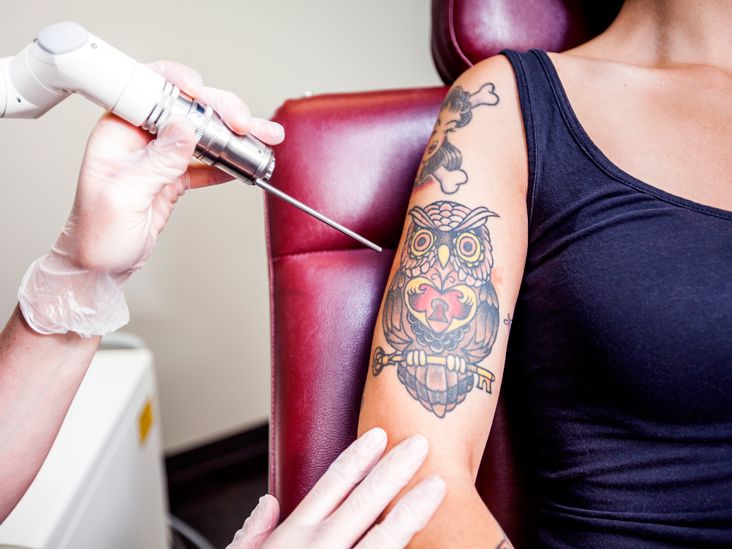
Modern laser treatments can fade many tattoos, but removal is rarely quick, inexpensive, or guaranteed to restore untouched skin. Multiple sessions may be needed, and some pigments respond better than others. Possible outcomes include incomplete removal, color changes, burns, textural changes, or scarring. Consider temporary placement tests and design mockups before committing to permanent ink.
Health Risks of Body Piercings
Localized Infection
New piercings can become infected when bacteria enter through the healing channel. Risk increases when jewelry is touched with unwashed hands, submerged in contaminated water, snagged repeatedly, cleaned with irritating chemicals, or installed using poorly sterilized equipment.
Cartilage infections deserve prompt attention because cartilage has a limited blood supply and can be difficult to treat. Severe infections may damage tissue or change the shape of the ear.
Metal Allergies and Irritation
Nickel is a common cause of allergic contact dermatitis. Symptoms may include intense itching, redness, dry skin, swelling, or a rash that extends beyond the piercing site. Plated jewelry can become especially irritating when its surface wears away and exposes the underlying metal.
High-quality initial jewelry may include implant-certified titanium, appropriately certified implant-grade steel, niobium, platinum, or solid 14-karat to 18-karat nickel-free gold designed for body jewelry. Gold-plated pieces and mystery-metal bargain packs are poor choices for fresh piercings.
Keloids, Hypertrophic Scars, and Piercing Bumps
Not every bump is an infection. Irritation, pressure, poor jewelry fit, metal sensitivity, excessive cleaning, and repeated snagging can cause swelling or raised scar tissue. A qualified piercer or healthcare professional can help distinguish irritation from infection, allergy, or keloid formation.
Oral Piercing Complications
Tongue, lip, and cheek jewelry can chip teeth, damage fillings, injure gums, contribute to gum recession, increase saliva production, and become embedded in swollen tissue. Loose jewelry may also present a choking hazard. Significant tongue swelling can interfere with swallowing or breathing, which requires emergency medical care.
Anyone with an oral piercing should maintain excellent dental hygiene, check threaded jewelry regularly, and schedule routine dental examinations. Clicking a metal barbell against your teeth may feel like a harmless habit until your dentist delivers the invoice.
Tearing, Migration, and Rejection
Jewelry may snag on clothing, bedding, towels, hairbrushes, sports equipment, or an unexpectedly enthusiastic hug. Some piercings gradually move toward the skin’s surface, a process called migration. If the tissue becomes thin or the jewelry appears increasingly visible beneath the skin, consult an experienced piercer before the area tears.
Special Considerations for Nipple and Genital Piercings
Nipple piercings can take many months to heal. Jewelry should be removed during breastfeeding because it can interfere with latching and may become a choking hazard. Genital piercings may cause bleeding, nerve irritation, urinary problems, condom damage, or injury during sexual activity. Allow complete healing and follow professional guidance regarding safer sexual contact.
Who Should Talk to a Healthcare Professional First?
Extra caution is appropriate if you have poorly controlled diabetes, a weakened immune system, a bleeding disorder, active eczema or psoriasis at the proposed site, significant heart disease, a history of keloids, severe allergies, or a condition requiring blood-thinning medication.
People who are pregnant may wish to postpone elective body art because of infection risk, changing skin, limited treatment options, and the possibility that placement may stretch or shift. Never stop prescribed medication simply to qualify for a tattoo or piercing. Ask the clinician who manages your condition whether the procedure is appropriate.
You should also check that routine vaccinations, including tetanus vaccination, are current. A clinician can determine whether an update is needed based on your vaccination history and the nature of any wound or exposure.
How to Choose a Safe Tattoo or Piercing Studio
Confirm Licensing and Local Compliance
Body-art rules vary by state, county, and city. Verify that the studio and individual professional hold the permits required in your area. Licensing does not guarantee artistic brilliance, but it is a better starting point than “my cousin has a needle and watched three tutorials.”
Inspect the Environment
The studio should look organized and visibly clean. Work areas should be separated from waiting, eating, and restroom areas. Artists and piercers should wash their hands, wear fresh disposable gloves, replace gloves after touching unclean objects, and disinfect surfaces between clients.
Ask About Needles, Ink, and Sterilization
Needles should be sterile and single-use. They should be opened in front of you and discarded in an approved sharps container afterward. Tattoo ink should be poured into disposable single-use cups, with leftover ink thrown away rather than returned to the bottle.
Reusable piercing tools must be properly cleaned and sterilized in an autoclave. A reputable studio should be willing to explain its sterilization process and biological monitoring procedures without becoming defensive or mysteriously changing the subject.
Prefer Needles Over Reusable Piercing Guns
Professional hollow piercing needles create a precise opening and can be sterilized or supplied as sterile single-use devices. Reusable piercing guns can be difficult to sterilize completely and may cause blunt-force tissue trauma. They are particularly unsuitable for cartilage.
Review the Professional’s Portfolio
Look at healed work, not only photographs taken seconds after the procedure. Fresh tattoos are naturally glossy and dramatic; healed tattoos reveal line quality, color consistency, and how the artist’s work actually settles into skin. For piercings, ask about anatomy assessment, jewelry sizing, downsizing appointments, and expected healing time.
Expect Written Aftercare Instructions
A responsible professional should explain aftercare verbally and provide written instructions. You should know whom to contact if swelling, jewelry problems, or unusual symptoms develop.
Tattoo Aftercare: A Practical Healing Routine
Always follow the instructions supplied by your tattoo artist because bandage types and recommended removal times differ. Traditional dressings and adhesive healing films are managed differently.
- Wash your hands first. Clean hands should touch the tattoo; everything else should admire it from a respectful distance.
- Remove the dressing as directed. Do not rip off a stuck bandage. Loosen it carefully according to your artist’s instructions.
- Wash gently. Use lukewarm water and a mild, fragrance-free cleanser. Do not scrub with a washcloth, sponge, or exfoliating product.
- Pat the skin dry. Use a clean disposable paper towel or allow the area to air-dry briefly. Avoid rubbing.
- Apply a thin layer of the recommended moisturizer. More product is not better. A tattoo buried under a greasy mountain of ointment may remain overly wet and irritated.
- Wear loose, clean clothing. Friction, trapped sweat, and tight waistbands can delay healing.
- Do not pick flakes or scabs. Let peeling skin detach naturally to reduce the risk of pigment loss and scarring.
- Avoid soaking. Skip swimming pools, hot tubs, lakes, oceans, and baths until the surface has healed. Showering is generally preferable.
- Protect it from sunlight. Keep a fresh tattoo out of direct sun. Once healed, use broad-spectrum sunscreen to reduce fading and protect the surrounding skin.
Avoid hydrogen peroxide, rubbing alcohol, harsh antiseptics, fragranced lotions, exfoliating acids, and home remedies unless a qualified clinician specifically recommends them.
Piercing Aftercare: Less Touching, More Patience
- Wash your hands before contact. Most of the time, the best approach is to leave the piercing alone.
- Use sterile saline wound wash. Look for a product containing sterile water and 0.9% sodium chloride without fragrances, moisturizers, or unnecessary additives.
- Rinse and dry gently. Use clean disposable gauze or paper products. Fabric towels can snag jewelry and may hold bacteria.
- Do not twist or rotate the jewelry. Movement can damage the fragile healing channel and prolong irritation.
- Keep the original jewelry in place. Removing it too early may cause the opening to close. Jewelry changes and downsizing should be performed at the time recommended by the piercer.
- Avoid pressure and friction. Do not sleep directly on a healing ear piercing. Keep phones, headphones, helmets, glasses, and pillowcases clean.
- Avoid pools and natural bodies of water. Submerging an open piercing exposes it to microorganisms that were not invited to the appointment.
Do not clean a piercing aggressively with alcohol, hydrogen peroxide, iodine, strong antibacterial cleansers, or undiluted essential oils. Overcleaning can irritate tissue just as effectively as undercleaning.
Normal Healing Versus a Possible Infection
Common Early Healing Changes
- Mild localized swelling or tenderness
- Limited redness or discoloration around the site
- Minor bruising
- Itching or flaking during later tattoo healing
- A small amount of clear or pale fluid
- Light crust around piercing jewelry
Warning Signs That Need Medical Advice
- Pain, redness, or swelling that worsens rather than improves
- Skin that becomes increasingly hot or firm
- Thick yellow, green, gray, or foul-smelling drainage
- Red streaks spreading away from the area
- Fever, chills, swollen lymph nodes, or feeling generally ill
- A widespread rash, facial swelling, or hives
- Jewelry becoming embedded in the skin
- Severe swelling of the tongue, lips, mouth, or throat
- Difficulty breathing or swallowing
Breathing difficulty, throat swelling, confusion, faintness, or rapidly spreading symptoms require emergency care. For a suspected piercing infection, do not remove the jewelry unless a healthcare professional advises it. Premature removal can allow the surface to close while infection remains trapped underneath.
Can You Donate Blood After a Tattoo or Piercing?
A new tattoo or piercing does not always prevent blood donation. Eligibility may depend on whether the procedure was performed by a regulated establishment with sterile, single-use equipment. A waiting period may apply when the procedure occurred in an unregulated setting or when the sterility of the equipment is uncertain.
Blood-donation standards can change, so confirm current eligibility directly with the blood-collection organization before scheduling an appointment.
Realistic Experiences: What the Healing Process Often Feels Like
The following experience-based scenarios reflect common patterns reported by tattoo and piercing clients. They are not personal medical diagnoses, but they illustrate why preparation and patience matter.
Experience One: The Tattoo That Looked Worse Before It Looked Better
A first-time client leaves the studio delighted with a crisp forearm tattoo. By the following morning, the design looks slightly swollen and shinier than expected. A small amount of clear fluid and ink has collected beneath the protective film. Panic arrives immediately, wearing very loud shoes.
The artist confirms that limited fluid buildup can occur with certain adhesive dressings and reminds the client to follow the supplied removal schedule. After the film comes off, the tattoo is washed gently and moisturized with a very thin layer of fragrance-free lotion. During the second week, the skin becomes itchy and starts peeling. The tattoo briefly resembles a sunburn with artistic ambitions.
The client resists scratching, avoids the gym’s shared mats, wears loose sleeves, and stays out of the swimming pool. By the fourth week, the surface appears smooth and the design looks settled. The lesson is simple: normal healing can be visually unimpressive, but worsening pain, spreading redness, pus, or fever would have changed the situation from “be patient” to “call a healthcare professional.”
Experience Two: The Piercing Bump Caused by Too Much Care
Another client gets a nostril piercing and decides that ordinary aftercare is not sufficiently heroic. The piercing is cleaned six times a day with alcohol, rotated frequently, treated with an essential-oil mixture, and examined in the mirror every 14 minutes.
Within two weeks, a small red bump develops. The client assumes it must be an infection, but there is no fever, spreading redness, significant heat, or thick drainage. A professional piercer reviews the jewelry and routine and suspects irritation. The aftercare is simplified to sterile saline, gentle drying, and hands-off patience. The jewelry is also assessed for proper length and material.
Over time, the bump becomes smaller. This experience demonstrates an important truth: healing tissue does not award bonus points for enthusiasm. Harsh products, excessive movement, tight jewelry, and repeated pressure can keep a piercing inflamed even when bacteria are not the primary problem.
Experience Three: When “Wait and See” Is the Wrong Strategy
A person receives an ear-cartilage piercing before a beach trip. Despite being told to avoid submersion, the piercing is exposed to pool water and the ocean. A few days later, the upper ear becomes increasingly painful, hot, swollen, and red. Drainage appears, and the discomfort is noticeably worse each day.
Instead of removing the jewelry or trying to drain the area at home, the client seeks medical evaluation. That decision matters because cartilage infections can become serious and may damage the ear if treatment is delayed. The clinician assesses the infection, determines the appropriate treatment, and advises how the jewelry should be managed.
The broader lesson is not that every irritated piercing is an emergency. It is that the direction of symptoms matters. Mild swelling that gradually improves is different from pain, heat, redness, and discharge that intensify. A wound that is getting angrier should not be given another week to “express itself.”
Experience Four: The Design Regret That Started Before the Needle
A client arrives with a trendy phrase translated into a language they do not speak. The tattoo artist recommends verifying the spelling and trying a temporary placement mockup. After checking with a fluent speaker, the client discovers that the proposed wording does not mean what an online image claimed it meant.
The appointment is postponed, the phrase is corrected, and the size is adjusted so the lettering will remain readable as it ages. Nothing dramatic happened, which is exactly the point. One of the best tattoo experiences is the disaster that never occurs because someone was willing to slow down.
Experience Five: The Jewelry Upgrade
A client develops itching and a dry rash around a healing earlobe piercing. The jewelry came from an inexpensive multipack and its metal composition is unclear. An experienced piercer suspects sensitivity to nickel or another component and recommends professional assessment and a suitable implant-grade replacement.
After the jewelry is changed and irritating products are discontinued, the rash gradually settles. The client learns that jewelry quality is not merely a fashion detail. The object will remain in continuous contact with healing tissue, so smooth surfaces, verified materials, proper sizing, and secure construction are worth paying for.
Final Thoughts
Tattoos and piercings can be meaningful, beautiful, funny, rebellious, sentimental, or all five before lunch. The safest results begin long before the needle touches the skin. Research the professional, inspect the studio, ask how equipment is sterilized, choose appropriate jewelry or ink practices, and be honest about medical conditions.
Once the procedure is finished, keep the routine simple. Clean gently, avoid unnecessary touching, protect the site from friction and contaminated water, and allow the body enough time to heal. Most importantly, pay attention to symptoms that are worsening rather than improving.
Good body art should give you a story to tellnot an infectious-disease case study featuring you in the starring role.












