
Note: This article is written for web publication and synthesizes verified product, design, porcelain, tabletop styling, and coffee-service information into original editorial content.
Why the M-Type Coffee Set Still Looks Fresh
The M-Type Coffee Set is the kind of tabletop object that makes a person pause mid-scroll and think, “Wait, is that a coffee set or a tiny porcelain skyscraper?” The answer is yes, delightfully. Designed in Japan and associated with Hakusan Porcelain’s M-Type series, this set is admired because it does not behave like fussy “special occasion” tableware. It is refined, compact, useful, and a little wittylike the best guest at brunch, except it never tells long stories about airport delays.
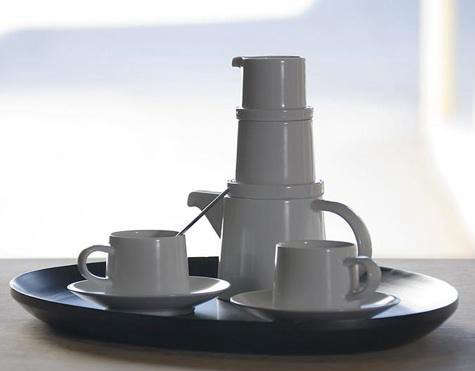
At its most recognizable, the M-Type Coffee Set is a porcelain service that includes a coffee pot, cream pitcher, sugar bowl, and matching cups and saucers. The central pieces stack into a neat vertical tower, making the set visually memorable and practically efficient. That stacking feature is not just a party trick. It reflects a design philosophy that treats storage, serving, and beauty as parts of the same conversation.
In a tabletop world crowded with oversized mugs, noisy patterns, and “rustic” dishes that look as if they lost a fight with a pottery wheel, the M-Type Coffee Set stands out through restraint. Its shape is geometric but friendly. Its surfaces feel clean and composed. It can sit comfortably beside modern furniture, vintage wood, linen napkins, or a very serious pastry that believes it deserves its own Instagram account.
The Design Story: Japanese Porcelain Meets Everyday Modernism
The M-Type series is closely tied to Hakusan Porcelain, a respected Japanese tableware maker from Hasami, Nagasaki Prefecture. Hasami has a long history of producing practical porcelain for everyday use, and that heritage matters. The M-Type Coffee Set does not feel like an object created only for display shelves. It feels like design meant to live near breakfast plates, open books, and the occasional crumb emergency.
The M-Type cup and saucer were designed in 1973 by Masahiro Mori, one of Japan’s influential ceramic industrial designers. Mori’s work is often celebrated for combining mass production with warmth, utility, and elegant forms. That balance is important: the pieces are not handmade in the “every wobble is personality” sense, yet they do not feel cold or anonymous. The result is modern tableware with a human pulse.
The series reflects a broader postwar Japanese design movement that took traditional vessels and reimagined them for modern homes. Rather than copying old teapots or Western coffee services, the M-Type language does something smarter. It borrows the discipline of Japanese ceramics, the clarity of industrial design, and the hospitality of a proper coffee service, then compresses them into one compact tabletop statement.
What Is Included in the M-Type Coffee Set?
A classic M-Type Coffee Set is often described as a seven-piece porcelain service. It includes the coffee pot, a creamer, a sugar bowl, two cups, and two saucers. The pot, creamer, and sugar bowl are designed to stack neatly, creating the set’s most famous silhouette. It is storage, sculpture, and serving gear all at once. Marie Kondo would probably approve, then ask if the sugar bowl sparks joy. It does.
The Coffee Pot
The pot anchors the set visually and functionally. Its shape is simple but not boring, with a profile that feels architectural. It is not trying to imitate a diner carafe or a silver Victorian coffee pot. Instead, it says, “I am here to serve coffee calmly and make your table look 30 percent more intelligent.”
The Cream Pitcher and Sugar Bowl
The cream pitcher and sugar bowl are small but essential. They turn coffee from a solo beverage into a shared ritual. Even if your guests take their coffee black, these pieces make the table feel prepared. They are the tabletop equivalent of having extra towels in the guest bathroom: civilized, thoughtful, and quietly impressive.
The Cups and Saucers
The matching cups and saucers complete the experience. M-Type cups are known for a slightly trapezoidal, gently playful form. The shape gives the cup visual lift while keeping the overall design disciplined. The saucer provides a landing place for the cup, a spoon, a sugar cube, or one tiny cookie you claimed you were not going to eat.
Why Porcelain Works So Well for Coffee
Porcelain is a smart material for a coffee set because it is hard, smooth, nonporous when properly glazed, and visually elegant. Unlike some porous materials, porcelain does not easily hold onto old flavors or odors. That matters when coffee is involved. Nobody wants today’s Ethiopian light roast haunted by yesterday’s cinnamon tea.
Porcelain also gives coffee service a clean sensory experience. The feel of the rim, the weight of the cup, the color contrast between dark coffee and pale ceramic, and the way the vessel sits in the hand all influence how drinking feels. Coffee is not only a caffeine delivery system, although on Monday morning it may perform that sacred duty heroically. It is also aroma, warmth, ritual, and presentation.
The M-Type Coffee Set uses porcelain in a way that emphasizes purity of form. There is no need for loud decoration. The shape is the decoration. The stack is the drama. The white or blue finishes commonly associated with M-Type pieces keep the service versatile enough for minimalist kitchens, midcentury dining rooms, and modern apartment tables where counter space is negotiated like international diplomacy.
How the M-Type Coffee Set Improves the Tabletop Experience
A good tabletop arrangement is not about making guests afraid to touch anything. It is about making daily rituals feel intentional. The M-Type Coffee Set excels because it creates a focal point without bullying the rest of the table. It has presence, but it does not shout.
For a casual breakfast, place the stacked pot, creamer, and sugar bowl on a wooden tray with two cups and saucers beside it. Add linen napkins, a small bowl of fruit, and toast. Suddenly, breakfast looks less like “I found bread” and more like “I have a philosophy.”
For afternoon coffee, pair the set with a simple cake, biscotti, or butter cookies. The clean porcelain makes baked goods look warmer and more inviting. If the table includes patterned plates, keep the napkins plain. If the plates are plain, add texture through a woven placemat or natural wood board. The M-Type set is versatile enough to handle both approaches.
For entertaining, use the set as a conversation starter. Guests may notice the stacking form first, then the Japanese design story, then the fact that coffee tastes better when served with a little ceremony. This is the rare tabletop object that is useful before, during, and after the drink is poured.
Styling Ideas for Modern Homes
1. Minimalist Coffee Tray
Use a light wood or matte black tray, two M-Type cups and saucers, a small spoon, and a folded linen napkin. Keep everything else quiet. This setup works beautifully on a kitchen island, sideboard, or low living-room table. The goal is not to create a hotel buffet. The goal is calm caffeine.
2. Japanese-Scandinavian Breakfast Table
The M-Type Coffee Set pairs naturally with pale woods, soft gray textiles, simple glassware, and understated ceramics. Add rye toast, jam, and fruit for a table that feels like Kyoto met Copenhagen and they decided to open a very tasteful café.
3. Vintage Modern Display
If you collect midcentury furniture or vintage tableware, the M-Type set can bridge eras. Place it near teak, walnut, or cane furniture. Its 1970s origin gives it historical credibility, while its clean form keeps it from looking dated.
4. Small Apartment Coffee Station
Because the central components stack, the set is especially appealing for compact spaces. Instead of spreading serving pieces across a cabinet, the M-Type design reduces visual clutter. It is a coffee set that understands the emotional reality of limited shelving.
Care and Maintenance: Keep the Porcelain Looking Sharp
Porcelain is durable, but it still deserves sensible care. Most modern glazed porcelain can handle everyday washing, and many porcelain pieces are dishwasher safe unless they include metallic trim, delicate hand-painted details, or special finishes. When in doubt, check the manufacturer’s instructions before tossing anything into the dishwasher like it owes you money.
To preserve the finish, avoid abrasive scrubbers. A soft sponge, mild dish soap, and warm water are usually enough. Coffee stains can be handled with a gentle baking soda paste or a non-abrasive cleaner designed for dishware. Rinse thoroughly so your next cup does not come with a bonus note of cleaning product.
When stacking cups or saucers, place a soft liner, paper towel, or coffee filter between pieces if they will be stored for a long time. This helps reduce surface scratches. Also, avoid sudden temperature shocks. Pouring boiling liquid into very cold porcelain is not ideal. Pre-warming the pot and cups with hot water can improve both safety and the coffee experience.
Is the M-Type Coffee Set Practical or Collectible?
The best answer is both. The M-Type Coffee Set has collectible appeal because of its design history, Japanese porcelain heritage, and association with Masahiro Mori and Hakusan. But it is also practical because it was created around use. That is the magic. It is not a fragile diva sitting in a cabinet whispering, “Only bring me out for anniversaries.” It can serve coffee, hold cream, organize sugar, and look composed while doing so.
For collectors, condition matters. Look for chips, cracks, crazing, repairs, missing lids, mismatched saucers, or worn glaze. A complete set is more desirable than scattered pieces, especially because the stacking relationship depends on the original forms working together. For everyday users, the question is simpler: does it feel good in the hand, pour well, clean easily, and make your coffee ritual more enjoyable?
If you find an M-Type Coffee Set through a design shop, vintage dealer, or resale marketplace, compare details carefully. Confirm the maker, dimensions, condition, and whether all components are included. Because M-Type pieces have been reissued, buyers should distinguish between vintage examples and later production. Both can be wonderful, but they should be valued honestly.
Who Should Buy an M-Type Coffee Set?
The M-Type Coffee Set is ideal for design lovers, coffee enthusiasts, collectors of Japanese tableware, and anyone who believes daily objects should be better than “fine, I guess.” It is particularly appealing if you enjoy compact design, stackable storage, porcelain craftsmanship, and tabletop pieces that tell a story without needing a 40-slide presentation.
It may not be the best fit for someone who wants giant mugs the size of soup bowls. The cups are more refined than oversized American coffee mugs, which makes sense for a set designed around serving rather than gulping. If your coffee style is “fill a bucket and step away,” this set may encourage you to slow down. Frankly, that might be a good thing.
For hosts, it is a beautiful way to serve coffee after dinner. For couples, it turns a quiet weekend morning into a small ritual. For collectors, it offers a piece of modern Japanese design history. For small-space dwellers, it offers the bonus of stacking neatly, which is basically romance in apartment language.
of Real-Life Experience: Living With a Set Like the M-Type Coffee Set
Using a coffee set like the M-Type changes the pace of the morning. A regular mug says, “Get moving.” A proper coffee set says, “Sit down for five minutes and behave like a person with curtains.” That may sound dramatic, but tableware has a strange power. The vessel changes the ritual, and the ritual changes the mood.
Imagine a Saturday morning with no urgent emails, no heroic laundry plan, and no one asking where the scissors went. You bring out the M-Type Coffee Set, stack intact, and place it on a small tray. The shape immediately gives the table structure. Before coffee is even poured, the scene feels designed. Not expensive, not overdonejust considered.
The first practical pleasure is the stack. It saves space, yes, but it also creates a moment of assembly. You lift off the creamer. You remove the sugar bowl. You set the pot down. It feels a little ceremonial, but not stiff. There is a quiet satisfaction in objects that nest together properly. It is the same tiny thrill as closing a well-made drawer or finding the exact lid for a container on the first try. Small victory. Big emotional payoff.
Then comes the pour. A good porcelain coffee pot makes serving feel generous. Instead of everyone walking to the machine one by one, the coffee comes to the table. Conversation stays seated. The cream pitcher becomes useful even if only one person takes cream. The sugar bowl invites choice. The saucers catch drips, hold spoons, and make the cups feel complete. Suddenly, coffee is not a beverage grabbed between tasks. It is a shared pause.
The cup size also affects behavior. With a smaller, more refined cup, you sip rather than chug. You notice temperature, aroma, and sweetness. A delicate pastry tastes better beside it. Even toast seems to stand up straighter. This is not because the set has magical powers, although after enough caffeine one should never rule anything out. It is because good design reduces friction. Everything has a place, and the table feels calmer.
There is also a social advantage. Guests notice the M-Type Coffee Set without being intimidated by it. The stacking form invites questions: “How does that work?” “Is it Japanese?” “Is the sugar bowl part of the tower?” These are better conversation starters than the weather and far safer than asking people about their five-year plan.
The only caution is that a set like this can make your ordinary mugs look a little lazy. Once you experience coffee served from a coordinated porcelain set, the chipped novelty mug from a gas station vacation may begin to feel emotionally underdressed. Still, there is room for both. The M-Type Coffee Set is not for every caffeine emergency. It is for the mornings, afternoons, and after-dinner moments when coffee deserves a little dignityand maybe a cookie.
Conclusion: A Small Tower of Better Taste
The Tabletop: M-Type Coffee Set is more than a charming porcelain coffee service. It is a compact lesson in how design can make ordinary routines feel richer. Its Japanese modernist form, stackable structure, porcelain material, and connection to Hakusan’s tableware tradition give it lasting appeal. It works as a collectible, a functional serving set, and a visual centerpiece for modern coffee rituals.
What makes the M-Type Coffee Set special is not extravagance. It is intelligence. Every piece has a role. Every curve feels considered. The set brings order to the tabletop without becoming cold, and elegance without becoming precious. In a world full of disposable cups and rushed mornings, that feels quietly rebellious. The M-Type Coffee Set reminds us that coffee can be more than fuel. It can be a pause, a gesture, a shared ritual, and a very good reason to finally use the nice saucers.













