
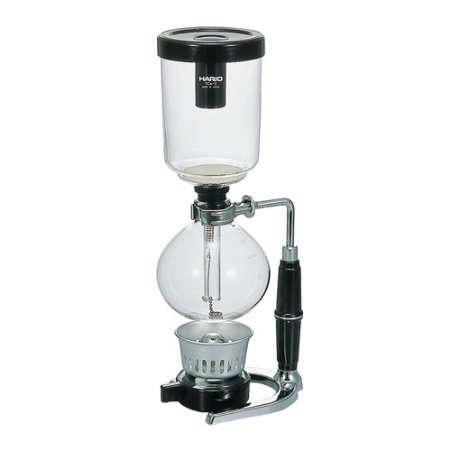
A syphon vacuum coffee maker is what happens when coffee, physics, and a little kitchen theater decide to move in together. It looks like laboratory glassware, behaves like a tiny weather system, andwhen used wellbrews a cup that is clean, aromatic, full-bodied, and suspiciously impressive to anyone standing nearby.
Also called a siphon coffee maker, vacuum coffee maker, vac pot, or coffee syphon, this brewer uses heat, vapor pressure, and vacuum force to move water between two chambers. The result is not just coffee; it is a small performance. Water rises, grounds bloom, steam swirls, and then brewed coffee drops back down as if gravity just remembered it had a job.
But the syphon is not merely a pretty object for people who alphabetize their coffee beans. It can produce excellent coffee because it combines full-immersion brewing with filtration. That means the grounds steep evenly in hot water, then the finished brew is pulled through a filter, creating a cup with clarity, fragrance, and a smooth texture.
What Is a Syphon Vacuum Coffee Maker?
A syphon vacuum coffee maker is a two-chamber coffee brewer. The lower chamber holds water, while the upper chamber holds coffee grounds during brewing. A filter sits between the two chambers. When heat is applied to the lower bowl, vapor pressure pushes the water upward into the top chamber. Once the heat is removed, the pressure drops, creating a vacuum that pulls the brewed coffee back down through the filter.
The spelling “syphon” is common in some coffee circles and product names, while “siphon” is more common in American English. Both refer to the same dramatic glass brewer. In SEO terms, using both spellings naturally is smart because coffee lovers search for both versions.
The Basic Parts
Most syphon coffee makers include a lower globe or carafe, an upper brewing chamber, a filter assembly, a heat source, and a stand or handle system. Some models use cloth filters, others use metal, paper, or glass rod filters. Classic tabletop versions often use alcohol or butane burners, while stovetop models sit directly over a burner. Newer electric versions automate much of the heating and timing.
How a Syphon Coffee Maker Works
The magic of vacuum brewing is not magic at all, which is slightly disappointing until you realize the science is even cooler. The brewer works through changes in pressure.
Step 1: Heat Builds Pressure
Water sits in the lower chamber. As the burner heats it, vapor pressure increases inside the sealed lower globe. Since the upper chamber is connected by a tube, the heated water is pushed upward into the top chamber. This is the “wait, is my coffee levitating?” moment.
Step 2: Coffee Brews by Immersion
Once the water rises, coffee grounds are added or already waiting in the upper chamber, depending on your recipe. The grounds steep in hot water, much like a French press, but with a more controlled environment and a built-in drawdown filter.
Step 3: Vacuum Drawdown Finishes the Brew
When you remove the heat, the lower chamber cools. As steam condenses, pressure drops, and the brewed coffee is pulled back down through the filter. The grounds remain in the upper chamber. The final coffee collects in the lower bowl, ready to serve.
This combination of immersion and filtration is why vacuum coffee often tastes both rich and clean. You get aromatic oils and body, but the filter helps remove sediment. It is like a French press that went to finishing school.
Why Coffee Lovers Still Use Syphon Brewers
In a world full of push-button machines, why would anyone use a brewer that looks like it belongs beside a chemistry textbook? Because the syphon vacuum coffee maker offers a rare mix of flavor, control, and spectacle.
1. The Flavor Is Bright, Clean, and Aromatic
Syphon coffee is known for clarity. Compared with a French press, it usually has less grit. Compared with some pour-over brews, it can feel rounder and more aromatic because the grounds are fully immersed. This makes it especially enjoyable for coffees with floral, fruity, nutty, or chocolate notes.
2. It Gives You Control
You can adjust grind size, brew ratio, water temperature, agitation, and steep time. A small change can make the coffee sweeter, brighter, heavier, or cleaner. For coffee hobbyists, this is paradise. For people who just want caffeine before speaking to another human, it may be a lot before 7 a.m.
3. It Turns Brewing Into an Experience
The syphon brewer is visual. It bubbles, rises, steeps, drops, and makes your kitchen feel like a tiny café with better lighting. If drip coffee is a reliable sedan, syphon coffee is a vintage convertible that requires attention but makes every trip feel special.
Best Coffee-to-Water Ratio for Syphon Coffee
A practical starting point is a 1:15 to 1:16 coffee-to-water ratio. That means 1 gram of coffee for every 15 to 16 grams of water. For example, use 25 grams of coffee with about 375 to 400 grams of water, or 35 grams of coffee with about 560 grams of water.
If you like a stronger cup, move closer to 1:14. If you prefer something lighter and more tea-like, try 1:16 or 1:17. The syphon is very responsive to small changes, so keep notes. Yes, coffee notes sound nerdy. They also save you from blaming the beans when the real villain was your grind size.
Best Grind Size for a Syphon Vacuum Coffee Maker
Use a medium to medium-fine grind. The grounds should be finer than typical French press coffee but not as fine as espresso. Think table salt, beach sand, or the texture of a good pour-over grind.
If your coffee tastes sour, thin, or weak, your grind may be too coarse or your brew time too short. If it tastes bitter, dry, or harsh, your grind may be too fine, your water too hot, or your agitation too aggressive. If the drawdown takes forever, the grind may be too fine or the filter may need cleaning.
Step-by-Step Guide: How to Brew Syphon Coffee
Here is a reliable beginner-friendly method for a classic tabletop or stovetop syphon coffee maker.
What You Need
- Syphon vacuum coffee maker
- Freshly roasted whole bean coffee
- Burr grinder
- Filtered water
- Scale
- Timer
- Stirring paddle or spoon
- Heat source, such as alcohol burner, butane burner, stovetop, or electric base
Brewing Method
- Measure water: Add your water to the lower chamber. Preheated water can speed up the process and make temperature control easier.
- Prepare the filter: Secure the cloth, metal, or paper filter in the upper chamber. Make sure it is centered and properly hooked.
- Assemble the brewer: Place the upper chamber into the lower chamber at an angle or fully sealed, depending on your brewer’s instructions.
- Heat the water: Apply heat until water rises into the upper chamber.
- Add coffee: Add medium-ground coffee and gently stir to saturate all grounds.
- Steep: Brew for about 60 to 90 seconds after the coffee is fully mixed. Some recipes go longer, but start simple.
- Remove heat: Turn off or remove the burner. The coffee should draw down into the lower chamber.
- Serve: Remove the upper chamber carefully, place it in its stand or lid, swirl the finished coffee, and pour.
The total process often takes around five minutes once you know your routine. The first time may take longer because you will stare at it like a confused wizard. This is normal.
Types of Syphon Coffee Makers
Tabletop Syphon Coffee Makers
These are the classic café-style brewers with a stand, glass chambers, and a burner underneath. Popular examples include traditional Hario-style brewers. They are beautiful, precise, and perfect for people who enjoy the ritual. They also require care because glass and open flame are not known for their forgiving personalities.
Stovetop Vacuum Coffee Makers
Stovetop syphon brewers sit directly on a gas or electric range. They tend to be sturdy and practical for larger batches. Some models include heat diffusers for electric coil burners. They are less theatrical than tabletop versions but often easier to integrate into a normal kitchen routine.
Electric Syphon Coffee Makers
Electric vacuum coffee makers automate the heat source and sometimes the timing. They reduce the learning curve and eliminate open flame. These models can be useful for people who want the syphon flavor profile without managing a burner like a tiny campfire in a glass tuxedo.
Belgian Balance Brewers
The Belgian balance brewer is a side-by-side variation of the vacuum brewing concept. It looks like something a royal inventor would use before announcing breakfast. The chambers sit horizontally, and a balancing mechanism helps control the heat source. It is elegant, dramatic, and usually more of a showpiece than an everyday brewer.
Cloth, Metal, Paper, or Glass Filter?
The filter affects flavor and maintenance. Cloth filters are traditional and can produce a very clean yet silky cup, but they must be rinsed and stored properly. A neglected cloth filter can develop unpleasant flavors, which is coffee’s way of saying, “Please wash your equipment.”
Metal filters are reusable, durable, and convenient, though they may allow more oils and fine particles into the cup. Paper filters create a cleaner flavor but may reduce body. Glass rod filters are elegant and reusable, though they can be less forgiving depending on grind size and brewer design.
Pros and Cons of a Syphon Vacuum Coffee Maker
Pros
- Produces aromatic, clean, full-flavored coffee
- Combines immersion brewing with filtration
- Offers excellent control over brewing variables
- Creates a memorable visual experience
- Great for entertaining guests or slowing down a weekend morning
Cons
- More fragile than most brewers
- Requires attention and careful cleaning
- Open-flame models need caution
- Not the fastest option for busy mornings
- Cloth filters require maintenance
How to Choose the Best Syphon Vacuum Coffee Maker
Start with your lifestyle. If you want beauty and ritual, choose a tabletop syphon. If you want larger batches and fewer loose parts, consider a stovetop model. If you want convenience, an electric vacuum coffee maker may be the best choice.
Look for heat-resistant borosilicate glass, stable construction, easy access to replacement filters, and a size that matches your drinking habits. A three-cup brewer may be perfect for one or two people, while larger stovetop models suit families or guests. Also consider the heat source. Butane burners offer more control than basic alcohol burners, while electric systems simplify the process.
Common Mistakes to Avoid
Using the Wrong Grind
Too fine, and the filter clogs. Too coarse, and the coffee tastes hollow. Start medium or medium-fine, then adjust based on taste and drawdown speed.
Letting the Water Get Too Hot
Water that is too hot can make coffee taste bitter or flat. Many coffee professionals aim for brewing temperatures near 195 to 205°F. With a syphon, heat management matters because the water can continue warming in the upper chamber.
Stirring Like You Are Making Soup
Gentle agitation is enough. A calm stir helps saturate grounds. Furious stirring can over-extract fines and create a muddy cup. The coffee is brewing, not auditioning for a whirlpool documentary.
Ignoring Filter Care
Cloth filters should be rinsed thoroughly after use and stored clean. Some users keep them in water in the refrigerator. Follow your manufacturer’s guidance. A clean filter equals clean flavor.
What Does Syphon Coffee Taste Like?
Syphon coffee often has a lively aroma, smooth texture, and clear flavor separation. If the beans have notes of citrus, jasmine, caramel, berry, cocoa, or toasted nuts, the syphon can present those flavors with surprising definition. It is especially enjoyable for light to medium roasts, though darker roasts can also work if you reduce heat and avoid over-extraction.
Compared with French press coffee, syphon coffee is usually cleaner. Compared with pour-over, it can feel rounder and more saturated. Compared with automatic drip coffee, it feels more intentionalpartly because it is, and partly because you had to assemble a glass tower before drinking it.
Is a Syphon Coffee Maker Worth It?
A syphon vacuum coffee maker is worth it if you enjoy the process of brewing as much as the final cup. It is not the most convenient coffee maker. It is not the easiest to clean. It is not ideal if your morning routine consists of pressing one button while wearing one sock.
But if you love coffee as a craft, the syphon is rewarding. It teaches you how grind, temperature, time, agitation, and filtration shape flavor. It also turns coffee into a sensory ritual. The sound of the water rising, the fragrance of the bloom, the visual drawdown, and the first sip all feel connected.
Real-Life Experiences With a Syphon Vacuum Coffee Maker
The first experience many people have with a syphon vacuum coffee maker is equal parts excitement and mild panic. You set the lower globe on the stand, attach the upper chamber, light the burner, and suddenly realize your peaceful coffee routine now includes live glassware, heat, and the possibility that your kitchen counter is hosting a science fair. Then the water begins to rise, and panic turns into fascination.
One of the most memorable parts of using a syphon is how quickly it changes the mood of a room. A drip machine can brew in the background while everyone checks their phones. A syphon demands attention. Guests lean in. Someone asks, “Is it supposed to do that?” Someone else says, “This looks expensive.” Then the coffee drops back down, and everyone acts like they personally discovered atmospheric pressure.
In daily use, the syphon teaches patience. The best cups usually come from small habits repeated consistently: weighing the beans, using filtered water, grinding just before brewing, preheating water when you want better control, and cleaning the filter immediately after use. None of these steps is difficult, but skipping one can change the cup. The syphon is honest that way. It rewards care and tattles on laziness.
A common beginner mistake is overheating the water. The coffee may still look beautiful, but the taste can turn bitter or dull. Another early lesson is that drawdown speed matters. When the brewed coffee refuses to return to the lower chamber, the grind is probably too fine, the filter may be clogged, or the seal may not be right. The first stalled drawdown feels dramatic. The second one feels educational. By the third, you start cleaning your filter like a responsible adult.
The flavor payoff can be excellent. A washed Ethiopian coffee may taste floral and tea-like, with citrus notes that seem brighter than they do in a French press. A Colombian medium roast may show caramel sweetness and red fruit. A Guatemalan coffee can become chocolatey, nutty, and balanced. The syphon does not automatically make bad beans taste good, but it can make good beans feel more expressive.
For busy weekdays, many people still reach for a simpler brewer. That is not a failure; it is honesty. The syphon shines on slow mornings, weekend brunches, after-dinner coffee, or any time you want brewing to be part of the pleasure rather than a caffeine delivery chore. It is also a fantastic conversation starter. Few brewing methods make people gather around the counter like children watching a magic trick.
The biggest practical advice is simple: treat the syphon like both a coffee maker and a delicate tool. Do not rush assembly. Do not bang the glass. Do not abandon the burner. Rinse the filter. Keep replacement filters handy. Use a burr grinder. Write down your best recipe. And when the brew finishes, pause for a second before pouring. That little glass globe just turned water, heat, pressure, and ground beans into something beautiful. It deserves its tiny standing ovation.
Conclusion
The syphon vacuum coffee maker is not just another brewer. It is a flavorful blend of science, craftsmanship, and performance. It uses vapor pressure to move water upward, immersion to extract flavor, and vacuum drawdown to filter the finished coffee into a clean, aromatic cup. While it requires more attention than an automatic drip machine, it gives coffee lovers something special in return: control, clarity, and a brewing ritual worth watching.
If you want fast and effortless coffee, choose a drip machine or single-serve brewer. If you want a deeper relationship with your beansand do not mind looking like a friendly kitchen chemistthe syphon coffee maker is absolutely worth exploring. Start with a 1:15 or 1:16 ratio, use a medium to medium-fine grind, control your heat, and keep the filter clean. Do that, and your syphon may become more than a coffee maker. It may become the best morning show in your house.













