
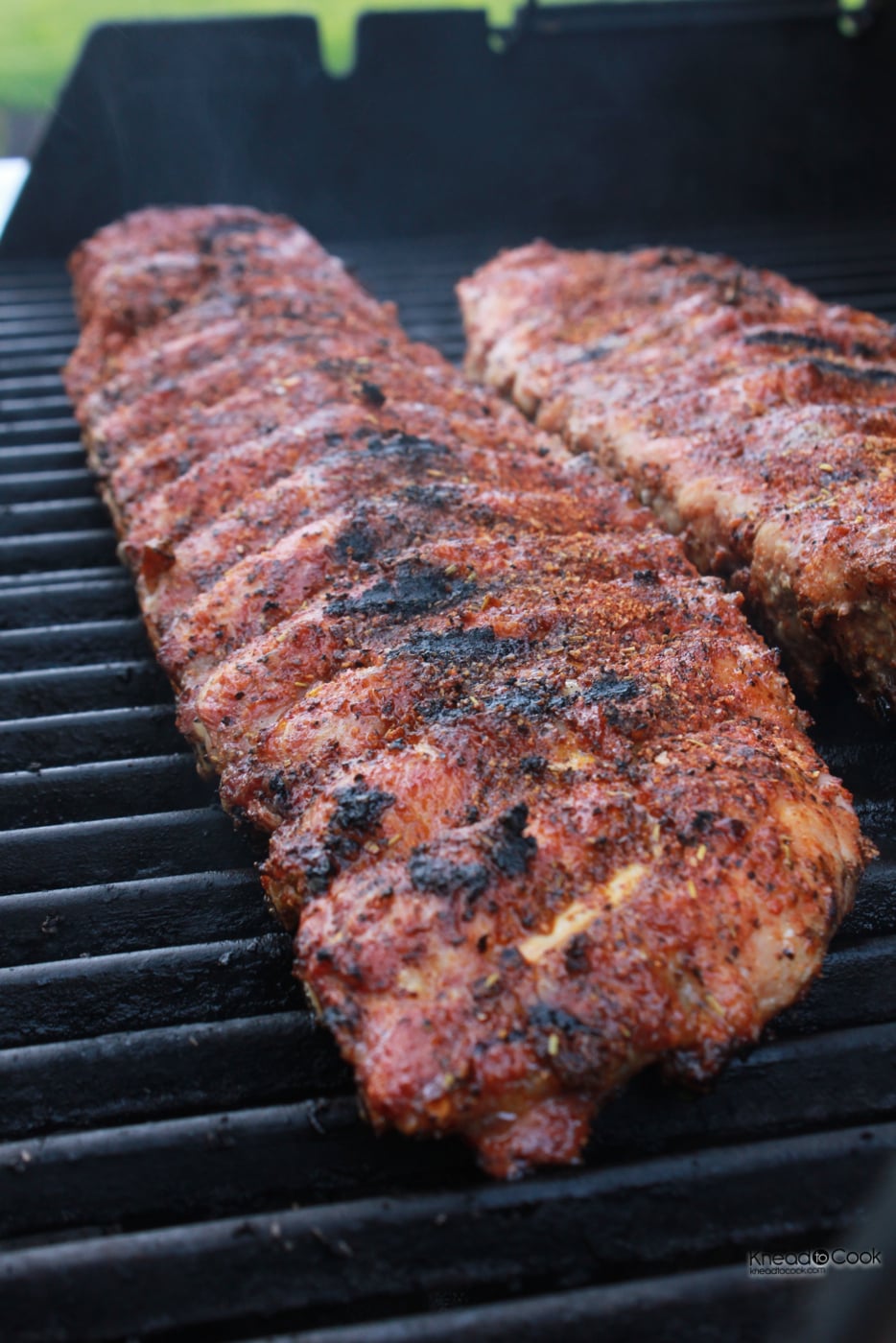
Some seasoning blends politely improve dinner. A great sweet, spicy, and smoky dry rub kicks open the kitchen door, announces that barbecue is happening, and makes the neighbors wonder why they were not invited.
This homemade BBQ dry rub is built around three complementary flavors. Brown sugar adds sweetness and encourages a flavorful crust. Smoked paprika brings deep color and wood-fired character without requiring a smoker. Cayenne and chili powder provide heat, while garlic, onion, cumin, mustard, and black pepper fill in the savory gaps.
The result is an all-purpose barbecue seasoning that works especially well on ribs, pulled pork, chicken thighs, wings, pork chops, burgers, brisket, roasted vegetables, and even potatoes. Better yet, the recipe takes only a few minutes to mix and can be adjusted from family-friendly to “somebody please bring me a glass of milk.”
What Makes a Great Sweet, Spicy, and Smoky Dry Rub?
A dry rub is simply a mixture of dried herbs, spices, salt, sugar, or other seasonings applied to the surface of food before cooking. The concept sounds simple because it is simple. The interesting part is getting the proportions right.
Successful barbecue rubs usually balance several flavor categories rather than allowing one ingredient to dominate. Sweetness softens chile heat, salt amplifies savory flavors, pepper adds bite, and aromatic spices create complexity.
Sweetness Creates More Than Sweet Flavor
Brown sugar is the backbone of many American barbecue rubs. Besides providing sweetness, sugar contributes to the dark, flavorful exterior associated with slowly grilled and smoked meats.
That does not mean more sugar is automatically better. Excess sugar can scorch when exposed to aggressive direct heat. If you are smoking pork shoulder at relatively low temperatures, a sugar-rich rub makes plenty of sense. If you are searing a steak over screaming-hot charcoal, use less sugar or apply the sweeter seasoning after the hardest part of the sear.
Smoky Flavor Starts With Paprika
Smoked paprika is one of the easiest ways to give a homemade dry rub a smoky personality. It contributes an earthy red-pepper flavor and the beautiful brick-red color people associate with classic barbecue.
Regular paprika can be substituted, but the result will taste milder. For additional smoke and heat, a small amount of chipotle chile powder works beautifully because chipotle peppers are smoked jalapeños.
Heat Should Support the Food, Not Attack It
Cayenne is powerful. A teaspoon spread throughout a batch of rub produces noticeable warmth without necessarily turning dinner into a competitive eating event. People who prefer mild barbecue can reduce it to 1/4 or 1/2 teaspoon. Serious chile lovers can increase it.
Black pepper and chili powder also contribute heat, but their flavor is broader and less sharply fiery than cayenne.
Sweet, Spicy, and Smoky Dry Rub Recipe
Yield: About 1 cup
Prep time: 5 minutes
Best for: Pork, chicken, beef, ribs, burgers, vegetables, potatoes, and barbecue
Ingredients
- 1/2 cup packed light or dark brown sugar
- 1/4 cup smoked paprika
- 2 tablespoons kosher salt
- 2 tablespoons freshly ground black pepper
- 1 tablespoon garlic powder
- 1 tablespoon onion powder
- 2 teaspoons chili powder
- 2 teaspoons ground cumin
- 1 teaspoon dry mustard
- 1 teaspoon cayenne pepper, or less to taste
- 1 teaspoon dried oregano
- 1/2 teaspoon chipotle chile powder, optional
Instructions
- Add the brown sugar, smoked paprika, salt, black pepper, garlic powder, onion powder, chili powder, cumin, dry mustard, cayenne, oregano, and optional chipotle powder to a medium bowl.
- Whisk thoroughly, breaking apart any brown sugar lumps with the back of a spoon.
- Taste a tiny pinch to evaluate the general balance, keeping in mind that the blend will taste stronger by itself than it does after cooking on food.
- Transfer the dry rub to a clean airtight jar or seasoning container.
- Label the container with the name and date, particularly if your spice cabinet already resembles a chemistry laboratory.
How Much Dry Rub Should You Use?
A useful starting point is approximately 1 tablespoon of dry rub per pound of meat. You can increase the amount for large cuts with substantial surface area, such as pork shoulder or ribs.
Sprinkle the seasoning evenly rather than dropping one giant pile in the middle and attempting to massage it halfway across a chicken. Press the rub gently against the surface so it stays attached.
For vegetables, start lighter. A tablespoon may season several cups of potatoes, cauliflower, carrots, or other vegetables depending on your taste.
Should You Use Oil or Mustard Under a Dry Rub?
You do not always need a binder. The natural moisture on meat is often enough to hold finely ground seasonings.
However, a thin coating of neutral cooking oil, olive oil, or prepared mustard can make application easier, particularly on ribs and large pieces of pork. Mustard is especially popular in barbecue because the cooked meat generally does not end up tasting strongly of mustard. Its primary job is helping seasonings cling to the surface.
Use only a thin layer. The goal is sticky meat, not meat wearing mustard soup as a winter coat.
When Should You Apply the Dry Rub?
For quick-cooking foods such as chicken breasts, pork chops, fish, shrimp, or vegetables, applying the seasoning 15 to 30 minutes before cooking is generally sufficient.
Larger meats can be seasoned farther in advance. A few hours in the refrigerator gives the salt time to interact with the meat while the surface spices remain ready to build a flavorful crust.
Another useful approach is to salt large cuts separately in advance and make the spice mixture without salt. This gives you tighter control over seasoning, especially when dry-brining thick steaks, turkey, brisket, or pork shoulder.
Best Foods for This Homemade BBQ Rub
Pork Ribs
Ribs might be this rub’s dream job. Brown sugar complements pork beautifully, while paprika, chile, garlic, and pepper create the classic sweet-hot barbecue profile.
Remove the membrane from the back of the rack if necessary, lightly coat the ribs with mustard or oil, season generously, and cook using indirect heat. Finish with barbecue sauce if desired, but good dry-rubbed ribs certainly do not require a sticky sauce disguise.
Pulled Pork
Pork shoulder provides plenty of surface area for developing deeply seasoned bark. Coat the exterior generously and cook low and slow until the connective tissue has broken down enough for easy shredding.
After pulling the pork, mix some of the seasoned exterior through the softer interior meat. Every forkful then gets a little smoke, spice, sweetness, and savory flavor.
Chicken
This sweet and smoky seasoning works particularly well with chicken thighs, drumsticks, wings, and whole roasted or grilled chicken.
Because poultry skin can encounter relatively high heat, watch carefully when using a sugar-containing rub. Indirect grilling followed by a shorter finishing period over stronger heat gives you better control than blasting the chicken directly over flames from beginning to end.
Beef and Brisket
Traditional brisket can be fantastic with little more than salt and pepper, but there is no barbecue police department that will confiscate your smoker for experimenting.
For beef, consider cutting the brown sugar in half and adding extra coarse black pepper. This produces a more savory, pepper-forward version while retaining paprika, garlic, cumin, and subtle sweetness.
Vegetables
Do not make meat carry the entire barbecue workload. Toss cauliflower, zucchini, mushrooms, carrots, sweet potatoes, corn, or regular potatoes with a little oil and this rub before roasting or grilling.
The smoky paprika is particularly convincing on roasted potatoes. They may suddenly develop the confidence of a side dish that thinks it deserves top billing.
How to Customize the Rub
The advantage of homemade seasoning is control. Commercial blends are convenient, but when you own the spice jars, you own the flavor.
For a Sweeter Rub
Add another 2 to 4 tablespoons of brown sugar. This variation is particularly good for ribs and pork shoulder cooked at lower temperatures.
For a Spicier Dry Rub
Increase cayenne gradually or add more chipotle chile powder. You can also mix in crushed red pepper for occasional sharper bursts of heat.
For More Smoke
Increase the smoked paprika and chipotle powder. Remember that actual wood smoke from a grill or smoker will intensify the smoky character, so do not bury the food beneath every smoky ingredient you own.
For a Savory, Low-Sugar Version
Reduce brown sugar to 2 tablespoons, double the black pepper, and slightly increase garlic and onion powder. This version is excellent for steak, burgers, mushrooms, and high-heat grilling.
For a Salt-Free Rub
Simply omit the kosher salt. Season the meat separately based on its size and your dietary needs, then apply the remaining spice mixture to the surface.
How to Prevent a Sugar-Based Rub From Burning
The easiest solution is heat management. Sweet barbecue rubs are happiest during roasting, smoking, and indirect grilling where surface temperatures are easier to control.
If cooking over direct high heat, turn food frequently and watch the exterior closely. For steaks or thin chops that need an intense sear, use a lower-sugar variation.
Also avoid confusing dark caramelization with burning. Properly cooked spice rubs can become dramatically darker as meat browns and smoke accumulates. The smell usually tells the story: rich and roasted is good; bitter and acrid means dinner is filing a complaint.
Food Safety Still Matters at the Barbecue
A gorgeous spice crust cannot tell you whether meat is safely cooked. Use a food thermometer rather than relying entirely on color.
USDA guidance calls for whole cuts of beef, pork, lamb, and veal to reach at least 145°F followed by a three-minute rest. Ground beef, pork, lamb, and veal should reach 160°F, while chicken, turkey, and other poultry should reach 165°F.
Keep utensils and platters that touched raw meat separate from cooked food. In other words, do not lovingly cook perfect chicken and then return it to the same raw-chicken plate. That is the culinary equivalent of completing a marathon and tripping over the finish line.
How to Store Homemade Dry Rub
Transfer the blend to an airtight container and keep it in a cool, dry, dark cupboard away from the stove, dishwasher, sunlight, and other sources of heat or moisture.
For the brightest flavor, make quantities you can reasonably use within a few months. Ground spices gradually lose aroma over time even when they remain usable. If you open the jar six months later and smell almost nothing, your barbecue rub has quietly retired.
Brown sugar can also attract moisture and cause clumping. Always use a dry spoon and close the container immediately after measuring.
Practical Experiences: What You Learn After Using a Sweet, Spicy, and Smoky Dry Rub
The most useful lesson from working with barbecue rubs is that the uncooked seasoning mixture does not tell the entire story. Taste the raw blend and the cayenne may seem aggressive, the salt obvious, and the paprika strangely dusty. Put that same mixture on pork, expose it to heat, rendered fat, smoke, and browning, and suddenly those individual ingredients behave like a band instead of musicians tuning their instruments at the same time.
Ribs are one of the easiest foods for understanding this transformation. At first, the rub looks like colored powder sitting on the meat. As cooking begins, moisture rises to the surface and combines with the sugar and spices. Gradually the exterior becomes darker and more cohesive. Several hours later, there is no obvious layer of brown sugar or paprika. There is simply a deeply seasoned crust.
Another practical lesson is that more rub is not always better. The first instinct with homemade seasoning is often to coat food until its original color becomes a historical memory. Large cuts can handle substantial seasoning, but thin pork chops, chicken breasts, shrimp, and vegetables need more restraint. Too much rub can produce a salty or powdery exterior instead of balanced flavor.
Heat adjustment is similarly personal. One teaspoon of cayenne in a full batch may taste pleasantly warm to one household and surprisingly spicy to another. Starting with 1/2 teaspoon is smart when cooking for children or guests whose chile tolerance is unknown. More cayenne can always be added to the next batch. Removing it requires technology not currently available in most kitchens.
The brown sugar level also teaches you about cooking technique. On low-and-slow pork, sweetness is an advantage. The exterior gradually darkens while the smoky and savory flavors develop. On a thin steak placed over extremely hot charcoal, that same sugar can darken far faster than the interior cooks. After seeing this once, most cooks quickly understand why one universal rub recipe benefits from small adjustments depending on cooking temperature.
Chicken thighs are another useful testing ground. Their richer flavor handles smoke, sweetness, garlic, and chile beautifully. Cooking them mostly over indirect heat and finishing them more aggressively near the end can produce seasoned skin without turning the sugar bitter. Wings work similarly and are particularly good when the cayenne is increased slightly.
Perhaps the biggest surprise is how useful a barbecue dry rub becomes away from the barbecue. A spoonful tossed with potatoes before roasting can transform an ordinary side. The same mixture works on chickpeas, corn, cauliflower, nuts, popcorn, and oven fries. Stir a small amount into mayonnaise and you have a smoky sandwich spread. Mix it into melted butter and brush it over grilled corn. Suddenly the jar labeled “BBQ RUB” is doing overtime.
Finally, keeping notes makes homemade seasoning dramatically better. After the first batch, write down whether you wanted more heat, less salt, stronger smoke, or additional sweetness. Adjust one or two ingredients at a time rather than redesigning the entire recipe. After several rounds, you stop making somebody else’s dry rub and start making your house rubthe mysterious jar friends eventually begin asking you to bring to every cookout.
Final Thoughts
A dependable sweet, spicy, and smoky dry rub does not need exotic ingredients or an intimidating spice collection. Brown sugar, smoked paprika, black pepper, garlic, onion, chile, cumin, mustard, and salt create a remarkably versatile foundation.
Use the original blend for ribs, pulled pork, chicken, and vegetables, then modify it to suit your cooking style. Lower the sugar for high-heat grilling, increase cayenne for extra fire, add chipotle for deeper smoke, or remove the salt when you want to season meat separately.
Once you have a jar waiting in the pantry, weeknight chicken suddenly requires less planning, potatoes become more interesting, and spontaneous barbecue becomes dangerously easy. The hardest part may be convincing everyone that yes, you really did make the seasoning yourself.
SEO Information
Note: This article was developed by synthesizing established culinary and food-safety guidance from reputable sources including USDA FSIS, Food Network, Bon Appétit, AmazingRibs, Traeger, Weber, Kingsford, McCormick, Allrecipes, EatingWell, Southern Living, Penn State Extension, University of Minnesota Extension, and the National Center for Home Food Preservation.












