
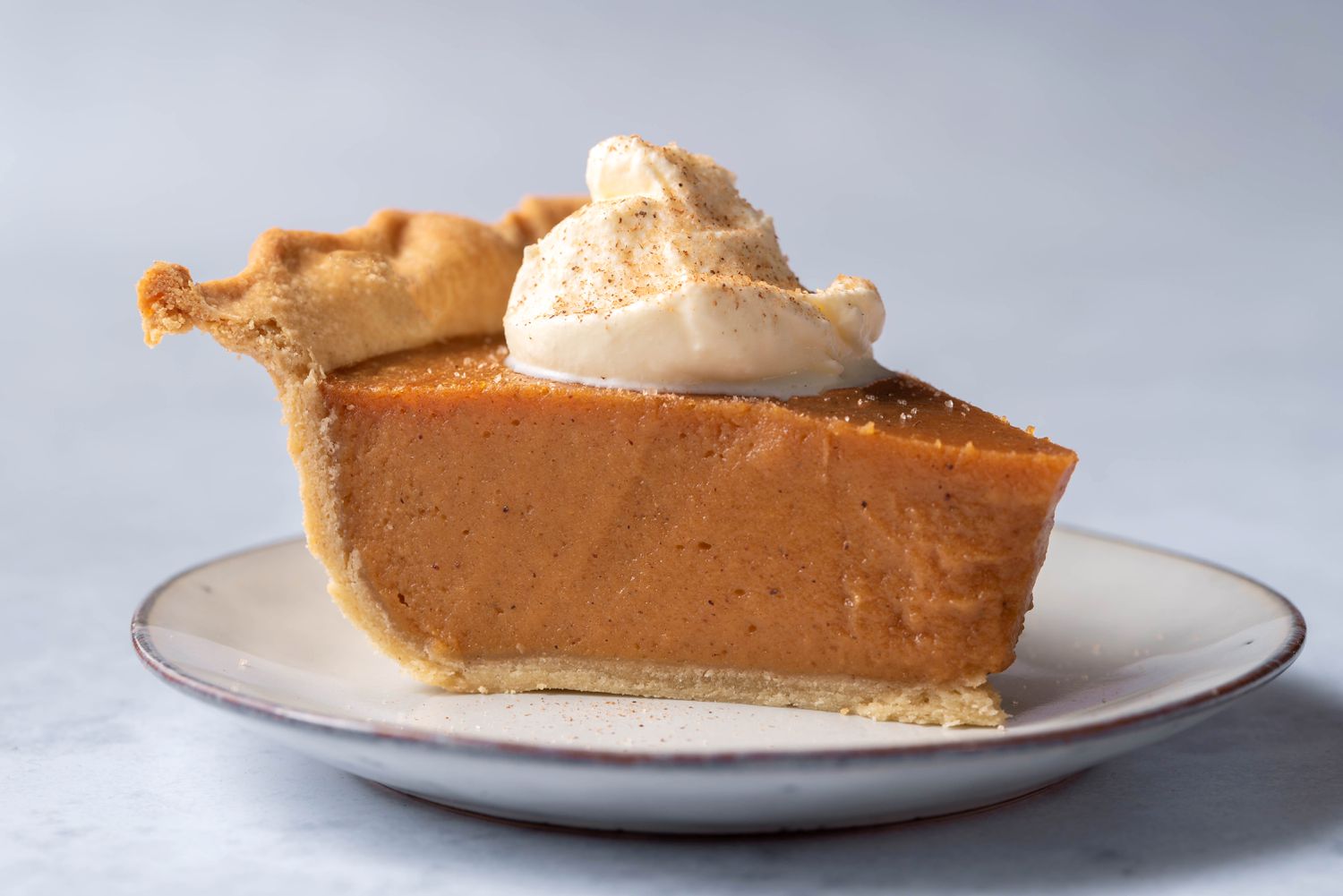
If pumpkin pie is the polite guest at the holiday dessert table, sweet potato pie is the cousin who walks in with confidence, hugs everyone twice, and somehow makes the whole room smell like cinnamon, butter, and good decisions. This classic Southern dessert is creamy, warmly spiced, naturally sweet, and wrapped in a flaky pie crust that deserves its own applause.
This sweet potato pie recipe is built for home bakers who want a smooth, flavorful filling without complicated pastry drama. It uses roasted sweet potatoes, brown sugar, butter, evaporated milk, eggs, vanilla, and cozy spices to create a pie that slices cleanly, tastes rich but not heavy, and makes people ask, “Who made this?” in that very serious dessert-table voice.
Why This Sweet Potato Pie Recipe Works
The best sweet potato pie starts with real sweet potatoes, not a filling that tastes like it wandered over from a can of pumpkin by mistake. Roasting the potatoes concentrates their natural sugars and gives the filling a deeper, almost caramel-like flavor. Boiling works too, but roasting adds more personality. Think of it as giving the sweet potatoes a tiny spa day in a hot oven.
The filling is a custard-style mixture, which means eggs and dairy help it set. Butter adds richness, brown sugar brings molasses notes, and spices like cinnamon, nutmeg, and ginger keep everything warm and balanced. A little salt is essential because sweet desserts without salt can taste flat, like a song missing the bass line.
Recipe Overview
- Prep time: 25 minutes
- Cook time: 55 to 65 minutes, plus sweet potato roasting time
- Cooling time: At least 2 hours
- Total time: About 3 hours 30 minutes
- Servings: 8 slices
- Best for: Thanksgiving, Christmas, Sunday dinner, potlucks, or any day that needs pie
Ingredients for Homemade Sweet Potato Pie
For the Pie
- 1 unbaked 9-inch pie crust, homemade or store-bought
- 2 cups mashed cooked sweet potatoes, from about 2 medium-large sweet potatoes
- 1/2 cup packed light brown sugar
- 1/4 cup granulated sugar
- 1/2 cup unsalted butter, melted and slightly cooled
- 2 large eggs, room temperature
- 3/4 cup evaporated milk
- 1 teaspoon pure vanilla extract
- 1 teaspoon ground cinnamon
- 1/2 teaspoon ground nutmeg
- 1/4 teaspoon ground ginger
- 1/4 teaspoon fine sea salt
- Optional: 1 teaspoon orange zest or 1 tablespoon bourbon
For Serving
- Fresh whipped cream
- A sprinkle of cinnamon
- Toasted pecans
- A drizzle of maple syrup or caramel sauce
How to Make Sweet Potato Pie
Step 1: Roast the Sweet Potatoes
Preheat the oven to 400°F. Scrub the sweet potatoes, pierce them several times with a fork, and place them on a parchment-lined baking sheet. Roast for 45 to 60 minutes, or until very tender. The skins should look wrinkled, and a knife should slide through the center easily.
Let the potatoes cool until they are safe to handle. Peel away the skins and mash the flesh until smooth. Measure out 2 cups. If the sweet potatoes seem stringy, press the mash through a fine-mesh sieve or blend it briefly in a food processor. Smooth filling is the goal; rustic lumps belong in mashed potatoes, not your pie slice.
Step 2: Prepare the Pie Crust
Place the pie crust into a 9-inch pie plate and crimp the edges. For a firmer bottom crust, chill the crust for 20 minutes, then par-bake it at 375°F for about 10 minutes using parchment paper and pie weights. This step is optional, but it helps prevent a soggy bottom, which is the pie version of wet socks.
If you are using a store-bought crust, follow the package instructions. If you are making homemade pie dough, keep everything cold and handle the dough gently. A flaky crust comes from cold butter, not heroic kneading.
Step 3: Mix the Sweet Potato Filling
Reduce the oven temperature to 350°F. In a large mixing bowl, combine the mashed sweet potatoes, brown sugar, granulated sugar, and melted butter. Beat until creamy. Add the eggs one at a time, mixing just until incorporated.
Stir in the evaporated milk, vanilla extract, cinnamon, nutmeg, ginger, and salt. Add orange zest or bourbon if using. Mix until the filling looks smooth and pourable. Avoid overbeating once the eggs are added because too much air can cause the pie to puff dramatically in the oven and then collapse like it just read its email.
Step 4: Fill and Bake
Pour the filling into the prepared pie crust. Place the pie on a baking sheet to catch any spills and make it easier to move in and out of the oven.
Bake at 350°F for 50 to 60 minutes. The edges should be set, and the center should still have a gentle jiggle. The pie will continue to firm up as it cools. If the crust edges brown too quickly, cover them with foil or a pie shield after about 30 minutes.
Step 5: Cool Before Slicing
Cool the pie on a wire rack for at least 2 hours before slicing. This part requires patience, which is rude but necessary. Cutting into the pie too early can make the filling loose and messy. Once cool, serve at room temperature or chilled with whipped cream.
Sweet Potato Pie Tips for the Best Texture
Use Roasted Sweet Potatoes for Deeper Flavor
Roasting sweet potatoes brings out their natural sweetness and reduces excess moisture. If you boil them, drain them very well and let them steam-dry for a few minutes before mashing. Too much water can make the filling loose.
Do Not Skip the Salt
Salt does not make the pie salty. It sharpens the flavor of the sweet potatoes, butter, sugar, and spices. Without it, the pie may taste sweet but dull.
Use Room-Temperature Eggs
Room-temperature eggs blend more evenly into the filling. Cold eggs can cause melted butter to firm up into tiny bits, which is not the end of the world, but it is avoidable.
Let the Pie Cool Completely
Sweet potato pie is a custard pie, so it needs time to set. The filling finishes firming as it cools. A clean slice depends on cooling, not wishful thinking.
Common Sweet Potato Pie Problems and Easy Fixes
Why Is My Sweet Potato Pie Runny?
A runny pie usually means it was underbaked, sliced too soon, or made with watery sweet potatoes. Bake until the edges are set and the center jiggles slightly, then cool completely. If your sweet potatoes were boiled, drain them well and mash only after excess steam has escaped.
Why Did My Pie Crack?
Cracks happen when custard pies are overbaked or cooled too quickly. Remove the pie while the center still has a slight wobble. A crack is not a tragedy, though. Add whipped cream and suddenly it becomes “decorative.”
Why Is the Filling Stringy?
Some sweet potatoes have fibrous strands. For the smoothest filling, blend the cooked sweet potato flesh or push it through a sieve before mixing it with the other ingredients.
How Do I Avoid a Soggy Crust?
Chill the crust before baking, consider par-baking it, and bake the pie on a preheated baking sheet. These small steps help the bottom crust firm up before the wet filling has a chance to make trouble.
Sweet Potato Pie Variations
Southern Sweet Potato Pie
For a traditional Southern-style pie, keep the filling simple: sweet potatoes, butter, sugar, eggs, milk, vanilla, cinnamon, nutmeg, and a pinch of salt. The flavor should be sweet, creamy, and nostalgic without being overly spiced.
Brown Sugar Sweet Potato Pie
Replace the granulated sugar with more brown sugar for a deeper molasses flavor. Dark brown sugar makes the pie richer and slightly more caramel-like.
Bourbon Sweet Potato Pie
Add 1 tablespoon of bourbon to the filling. It gives the pie warmth and depth without making it taste boozy. For a family-friendly version, skip the bourbon and use orange zest instead.
Pecan Sweet Potato Pie
Sprinkle chopped toasted pecans over the pie before serving, or add a pecan crumble topping during the last 20 minutes of baking. The crunch is a lovely contrast to the creamy filling.
Marshmallow-Topped Sweet Potato Pie
For a playful holiday version, add mini marshmallows during the final few minutes of baking and broil briefly until golden. Watch carefully; marshmallows can go from toasted to campfire emergency very quickly.
What to Serve With Sweet Potato Pie
Sweet potato pie is wonderful with fresh whipped cream, but it also pairs beautifully with vanilla ice cream, maple whipped cream, cinnamon cream, or a strong cup of coffee. If serving it after a big holiday meal, keep the topping light. The pie already brings plenty of richness.
For a dessert table, serve sweet potato pie alongside pecan pie, apple pie, and a simple fruit salad. It gives guests a creamy, spiced option that feels festive without being too heavy.
How to Store Sweet Potato Pie
Because sweet potato pie contains eggs and dairy, it should be refrigerated after cooling. Let the pie cool at room temperature for about 2 hours, then cover it loosely and refrigerate for up to 3 days.
To freeze, cool the pie completely, wrap it tightly in plastic wrap and foil, and freeze for up to 2 months for best quality. Thaw overnight in the refrigerator. Serve chilled, at room temperature, or gently warmed in a 300°F oven.
Can You Make Sweet Potato Pie Ahead of Time?
Yes, and honestly, it may taste even better the next day. The spices settle, the custard firms, and the flavor becomes smoother. Bake the pie one day ahead, cool it fully, cover it, and refrigerate. Before serving, let it sit at room temperature for 30 to 45 minutes.
Frequently Asked Questions
Is Sweet Potato Pie the Same as Pumpkin Pie?
No. They are similar because both are custard-style pies with warm spices, but sweet potato pie has a denser, creamier texture and a naturally sweet, earthy flavor. Pumpkin pie tends to be lighter and more spice-forward.
Can I Use Canned Sweet Potatoes?
Yes, but fresh roasted sweet potatoes usually taste better. If using canned sweet potatoes, drain them very well and avoid using syrup-packed varieties unless you reduce the sugar in the recipe.
Can I Use Milk Instead of Evaporated Milk?
Yes. Whole milk, half-and-half, or heavy cream can work. Evaporated milk gives the filling a creamy texture without making it too heavy.
Should Sweet Potato Pie Be Served Warm or Cold?
It can be served chilled, room temperature, or slightly warm. For the cleanest slices, chill the pie first and then let it sit out before serving.
How Do I Know When Sweet Potato Pie Is Done?
The edges should be set, and the center should jiggle slightly when the pie is gently moved. If the center looks liquid, keep baking. If it is fully firm in the oven, it may be overbaked.
Experience Notes: What Really Makes Sweet Potato Pie Better
The biggest lesson with sweet potato pie is that small details matter more than fancy ingredients. You do not need rare spices, a professional mixer, or a pie crust that looks like it graduated from art school. What you need is good sweet potato flavor, a balanced filling, and enough cooling time. The pie rewards calm bakers. It does not enjoy panic.
One practical experience-based tip is to roast the sweet potatoes earlier in the day, or even the night before. Hot sweet potatoes are awkward to peel, and they bring extra steam into the filling. When the potatoes are cool, the flesh is easier to handle and the texture is easier to judge. If the mash looks wet, let it sit in a bowl for a few minutes so excess moisture can evaporate. This helps prevent a loose pie.
Another useful habit is tasting the mashed sweet potatoes before adding sugar. Some sweet potatoes are naturally candy-sweet, while others are mild. If yours taste very sweet, you can reduce the granulated sugar slightly. If they taste earthy and plain, keep the recipe as written. Baking is science, yes, but sweet potatoes are produce, and produce has opinions.
Spices also deserve a gentle hand. Cinnamon is friendly and familiar, but too much nutmeg can take over fast. Ginger adds warmth, while orange zest makes the whole pie taste brighter. If you are baking for a crowd, stay classic. If you are baking for people who like bold flavor, add the orange zest or a splash of bourbon. Those small additions make the pie feel special without turning it into a completely different dessert.
Texture is where many pies win or lose. A hand masher gives a more old-fashioned filling, while a food processor creates a smoother, silkier pie. Both are good, but if you want bakery-style slices, blend the filling until smooth. Just do not whip it forever after adding the eggs. Too much air can make the pie rise dramatically and then sink as it cools.
The crust is another place where experience helps. A homemade butter crust tastes wonderful, but a store-bought crust is absolutely acceptable. The filling is the star. If using a premade crust, choose a deep-dish version if possible, and place the pie plate on a baking sheet. This makes the pie easier to move and protects your oven from spills. Future you will appreciate not scraping baked custard off the oven floor.
Finally, sweet potato pie is better when it is not rushed. Let it cool. Refrigerate it if making ahead. Slice with a sharp knife and wipe the blade between cuts. Add whipped cream right before serving, not hours earlier. A good sweet potato pie should taste creamy, buttery, gently spiced, and unmistakably homemade. It should feel like comfort food dressed up for company.
Conclusion
This sweet potato pie recipe delivers everything a great homemade pie should: a flaky crust, a creamy filling, warm spices, and deep sweet potato flavor. Roasting the sweet potatoes gives the filling natural sweetness, while brown sugar, butter, vanilla, and evaporated milk create that classic Southern-style richness. Whether you serve it for Thanksgiving, Christmas, Sunday dinner, or a random Tuesday that needs improvement, this pie brings comfort to the table one golden slice at a time.
Note: For best results, roast the sweet potatoes, let the pie cool fully before slicing, and refrigerate leftovers because this is a custard-style pie made with eggs and dairy.













