
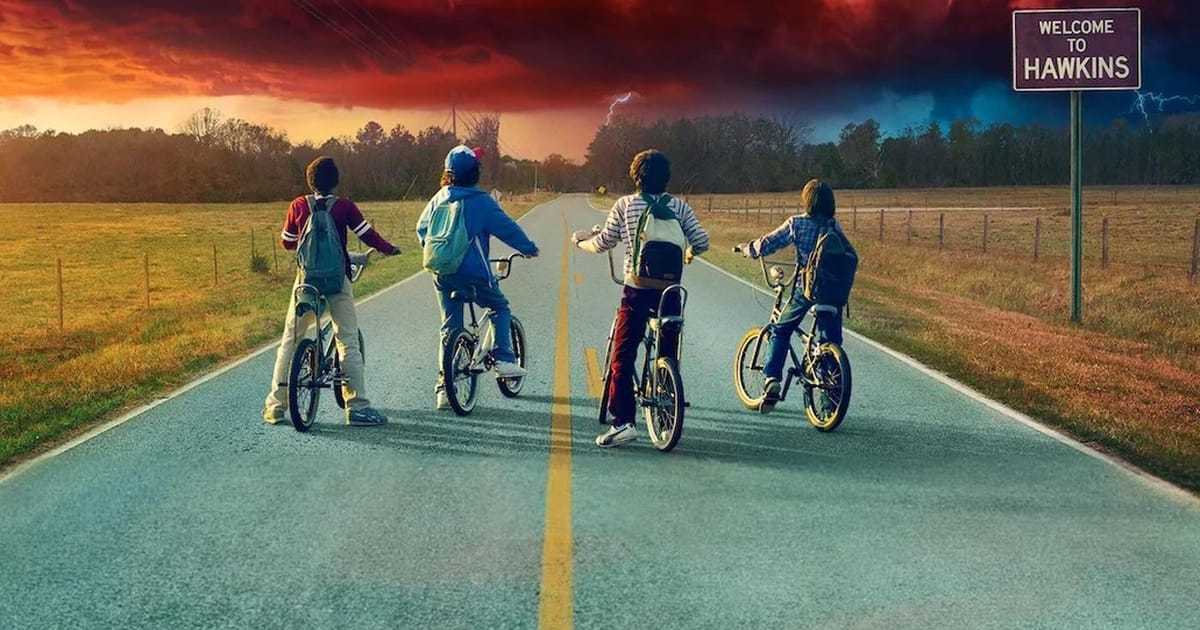
Stranger Things rankings and opinions are basically the internet’s favorite group project: everyone thinks they are right, everyone has “evidence,” and somehow Steve Harrington’s hair becomes part of the argument within three minutes. Since its 2016 debut, Netflix’s supernatural blockbuster has grown from a small-town mystery about a missing boy into a pop-culture creature with tentacles in horror, nostalgia, friendship, music, memes, and emotional damage. You know, family entertainment.
Ranking Stranger Things is tricky because the show has lived several lives. Season 1 is a compact mystery. Season 2 is the moody expansion pack. Season 3 is neon mall chaos with ice cream. Season 4 goes full horror epic. Season 5 brings the final showdown energy, with all the pressure of ending one of Netflix’s most famous series. So instead of pretending there is one “correct” answer, this article ranks the seasons, episodes, characters, villains, and major opinions based on storytelling, rewatch value, cultural impact, fan debates, and the extremely scientific measurement known as “how loudly people yell about it online.”
Why Stranger Things Is So Easy To Rank And So Hard To Agree On
The reason Stranger Things opinions get so passionate is that fans do not all watch the same show. Some viewers are here for Eleven’s powers and the mythology of the Upside Down. Others are here for Dustin and Steve acting like a buddy-comedy duo accidentally trapped in a monster problem. Some want horror. Some want romance. Some want more Joyce Byers panic-investigation energy, which is fair because Joyce treats every clue like she is personally challenging the universe to a wrestling match.
That variety is the show’s strength and its ranking problem. A season can be “best” because it has the tightest plot, the biggest emotional scene, the scariest villain, the funniest character pairing, or the most satisfying finale. This is why best Stranger Things season debates never die. They simply hide in the Upside Down and return when someone posts a new ranking.
Stranger Things Seasons Ranked From Best To Most Debatable
1. Season 1: The Small-Town Mystery That Started Everything
Season 1 still earns the top spot because it is the cleanest, most focused version of Stranger Things. The mystery of Will Byers’ disappearance, Eleven’s arrival, the Hawkins Lab conspiracy, and the Demogorgon threat all fit together with the satisfying click of a Dungeons & Dragons dice roll landing exactly where it should. Nothing feels too crowded. The kids feel natural. The adults have real stakes. The horror is spooky without becoming overwhelming.
What makes Season 1 special is restraint. The show hints at a larger world but does not bury viewers under mythology homework. Eleven is mysterious, not overexplained. The Upside Down feels terrifying because we barely understand it. Joyce communicating through lights remains one of the show’s most memorable emotional images, and Hopper’s grief gives the season a grounded sadness beneath the supernatural spectacle.
Opinion: Season 1 is not just the best season; it is the reason every later season gets judged so harshly. It set the bar with a flashlight, a bicycle, and a very bad government facility.
2. Season 4: The Horror Epic With The Biggest Swing
Season 4 is the most ambitious season, and when it works, it works like a grandfather clock in a nightmare. Vecna gives the series its strongest central villain after the original Demogorgon because he combines monster horror with psychological dread. The Hawkins investigation, Max’s emotional arc, and the darker tone push the show into bigger, scarier territory.
“Dear Billy” became one of the defining episodes of the entire series because it turned a character’s trauma into a suspense sequence with emotional weight. The season also gave fans Eddie Munson, a character who entered late and still managed to become a full-blown fandom earthquake. That is not easy. Most new characters need time. Eddie needed a guitar, a vest, and approximately six minutes before viewers began defending him like he owed them rent.
The downside is length. Season 4 sometimes feels like three shows sharing a Netflix password: Hawkins horror mystery, California road trip, and Russian prison survival. Still, the highs are huge enough to place it near the top of any serious Stranger Things season ranking.
3. Season 2: Messy In Places, Stronger Than Its Reputation
Season 2 is often treated as the middle child wearing a Ghostbusters costume, but it deserves more respect. Will’s possession storyline is genuinely unsettling, the Mind Flayer expands the Upside Down mythology, and the season deepens the emotional bonds formed in Season 1. Most importantly, it creates the legendary Dustin-and-Steve friendship, one of the smartest accidental upgrades in modern TV.
The biggest argument against Season 2 is “The Lost Sister,” the divisive episode that sends Eleven away from Hawkins for a side story that many fans felt interrupted the momentum. It is not without purpose; it explores Eleven’s identity and anger. But in a season racing toward a Hawkins crisis, it lands like someone changed the channel during the best part.
Opinion: Season 2 is imperfect but important. It proves Stranger Things could expand beyond a one-season mystery, even if it occasionally tripped over its own cool jacket.
4. Season 5: The Finale With Huge Emotions And Heavy Expectations
Final seasons are difficult because fans are not just watching episodes; they are auditing emotional investments. Season 5 had to resolve Vecna, the Upside Down, Hawkins, character relationships, and years of fan theories. That is a lot of pressure for any show, even one with monsters that look like they were designed by a haunted tree.
The final season succeeds most when it returns to the core group dynamic and reminds viewers why Hawkins mattered in the first place. The best parts lean into friendship, sacrifice, fear, memory, and the idea that growing up does not mean leaving your weirdest experiences behind. Still, some viewers found certain choices rushed or divisive, especially because expectations had grown enormous after Season 4’s scale.
Opinion: Season 5 is emotionally powerful but not as clean as Season 1 or as thrillingly fresh as Season 4. It works best as a farewell, less as a perfectly balanced season.
5. Season 3: The Most Fun, The Least Subtle
Season 3 is the summer blockbuster season. Starcourt Mall, Scoops Ahoy, Russian codes, neon lighting, teenage drama, and body-horror chaos all collide in a season that knows exactly how loud it wants to be. It is the most colorful chapter of the show, and it has some of the funniest scenes in the entire series.
The problem is tone. Season 3 sometimes turns characters into louder versions of themselves. Hopper becomes more comedic and angry than some fans preferred. The Russian subplot is entertaining but cartoonish. The horror is bigger but less mysterious. Still, the finale delivers emotional punches, and the Dustin-Suzie musical moment remains one of the most delightfully ridiculous things the show ever attempted.
Opinion: Season 3 is not the best season, but it may be the easiest to rewatch when you want popcorn, jokes, and mall-based supernatural disaster.
Best Stranger Things Episodes Ranked
1. “Dear Billy”
This is the episode fans point to when arguing that Stranger Things can be more than nostalgia. Max’s story, the music, the editing, and the emotional stakes create a sequence that feels both terrifying and deeply human. It is suspense with a heartbeat.
2. “The Vanishing Of Will Byers”
The pilot deserves high placement because it builds the entire world with remarkable confidence. Hawkins feels ordinary, then wrong, then dangerous. The episode understands that the scariest thing is not always the monster; sometimes it is a mother realizing nobody believes her.
3. “The Gate”
Season 2’s finale gives nearly every major group something meaningful to do. Eleven’s return, Will’s rescue, and the closing of the gate bring action and emotion together in a way that feels earned.
4. “The Battle Of Starcourt”
This finale is big, messy, funny, sad, and extremely Season 3. It is not subtle, but subtlety left the building when a secret underground operation appeared beneath a mall food court.
5. “The Piggyback”
Season 4’s finale is massive in scope and emotional ambition. It is not perfect, but it is unforgettable, and it leaves the story in a place where the final season feels truly necessary.
Most Debated Stranger Things Opinions
Opinion 1: Steve Harrington Has The Best Character Development
This is barely controversial anymore. Steve begins as a typical popular boyfriend and evolves into babysitter, monster fighter, friend, mentor, and hair-care icon. His transformation feels organic because it happens through choices, not speeches. He becomes better by showing up.
Opinion 2: Eleven Is Essential, But The Show Works Best As An Ensemble
Eleven is the mythological center of Stranger Things. Without her, the story loses its engine. But the show becomes richer when it spreads attention across Mike, Dustin, Lucas, Will, Max, Nancy, Jonathan, Steve, Robin, Joyce, and Hopper. The strongest seasons balance superpowers with regular human courage.
Opinion 3: Max Became One Of The Best Characters
Max entered the show as the new kid with attitude, but her Season 4 arc gave her emotional complexity, vulnerability, and some of the series’ most memorable scenes. Her popularity is not just about one famous music moment. It is about how the show lets her pain, humor, and bravery exist together.
Opinion 4: “The Lost Sister” Is Overhated But Still Awkward
Fans often rank “The Lost Sister” near the bottom of the episode list. That reaction makes sense because the placement disrupts Season 2’s pacing. However, the idea behind it is not useless. It asks who Eleven might become if she chose revenge over connection. Good concept, awkward timing.
Opinion 5: Vecna Is The Best Villain After The Demogorgon
The Demogorgon is iconic because it is simple and frightening. Vecna works because he gives the Upside Down a face, a voice, and a personal connection to the show’s mythology. Some fans prefer the mystery of earlier monsters, but Vecna’s psychological style made the later seasons feel more intimate and dangerous.
Stranger Things Characters Ranked By Overall Impact
1. Eleven
Eleven is the heart of the mythology. Her powers, trauma, friendships, and identity shape the entire series. She is the reason Hawkins becomes a battlefield instead of just a strange town with terrible luck.
2. Will Byers
Will is the emotional doorway into the story. His disappearance starts everything, and his connection to the Upside Down keeps him important long after Season 1. He is quiet, but the plot keeps orbiting him.
3. Steve Harrington
Steve has the best glow-up. He brings humor, warmth, and surprising emotional intelligence. Also, any character who can survive monsters while managing a group of chaotic teenagers deserves hazard pay.
4. Max Mayfield
Max brings sharpness, independence, and emotional depth. Her later-season storyline changed how many viewers saw the show’s ability to handle grief and fear.
5. Jim Hopper
Hopper gives the show its bruised adult soul. He is protective, flawed, stubborn, and deeply human. He also proves that in Hawkins, parenting sometimes involves fighting monsters before dinner.
6. Dustin Henderson
Dustin is the show’s charm engine. He is funny without being useless, smart without being boring, and loyal without becoming bland. Many of the show’s best pairings involve Dustin because he makes every scene bounce.
7. Joyce Byers
Joyce is relentless love in human form. She notices what others ignore, believes what others dismiss, and refuses to let reality boss her around.
What Fans Usually Get Right And Wrong About Rankings
Fans are right that Season 1 has the best structure. They are also right that Season 4 contains some of the show’s highest highs. They are right that Season 3 is fun, even when it behaves like it drank three milkshakes and sprinted through a fireworks store. They are right that Season 2 has pacing problems but also crucial character growth.
Where fans sometimes go wrong is confusing “not my favorite” with “bad.” A season can be weaker and still contain excellent scenes. A character can be annoying in one storyline and still essential to the larger emotional design. A finale can disappoint some expectations while still offering meaningful closure. Ranking is not math. It is memory wearing a referee shirt.
Experience Notes: Watching Stranger Things Rankings Turn Into A Social Event
The funniest thing about Stranger Things rankings and opinions is that they rarely stay private. You can start with a harmless sentence like “I think Season 2 is underrated,” and suddenly the room becomes a courtroom. Someone is defending Season 3 because it is “just fun.” Someone else is arguing that Season 4 is the peak because Vecna finally made the show scary again. A third person is silently preparing a PowerPoint about why Season 1 is untouchable. Nobody asked for the PowerPoint, but everyone respects the effort.
Rewatching the series makes the debate even better. Season 1 feels smaller after you know how large the story becomes, but that actually helps it. The early scenes have a homemade charm, like the show is whispering instead of shouting. You notice how much tension comes from silence, empty roads, nervous parents, and kids who look genuinely too young to be dealing with interdimensional problems. It is the kind of season that makes you say, “They really nailed this,” while also wondering why anyone still lives in Hawkins.
Season 3, on the other hand, is the one that plays best with snacks. It is loud, colorful, and occasionally ridiculous in the way summer memories are ridiculous. Not every plot choice is graceful, but the vibe is strong. It is the season people put on when they want the comfort-food version of Stranger Things. You may complain about the tone, but you will probably keep watching because Scoops Ahoy has already taken your remote hostage.
Season 4 is the group-chat season. It creates the most “Did you see that?” moments. Max’s scenes, Eddie’s arrival, the Creel mystery, and the darker horror style give fans plenty to discuss. Even the criticisms are lively because the season swings big. It is easier to forgive messiness when a show is clearly trying to do something memorable instead of quietly coasting.
By the time Season 5 enters the conversation, rankings become emotional rather than logical. Finales carry baggage. Fans are not only judging plot structure; they are judging whether the ending honored their years of attachment. That makes opinions sharper. Some viewers value closure. Others value surprise. Some want every character to get a perfect ending, while others want consequences. The debate becomes less about monsters and more about what people needed from the goodbye.
That is why ranking Stranger Things remains fun. The show is not just a list of episodes. It is a memory machine. People remember where they were when they first watched Season 1, which character they unexpectedly loved, which scene made them text a friend, and which season they defended like a sports team. The best ranking is not the one everyone agrees with. It is the one that makes people want to rewatch, argue, laugh, and return to Hawkins one more time.
Conclusion: The Best Stranger Things Ranking Is The One You Can Defend
So, what is the final verdict? Season 1 is the best overall season because it is tight, emotional, scary, and beautifully simple. Season 4 is the boldest and contains some of the show’s strongest individual moments. Season 2 is underrated. Season 3 is the most entertaining comfort watch. Season 5 is a heartfelt finale that works best when viewed as a farewell rather than a flawless machine.
The best Stranger Things rankings understand that the show’s appeal comes from contrast: kids and monsters, jokes and grief, friendship and fear, small-town life and cosmic horror. Whether you rank by episodes, characters, villains, or emotional damage, one thing is clear: Hawkins may be fictional, but the arguments it creates are extremely real.












