
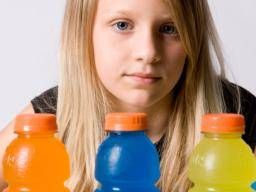
Sports drinks and energy drinks have become almost as common in teen backpacks as headphones, homework, and one mysteriously crushed granola bar. Bright colors, athlete endorsements, gaming partnerships, and promises of “energy,” “focus,” and “recovery” make these beverages look like accessories for a high-performance life.
But research suggests the story is more complicated. Regular consumption of sports drinks and energy drinks among adolescents has been linked with other unhealthy behaviors, including higher intake of sugary beverages, more screen time, cigarette smoking, sleep problems, and, in some studies, alcohol or substance-use risks. That does not mean a bottle of sports drink turns a teenager into a midnight gamer with a soda collection. It means these products may be part of a broader pattern worth noticing.
The important distinction is this: association is not causation. Researchers have found that these behaviors often travel together, but they cannot say that a sports drink or energy drink directly causes every risky behavior. Still, when a beverage marketed as “healthy” or “athletic” shows up alongside poor sleep, heavy screen use, sugary diets, or smoking, parents, schools, and coaches should probably pay attention.
Sports Drinks and Energy Drinks Are Not the Same Thing
Before putting every neon-colored beverage into one giant “bad stuff” bucket, it helps to separate sports drinks from energy drinks.
Sports Drinks: Built for Specific Athletic Situations
Sports drinks generally contain water, carbohydrates, electrolytes such as sodium and potassium, flavoring, and often a substantial amount of added sugar. They were designed for athletes involved in prolonged, intense exercise, especially in hot or humid conditions.
For most teenagers, however, a typical school day, PE class, casual bike ride, or one-hour practice does not require a sports drink. Water is usually enough. The American Academy of Pediatrics notes that water is sufficient for activities lasting less than an hour, while sports drinks may have a limited role during extended high-intensity exercise or activity in significant heat.
In other words, a sports drink can be useful in a narrow lane. The problem begins when it moves into the lunch table, the gaming desk, the car ride home, and the “I walked from chemistry to algebra, so I have earned tropical electrolyte punch” category.
Energy Drinks: Stimulants in a Can
Energy drinks are a different animal entirely. They often contain caffeine, sugar or sweeteners, and stimulant ingredients such as guarana, taurine, or herbal blends. They are marketed around alertness, endurance, performance, extreme sports, gaming, and staying awake when the human body is quietly begging for a pillow.
The American Academy of Pediatrics has stated that caffeine and other stimulants in energy drinks have no place in the diets of children and adolescents. Energy drinks are not hydration drinks, and they should not be treated like sports equipment.
What Research Says About Teen Drinking Patterns
A widely cited study of 2,793 students in grades 6 through 12 examined adolescent consumption of sports drinks and energy drinks. More than one-third of participants consumed sports drinks at least weekly, while 14.7% consumed energy drinks at least once a week. Regular use of both types of drinks was associated with higher consumption of sugary beverages and fruit juice, greater video game use, and cigarette smoking.
Sports drink use had one notable positive association: teens who consumed them were also more likely to report moderate-to-vigorous physical activity and participation in organized sports. That makes sense. Athletes are more exposed to sports drink marketing, team culture, sponsorships, and the idea that hydration must always arrive in a bottle with a lightning bolt on it.
Yet the same research raises an important question: Why are beverages associated with athletics also linked with smoking, heavy screen use, and higher consumption of other sugary drinks? One likely explanation is that teen health behaviors cluster. A young person may be active in sports but also spend long hours gaming, snack heavily, sleep too little, and experiment with other risky behaviors. Human behavior is rarely a neat little chart with one healthy column and one unhealthy column.
Energy drink consumption may be an especially useful warning sign because it can reflect a larger cycle involving fatigue, stress, late-night screen use, academic pressure, social habits, and attempts to stay awake. The drink may not be the whole problem, but it can be the fluorescent flag waving above it.
Why Energy Drinks Can Create a Sleep-and-Stimulant Loop
Teenagers already face a biological disadvantage when it comes to sleep. Their natural body clocks tend to shift later during adolescence, yet school often begins before many teens are truly awake. Add homework, sports, social media, gaming, jobs, and family obligations, and sleep can become the first thing sacrificed.
Energy drinks can appear to solve the problem. A teen feels exhausted in the morning, grabs a caffeinated drink, makes it through the day, then has trouble falling asleep at night. The next morning, the cycle restarts with another can, bottle, or oversized “focus” beverage.
Caffeine can interfere with sleep, and sleep is essential for learning, memory, mood regulation, physical recovery, and overall health. MedlinePlus notes that sleep helps restore energy and supports learning and memory. Research has also linked more frequent energy drink consumption with insufficient sleep and poorer sleep quality.
This is why energy drinks are not a real substitute for rest. They can temporarily cover up tiredness, but they cannot replace sleep any more than spraying cologne can replace a shower. The result may be a teenager who feels wired during the day, restless at night, and somehow both tired and jittery at the same time.
The Sugar Problem Hiding Behind the “Performance” Label
Many sports drinks contain enough added sugar to matter, particularly when consumed regularly outside demanding athletic activity. A teen who drinks one after school, another during gaming, and another with dinner may be taking in sugar that does not match their energy needs.
The American Heart Association recommends that children and adolescents limit added sugar to 25 grams, or roughly 6 teaspoons, per day. Some sweetened beverages can bring a teenager close to or beyond that amount in a single serving.
Excess sugary drink consumption has been associated with weight gain, obesity risk, dental problems, and cardiometabolic concerns. The issue is not that one sports drink automatically creates a health crisis. It is the habit: frequent liquid calories that do not make a person feel full, combined with other sweet drinks and heavily processed snacks.
Sports drinks can also be acidic, which matters for teeth. Frequent exposure to sweet and acidic beverages can contribute to enamel erosion and cavities. The American Dental Association identifies frequent consumption of acidic drinks as a risk factor for erosive tooth wear. A teenager may be training for stronger legs while quietly giving their enamel a very stressful internship.
Marketing Makes the Drinks Look More Necessary Than They Are
Sports drinks are often connected to famous athletes, elite competition, sweat, grit, and recovery. Energy drinks lean into gaming, extreme sports, social media, humor, rebellion, and the promise of being more focused, more awake, and somehow more interesting before first period.
That marketing can blur important lines. A teen may assume that a sports drink is always healthier than soda because it has electrolytes. They may assume an energy drink is safe because it is sold next to bottled water and snacks. They may think caffeine equals performance because the can says “focus,” even when the real issue is five hours of sleep.
Advertising does not need to say, “Drink this instead of sleeping.” It simply needs to make the beverage feel normal, athletic, social, or aspirational. That is powerful when the target audience is still learning how to separate health information from branding with excellent background music.
When Sports Drinks May Actually Make Sense
Sports drinks are not automatically forbidden. They may be appropriate for a teen participating in prolonged, intense activity, especially when exercising for more than one to two hours, training in high heat, or engaging in repeated endurance activity with heavy sweating.
Examples might include:
- A soccer player competing in multiple summer matches on a very hot day.
- A cross-country runner completing a long endurance session in humid conditions.
- A wrestler or football player in a demanding tournament schedule with significant fluid loss.
- An athlete completing prolonged training under professional coaching guidance.
Even then, the drink should be used strategically rather than casually. A sports drink is not a reward for attending practice. It is a tool for a specific hydration and fueling situation.
For ordinary daily hydration, water is the MVP. Milk, unsweetened beverages, and water-rich foods can also support hydration. The most impressive hydration strategy is usually the least dramatic one: drink water regularly, eat balanced meals, and stop treating every mildly warm moment like a desert survival documentary.
Why the Link to Other Unhealthy Behaviors Matters
When researchers find that sports and energy drink use is associated with cigarette smoking, sugary beverage intake, and higher screen media use, the takeaway should not be panic. It should be curiosity.
Instead of asking, “Why is my teenager drinking this?” adults may get better answers by asking, “What else is going on?” Is the teen sleeping enough? Are they stressed? Are they skipping breakfast? Are they spending late nights online? Are they using caffeine to cope with exhaustion, anxiety, or pressure? Are they surrounded by peers who normalize energy drink use?
Energy drink use has also been associated in research with substance-use patterns, including alcohol and tobacco use. That does not mean every teen who drinks an energy drink is headed toward serious risk. It means frequent use can be one signal among several that a broader conversation may be helpful.
The risk becomes more serious when alcohol and caffeine are mixed. Caffeine can make a person feel less sleepy without reducing alcohol impairment, which may encourage additional drinking or poor decisions. The CDC warns that mixing alcohol and caffeine can lead to greater alcohol consumption and is linked with risks such as dehydration, irregular heartbeat, and higher blood pressure.
How Parents, Coaches, and Schools Can Respond
The most effective approach is not usually a dramatic kitchen-table speech featuring a confiscated can held aloft like evidence in a courtroom drama. Teenagers tend to respond better to clear information, realistic alternatives, and adults who do not pretend they never wanted caffeine before a busy day.
Talk About the Difference Between Hydration and Stimulation
Explain that sports drinks are designed for specific athletic conditions, while energy drinks are stimulant products. One supports hydration in limited situations; the other can disrupt sleep, increase jitteriness, and add unnecessary caffeine.
Ask About Sleep Before Lecturing About Caffeine
If a teen relies on energy drinks, ask when they are going to bed, how often they wake at night, whether gaming or social media is keeping them up, and whether they feel overwhelmed by school or activities. The beverage may be a symptom of a schedule that needs repair.
Make Water the Easy Choice
Keep cold water available at home, in the car, and at practices. A reusable bottle does not have to be boring. It can have stickers, a favorite color, or enough personality to qualify for its own social media account.
Teach Label Reading
Teens should learn to check serving size, added sugar, and caffeine content. One container may contain multiple servings, and caffeine can also come from coffee, tea, soda, pre-workout supplements, and certain snack products.
Watch for Symptoms of Too Much Caffeine
Warning signs can include headaches, shakiness, anxiety, stomach upset, irritability, racing heartbeat, difficulty sleeping, or fatigue when caffeine wears off. A teen with chest pain, fainting, severe palpitations, or troubling symptoms should receive prompt medical attention.
Experiences From the Hallway, Gym Bag, and Late-Night Screen
The following examples are fictional composites based on common situations described by families, coaches, educators, and health professionals. They are meant to illustrate patterns, not diagnose anyone.
The “I Need It for Practice” Athlete
Jordan, a 15-year-old basketball player, began bringing a sports drink to every practice. At first, it seemed completely reasonable. Basketball is demanding, the gym was hot, and several teammates carried the same bottles. Over time, though, the drink became part of every afternoon, even on rest days. Jordan had one while doing homework, another while gaming, and sometimes one with dinner.
When Jordan’s parent asked why, the answer was simple: “It helps me recover.” But Jordan was not always recovering from a two-hour workout. Sometimes Jordan was recovering from walking upstairs, which is not exactly an Olympic event. Once the family started looking at the label, they realized the sports drink contained enough sugar to make it more of a sweet beverage habit than an athletic necessity.
The solution was not banning every bottle. Jordan’s coach explained when sports drinks could be useful during long, hot tournaments and encouraged water for normal practices. The family started keeping cold water and fruit available after school. Jordan still used a sports drink occasionally, but it stopped being a daily accessory.
The Late-Night Gamer With the “Focus” Can
Maya, age 16, started drinking energy drinks during long gaming sessions with friends. The first can felt helpful. She stayed alert, reacted faster, and did not feel sleepy. The problem was that she often drank the can at 8 or 9 p.m., then had trouble falling asleep until well after midnight.
The next morning, Maya was exhausted. By lunchtime, she wanted another energy drink because she felt foggy in class. That second drink made her feel more awake temporarily, but it also made her anxious and restless. The cycle continued: late sleep, daytime fatigue, caffeine, late sleep again.
What helped was not a lecture about gaming alone. Her family focused on the routine. They agreed on a screen cutoff before bedtime, moved caffeine earlier in the day, and made sure breakfast included actual food rather than just a drink with a cartoonishly aggressive font. Maya did not suddenly become a person who loved mornings, because no teenager should be asked to perform miracles, but she slept better and relied less on energy drinks.
The Social Drink at School
For some teens, the appeal is less about energy and more about belonging. A group of friends may stop at a convenience store before school, compare flavors, post photos of cans online, and treat the drink like a social ritual. Saying no can feel awkward when everyone else is holding the same brightly colored beverage.
In this situation, adults can help teens practice simple responses: “That stuff messes with my sleep,” “I have practice later,” or “I am trying to cut back.” Teens do not need a dramatic speech. They need an easy exit line that does not make them feel like they are announcing a lifestyle revolution in the snack aisle.
The Teen Who Is Actually Overloaded
Sometimes a teenager turns to energy drinks because life is genuinely packed. School starts early. There may be sports, part-time work, tutoring, family responsibilities, social pressure, and college worries. In that case, the drink is not the root problem. It is a quick fix for an overloaded schedule.
One family noticed their son was buying energy drinks almost every day after he joined multiple clubs and began working weekend shifts. Instead of focusing only on the cans, they reviewed his weekly schedule. He dropped one activity, moved homework earlier, and began packing snacks and water. The energy drinks became less necessary because the exhaustion itself became less extreme.
Conclusion: Choose Real Energy, Not Just a Louder Can
Sports drinks and energy drinks are not identical, and they should not be treated the same way. Sports drinks can serve a limited role during prolonged, intense athletic activity. Energy drinks, however, are not recommended for children and adolescents because of caffeine and stimulant concerns.
The bigger lesson is about patterns. Regular consumption of these beverages has been linked with other unhealthy behaviors, including more sugary drink intake, greater screen use, cigarette smoking, poor sleep, and substance-use risks. That does not make every teen who drinks one of these beverages unhealthy or reckless. It does mean adults should look beyond the label and ask what the drink is doing in a teen’s daily routine.
Water, balanced meals, adequate sleep, realistic schedules, and supportive conversations may not come in a shiny can with a turbocharged slogan. But they are much better at delivering the kind of energy teenagers actually need.
Note: This article is for general educational purposes and is not a substitute for individualized medical advice. Parents or caregivers with concerns about a teen’s caffeine use, sleep, heart symptoms, anxiety, eating habits, or substance use should consult a qualified health professional.












