
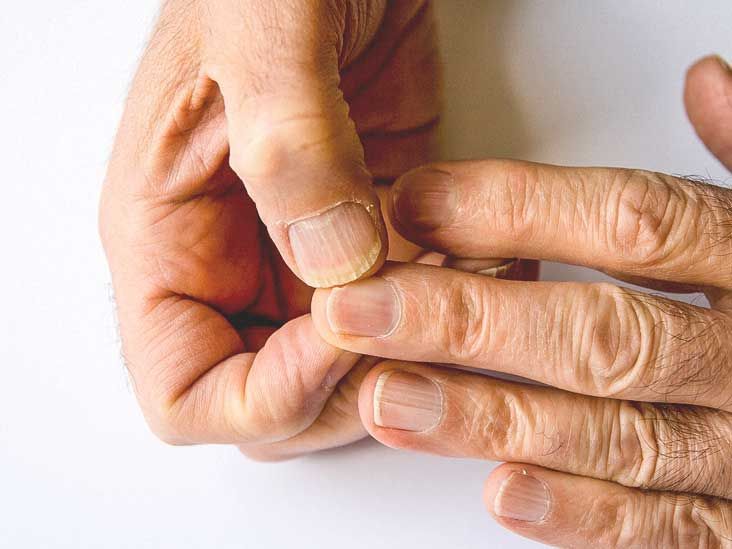
At first glance, spoon nails can look like your fingernails are trying out for a tiny kitchen utensil commercial. The center dips inward, the edges turn up, and suddenly your nail seems oddly qualified to hold a raindrop. Charming? Not exactly. Random? Also not exactly.
Spoon nails, known medically as koilonychia, are a nail change that can be harmless in some situations but can also point to an underlying health issue worth checking out. Most often, they’re linked to iron deficiency, but they can also show up with repeated trauma, hereditary nail patterns, or a few less common medical conditions. In other words, your nails are not being dramatic for no reason. They may be dropping clues.
This guide breaks down how to identify spoon nails, what causes them, when to worry, how doctors diagnose the problem, and what treatment usually looks like. We’ll also talk about the real-life experience of dealing with spoon nails, because the medical definition is one thing, but looking down at your hands and wondering why your nails suddenly resemble miniature cereal spoons is another.
What Are Spoon Nails?
Spoon nails are nails that become soft, thin, and concave, meaning they curve inward in the middle and upward at the edges. The classic shape looks like the nail has been gently scooped out. This change can affect fingernails, toenails, or both.
In many adults, spoon nails are most closely associated with iron deficiency anemia or low iron stores. That does not mean every curved nail equals anemia, but it does mean the finding deserves more respect than a casual shrug and a fresh coat of polish.
Sometimes spoon nails happen because of local nail trauma, long-term pressure, or inherited nail structure. In other cases, they are related to broader medical issues, including conditions that affect iron balance, blood flow, or nutrient absorption. The key point is simple: spoon nails are not a diagnosis by themselves. They are a sign.
How to Identify Spoon Nails
What spoon nails usually look like
Spoon nails do not always appear overnight. In many people, the change creeps in slowly. At first, the nail may look flatter than usual. Then the center starts to dip while the edges lift. Over time, the nail may appear unusually thin, fragile, or brittle.
Common features include:
- A shallow or deep depression in the center of the nail
- Edges that turn upward
- Thin, soft, or brittle nail texture
- Nails that snag more easily on clothing or hair
- Changes affecting several nails rather than just one
Some people notice the so-called “drop of water” effect, where a small droplet can briefly sit in the center of the nail. That can be a clue, but it is not a home test that replaces medical evaluation. A nail can look spoon-like for different reasons, and some nail abnormalities are better judged by a clinician who sees nail disorders regularly.
Spoon nails vs. other nail changes
Not every strange nail shape is koilonychia. Nail fungus often causes thickening, yellowing, crumbling, or separation from the nail bed. Psoriasis can cause pitting or roughness. Trauma can create ridges, bruising, or lifting. Spoon nails are more about shape than color. That distinction matters because different nail changes point to different causes and treatments.
What Causes Spoon Nails?
Iron deficiency: the usual suspect
The most common cause of spoon nails in adults is iron deficiency, especially when it has progressed enough to affect red blood cell production. Iron helps your body make hemoglobin, the protein in red blood cells that carries oxygen. When iron levels stay low for long enough, the body can start waving little red flags, and nails sometimes join the protest.
Iron deficiency may happen because you are not getting enough iron in your diet, but that is only one possibility. It can also develop because your body is losing blood, not absorbing iron well, or needs more iron than usual. Common examples include heavy menstrual bleeding, gastrointestinal bleeding, celiac disease, inflammatory bowel conditions, pregnancy, or a history of certain stomach or intestinal surgeries.
Hemochromatosis and iron overload
Here is the twist nobody asks for: spoon nails are not only linked to too little iron. In some cases, they can also appear with hemochromatosis, a condition in which the body absorbs too much iron. That is one reason self-diagnosing from a nail shape is risky. Reaching for iron supplements without knowing the cause can be a bad idea if iron overload is part of the picture.
Trauma, pressure, and irritants
Not every spoon-shaped nail starts in the bloodstream. Repeated trauma to the nail bed can also contribute. In babies and toddlers, thumb-sucking may play a role. In older children and adults, tight shoes can affect toenails, and repeated friction or occupational wear can affect fingernails. Frequent exposure to harsh chemicals, solvents, or detergents may also weaken nails and make abnormal changes more likely in some people.
Hereditary or idiopathic cases
Some people have spoon nails because of family patterning. In hereditary cases, the nails may have looked this way for years without evidence of anemia or another medical problem. There are also idiopathic cases, which is medicine’s polite way of saying, “The nails are doing this, but the exact reason is still not obvious.”
Less common medical associations
Less common causes and associations can include chronic disease, poor circulation patterns, connective tissue disorders, or long-standing nutrient problems. The message here is not to assume the worst. It is to remember that spoon nails sometimes deserve a little detective work.
Symptoms That May Show Up Alongside Spoon Nails
If spoon nails are related to iron deficiency, the nail change may not come alone. Other symptoms can include:
- Fatigue or low energy
- Shortness of breath with activity
- Dizziness or lightheadedness
- Pale skin
- Cold hands and feet
- Headaches
- Brittle hair
- A sore tongue or cracks at the corners of the mouth
Some people with iron deficiency also develop unusual cravings, such as wanting to chew ice. That symptom can sound oddly specific, but it is real. The larger point is that spoon nails often make more sense when seen as one clue in a bigger pattern.
How Doctors Diagnose Spoon Nails
A doctor usually starts with three things: looking at the nails, taking a health history, and asking the right questions. That may include questions about diet, periods, stomach symptoms, weight changes, family history, medications, shoe fit, exposure to chemicals, and how long the nail changes have been present.
If iron deficiency is suspected, testing often includes:
- A complete blood count (CBC)
- Ferritin level
- Serum iron and transferrin saturation or related iron studies
Depending on the results, the next step may be figuring out why iron is low. That part matters just as much as finding the deficiency. For example, iron loss from heavy periods is managed differently from iron loss caused by a bleeding ulcer or poor absorption from celiac disease.
If the pattern does not fit iron deficiency, your clinician may consider other causes or refer you to a dermatologist, primary care physician, or specialist. Nail changes can be surprisingly informative, but only when viewed in the full context of your health.
Treatment for Spoon Nails
Treat the cause, not just the curve
There is no magic “un-spoon” polish. The best treatment for spoon nails is to treat the underlying cause. If iron deficiency is the reason, treatment may involve iron-rich foods, iron supplements, or treatment for bleeding, malabsorption, or another contributing issue. If trauma is the culprit, reducing pressure or irritation gives the nail a better chance to grow normally. If the issue is hereditary, management may focus more on nail care than on changing the nail shape completely.
Don’t start iron just because the internet said so
This is an especially important point. Because spoon nails can be linked to both iron deficiency and, less commonly, iron overload, it is smart to confirm the cause before taking iron supplements regularly. Iron can be helpful when you need it and unhelpful when you do not. Your body appreciates accuracy.
Nail care while you wait for healthy regrowth
Nails grow slowly, so improvement usually takes time. While the new nail grows in, these habits can help:
- Keep nails trimmed but not aggressively short
- Use moisturizer on nails and cuticles
- Wear gloves when using harsh cleaning products
- Avoid picking, biting, or rough manicures
- Choose shoes with enough toe room
When the underlying problem is corrected, the nails often improve over the next several months. Translation: nails are not into speed. They are into slow, stubborn progress.
Foods and Habits That May Help
If iron deficiency is part of the story, food can support recovery, although diet alone may not be enough for everyone. Iron-rich foods include lean red meat, poultry, seafood, beans, lentils, spinach, fortified cereals, and other iron-fortified grains. Vitamin C can help improve iron absorption, so pairing iron-rich meals with foods like oranges, strawberries, tomatoes, or bell peppers can be helpful.
Plant-based iron sources are valuable, but they are absorbed less efficiently than iron from animal foods. That does not mean vegetarian or vegan diets cannot work. It just means planning matters more. A bowl of beans is useful. A bowl of beans with a vitamin C-rich sidekick is even better.
When Spoon Nails Mean You Should See a Doctor
You should make an appointment if:
- The spooning is new or getting worse
- Several nails are affected
- You also have fatigue, dizziness, shortness of breath, or paleness
- You have heavy menstrual bleeding or stomach symptoms
- You notice unexplained weight loss, weakness, or ongoing digestive trouble
- Your child has persistent nail changes and you are not sure why
Urgent care is more important if spoon nails show up alongside chest pain, fainting, severe shortness of breath, black or bloody stools, or other signs of significant illness. The nail change itself is rarely the emergency. The possible cause behind it can be.
Common Myths About Spoon Nails
“It’s probably just cosmetic.”
Sometimes, yes. Always, no. A cosmetic-looking nail change can still reflect a medical issue underneath.
“It must be nail fungus.”
Not necessarily. Fungus tends to cause thick, discolored, crumbly nails, while spoon nails are mainly defined by a scooped-out shape.
“I should just take iron.”
That is tempting, but not wise without knowing the cause. Testing first is safer and more useful.
“If it doesn’t hurt, it doesn’t matter.”
Nails can signal problems long before they become painful. Sometimes the body whispers before it shouts.
Real-Life Experiences With Spoon Nails
For many people, the experience of spoon nails starts with confusion, not panic. You notice that your nail polish looks strange. Your nails catch the light differently. A thumbnail starts looking flatter, then a little dipped, and one day you realize the edges are turning up. It is subtle enough to ignore at first and weird enough to keep checking in different lighting, as if your bathroom mirror might eventually say, “Yes, that is unusual.”
Some people first notice spoon nails during a season when they are already feeling “off.” They are tired all the time, colder than everyone else in the room, and weirdly winded after climbing stairs they used to conquer without drama. The nails become the visible clue that finally pushes them to schedule an appointment. In that sense, spoon nails can feel almost useful, like a tiny alarm system attached to your fingertips.
Others experience spoon nails as more of a practical annoyance. The nails feel flimsy. They bend too easily. They snag on sweaters, split during routine tasks, or refuse to look neat no matter how carefully they are trimmed. A person who usually never thinks about their nails suddenly spends an unfair amount of time studying them over coffee.
Parents may have a different experience. They notice an odd shape on a child’s nail and immediately spiral into a mental search engine full of alarming possibilities. Sometimes the answer is simple and temporary. Sometimes it leads to a useful workup for iron deficiency. Either way, the emotional experience is often the same at first: “Why does this tiny nail look like that, and why am I suddenly reading about hemoglobin at 11 p.m.?”
There is also the social side of spoon nails. Because the hands are always visible, people can feel self-conscious, especially if several fingernails are affected. Someone may hide their hands in photos, skip manicures, or worry that others will assume poor hygiene. That can be frustrating because spoon nails are not about being careless. They are often about an internal issue that deserves attention, not blame.
Then comes the treatment phase, which is rarely glamorous. If low iron is involved, improvement can be gradual. Energy may start to come back before the nails look normal again. That delay can test your patience. You fix the underlying problem, but your nails continue looking like tiny canoe paddles for weeks or months because healthy nail growth takes time. It is a strange lesson in biology and humility.
Many people describe relief once they know the cause. Even when treatment is not instant, having an explanation turns the experience from mysterious to manageable. The nails stop feeling random. They become part of a story with a beginning, a middle, and, ideally, a much less scoop-shaped ending.
So yes, spoon nails may seem like a small thing. But in real life, they can affect confidence, comfort, and peace of mind. They can also be the clue that helps someone discover iron deficiency, adjust a diet, investigate blood loss, or simply care for their health more thoughtfully. Not bad for something smaller than a paperclip.
Final Thoughts
Spoon nails are easy to dismiss as a cosmetic quirk, but they are often worth a closer look. The most common explanation is iron deficiency, though trauma, inherited traits, and less common medical conditions can also be involved. The good news is that spoon nails are often manageable and sometimes reversible once the underlying cause is identified and treated.
If your nails are changing shape, do not panic, but do pay attention. Your nails may not be doctors, but every now and then, they do deliver a useful memo.












