
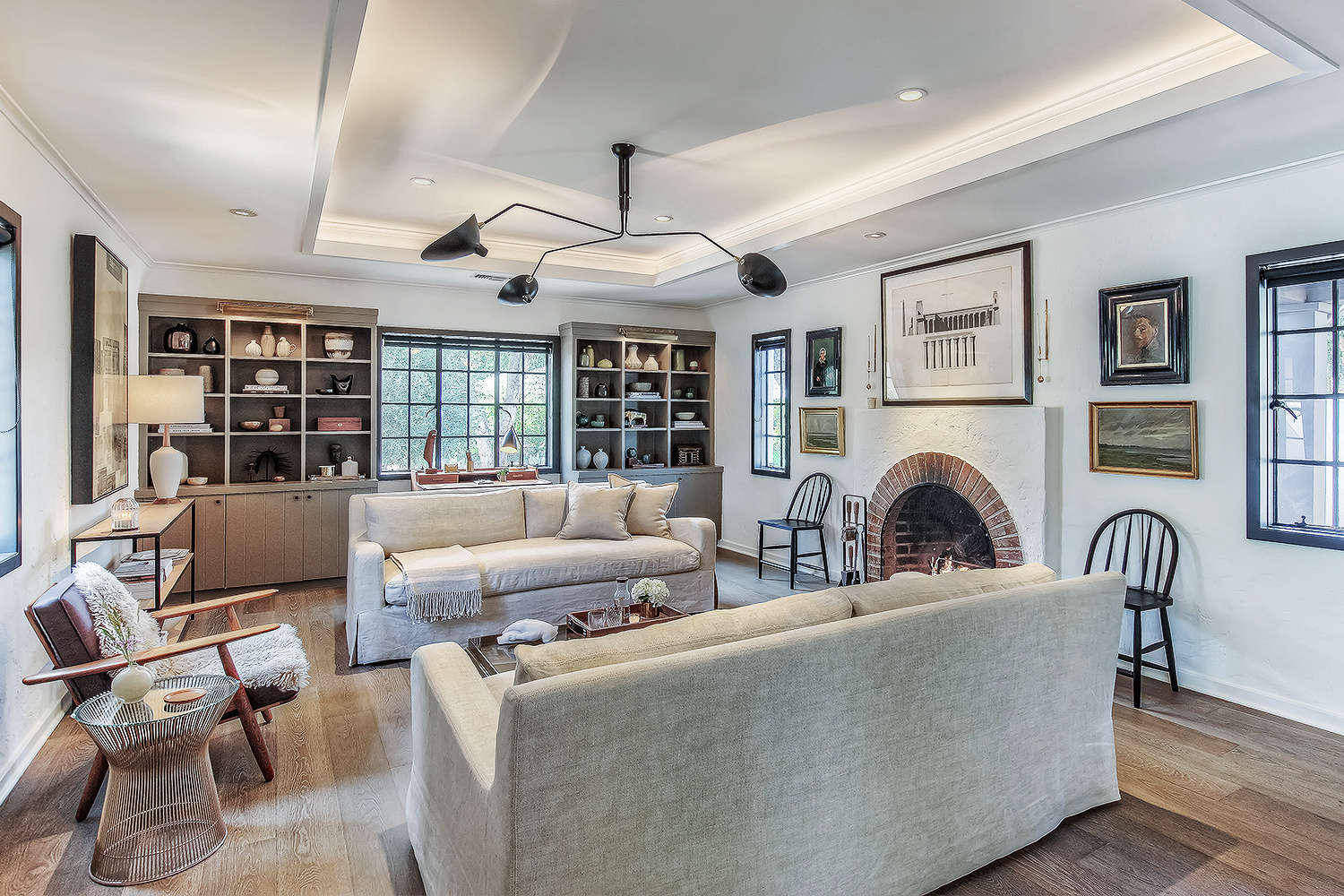
A Spanish bungalow has a way of looking relaxed without looking lazy. It sits low to the ground, wears its stucco like a linen shirt, throws a terracotta roof over its head, and somehow makes every visitor feel as if they should be carrying lemons, fresh bread, or at least a dramatic story about a courtyard fountain. “Spanish Bungalow Redux” is not just a renovation phrase; it is a whole design mood. It means reviving a compact, character-rich home without turning it into a museum or, worse, a beige box with commitment issues.
The beauty of a Spanish-style bungalow is that it already has a strong personality. These homes often feature white or warm-toned stucco walls, low-pitched red tile roofs, arched openings, decorative ironwork, handmade tile, carved wood, and a relationship with outdoor living that feels almost suspiciously charming. A good redux respects those original bones while making the house work for modern life: better light, improved storage, energy-smart upgrades, functional kitchens, calmer bathrooms, and outdoor spaces that do more than host one lonely pot of rosemary.
In this guide, we will walk through what makes a Spanish bungalow special, how to renovate one thoughtfully, which design choices bring the style forward, and why the best remodels feel collected rather than decorated. There will be arches. There will be tile. There may be a joke about stucco, because stucco has heard worse.
What Is a Spanish Bungalow?
A Spanish bungalow is typically a small or modestly scaled home that blends the practical, single-story comfort of bungalow architecture with the visual language of Spanish Colonial Revival, Mission Revival, Mediterranean, or California Spanish design. In the United States, these homes became especially popular in warm regions such as California, Florida, Arizona, Texas, and parts of the Southwest, where stucco walls, clay tile roofs, shaded openings, and indoor-outdoor layouts made both aesthetic and climatic sense.
The “bungalow” part usually suggests a compact footprint, approachable scale, low roofline, efficient floor plan, and cozy rooms. The “Spanish” part brings the romance: arches, plaster, tile, wrought iron, heavy wood doors, lantern-style lighting, courtyards, patios, and textured walls that politely refuse to look mass-produced. Together, they create a home that is small but expressive, simple but not plain, historic but not fussy.
Signature Features of the Style
The most recognizable Spanish bungalow details include smooth or hand-textured stucco, red clay or terracotta roof tile, arched doorways and windows, recessed entries, decorative grilles, painted ceramic tile, exposed wood beams, Saltillo or terracotta flooring, and a restrained exterior palette of whites, creams, sands, ochres, and earthy neutrals. The style often avoids excessive ornament on large wall surfaces, allowing texture, shadow, and craftsmanship to do the talking.
A Spanish bungalow does not need every feature on the checklist to feel authentic. In fact, one of the biggest mistakes in a remodel is adding every “Spanish” detail at once, as if the house were competing in a flamenco costume contest. The goal is balance. A curved entry, a tiled stair riser, a rustic front door, or a wrought iron sconce can be enough to establish character without turning the home into a theme restaurant with a mortgage.
Why “Redux” Matters
The word “redux” means brought back or revived, and that is exactly the right spirit for renovating a Spanish bungalow. These homes are often old enough to have charm, quirks, and at least one closet that seems designed for a single hat. A thoughtful redux keeps the soul and updates the function. It asks, “What made this house wonderful?” and then follows up with, “Can we also fit a dishwasher, decent lighting, and a bathroom fan that does not sound like a helicopter?”
Modern living has different demands than life in the 1920s or 1930s. Families want open but not echoing floor plans, kitchens that invite gathering, bathrooms with storage, laundry areas that do not require acrobatics, and outdoor spaces that act like real rooms. The challenge is to improve flow without erasing charm. Spanish bungalows are especially vulnerable to over-modernization because their beauty lives in texture, proportion, and detail. Remove too much and the home becomes anonymous. Preserve too much without updating and it may become charming but inconvenient, which is basically architectural poetry with plumbing problems.
Start With the Exterior: Curb Appeal With Character
The exterior is where a Spanish bungalow makes its first promise. A well-designed facade should feel warm, grounded, and intentional. If the home already has stucco, the renovation should begin with a careful inspection. Cracking, moisture damage, poor patching, or incompatible paint can undermine both appearance and durability. Repairing stucco properly is less glamorous than choosing tile, but it is the grown-up part of the renovationthe part that prevents future you from muttering at the wall during a rainstorm.
Stucco, Color, and Texture
Classic Spanish bungalows often look best in warm white, ivory, cream, sand, or pale earthy tones. Stark white can work in bright climates, but a softer white often feels more authentic and forgiving. The texture matters as much as the color. Flat, plastic-looking surfaces can make an old home feel oddly new in the wrong way. A subtle hand-troweled finish brings depth, catches light beautifully, and gives the exterior that sun-washed quality associated with Spanish Revival homes.
Roofing and the Terracotta Question
Clay tile roofs are one of the defining elements of Spanish-style architecture. If the original roof tile is still present, preserving or repairing it can be a major character win. If replacement is necessary, the new material should respect the shape, color variation, and profile of traditional terracotta. Modern alternatives may offer practical benefits, but the visual effect should still support the house rather than shouting, “I was chosen during a supply-chain panic.”
Doors, Ironwork, and Entry Moments
The front entry is the handshake of the Spanish bungalow. A rounded arch, recessed doorway, wood plank door, iron handle, lantern, or decorative tile surround can make the entrance feel special without requiring a huge budget. If the home lacks an arched opening, adding one must be done carefully and proportionally. An arch that is too wide, too skinny, or too decorative can look pasted on. A good arch feels like it has always belonged there, quietly collecting compliments.
Interior Planning: Keep the Charm, Improve the Flow
Many older bungalows were built with smaller, separate rooms. That can feel cozy, but it can also create dark corners and awkward circulation. The modern instinct is often to knock down walls immediately, but Spanish bungalows reward restraint. Before removing walls, consider widening cased openings, adding arched transitions, improving sightlines, or using interior windows and glass doors to share light. Not every wall is the enemy. Some walls are just asking for better lighting and a less tragic paint color.
Living Room: The Soul of the House
The living room should feel relaxed, textured, and inviting. If there is an original fireplace, it deserves attention. Spanish-style fireplaces often become the architectural anchor of the room, especially when finished with plaster, tile, or a simple mantel. Avoid over-decorating the fireplace with too many competing materials. Let one element lead: a plaster surround, a handmade tile border, or a rustic wood beam. The room can then build around it with linen upholstery, warm wood, woven textures, vintage rugs, and lighting that flatters humans after 6 p.m.a public service, really.
Kitchen: Old-World Warmth, Modern Function
A Spanish bungalow kitchen should not feel like a stainless-steel spaceship landed inside a historic shell. Modern appliances are welcome, but they should be balanced with materials that carry warmth: plaster range hoods, wood shelving, handmade tile backsplashes, unlacquered brass, oil-rubbed bronze, terracotta floors, or painted cabinetry in soft neutrals, muted green, warm blue, or clay-inspired tones.
Function comes first. Better cabinet interiors, deep drawers, integrated trash storage, improved task lighting, and durable counters can transform daily life. A small kitchen does not need to become enormous to work well. It needs smart storage, generous prep zones, and a layout that does not require three people to perform a synchronized dance every time someone opens the refrigerator.
Bathrooms: Tile Is the Main Character
Spanish bungalow bathrooms are perfect places to use patterned tile, handmade ceramic, zellige-inspired surfaces, Saltillo, or warm stone. The trick is editing. A patterned floor with simple plaster walls can look timeless. A decorative shower niche with quiet field tile can feel special. But patterned floor, patterned wall, patterned ceiling, ornate mirror, and three competing metals may create what designers professionally call “a lot.”
Good bathroom redux choices include arched medicine cabinets, plaster-look walls, warm metal fixtures, handmade tile accents, and compact vanities that maximize storage. Ventilation, waterproofing, and lighting matter just as much as style. A beautiful bathroom that traps moisture is not romantic; it is a mold internship.
Materials That Make a Spanish Bungalow Feel Authentic
Materials are the heart of this renovation style. Spanish bungalows thrive on surfaces that show the hand of the maker. That does not mean everything must be antique or expensive. It means the materials should have texture, warmth, and depth.
Plaster and Limewash
Plaster walls, limewash finishes, and mineral paints can create soft movement and character. They also pair beautifully with arched openings and natural light. In homes where full plaster work is not practical, plaster-look finishes can still bring depth. The key is avoiding overly glossy or synthetic finishes that fight the architecture.
Tile With Personality
Tile is one of the easiest ways to honor the Spanish bungalow style. Painted ceramic tile can brighten stair risers, fireplace surrounds, backsplashes, bathrooms, and outdoor fountains. Saltillo tile brings rustic warmth to floors, though it requires sealing and maintenance. Terracotta, cement tile, and handmade-look ceramic can all work if the color palette feels grounded.
Wood, Iron, and Woven Texture
Dark or medium-toned wood beams, carved doors, simple iron railings, lanterns, woven shades, rattan chairs, and natural fiber rugs all support the Spanish bungalow atmosphere. These details should feel layered over time. A room that looks collected is more convincing than a room that looks like it ordered the “Spanish Revival Starter Pack” online at midnight.
Outdoor Living: The Secret Superpower
Spanish bungalows are at their best when the outdoor spaces feel like extensions of the interior. A small courtyard, tiled patio, shaded porch, side garden, or gravel seating area can dramatically expand the way a compact home lives. Even a modest yard can become a destination with the right combination of paving, planting, lighting, and furniture.
Courtyards and Patios
A courtyard does not need to be grand. A small enclosed or semi-enclosed area with terracotta pots, a bistro table, climbing vines, and a water feature can create the feeling of a private retreat. If a fountain is too much, a large ceramic vessel with planting can provide a similar focal point. The goal is to create a space that feels intentional, not like the leftover area where outdoor chairs go to fade.
Landscape Choices
Mediterranean and drought-tolerant planting works beautifully with Spanish bungalows. Consider olive trees, citrus, rosemary, lavender, bougainvillea, agave, cactus, ornamental grasses, jasmine, and succulents, depending on climate. Gravel, decomposed granite, stone pavers, and terracotta containers can support the style while reducing maintenance. A Spanish bungalow should feel lush but not thirsty enough to require its own legal team.
Modern Updates That Do Not Ruin the Mood
A successful Spanish bungalow redux includes practical upgrades that quietly improve comfort. Electrical updates, insulation, HVAC improvements, window repair, seismic reinforcement where needed, efficient plumbing, and better drainage are not the flashy parts of design, but they are the reason the house remains lovable after the photos are taken.
Lighting is especially important. Older homes often lack enough overhead and task lighting. Use layered lighting: sconces, pendants, table lamps, under-cabinet lighting, and outdoor lanterns. Choose fixtures with warmth and weight, but avoid anything too theatrical. The best lighting makes textured walls glow, tile shimmer, and dinner guests look like they have been sleeping well even when they have absolutely not.
Common Mistakes to Avoid
The first mistake is removing too much character. Original arches, fireplaces, doors, windows, built-ins, tile, and hardware should be evaluated before demolition. Even imperfect original details can often be repaired or reinterpreted.
The second mistake is using trendy finishes that do not belong. Cool gray floors, glossy modern cabinets, overly industrial lighting, and generic builder-grade surfaces can flatten the warmth of a Spanish bungalow. Modern contrast can work, but it must be deliberate.
The third mistake is over-theming. Spanish style does not require every surface to announce itself. A few strong details are better than a dozen loud ones. When in doubt, simplify the background and let texture, light, and proportion carry the room.
A Practical Room-by-Room Spanish Bungalow Redux Plan
Entry
Refresh the front door, add a warm lantern, repair stucco, use simple address numbers, and consider decorative tile on steps or around the entry. Keep landscaping layered but not wild.
Living Room
Highlight the fireplace, improve lighting, use plaster or warm paint, add natural textiles, and choose furniture with curves or soft silhouettes. Let the room feel comfortable rather than staged.
Dining Area
A wood table, simple iron chandelier, vintage sideboard, arched niche, or tiled accent can make a small dining room feel memorable. If space is tight, built-in benches can add charm and storage.
Kitchen
Prioritize storage and workflow. Use handmade-look tile, warm metals, painted or wood cabinetry, and a range hood that feels integrated. Avoid cold finishes that clash with the architecture.
Bedroom
Keep the bedroom calm with soft plaster tones, linen bedding, wood furniture, woven shades, and warm lamps. A Spanish bungalow bedroom should feel restful, not like it is auditioning for a resort brochure.
Bathroom
Use tile strategically, add storage wherever possible, and invest in quality waterproofing. A small bathroom can feel luxurious with texture, good lighting, and one confident design moment.
Outdoor Space
Create a seating zone, add potted plants, install warm lighting, and use materials such as gravel, stone, tile, or terracotta. Even a narrow side yard can become a charming passage garden.
Experience Notes: Living Through a Spanish Bungalow Redux
The experience of renovating a Spanish bungalow is less like executing a checklist and more like having a long conversation with a charming old house that occasionally refuses to answer directly. You begin with a vision: white stucco, glowing tile, arched doorways, a kitchen that smells like coffee and citrus, maybe a patio where friends gather under string lights. Then the house reveals its own opinions. A wall you wanted to remove may be important. A floor you planned to replace may have original tile hiding under a questionable layer of vinyl. A tiny closet may force you to reconsider how many coats one human truly needs.
One of the most rewarding parts is discovering that small improvements can feel huge. Replacing a harsh porch light with a warm iron lantern can change the entire entry. Stripping paint from an old wood door can bring back depth and dignity. Adding handmade tile to stair risers can make a plain transition feel like a design feature. Even repainting walls in a warmer white can make sunlight behave differently, as if the house finally remembered it was located somewhere beautiful.
The hardest part is knowing when to stop. Spanish bungalow style loves texture and detail, which means temptation is everywhere. You see one gorgeous patterned tile and suddenly you are imagining it on the floor, the backsplash, the fireplace, the dog bowl, and possibly your phone case. Restraint becomes the real design skill. The best rooms usually have one star and a strong supporting cast. If the fireplace is bold, the walls can be quiet. If the floor tile has movement, the vanity can be simple. If the front door is dramatic, the hardware does not also need to deliver a monologue.
Another lesson is that comfort matters more than perfection. A Spanish bungalow should not feel so precious that guests are afraid to sit down. These homes were made for easy living: open windows, shaded porches, warm floors, family meals, muddy garden shoes, and the occasional chair dragged outside because the weather is showing off. Choose materials that can age gracefully. A tiny chip in handmade tile is not a crisis; it is character reporting for duty. A limewashed wall with subtle variation is not flawed; it is doing exactly what you hired it to do.
Storage is the unromantic hero of the redux. Older bungalows can be short on closets, cabinets, and utility space. Built-ins, under-bench drawers, recessed medicine cabinets, pantry pullouts, and attractive hooks can save the day. A home can be beautiful and still have a place for the vacuum. In fact, that may be the truest luxury.
Finally, the outdoor area often becomes the emotional payoff. After weeks or months of dust, decisions, and conversations about grout, stepping onto a finished patio feels almost cinematic. A few terracotta pots, a citrus tree, warm lighting, and comfortable chairs can make the bungalow feel twice as large. The house begins to breathe from the inside out. That is when the redux makes sense: not as a makeover, but as a revival. The old charm remains, the modern function arrives, and everyone quietly agrees that the arch was worth it.
Conclusion
Spanish Bungalow Redux is about honoring architectural character while making a small, soulful home work beautifully for modern life. The best renovations preserve the essential ingredients: stucco, tile, arches, wood, iron, texture, warmth, and indoor-outdoor ease. They also improve the everyday experience with smarter layouts, better lighting, durable materials, efficient systems, and storage that does not require negotiation.
A Spanish bungalow does not need to become grand to be impressive. Its magic is in proportion, atmosphere, and details that feel crafted rather than copied. Whether you are restoring a 1920s California gem, refreshing a modest stucco cottage, or simply borrowing Spanish Revival ideas for a bungalow-inspired remodel, the same rule applies: respect the bones, edit the details, and let the house keep its wink.
Note: This article is written as original, publication-ready content based on established Spanish bungalow, Mission Revival, Spanish Colonial Revival, and American home renovation principles. It contains no source links or content reference placeholders.












