
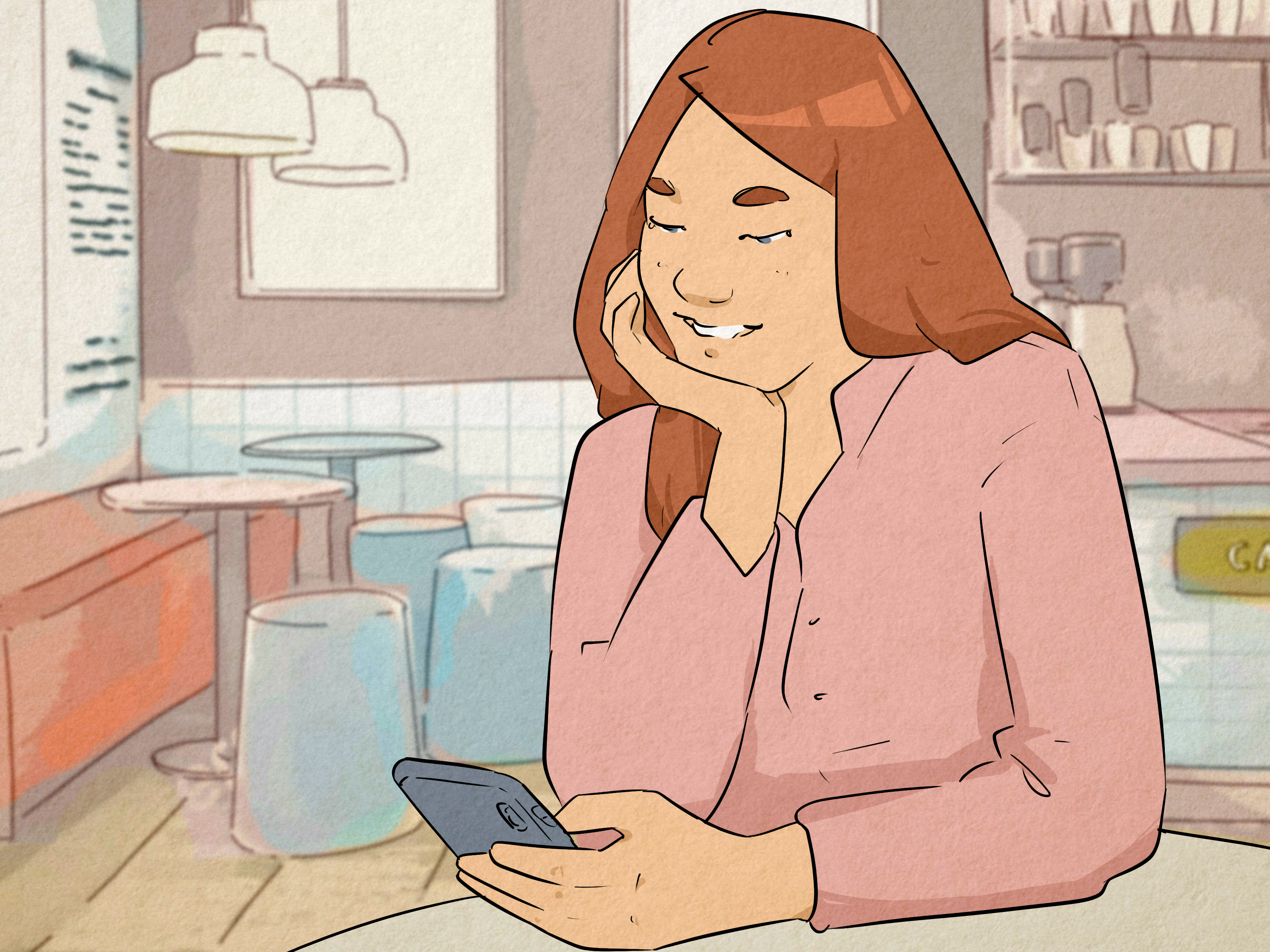
Few modern mysteries are as oddly gripping as receiving a text from an unknown number that says, “Are we still meeting at 7?” Suddenly, you are not just a phone owneryou are a detective, etiquette consultant, cybersecurity intern, and possibly the accidental third wheel in someone else’s dinner plans.
Accidental texts happen all the time. Someone mistypes a number, selects the wrong contact, replies to an old thread, or sends a message before checking the name at the top. Sometimes it is harmless. Sometimes it is awkward. And sometimes, unfortunately, it is not accidental at all. “Wrong number” texts have become a common tactic used by scammers to start friendly conversations, confirm that your number is active, and eventually push you toward links, fake investments, romance scams, or requests for personal information.
So, how should you respond to an accidental text? The best answer depends on the situation. A simple “Wrong number” may be perfect for a normal mistake. Silence is safer when the message looks suspicious. Blocking and reporting is smart when the sender keeps texting, sends links, asks personal questions, or gets weirdly friendly faster than a golden retriever at a picnic.
This guide walks you through 13 simple, polite, and safe ways to respond to an accidental text, with real-world examples, privacy tips, and a few gentle reminders not to become the main character in a scammer’s group chat.
1. Pause Before You Reply
Your first instinct may be to reply immediately. That is understandable. Most people want to be polite, especially if the message seems meant for someone else. But before you type anything, take a breath and look at the message carefully.
Ask yourself: Do I know this number? Does the message include a link? Is the sender asking for money, a verification code, personal details, or a favor? Does it sound strangely vague, like “Hi, are you busy?” or “Can we talk later?” Those vague openers are sometimes used to get you to respond.
If the text seems normal and specific, such as “Mom, I’m outside the dentist,” it may simply be a genuine wrong number. If it feels suspicious, do not engage. With unknown texts, the safest response is often no response at all.
2. Send a Short “Wrong Number” Message for Harmless Texts
If the message looks like an honest mistake and contains no red flags, a short reply is enough. You do not need to explain your life story, your phone plan, or how you got this number in 2018 after switching carriers.
Use a simple response like:
- “Hi, I think you have the wrong number.”
- “Sorry, wrong number.”
- “This isn’t Alex. Hope you find them!”
- “Wrong number, but good luck.”
Keep it brief and friendly. The goal is to alert the sender, not open a new social chapter. Once you have corrected the mistake, you can stop responding.
3. Avoid Sharing Personal Information
Even if the sender seems nice, do not share personal details. That includes your name, city, workplace, schedule, relationship status, financial information, passwords, verification codes, or photos. You also do not need to answer questions like “Who is this?” or “Where are you from?”
A stranger who accidentally texts you does not need your biography. If they truly sent the message by mistake, “wrong number” gives them all the information they need. If they keep asking questions, that is a sign to stop replying.
Example:
Them: “Oh sorry! What’s your name anyway?”
You: No reply, block if needed.
Friendly curiosity from a stranger can feel harmless, but scammers often begin with casual conversation. Keep your privacy locked tighter than the office snack drawer on a Monday morning.
4. Do Not Click Links in an Unexpected Text
If an accidental text includes a link, treat it with caution. Do not click it, even if the message claims to be about a package, bank account, toll bill, job offer, prize, delivery issue, photo album, or “important document.” Links in suspicious texts may lead to phishing pages, malware, fake payment forms, or login screens designed to steal your information.
If the message claims to be from a real company, do not use the number or link in the text. Instead, open the company’s official app or website yourself, or call the verified customer service number from a trusted source.
Example:
Suspicious text: “Your package could not be delivered. Confirm address here: [link]”
Better action: Do not click. Check your order directly through the retailer or carrier’s official website.
5. Ignore Texts That Feel Like Scam Bait
Some “accidental” texts are designed to look innocent. Common examples include:
- “Are we still meeting for coffee?”
- “Is this Linda?”
- “I’m running late, see you soon.”
- “Did you send the documents?”
- “Hey, I changed my number.”
- “You seem nice. Want to chat?”
Not every message like this is a scam, but scammers use vague, friendly lines because they invite correction. Once you reply, they know your number is active. They may then continue the conversation, flatter you, send photos, talk about investing, mention cryptocurrency, or try to move the chat to another app.
If the text is from an unknown number and feels even slightly off, do not reply. Delete, report, and block. Your politeness is lovely, but it does not need to be donated to a scammer with a burner phone.
6. Use Humor Only When You Know It Is Safe
A funny response can work when the message is clearly harmless. Maybe someone texts, “Can you pick up the pizza?” and you reply, “Wrong number, but emotionally I support the pizza.” That is light, harmless, and human.
However, humor can accidentally encourage more conversation. If the sender is a scammer, a joke is still engagement. If the message is sensitive or private, humor may make the situation worse. Save the jokes for obvious, low-risk mistakes.
Safe funny replies include:
- “Wrong number, but I hope the pizza arrives hot.”
- “Not your dentist, but I support flossing.”
- “Wrong person. I have no casserole updates.”
Use humor like hot sauce: great in the right amount, regrettable when poured onto everything.
7. Be Extra Careful With Emotional or Private Messages
Sometimes accidental texts are personal. A message may mention a breakup, family problem, medical appointment, workplace issue, or private confession. In that case, kindness and discretion matter.
A good response is calm and minimal:
“Hi, I think this was sent to the wrong number.”
Then stop. Do not comment on the content. Do not ask questions. Do not screenshot and share it. The sender may already feel embarrassed once they realize the mistake. Your job is to close the door gently, not install a window.
If the text suggests someone may be in immediate danger, consider whether emergency help is needed. For example, if a message appears to describe self-harm, violence, or a medical emergency, you may need to contact emergency services or encourage the sender to do so if they continue communicating. For ordinary awkwardness, however, a simple wrong-number reply is enough.
8. Do Not Reply to Threats, Harassment, or Explicit Content
If the accidental text contains threats, harassment, unwanted sexual content, hate speech, or repeated aggressive messages, do not get into a debate. Replying can escalate the situation and may encourage the sender.
Instead:
- Take screenshots if you may need a record.
- Block the number.
- Report the message through your phone or carrier.
- Contact local authorities if there are credible threats or immediate danger.
You do not owe politeness to someone who is being abusive. “Do not feed the troll” applies beautifully here, except the troll is texting from a number with no profile picture and suspicious punctuation.
9. Block the Number if They Keep Texting
If you already said “wrong number” and the person continues texting, block them. You have completed your social duty. There is no bonus level where you must convince a stranger that you are not their cousin, accountant, or soulmate.
On most phones, you can open the conversation, tap the sender’s name or number, and choose an option such as “Block,” “Block this Caller,” or “Block & report spam.” The exact wording depends on your device and messaging app.
Blocking is especially smart if the sender:
- Asks personal questions after being corrected.
- Sends links or attachments.
- Pushes investment, crypto, romance, prizes, or jobs.
- Gets angry or manipulative.
- Messages repeatedly from the same number.
10. Report Spam Texts to Your Phone, App, or Carrier
Many phones and messaging apps let you report spam directly from the conversation. This helps improve filtering and may help carriers identify scam campaigns.
In the United States, many wireless carriers support forwarding spam texts to 7726, which spells “SPAM.” You can also use built-in reporting tools in iPhone Messages, Google Messages, and many carrier security apps.
Report the message when it contains suspicious links, scam claims, repeated unwanted contact, impersonation, or obvious spam. If the text looks like a serious fraud attempt, you may also report it to consumer protection or cybercrime reporting channels.
After reporting, delete the message. Keeping a suspicious text around is like leaving a banana peel on the kitchen floor: maybe nothing happens, but why create the opportunity?
11. Respond Differently if You Sent the Accidental Text
What if you are the person who sent the accidental text? First, welcome to the club. Everyone has done it, or will do it, or will someday send “love you” to the plumber and stare into the middle distance for seven minutes.
If your message was harmless, send a quick correction:
- “Sorry, that was meant for someone else.”
- “Oops, wrong chat. Please ignore that.”
- “My mistakeI sent that to the wrong number.”
If the message included private information, be clear but do not overexplain:
“I’m sorry, that message was sent by mistake. Please delete it.”
If you accidentally sent sensitive work information, financial details, private photos, or confidential content, notify the appropriate person or organization quickly. In professional settings, your company may have a data privacy or security process to follow.
12. Handle Accidental Group Texts Gracefully
Accidental group texts are their own special circus. You might be added to a family thread, school update, office chain, wedding plan, or neighborhood debate about trash pickup. If you are clearly not supposed to be there, respond once and leave if possible.
Try:
“Hi, I think I was added by mistake. Please remove me from this thread.”
If the group keeps texting and you cannot leave, mute notifications or block the thread if your phone allows it. Do not argue with strangers in the group. Do not reply “STOP TEXTING ME” every four minutes. That usually creates more notifications, not fewer.
For your own group texts, double-check recipients before sending anything sensitive. Autocomplete is helpful, but it also has the chaotic energy of a raccoon with office access.
13. Create a Personal Rule for Unknown Numbers
The easiest way to avoid stress is to make a rule before the next accidental text arrives. For example:
- If it is a harmless, specific wrong-number message, reply once: “Wrong number.”
- If it is vague, flirty, urgent, or link-heavy, do not reply.
- If it continues, block and report.
- If it involves danger, threats, or serious harm, document and escalate appropriately.
A personal rule keeps you from overthinking every mystery message. It also protects you from social engineering, which often works by making people feel rushed, curious, guilty, or flattered.
Best Example Replies for Accidental Texts
Polite and Simple
“Hi, I think you have the wrong number.”
Friendly but Final
“Wrong number. Take care.”
For a Sensitive Message
“I believe this was sent to the wrong person.”
For a Group Text
“Hi, I was added by mistake. Please remove me from this thread.”
For a Repeated Wrong Number
“This is still the wrong number. Please stop texting.”
For Suspicious Texts
No response. Report, block, and delete.
Red Flags That Mean You Should Not Reply
Some accidental texts are not accidental at all. Watch for these warning signs:
- The sender quickly becomes overly friendly or flirty.
- They ask your name, age, location, or job.
- They send a link, QR code, file, or attachment.
- They mention investing, cryptocurrency, prizes, jobs, or romance.
- They create urgency: “Act now,” “last warning,” or “your account will close.”
- They ask for a verification code or password.
- They want to move the conversation to another app.
- They ignore your “wrong number” correction.
When in doubt, do not reply. A real person who made an honest mistake will move on. A scammer will try to keep the conversation alive.
Why Accidental Text Etiquette Matters
Responding to an accidental text is not just about manners. It is about balancing kindness with safety. Good texting etiquette says you should let a genuine sender know they reached the wrong person. Good digital safety says you should not engage with suspicious strangers, unknown links, or manipulative conversation starters.
The sweet spot is simple: be brief, be kind when appropriate, and be protective of your privacy. You do not need to be rude, but you also do not need to be available to every unknown number that wanders into your inbox wearing a fake mustache.
Real-Life Experiences: What Accidental Texts Teach Us
Accidental texts are tiny windows into modern communication. They show how fast we type, how much we trust autocomplete, and how easily one wrong tap can send a message into the digital wilderness. Most people have at least one story. Maybe you received a grocery list from a stranger. Maybe someone texted you about a birthday party you were absolutely not invited to. Maybe you accidentally sent a sarcastic comment to the person you were commenting about, at which point your soul briefly left your body.
One common experience is the harmless wrong-number text. For example, someone might text, “I’m outside,” and you reply, “Wrong number.” They say, “Sorry!” and everyone continues living. These moments are simple because the sender accepts the correction. No drama. No follow-up. No suspicious offer to teach you about gold futures.
Another experience is the awkward personal text. Imagine receiving, “I’m sorry about last night. I should have listened.” That is not your emotional suitcase to unpack. A respectful reply would be, “I think this was sent to the wrong number.” Nothing more. The sender can then redirect the message to the right person, and you can return to your regularly scheduled scrolling.
Then there are the accidental business texts. A contractor may message the wrong client. A recruiter may text the wrong applicant. A coworker may send meeting details to the wrong contact. In these situations, a brief correction is helpful because the sender may need to reach the real recipient quickly. Still, avoid confirming personal details. You can say, “Wrong number,” without adding, “But I am also free Tuesday and own a ladder.”
The trickiest experiences are the texts that begin like mistakes but slowly become conversations. Someone says, “Is this Jessica?” You reply, “No, wrong number.” Then they respond, “Oh, sorry. You seem kind. What’s your name?” That is where the alarm bell should ring. Real wrong-number senders usually apologize and leave. Scammers often use the correction as a bridge. They may send a friendly photo, mention travel, talk about investing, or claim fate brought you together. Fate is romantic. Random unknown numbers asking about crypto are not.
Many people also learn the hard way that replying “STOP” is not always wise unless the message is from a legitimate business or service you recognize. For suspicious spam, replying can confirm that your number is active. Reporting and blocking is usually safer. Think of your phone number like your front door. You would not open it just because someone outside says, “Wrong house, but while I’m here, want to discuss investment opportunities?”
Accidental texts also teach us to slow down before sending. Always check the recipient name, especially when sharing private, emotional, financial, or work-related information. If you use voice-to-text, read the message before tapping send. Voice-to-text has been known to turn ordinary sentences into poetry written by a confused robot.
Finally, these experiences remind us that kindness and boundaries can coexist. You can be polite without being available. You can correct a mistake without starting a conversation. You can ignore suspicious messages without feeling guilty. In the age of constant connection, one of the healthiest skills is knowing when not to respond.
Conclusion
Responding to an accidental text is simple when you follow one rule: match your response to the risk. If it is clearly a harmless mistake, a short “wrong number” message is polite and enough. If the message is vague, suspicious, link-filled, overly friendly, urgent, or persistent, do not reply. Block it, report it, and move on with your day.
The best accidental text response is brief, calm, and private. You are not required to entertain strangers, investigate mystery numbers, or explain who you are. A little courtesy is great. A little caution is even better. And if someone texts you by mistake about picking up tacos, well, that may not be your responsibilitybut emotionally, we can all support tacos.
Note: This article is for general communication, etiquette, and digital safety guidance. If a message includes threats, harassment, fraud, private data exposure, or immediate danger, document it and contact the appropriate platform, carrier, organization, or emergency authority.











