
Let’s be honest: the back of your tongue is not exactly the celebrity of your oral-care routine. Teeth get the glamour. Floss gets the guilt trip. Mouthwash gets the dramatic minty entrance. Meanwhile, the back of your tongue quietly collects food debris, bacteria, and that mysterious morning-mouth coating like it’s running a tiny storage unit.
Learning how to clean the back of your tongue properly can help your mouth feel fresher, support better oral hygiene, and reduce the buildup that often contributes to bad breath. The key word is properly. This is not a wrestling match between you and your tongue. Scrubbing like you are sanding a deck will only irritate the tissue and possibly make things worse. A gentle, consistent routine works better than one heroic scrape performed with the energy of a medieval knight.
This guide breaks down simple, dentist-friendly ways to clean the back of your tongue in 11 practical steps. You will learn what tools to use, how to avoid gagging, when to stop, and how tongue cleaning fits into the bigger picture of brushing, flossing, hydration, and regular dental care.
Why Cleaning the Back of Your Tongue Matters
Your tongue has a textured surface covered with tiny bumps called papillae. These bumps help with taste and moving food, but they can also trap bacteria, dead cells, and food particles. When bacteria settle into that coating, they may produce unpleasant odors. That is one reason the tongue, especially the back portion, is often linked with bad breath.
Cleaning your tongue does not replace brushing your teeth with fluoride toothpaste, flossing between teeth, or visiting a dentist. Think of it as the supporting actor who steals a few scenes. Your toothbrush and floss still carry the main plot, but tongue cleaning can help your whole mouth feel cleaner.
Simple Ways to Clean the Back of Your Tongue: 11 Steps
1. Choose the Right Tongue-Cleaning Tool
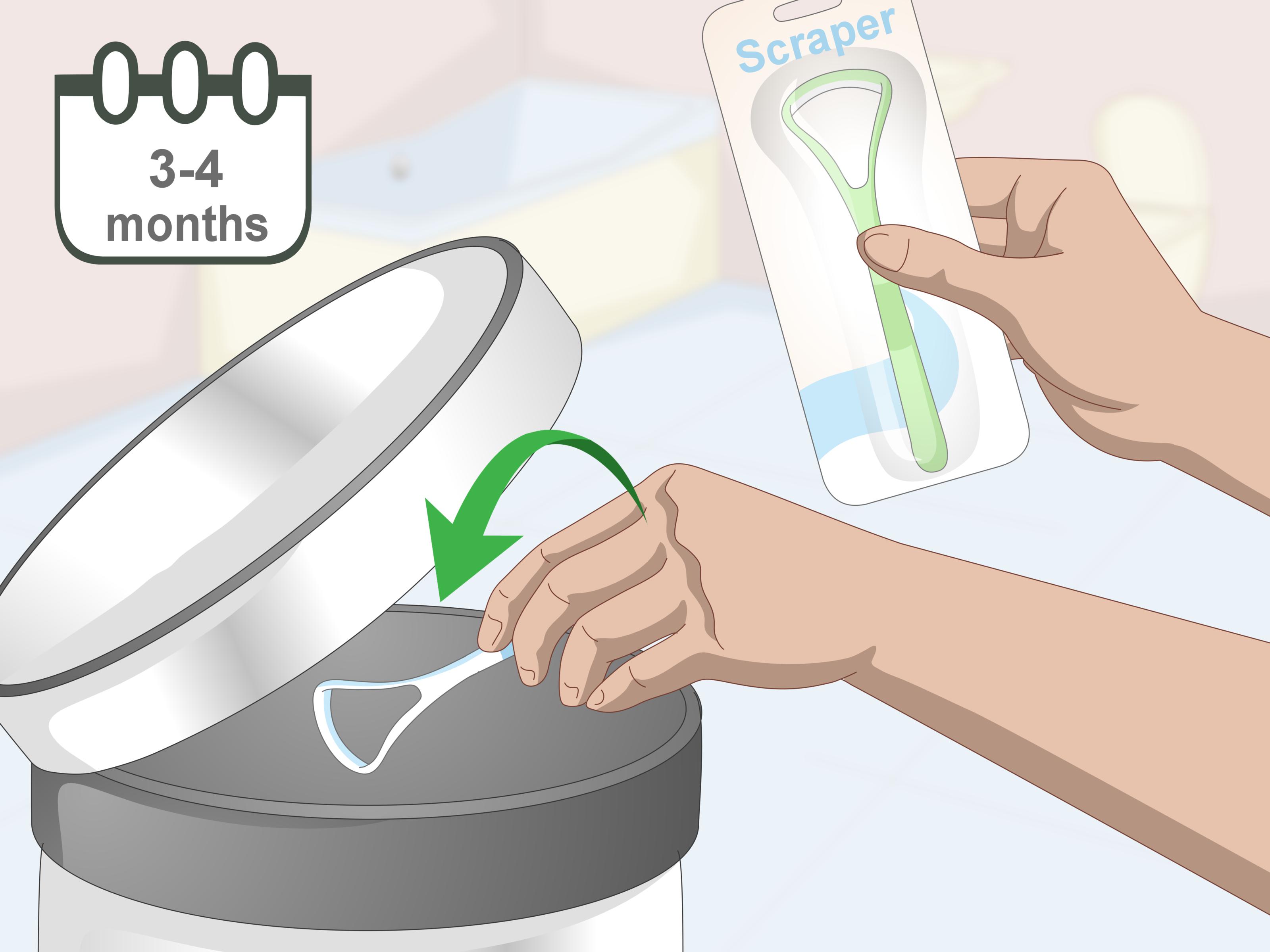
You have two common options: a tongue scraper or a soft-bristled toothbrush. A tongue scraper is designed to glide over the tongue and remove surface buildup. Scrapers may be made of plastic, silicone, stainless steel, or copper. A soft toothbrush can also work, especially if you are new to tongue cleaning or have a sensitive gag reflex.
For beginners, a soft toothbrush is often less intimidating. For people who notice a heavier tongue coating, a tongue scraper may feel more efficient. Either way, avoid sharp edges, hard pressure, and anything that looks like it belongs in a toolbox rather than your bathroom.
2. Start With a Clean Mouth
Clean your tongue after brushing and flossing, or at least after brushing. Brushing twice a day with fluoride toothpaste helps remove plaque from teeth, while flossing or using an interdental cleaner helps clean the spaces a toothbrush cannot reach. Tongue cleaning is best added to this routine rather than used as a substitute for it.
A good order is simple: floss, brush, clean your tongue, then rinse lightly if needed. If you use a dentist-recommended mouth rinse, follow the product instructions or your dentist’s advice.
3. Rinse Your Mouth First
Before scraping or brushing your tongue, swish with water for a few seconds. This helps loosen surface debris and makes the cleaning process smoother. Warm water may feel more comfortable, especially in the morning when your mouth feels dry.
Do not rely on mouthwash alone to clean your tongue. A rinse can freshen your mouth temporarily, but the coating on your tongue usually needs gentle physical removal. Imagine spraying a dusty shelf with air freshener. It smells better for a moment, but the dust is still throwing a tiny party.
4. Relax Your Jaw and Breathe Through Your Nose
The back of the tongue is close to the gag reflex zone, so technique matters. Stand in front of a mirror, relax your shoulders, open your mouth comfortably, and breathe slowly through your nose. The more tense you are, the more likely your mouth is to object dramatically.
Try not to hold your breath. Holding your breath can make gagging more likely. A calm, steady inhale through the nose and exhale through the nose gives your brain something else to do besides yelling, “Why are we touching the back of the tongue?”
5. Stick Out Your Tongue Gently
Extend your tongue naturally. Do not strain it or pull it with your fingers. If your tongue gets tired, pause. Tongue cleaning should take less than a minute, not become a jaw workout with emotional consequences.
Look for the coating. It may appear white, yellowish, or simply thicker toward the back. A light coating can be normal, especially after sleep. A coating that is painful, unusually colored, bleeding, or persistent should be checked by a dental or medical professional.
6. Place the Scraper or Brush Near the Back, Not Too Far Back
Place your tongue scraper or toothbrush as far back as you comfortably can without gagging. You do not need to reach the deepest possible point. Cleaning the back of your tongue means cleaning the reachable back surface, not attempting an archaeological expedition.
If you gag easily, start at the middle of the tongue for a few days. As you become more comfortable, gradually move slightly farther back. Progress beats panic.
7. Use Light Pressure and Move Forward
Glide the scraper or brush from back to front in one smooth motion. Use light pressure. The goal is to lift surface buildup, not scrape off your identity. If it hurts, burns, bleeds, or leaves your tongue feeling raw, you are pressing too hard.
With a scraper, one to three passes is usually enough. With a toothbrush, use gentle strokes from back to front and then side to side if comfortable. Keep the movement controlled and mild.
8. Rinse the Tool After Each Pass
After each pass, rinse the scraper or toothbrush under running water. This removes the material you just lifted from the tongue instead of redepositing it like a very unpleasant boomerang.
If you use a tongue scraper, wash it well after each session and allow it to air dry. If you use your toothbrush, rinse it thoroughly and store it upright where it can dry. Replace toothbrushes or brush heads regularly, especially when the bristles become frayed.
9. Rinse Your Mouth Again
Once you finish cleaning the tongue, rinse your mouth with water. This helps clear loosened debris and leaves your mouth feeling fresher. You can also drink water afterward, especially if dry mouth is part of the problem.
Saliva naturally helps wash away particles and neutralize acids in the mouth. Dry mouth can make bad breath worse, so hydration matters. If your mouth feels dry often, mention it to your dentist or healthcare provider, especially if it started after a new medication or comes with other symptoms.
10. Clean Your Tongue Once or Twice Daily
For most people, cleaning the tongue once a day is enough. Many prefer doing it in the morning because overnight dryness can make breath less than charming. Others like to clean the tongue at night after brushing and flossing so they go to sleep with a cleaner mouth.
If you clean your tongue twice daily, keep it gentle. More pressure does not equal more cleanliness. Overcleaning can irritate the tongue and make it sore. A healthy routine should feel refreshing, not like your tongue filed a complaint with management.
11. Know When to See a Dentist
Tongue cleaning can help with normal coating and everyday bad breath, but it cannot solve every problem. See a dentist or healthcare provider if you have tongue pain, sores, bleeding, a lump, a burning feeling, patches that do not go away, or discoloration that lasts longer than two weeks.
You should also get professional advice if bad breath continues even though you brush, floss, clean your tongue, drink water, and keep regular dental appointments. Persistent bad breath may be related to gum disease, cavities, dry mouth, sinus issues, tonsil stones, reflux, tobacco use, or certain medical conditions.
Best Tools for Cleaning the Back of Your Tongue
Tongue Scraper
A tongue scraper is usually the most direct tool. It is designed to remove coating with a back-to-front motion. Many people like it because it feels quick and effective. Choose one with smooth edges and a shape that fits comfortably in your mouth.
Soft-Bristled Toothbrush
A soft toothbrush is easy to use because it is already part of your routine. It may not remove as much coating in one pass as a scraper, but it is gentle and familiar. Some toothbrushes also have a tongue-cleaning surface on the back of the head.
Water
Water is underrated. Drinking enough water supports saliva flow and helps prevent the dry, sticky mouth environment where odor-causing bacteria feel far too comfortable. Rinsing with water after meals can also help clear loose food particles.
Common Mistakes to Avoid
Scraping Too Hard
If your tongue hurts, you are not doing bonus hygiene. You are irritating soft tissue. Use lighter pressure and fewer passes.
Skipping the Rest of Your Mouth
Cleaning your tongue while ignoring brushing and flossing is like cleaning one window during a house fire. Your teeth and gums still need daily care.
Using Mouthwash as a Magic Potion
Mouthwash may freshen breath temporarily, but it does not physically remove all tongue coating. It works best as part of a complete routine, not as a mint-flavored disguise.
Going Too Far Back Too Soon
You do not have to conquer the entire back of the tongue on day one. Start where you are comfortable, then gradually move back as your gag reflex becomes less dramatic.
How to Reduce Gagging While Cleaning Your Tongue
Gagging is common, especially when you first start cleaning the back of your tongue. Try cleaning before breakfast, breathing through your nose, using a smaller scraper, or starting with a soft toothbrush. Keep your movements slow and predictable.
Another helpful trick is to clean the tongue in short sections. Do one gentle pass, rinse, pause, then repeat if needed. You can also hum softly through your nose, which helps some people control the gag reflex. Yes, you may look ridiculous. Fortunately, bathroom mirrors are legally required to keep secrets.
What a Healthy Tongue Usually Looks Like
A healthy tongue is often pink with a light, thin coating. Some variation is normal. Food, coffee, tea, dryness, smoking, and certain medicines can affect the way your tongue looks or feels. A heavily coated tongue may improve with better hydration and consistent oral hygiene, but sudden or unusual changes deserve attention.
Do not obsess over making your tongue perfectly pink every minute of the day. The mouth is a living environment, not a showroom floor. The goal is comfort, freshness, and healthy habits.
How Tongue Cleaning Fits Into a Complete Oral Hygiene Routine
Tongue cleaning works best when it joins a complete routine. Brush your teeth twice a day for two minutes with fluoride toothpaste. Clean between your teeth once a day with floss or another interdental cleaner. Drink water, limit frequent sugary snacks, avoid tobacco, and see your dentist for regular checkups and cleanings.
If you use mouthwash, choose one based on your needs. Some rinses are designed for bad breath, some for fluoride protection, and some for gum health. Your dentist can help you choose the right type if you are unsure.
Experience Section: What Tongue Cleaning Feels Like in Real Life
The first time many people try to clean the back of the tongue, they make the same mistake: they go in too confidently. They buy a scraper, open wide, push it too far back, gag once, and immediately decide tongue cleaning was invented by villains. In reality, the problem is usually not the habit itself. It is the speed, pressure, or placement.
A more realistic experience starts slowly. On day one, you may only clean the middle of the tongue. That is fine. The mouth needs time to get used to new sensations. After a few days, you may notice that the scraper or toothbrush can move slightly farther back without triggering the same gag response. Small progress matters.
Many people also discover that morning tongue cleaning feels more useful than random daytime scraping. After sleep, saliva flow is lower, the mouth can feel dry, and the tongue may have more coating. A gentle scrape or brush after toothbrushing can make the mouth feel cleaner before coffee, breakfast, school, work, or any conversation where breathing near another human is involved.
Another common experience is realizing that tongue cleaning is not an instant cure for every case of bad breath. If bad breath comes from food, dry mouth, gum disease, cavities, tonsil stones, sinus drainage, or reflux, cleaning the tongue may help but not fully solve it. This is why the best routine feels boring in the most responsible way: brush, floss, clean the tongue gently, hydrate, and keep dental appointments. Glamorous? Not really. Effective? Much more likely.
People with sensitive mouths often prefer a soft toothbrush at first. The bristles feel familiar, and the movement can be easier to control. People who dislike the foamy feeling of toothpaste on the tongue may clean the tongue after rinsing the brush, using just water. Others prefer a scraper because it gives quick feedback: one pass, rinse, and done. The best tool is the one you will actually use consistently without hurting yourself.
There is also a confidence benefit. When your mouth feels clean, you may feel less nervous about close conversations. That does not mean you should become obsessed with checking your breath every five minutes. It simply means that a small, gentle habit can make daily oral care feel more complete. Your tongue does not need punishment. It needs a calm daily reset.
The biggest lesson from real-life tongue cleaning is this: consistency wins. A gentle 20-second routine every morning is better than a once-a-week scraping session performed with heroic intensity. Keep it simple. Keep it light. Keep it clean.
Conclusion
Cleaning the back of your tongue is a simple way to support fresher breath and a cleaner-feeling mouth. Use a soft toothbrush or tongue scraper, start comfortably, move from back to front, rinse often, and never press hard enough to cause pain. Pair tongue cleaning with the real foundations of oral health: brushing twice daily with fluoride toothpaste, cleaning between your teeth once a day, drinking water, and seeing your dentist regularly.
Your tongue works hard all day helping you talk, taste, chew, and occasionally regret eating garlic bread before a meeting. Give it a little care, but be gentle. A clean tongue should feel fresh, not furious.
Note: This article is for general educational purposes. If you have ongoing bad breath, mouth pain, bleeding, sores, unusual patches, or tongue discoloration that does not go away, schedule a visit with a dentist or healthcare professional.












