
Note: This article is written for publication and is based on available product specifications, kitchen ventilation guidance, and practical range hood ownership considerations. Always confirm current availability, accessories, and local code requirements before purchase or installation.
A Stylish Island Hood That Takes Kitchen Air Seriously
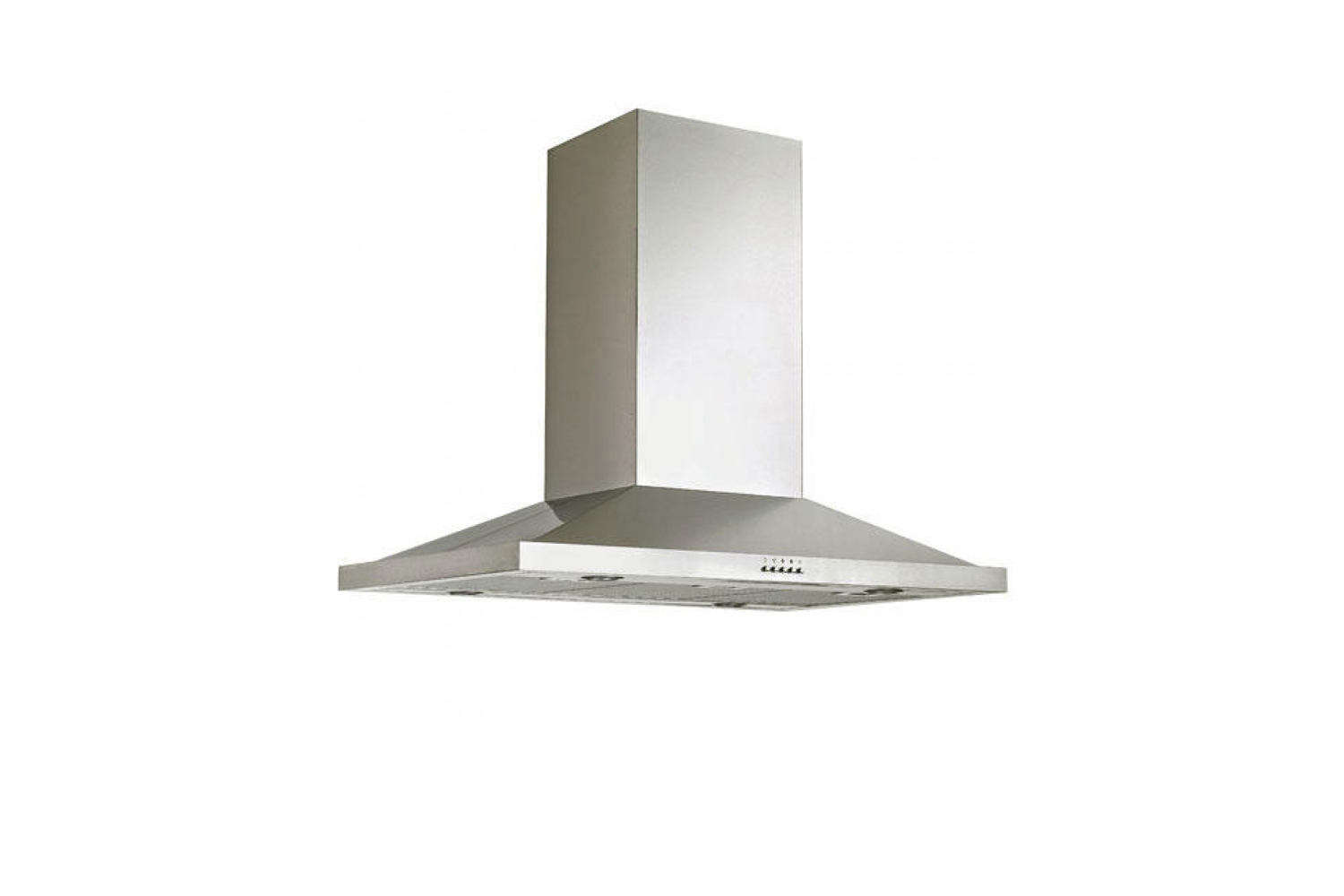
The Signature Hardware 36-Inch Artisan Series Island Range Hood is the kind of kitchen appliance that does two jobs at once: it helps clear smoke, steam, grease, and cooking odors, and it hangs over your island like a stainless-steel crown. If your cooktop sits in the center of the kitchen, you already know the island setup is gorgeous, social, and occasionally dramatic. One minute you are searing steak like a Food Network finalist; the next, your open-concept living room smells like a diner at midnight. That is where a capable island range hood earns its keep.
This 36-inch Artisan Series hood was designed as a ceiling-mounted island range hood with a stainless steel body, a telescoping chimney, electronic button controls, reusable aluminum filters, four halogen lights, and a 3-speed internal blower rated up to 600 CFM. In plain English, it is built for homeowners who want a functional ventilation centerpiece rather than a tiny fan politely whispering at a cloud of garlic smoke.
Island range hoods face a harder job than wall-mounted hoods because they do not have a wall behind them to help guide rising fumes. Air moves around an island from every direction, especially in open kitchens with people walking by, ceiling fans spinning, and family members mysteriously appearing whenever food is almost ready. A 600 CFM blower gives this Signature Hardware hood useful muscle for everyday cooking and many heavier cooking tasks, assuming it is installed correctly and ducted outdoors.
Key Specifications at a Glance
The Signature Hardware Artisan Series 36-inch island range hood is commonly described with a 430-grade, 24-gauge stainless steel construction, a width of approximately 35-1/4 inches, a front-to-back depth of about 23-5/8 inches, and an adjustable height range of roughly 29-1/2 to 49-1/4 inches. Its telescoping flue helps it adapt to many ceiling heights, while an optional flue extension may be needed for taller spaces.
The unit includes a 3-speed internal blower with airflow up to 600 cubic feet per minute, electronic button switches, four 20-watt halogen bulbs, and three reusable aluminum filters that are described as dishwasher safe. It is designed for exterior venting through the roof using a 6-inch diameter metal duct, and it operates on a standard 120-volt, 60 Hz electrical supply. At its highest setting, the listed sound level is around 66 dB(A), with a maximum of 8 sones. Translation: powerful enough to be useful, but not silent enough to keep your soufflé secrets.
Why 36 Inches Matters
A 36-inch hood is a natural match for many 30-inch or 36-inch cooktops. For best capture, a hood should generally be at least as wide as the cooking surface, and many kitchen designers prefer a little extra coverage when the layout allows. Since island hoods are exposed on all sides, width and depth matter almost as much as motor strength. A strong fan with a skimpy capture area is like bringing a leaf blower to a confetti problem: impressive, but not always precise.
Design: Stainless Steel with a Professional Island Presence
The first thing most people notice about the Signature Hardware 36-Inch Artisan Series Island Range Hood is its clean stainless steel profile. It has that classic “serious kitchen” look without veering into restaurant-equipment territory. The island chimney style works especially well in modern, transitional, industrial, and stainless-accented kitchens. Pair it with a stainless range, brushed nickel faucet, or simple white quartz island, and it feels intentional rather than flashy.
The 430-grade stainless steel is a practical choice for a range hood because it is durable, relatively easy to clean, and visually neutral. It will not demand attention the way a hammered copper hood or custom plaster surround might, but that is part of the appeal. This hood can be the supporting actor who quietly steals the scene while the marble, tile, or pendant lighting gets the applause.
The telescoping chimney is also important. In an island installation, the duct cover is visible from every angle, so a sloppy chimney fit can ruin an otherwise polished kitchen. The adjustable flue helps the hood meet the ceiling cleanly in many standard-height kitchens. For high ceilings, buyers should check whether an extension kit is required before installation day. No one wants the installer standing on a ladder saying, “Well, we are short by eight inches,” while everyone stares upward in expensive silence.
Performance: What 600 CFM Means in Real Cooking
CFM stands for cubic feet per minute, and it measures how much air a blower can move. A 600 CFM island hood sits in a strong residential category. For boiling pasta, simmering soups, sautéing vegetables, pan-searing chicken, cooking bacon, or making stir-fry, this level of airflow can be very helpful when the hood is used properly. The trick is to turn it on before the smoke show begins, not after the smoke alarm starts auditioning for a marching band.
Because island cooktops are more exposed to cross-breezes, many ventilation guides recommend more airflow for island hoods than for wall-mounted hoods of the same cooktop width. A 600 CFM rating gives the Artisan Series model a reasonable cushion for open-plan kitchens and enthusiastic home cooks. However, airflow ratings are only one piece of the story. Actual performance depends on duct length, number of elbows, roof cap quality, installation height, filter cleanliness, and whether the hood is properly centered over the cooktop.
Ducted Venting Is the Big Advantage
This model is intended for outdoor venting, which is a major benefit for serious kitchen ventilation. Ducted range hoods remove air from the kitchen and send it outside, carrying away heat, steam, smoke, grease particles, and odors. Recirculating hoods can reduce some grease and odor through filters, but they do not remove moisture and combustion byproducts from the home in the same way. If you cook often, fry foods, use high heat, or have a gas cooktop, exterior venting is worth prioritizing.
Noise: Strong Airflow Has a Voice
At the top speed, the hood is listed around 66 dB(A) and up to 8 sones. That means it will be noticeable when running on high. In daily use, the lower speed can handle light steam and simmering, while medium or high should be reserved for smoky, greasy, or high-heat cooking. Think of high speed as the kitchen equivalent of calling in the cleanup crew. You may not want it running during a quiet conversation, but you will appreciate it when burgers hit a hot cast-iron pan.
Lighting: Four Halogen Bulbs Over the Cooktop
Good lighting is underrated until you try to cook under a shadow. The Signature Hardware Artisan Series hood includes four 20-watt halogen bulbs designed to illuminate the cooking surface below. On an island, this is especially helpful because overhead decorative pendants often create mood lighting rather than task lighting. Mood lighting is lovely for dinner. It is less lovely when you are trying to determine whether chicken is golden brown or still negotiating with salmonella.
Halogen bulbs tend to produce a warm, bright light, which many cooks like because it renders food color naturally. The tradeoff is that halogen bulbs generate more heat and use more energy than LEDs. If replacement bulbs are needed, owners should follow the manufacturer’s specifications closely and avoid using incompatible bulbs. A range hood is not the place for electrical improvisation, even if your uncle swears he “fixed one just like it in 2009.”
Filters and Maintenance: The Unsung Heroes
The hood uses three reusable aluminum filters. These filters are important because they trap grease before it enters the duct system. When filters are clean, airflow is better, odors are reduced more effectively, and the blower does not have to work as hard. When filters are clogged, the hood can sound louder, pull less air, and leave more residue on nearby cabinets, lights, and ceilings.
For average home cooking, cleaning the filters every few weeks to once a month is a smart habit. Heavy frying or wok cooking may require more frequent cleaning. If the filters are dishwasher safe, place them in the dishwasher according to the care instructions. If washing by hand, use hot water, a degreasing dish soap, and a soft brush. Avoid harsh abrasives that can damage aluminum. Also wipe the stainless steel exterior with a microfiber cloth and a stainless-safe cleaner, following the grain of the metal to reduce streaks.
A Simple Maintenance Routine
- Turn the hood on before cooking begins, especially for high-heat meals.
- Use the back burners when practical to improve capture.
- Clean filters regularly before grease buildup becomes stubborn.
- Wipe the stainless exterior weekly to prevent fingerprints and cooking film.
- Check bulbs, controls, and fan speeds periodically.
- Have ductwork inspected if odors linger or airflow seems weak.
Installation Considerations Before You Buy
An island range hood is not a casual Saturday afternoon project unless your Saturday includes ceiling framing, electrical work, roof ducting, and a very patient helper. This hood needs secure ceiling support, correct duct routing, proper electrical connection, and careful alignment over the cooktop. Professional installation is strongly recommended for most homeowners.
The hood is designed to vent through the roof using a 6-inch metal duct. Short, straight duct runs are generally better because long runs, sharp elbows, and restrictive caps reduce airflow. Before installation, confirm the path from hood to roof, the ceiling height, the location of joists, and the available electrical supply. Also check whether local building codes require a make-up air system. Many jurisdictions require make-up air when a kitchen exhaust hood exceeds 400 CFM, and this model’s 600 CFM rating may trigger that requirement.
Make-up air simply means replacement air brought into the home to balance the air being exhausted. Without it, a powerful hood can create negative pressure, which may affect fireplaces, water heaters, HVAC equipment, or door operation. It sounds technical because it is technical. This is why an experienced contractor, HVAC professional, or code-aware installer is worth calling before the drywall is closed and everyone starts pretending the problem is “probably fine.”
Ideal Mounting Height
Mounting height affects performance. If a hood is too high, smoke and steam can spread before they reach the fan. If it is too low, it can interfere with cooking and sightlines. The correct height depends on the cooktop type, ceiling height, and manufacturer instructions. Always follow the installation manual first, then coordinate with your installer to balance capture performance, safety, and visual proportion.
Who Is This Range Hood Best For?
The Signature Hardware 36-Inch Artisan Series Island Range Hood is best suited for homeowners with a 30-inch to 36-inch island cooktop who want a stainless steel hood with stronger-than-basic ventilation. It is a particularly good fit for open kitchens where cooking odors easily drift into the dining or living area. If you regularly sauté, sear, fry, simmer aromatic sauces, or cook for a family, the 600 CFM rating is a meaningful upgrade from many low-power recirculating options.
It is also a good choice for design-conscious homeowners who want a visible island hood but do not want to spend luxury-appliance money. The Artisan Series has a professional look, practical dimensions, and useful features without relying on gimmicks. It is not trying to be a smart device, a sculpture, or a spaceship control panel. It is trying to move air, light the cooktop, and look good doing it.
Who Might Want Something Else?
This may not be the right hood for renters, kitchens without a feasible roof-vent path, ultra-high ceilings without an extension option, or homeowners who need whisper-quiet performance at high speed. It may also be insufficient for extreme high-BTU pro-style cooking if the cooktop manufacturer recommends a larger hood or higher airflow. In those cases, a wider canopy, remote blower, deeper capture area, or custom ventilation system may be worth exploring.
Signature Hardware Artisan Series vs. Other Island Hoods
Compared with many budget island hoods, the Artisan Series offers a stronger 600 CFM blower and a clean stainless steel build. Many entry-level island hoods sit around 300 to 400 CFM, which can be acceptable for lighter cooking but may struggle with high-heat searing or open-plan airflow. Compared with premium brands, the Signature Hardware model is simpler. You should not expect advanced sensors, ultra-quiet remote blower engineering, automatic heat detection, or designer color finishes.
That simplicity can be a strength. Electronic button switches are straightforward. Three speeds are easy to understand. Reusable filters reduce ongoing maintenance cost. The stainless finish coordinates with common appliances. For many kitchens, that is the sweet spot: enough performance to matter, enough style to look intentional, and not so many features that the hood needs its own onboarding tutorial.
Practical Buying Advice
Before purchasing the Signature Hardware 36-Inch Artisan Series Island Range Hood, measure your cooktop, ceiling height, and available duct path. Confirm the hood’s current specifications, included parts, warranty details, and whether the flue extension is needed. If you are replacing an existing island hood, do not assume the old duct, mounting bracket, or ceiling support will match. Range hood installations can look similar from below while being completely different above the ceiling.
Also budget for installation. The hood itself is only one part of the project. You may need ducting, a roof cap, electrical work, ceiling reinforcement, make-up air equipment, drywall repair, paint touch-ups, and labor. That sounds like a lot because it can be. But when done well, a properly installed island hood makes the kitchen more comfortable, cleaner, and easier to live with.
Real-Life Experience: Living With a 36-Inch Island Range Hood
Using a hood like the Signature Hardware 36-Inch Artisan Series changes the rhythm of cooking in a real kitchen. The first thing you notice is that island cooking becomes less chaotic. Without a good hood, cooking at an island can feel like performing in the center of a smoke-filled stage. Steam rises, oil pops, garlic announces itself to the hallway, and anyone sitting nearby starts blinking like they have entered a tiny weather system. With a properly vented 600 CFM hood, the air above the cooktop feels more controlled.
The best habit is turning the fan on early. Many people wait until smoke appears, but by then the hood is already playing defense. Turn it on a minute before searing, frying, or boiling. Low speed works well for pasta water, soup, or gentle simmering. Medium is useful for sautéing onions, browning meat, or cooking anything with a little oil. High speed is the setting for steak night, bacon morning, blackened fish, and the famous “I swear the recipe said medium-high” situation.
The lighting also becomes part of the cooking experience. Four halogen bulbs can make the cooktop feel like a proper workstation rather than a decorative island with burners attached. This is helpful when checking browning, reading pan sauces, or seeing whether vegetables are caramelizing or quietly burning in the corner of the skillet. If your kitchen uses warm ambient pendants, hood lighting fills the practical gap.
Cleaning is the part nobody brags about on renovation day, but it is where ownership gets real. Grease filters should be treated like part of the cooking routine, not an annual archaeological discovery. When cleaned regularly, they are easy to manage. Let them go too long, and they become sticky evidence of every fried egg, grilled cheese, and ambitious stir-fry you have ever attempted. A monthly cleaning reminder is a simple way to keep airflow strong and the kitchen fresher.
Noise is noticeable on high, but that is normal for a powerful internal blower. In everyday cooking, you will likely use low or medium most often. High speed is not for romantic dinner conversation; it is for rescuing the room from smoke and heat. The good news is that a strong hood usually does not need to stay on high forever. Run it hard during the smoky part, then step down to medium or low while food finishes.
From a design perspective, the stainless island hood becomes a visual anchor. It defines the cooking zone in an open kitchen and helps the island feel like a serious workspace. Guests may not comment on the blower rating, but they will notice that the kitchen looks complete. More importantly, they will not leave smelling like pan-seared salmon unless you really commit to the bit.
The biggest lesson is that performance depends on installation. A 600 CFM hood with poor ducting will not behave like a 600 CFM hood in real life. Straight ducting, proper roof termination, secure mounting, correct height, and clean filters all matter. When those pieces come together, the Signature Hardware Artisan Series island range hood can feel like the difference between “beautiful kitchen that struggles with real cooking” and “beautiful kitchen that can actually handle dinner.”
Final Verdict
The Signature Hardware 36-Inch Artisan Series Island Range Hood is a strong option for homeowners who want a stainless steel island hood with practical ventilation power, simple controls, reusable filters, and a polished professional look. Its 600 CFM blower, 36-inch class width, telescoping flue, and ducted design make it especially appealing for island cooktops in open kitchens.
It is not the quietest possible hood, and it requires careful installation, proper ducting, and possible make-up air planning. But if your kitchen needs a hardworking centerpiece that can handle real cooking instead of merely posing above the island, this Artisan Series hood deserves serious consideration. It brings the kind of confidence every cook wants: less smoke, better light, cleaner air, and fewer guests asking, “Is something burning?” when dinner is simply being dramatic.












