
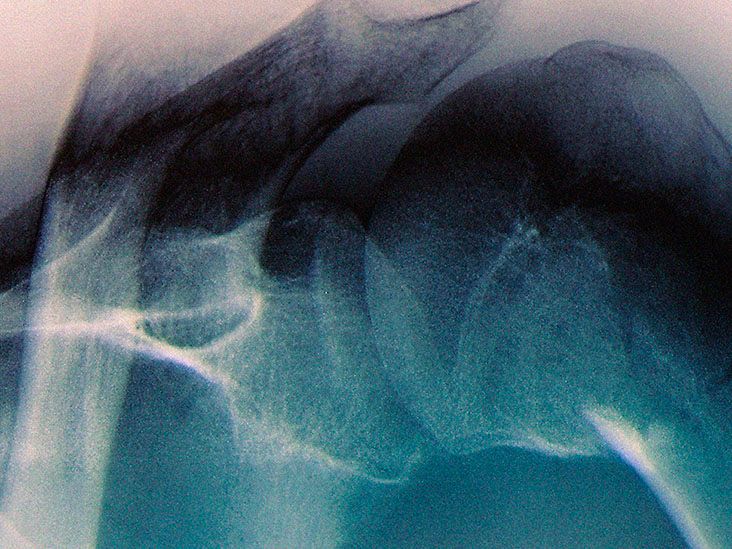
The shoulder is the overachiever of the human skeleton. It lets you throw a ball, reach the top shelf, scratch your back, wave dramatically across a parking lot, carry groceries, and attempt one-trip unloading like a household legend. But that amazing freedom comes with a trade-off: the shoulder is built for mobility more than pure stability. When the bones, joints, muscles, tendons, ligaments, and cartilage stop working together, even simple movements can feel like negotiating with a tiny angry committee inside your upper body.
Understanding shoulder bones is not just for anatomy students, physical therapists, or people who enjoy pointing at X-rays like detectives. It can help you make sense of shoulder pain, recognize common shoulder injuries, and know when a “sleeping on it wrong” situation might actually deserve medical attention. The shoulder includes three main bones: the clavicle, scapula, and humerus. These bones form several joints that allow a huge range of motion while relying heavily on soft tissues for control and protection.
This guide explains shoulder bone anatomy in plain English, covers the most common shoulder problems, and offers practical prevention and care tips. No Latin pop quiz required.
What Are the Main Shoulder Bones?
The shoulder is often described as one joint, but it is better understood as a coordinated system. The three primary shoulder bones are the clavicle, scapula, and humerus. Together, they create the shoulder girdle, connect the arm to the trunk, and provide attachment points for muscles that move and stabilize the arm.
Clavicle: The Collarbone
The clavicle, commonly called the collarbone, is the slender S-shaped bone that runs across the front of the upper chest. You can usually feel it just under the skin. It connects the breastbone, or sternum, to the shoulder blade, helping hold the shoulder away from the body so the arm can move freely.
The clavicle may look delicate, but it does important structural work. It acts like a strut, transferring force from the arm to the central skeleton. That is why falls onto an outstretched hand, bicycle crashes, sports collisions, and direct blows to the shoulder can lead to clavicle fractures. A broken collarbone is one of the more common shoulder-area fractures, especially in active people and children.
Scapula: The Shoulder Blade
The scapula, or shoulder blade, is the flat triangular bone on the back of the upper body. It may seem like a quiet background character, but it is actually a major control center for shoulder movement. The scapula contains the glenoid, a shallow socket where the upper arm bone fits. It also includes the acromion, the bony roof over part of the shoulder, and the coracoid process, a hook-like projection where several muscles and ligaments attach.
The scapula must glide and rotate smoothly over the rib cage whenever you lift your arm. If it does not move properly, the shoulder may feel weak, pinchy, stiff, or unstable. This is one reason posture, upper-back strength, and scapular control matter so much for shoulder health. Your shoulder blade is not just hanging out back there. It is doing logistics.
Humerus: The Upper Arm Bone
The humerus is the long bone of the upper arm. Its rounded top, called the humeral head, forms the “ball” of the shoulder’s ball-and-socket joint. This ball fits into the shallow glenoid socket of the scapula. Because the socket is shallow, the shoulder can move in many directions. The downside is that it depends heavily on the rotator cuff, labrum, ligaments, and joint capsule to stay centered.
The upper part of the humerus is called the proximal humerus. It contains bony landmarks where rotator cuff tendons attach. Fractures of the proximal humerus are common after falls, especially in older adults with lower bone density. Humerus problems can affect lifting, reaching, dressing, sleeping, and even basic daily tasks like pouring coffee without looking betrayed by your own arm.
The Four Key Shoulder Joints
Although people often say “the shoulder joint,” the shoulder actually works through several joints and movement surfaces. Each one has a different role.
Glenohumeral Joint
The glenohumeral joint is the main ball-and-socket joint. It forms where the humeral head meets the glenoid socket of the scapula. This joint gives the shoulder its impressive range of motion, including flexion, extension, rotation, abduction, and adduction. In normal-human terms, it lets you lift, reach, rotate, and wave.
Because the glenoid socket is shallow, the glenohumeral joint is more prone to instability and dislocation than deeper joints like the hip. The labrum, a rim of cartilage around the socket, helps deepen the joint and improve stability.
Acromioclavicular Joint
The acromioclavicular joint, or AC joint, is where the outer end of the clavicle meets the acromion of the scapula. It is located at the top of the shoulder. This joint helps with overhead movement and shoulder positioning.
AC joint injuries often happen after a fall directly onto the shoulder. A mild sprain can cause soreness at the top of the shoulder, while a more serious separation may create a visible bump. This does not mean your shoulder has grown a mountain; it means the ligaments supporting the joint may be injured.
Sternoclavicular Joint
The sternoclavicular joint, or SC joint, is where the inner end of the clavicle meets the sternum. It is small but important because it is the only true bony connection between the arm and the central skeleton. SC joint injuries are less common, but trauma near this area should be taken seriously because of nearby blood vessels, airways, and other vital structures.
Scapulothoracic Movement
The scapulothoracic area is not a classic joint with cartilage-lined bone ends. Instead, it describes how the scapula moves over the rib cage. Smooth scapular movement is essential for healthy shoulder mechanics. When the shoulder blade does not rotate, tilt, or glide properly, the arm may compensate, and compensation is basically the body saying, “I have a terrible plan, but we are doing it anyway.”
Important Soft Tissues Around the Shoulder Bones
Shoulder bones create the framework, but soft tissues make the system usable. Without muscles, tendons, ligaments, cartilage, and bursae, the shoulder would be a fancy pile of parts with no customer support.
Rotator Cuff
The rotator cuff is a group of four muscles and tendons that help keep the humeral head centered in the shoulder socket. These muscles are the supraspinatus, infraspinatus, teres minor, and subscapularis. They help with lifting and rotation, but their stabilizing role is just as important.
Rotator cuff problems can include tendinitis, partial tears, and full-thickness tears. Pain may be worse when lifting the arm, reaching behind the back, lying on the affected side, or performing overhead activities.
Labrum
The labrum is a ring of cartilage around the glenoid socket. It helps deepen the socket and improves shoulder stability. Labral injuries can occur from shoulder dislocation, repetitive overhead sports, heavy pulling, or falls. Some people describe catching, clicking, deep pain, or a feeling that the shoulder is not sitting right.
Ligaments and Joint Capsule
Ligaments connect bones to bones, while the joint capsule surrounds and supports the glenohumeral joint. If these tissues stretch or tear, instability can develop. If they tighten and thicken, stiffness can become a major problem, as seen in frozen shoulder.
Bursae
Bursae are small fluid-filled sacs that reduce friction between bones, tendons, and muscles. The subacromial bursa is especially important because it cushions the space between the rotator cuff and the acromion. When irritated, it can swell and cause shoulder bursitis, often producing pain with reaching or lifting.
Common Shoulder Bone and Joint Problems
Shoulder pain can come from bones, joints, cartilage, tendons, muscles, nerves, or even areas outside the shoulder. Below are some of the most common problems related to shoulder anatomy.
1. Clavicle Fracture
A clavicle fracture is a break in the collarbone. It often happens after a fall, sports injury, car accident, or direct hit to the shoulder. Symptoms may include sharp pain, swelling, bruising, tenderness, difficulty lifting the arm, and sometimes a visible bump or deformity.
Many collarbone fractures heal with a sling, rest, pain control, and gradual rehabilitation. Surgery may be considered if the bone pieces are badly displaced, the skin is threatened, or there are other complications. Recovery depends on age, fracture pattern, activity level, and overall health.
2. Proximal Humerus Fracture
A proximal humerus fracture affects the upper end of the arm bone near the shoulder joint. This injury is common after a fall onto an outstretched hand or directly onto the shoulder. Older adults with osteoporosis are at higher risk because weaker bone can break from lower-energy trauma.
Symptoms usually include pain, swelling, bruising, limited movement, and difficulty using the arm. Some fractures can be treated without surgery, especially if the bone pieces remain aligned. More complex fractures may require surgical fixation or, in severe cases, shoulder replacement.
3. Scapula Fracture
Scapula fractures are less common because the shoulder blade is protected by surrounding muscles and the rib cage. When they do occur, they are often linked to high-energy trauma, such as vehicle crashes or major falls. Because of that, doctors often check for associated injuries to the chest, ribs, lungs, or nerves.
Treatment may include immobilization, pain management, and physical therapy. Surgery may be needed if the fracture affects the joint surface, causes major displacement, or disrupts shoulder mechanics.
4. Shoulder Dislocation
A shoulder dislocation happens when the humeral head comes out of the glenoid socket. The shoulder most commonly dislocates forward, called an anterior dislocation. This can happen during sports, falls, trauma, or forceful overhead positioning.
Symptoms may include intense pain, visible deformity, inability to move the shoulder normally, swelling, and a feeling that the shoulder is out of place. Numbness or weakness can suggest nerve involvement and should be evaluated urgently. After a dislocation, some people develop recurrent instability, especially younger athletes.
5. Shoulder Separation
A shoulder separation is not the same as a shoulder dislocation. It usually refers to an AC joint injury where ligaments connecting the clavicle and scapula are stretched or torn. It commonly happens after falling directly onto the point of the shoulder.
Mild separations may improve with rest, ice, a sling, and rehabilitation. Severe separations can cause a prominent bump and may require orthopedic evaluation, especially for athletes, laborers, or people with ongoing pain and weakness.
6. Rotator Cuff Tendinitis and Tears
Rotator cuff problems are among the most common causes of shoulder pain. Tendinitis can develop from overuse, repetitive overhead work, poor mechanics, or age-related tendon changes. Tears may occur suddenly from injury or gradually from wear and degeneration.
Typical symptoms include pain with overhead motion, weakness, night pain, trouble reaching behind the back, and difficulty lifting objects away from the body. Treatment often starts with activity modification, physical therapy, anti-inflammatory strategies, and sometimes injections. Full-thickness tears, major weakness, or traumatic injuries may require surgical discussion.
7. Shoulder Bursitis and Impingement
Shoulder bursitis occurs when a bursa becomes inflamed. Impingement describes irritation that can happen when tendons or bursa are compressed during shoulder movement, often under the acromion. These problems can overlap with rotator cuff tendinitis.
Pain often appears when raising the arm, reaching overhead, or lying on the shoulder. Treatment may include rest from irritating activities, posture correction, physical therapy, medication when appropriate, and gradual strengthening of the rotator cuff and shoulder blade muscles.
8. Shoulder Arthritis
Arthritis can affect the glenohumeral joint or the AC joint. Osteoarthritis involves wear of cartilage over time. Rheumatoid arthritis and other inflammatory conditions can also affect the shoulder. As cartilage breaks down, bones may rub more directly, causing pain, stiffness, grinding, and reduced range of motion.
AC joint arthritis often causes pain at the top of the shoulder, especially when reaching across the chest. Glenohumeral arthritis may cause deeper shoulder pain and stiffness. Treatment can include exercise, physical therapy, medication, injections, and in advanced cases, shoulder replacement surgery.
9. Frozen Shoulder
Frozen shoulder, also called adhesive capsulitis, involves stiffness and pain caused by tightening of the shoulder capsule. It often develops gradually and may progress through painful, stiff, and recovery phases. People with diabetes, thyroid disease, or a history of shoulder immobilization may have higher risk.
Unlike some rotator cuff problems, frozen shoulder limits both active and passive motion. In other words, you cannot lift the arm normally, and someone else cannot easily lift it for you either. Treatment may involve stretching, physical therapy, anti-inflammatory measures, injections, and occasionally procedures for severe stiffness.
10. Scapular Dyskinesis
Scapular dyskinesis means abnormal shoulder blade movement. It is not always a stand-alone diagnosis, but it often contributes to shoulder pain, weakness, and inefficient motion. Desk posture, muscle imbalance, nerve problems, and sports overuse can all play a role.
Signs may include shoulder blade winging, uneven shoulder motion, fatigue with lifting, or pain during overhead activity. Rehabilitation usually focuses on posture, thoracic mobility, serratus anterior strength, lower trapezius activation, and rotator cuff control.
Where Shoulder Pain Appears Can Offer Clues
Pain location does not provide a perfect diagnosis, but it can offer clues. Pain at the top of the shoulder may point toward AC joint irritation, separation, or arthritis. Pain on the outside of the upper arm is common with rotator cuff problems. Deep pain inside the shoulder may suggest labral injury, arthritis, instability, or joint inflammation. Pain in the front of the shoulder may involve the biceps tendon, rotator cuff, or joint capsule.
However, shoulder pain can be sneaky. Neck problems can refer pain into the shoulder. Heart, gallbladder, or lung conditions may sometimes cause pain that feels like shoulder discomfort. If pain is severe, unexplained, linked with chest pressure, shortness of breath, fever, major trauma, numbness, or sudden weakness, it is time to seek medical care promptly.
How Shoulder Problems Are Diagnosed
Diagnosis usually starts with a medical history and physical exam. A clinician may ask how the pain started, what movements make it worse, whether there was trauma, and whether you have weakness, numbness, stiffness, or night pain. They may test range of motion, strength, joint stability, and specific pain patterns.
X-rays are commonly used to evaluate shoulder bones, fractures, arthritis, and joint alignment. MRI can show soft tissue structures such as the rotator cuff, labrum, cartilage, and bone marrow changes. Ultrasound may help assess rotator cuff tendons and guide injections. CT scans may be used for complex fractures, especially when detailed bone anatomy is needed.
Treatment Options for Shoulder Bone and Joint Problems
Treatment depends on the cause. A sore shoulder from mild overuse is very different from a dislocation, fracture, or full-thickness tendon tear. Still, several treatment categories are common.
Rest and Activity Modification
Rest does not always mean doing nothing. It often means avoiding movements that flare symptoms while keeping safe motion when appropriate. For example, avoiding heavy overhead lifting for a short period may help bursitis or tendinitis calm down.
Physical Therapy
Physical therapy is central for many shoulder conditions. A good program may address range of motion, rotator cuff strength, scapular control, posture, thoracic spine mobility, and gradual return to activity. The shoulder usually likes smart consistency more than heroic gym decisions made after watching one motivational video.
Medication and Injections
Anti-inflammatory medication may be recommended for some people, depending on health history and medical advice. Corticosteroid injections may help certain inflammatory shoulder problems, such as bursitis, arthritis, or frozen shoulder. Injections are not magic erasers, but they may reduce pain enough to allow better movement and rehabilitation.
Immobilization
Slings may be used after fractures, dislocations, or certain acute injuries. Immobilization protects healing tissue, but keeping the shoulder still for too long can lead to stiffness. Follow-up care matters because the shoulder can become dramatic when neglected.
Surgery
Surgery may be considered for displaced fractures, recurrent instability, severe AC joint injuries, full-thickness traumatic rotator cuff tears, advanced arthritis, or injuries that do not respond to conservative care. Surgical options vary widely, from arthroscopic repairs to fracture fixation to shoulder replacement.
How to Support Healthy Shoulder Bones and Joints
Healthy shoulders depend on both bone strength and movement quality. To support shoulder bones, pay attention to overall bone health with adequate calcium, vitamin D, strength training, balance work, and medical care for osteoporosis risk when appropriate. To support shoulder mechanics, strengthen the upper back, rotator cuff, and shoulder blade stabilizers.
At work, adjust your screen and keyboard so you are not constantly hunched forward. Take breaks from long periods of sitting. During exercise, increase overhead activity gradually. If your shoulder hurts during a movement, do not automatically “push through.” Pain is information, not a personal insult.
Good warm-ups matter for throwing, swimming, tennis, weightlifting, and manual labor. So does technique. The shoulder is strong, but it does not appreciate being treated like a crane with Wi-Fi.
When to See a Doctor for Shoulder Pain
Seek medical evaluation if shoulder pain follows a fall, collision, or obvious injury; if you notice deformity, severe swelling, or bruising; if you cannot lift the arm; if the shoulder feels unstable or slips out; or if numbness, tingling, or weakness appears. You should also get checked if pain lasts more than a few weeks, wakes you at night, limits daily activity, or keeps returning despite rest.
Emergency care is important for shoulder pain with chest pain, shortness of breath, fainting, fever, signs of infection, or major trauma. Not every shoulder ache is serious, but some deserve fast attention.
Experiences Related to Shoulder Bones and Common Problems
One of the most common real-life shoulder stories starts at a desk. A person spends hours leaning toward a laptop, shoulders rolled forward, neck craned like a curious turtle. At first, nothing hurts. Then the top of the shoulder feels tight. Later, reaching for a seat belt or lifting a backpack creates a pinch. In many cases, the bones are not “out of place,” but the shoulder blade, rotator cuff, chest muscles, and upper-back muscles are no longer working as a balanced team. The experience feels like shoulder pain, but the solution often involves posture, mobility, and strengthening rather than simply rubbing the sore spot and hoping for a miracle.
Another familiar experience happens to weekend athletes. Someone plays tennis, basketball, pickleball, softball, or does a big gym session after months of light activity. The shoulder feels fine during the fun part. The next morning, lifting the arm feels suspiciously difficult. Rotator cuff tendons and bursae can become irritated when activity jumps too quickly. This does not always mean a tear, but it does mean the shoulder is waving a tiny red flag. A gradual return, proper warm-up, and attention to technique can prevent the same cycle from becoming a recurring subscription nobody asked for.
Falls create a different kind of experience. A person slips, lands on the side of the shoulder, and suddenly the collarbone or upper arm becomes intensely painful. Bruising, swelling, a visible bump, or inability to move the arm can suggest fracture, separation, or dislocation. This is when the “wait and see” approach is not ideal. Shoulder bones can heal well, but alignment, nerve function, and joint stability need proper evaluation.
Older adults often describe shoulder problems differently. A simple fall from standing height may lead to a proximal humerus fracture, especially if bone density is low. Arthritis may appear as deep aching, stiffness, grinding, and loss of motion over time. Some people slowly stop reaching overhead, then stop using high shelves, then notice they cannot put on a jacket comfortably. The change can be so gradual that it feels like normal aging, but many shoulder conditions can improve with the right diagnosis and rehabilitation plan.
Sleep is another shoulder storyteller. Many people first notice rotator cuff irritation, bursitis, or arthritis at night. Lying on the painful side can compress irritated tissues. Lying on the other side may let the sore shoulder hang forward, creating another kind of discomfort. Simple changes, such as supporting the arm with a pillow, avoiding direct pressure, and addressing the underlying cause, can make a big difference.
The biggest lesson from these everyday experiences is that shoulder pain is rarely random. It usually has a pattern: a fall, a sport, a work setup, repeated overhead motion, stiffness after immobilization, or gradual wear. Paying attention to that pattern helps people explain symptoms clearly, get better care, and avoid turning a manageable shoulder problem into a long-running drama series.
Conclusion
The shoulder bonesthe clavicle, scapula, and humerusform one of the most mobile and useful systems in the body. They help you lift, reach, carry, throw, work, exercise, and perform countless daily movements. But because the shoulder is built for motion, it depends heavily on soft tissues for stability. That is why shoulder problems can involve not only bones, but also tendons, ligaments, cartilage, bursae, muscles, and nerves.
Common shoulder problems include clavicle fractures, proximal humerus fractures, scapula fractures, shoulder dislocations, AC joint separations, rotator cuff injuries, bursitis, arthritis, frozen shoulder, and scapular movement problems. Some improve with rest and physical therapy, while others need imaging, injections, or surgery. The smartest move is to listen to symptoms early, respect pain after trauma, and get medical evaluation when function, strength, or stability is affected.
Note: This article is for educational purposes only and should not replace professional medical diagnosis or treatment. Shoulder pain after trauma, severe weakness, deformity, numbness, chest symptoms, fever, or persistent limitation should be evaluated by a qualified healthcare professional.











