
Note: This original article is written for web publication and is based on publicly available information about Henry Beguelin, its Italian leather craftsmanship, and San Francisco’s Sacramento Street shopping culture.
A Love Letter to Leather, San Francisco, and the Art of Slow Shopping
There are shopping trips, and then there are shopping trips that feel like a small, beautifully edited movie. Shopper’s Diary: Henry Beguelin in SF belongs firmly in the second category. Think quiet San Francisco streets, architectural charm, the faint promise of coffee nearby, and a boutique atmosphere where a leather bag is not just a leather bag. It is a character. Possibly the main character.
Henry Beguelin, the Italian accessories house known for handcrafted leather bags, shoes, belts, small leather goods, and home pieces, has long attracted shoppers who prefer personality over polish-for-polish’s-sake. The brand is associated with natural materials, artisanal handwork, visible stitching, relaxed luxury, and the kind of details that make you lean closer instead of scrolling faster.
In San Francisco, that sensibility fits especially well. The city has never been only about big-name luxury. Yes, there are famous department stores and designer flagships, but San Francisco’s most memorable shopping often happens on neighborhood corridors, where independent boutiques, design stores, cafés, galleries, and restaurants sit together like a very stylish dinner party. Sacramento Street, between Presidio Heights and Pacific Heights, has long been one of those corridors: elegant, local, a little hushed, and full of shops that seem to whisper, “Come in, but please don’t rush.”
What Makes Henry Beguelin Different?
Henry Beguelin is not the kind of label that needs giant logos to announce itself from across the sidewalk. Its appeal is quieter and more tactile. The brand’s identity is rooted in Italian craftsmanship, traditional techniques, hand-sewn details, natural leather, and a one-of-a-kind feeling that comes from objects made by people rather than machines programmed to produce sameness at heroic speed.
That handmade quality matters. A Henry Beguelin bag often looks relaxed rather than rigid, useful rather than precious, and refined without behaving like it needs its own security detail. The leather may show grain, softness, texture, and character. Stitching may become decoration. A charm, tassel, contrast detail, or little human-like stitched figure can turn a simple tote into something closer to a travel companion.
This is why the brand appeals to shoppers who like luxury but do not want to look like they have been attacked by a billboard. Henry Beguelin sits in the world of “quiet luxury,” but with a bohemian heartbeat. It feels less like corporate minimalism and more like a well-traveled friend who owns excellent boots, drinks espresso properly, and somehow always knows where the best linen napkins are hiding.
Henry Beguelin and the Sacramento Street Mood
The phrase “Henry Beguelin in SF” is most strongly tied to the brand’s former Sacramento Street presence, remembered in design-shopping coverage as an outpost of Milanese craft in one of San Francisco’s most graceful shopping neighborhoods. Sacramento Street has long been known for boutiques, home design stores, specialty shops, and a polished but residential rhythm. It is not the loudest shopping district in the city. That is exactly the point.
Union Square may deliver the grand retail theater, but Sacramento Street delivers the discovery. It is the kind of place where you do not merely buy something; you notice materials, proportions, door handles, window displays, and the way a chair looks in afternoon light. That makes it a natural environment for Henry Beguelin, a brand whose best pieces reward close attention.
In a typical Sacramento Street shopping afternoon, a Henry Beguelin piece would not feel out of place next to antique finds, art books, handmade ceramics, tailored clothing, or a perfectly simple café table. The brand’s leather goods and home accents belong to the same universe: objects with texture, warmth, and a sense of being lived with rather than merely owned.
The Boutique Experience: Why Touch Still Matters
Online shopping is convenient, of course. It lets us compare prices while wearing socks of questionable dignity. But Henry Beguelin is a strong argument for in-person shopping. The difference between “brown leather bag” and “the brown leather bag that makes you rethink your entire personality” is often touch.
In a boutique setting, you can feel the weight of a tote, test the handle drop, open the zipper, inspect the lining, check how a crossbody strap sits on your shoulder, and decide whether a color works with the clothes you actually wear instead of the fantasy wardrobe living rent-free in your imagination. You can compare grained leather with softer finishes, structured shapes with slouchier silhouettes, and understated colors with brighter seasonal tones.
That matters because Henry Beguelin pieces often succeed through nuance. A contrast stitch may make a black bag feel less severe. A metallic lining may add a private wink. A hand-finished edge may be the detail you keep noticing months later. The best luxury accessories do not always shout at purchase. Sometimes they keep talking quietly over time.
What to Look For in a Henry Beguelin Bag
1. The Leather
Start with the material. Henry Beguelin is best appreciated through natural texture, softness, and finish. Look for leather that feels substantial but not stiff, refined but not sterile. The beauty is often in variation: grain, tone, and the small marks that give the piece individuality.
2. The Stitching
Stitching is one of the brand’s quiet signatures. Contrast stitching, hand-sewn accents, and decorative threadwork can turn a simple shape into something unmistakably personal. Check whether the stitching adds charm without overwhelming the design.
3. The Shape
Henry Beguelin bags often shine in practical silhouettes: totes, shoulder bags, crossbody styles, bucket-inspired shapes, and everyday handbags. Ask yourself how you will use it. A beautiful bag that cannot hold your keys, phone, wallet, sunglasses, lip balm, emergency snack, receipt collection, and mysterious old mint may not survive real life.
4. The Interior
Do not ignore the inside. A good luxury bag should make daily use easier, not turn every errand into an archaeological dig. Look for lining, pockets, closure type, strap adjustability, and whether the bag opens wide enough to be useful.
5. The Personality
The final test is emotional. Does the piece feel like you? Henry Beguelin is not about anonymous perfection. Its best pieces have a little soul. If a bag makes your plain jeans look intentional and your old sweater look “curated,” you may have found the one.
Beyond Bags: Shoes, Belts, Accessories, and Home Pieces
Although Henry Beguelin is often discussed through handbags, the brand’s broader world includes shoes, belts, wallets, small leather goods, outerwear, and occasional home objects. That wider range is important because the brand is not just selling accessories; it is selling a material language.
Shoes may include loafers, boots, sandals, sneakers, and moccasin-inspired shapes, often with the same attention to leather and hand-finished detail. Belts can bring the brand’s craft into a daily uniform without requiring a full wardrobe overhaul. Wallets and small leather goods offer a more accessible entry point, especially for shoppers who appreciate craftsmanship but are not ready to commit to a major bag purchase.
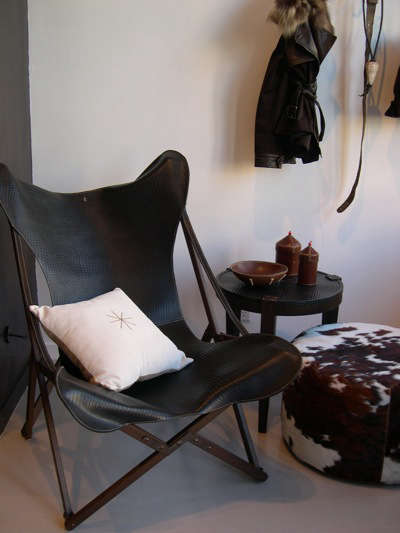
The home pieces are especially interesting for design lovers. Earlier San Francisco coverage highlighted leather seating and clever leather details, including a take on the classic butterfly chair and knotted leather door handles. That crossover between fashion and interiors makes sense. Henry Beguelin’s aesthetic is not limited to what you carry; it extends to how a room feels: warm, textured, collected, and slightly bohemian without becoming chaotic.
Why San Francisco Shoppers Understand the Brand
San Francisco has a special relationship with practical beauty. The city’s weather alone trains residents to think in layers, textures, and objects that can handle a day with three microclimates and one surprise hill. A bag needs to work with denim, boots, a trench, a wool coat, and possibly a tote full of farmers market citrus. Shoes must be stylish, yes, but also emotionally prepared for sidewalks that rise like cardio equipment.
That is why Henry Beguelin’s relaxed luxury feels at home in the city. The brand’s pieces are elegant but not fragile-looking. They pair well with natural fibers, tailored jackets, oversized knits, linen shirts, long skirts, denim, and the kind of neutral palette that says, “I read design magazines, but I also know where to get good tacos.”
San Francisco shoppers also tend to appreciate objects with story. A handmade leather bag from Italy, shaped by traditional tools and finished with visible craft, offers more narrative than a trend-driven accessory that will look tired by next season. Henry Beguelin’s appeal is durability, comfort, and individualitythe holy trinity for people who want fewer, better things.
How to Style Henry Beguelin in San Francisco
The Presidio Heights Afternoon Look
Pair a soft leather shoulder bag with straight-leg denim, loafers, a crisp button-down, and a lightweight wool coat. Add sunglasses and a coffee you swear you bought for energy, not as a prop. This look works for boutique browsing, gallery stops, and pretending you are not checking restaurant menus while walking.
The Weekend Market Look
Choose a roomy tote with a relaxed shape. Wear it with a striped sweater, wide-leg pants, flat sandals or sneakers, and a scarf. The goal is easy polish: comfortable enough for errands, elevated enough that running into someone you know does not feel like a personal attack.
The Dinner on Fillmore Look
A smaller crossbody or top-handle bag works beautifully with a black dress, cropped jacket, ankle boots, or elegant flats. Let the leather texture soften the outfit so it feels intimate rather than overly formal.
The Creative Professional Look
For work, choose a structured tote or medium bag with enough room for essentials. Pair it with tailored trousers, a fine knit, and a long coat. The bag adds craft and warmth to professional clothing without making the outfit look too corporate.
Smart Shopping Tips Before You Buy
Because Henry Beguelin pieces sit in the luxury category, a thoughtful approach is worth it. First, consider cost per wear. A handmade Italian leather tote used several times a week may make more sense than a dramatic evening bag that only leaves the closet for weddings and moments of overconfidence.
Second, check current store availability before planning a visit. The historic San Francisco connection is real, but current official store listings should always be verified because luxury retail locations change. If you are shopping today, check the brand’s official store locator, authorized boutiques, or reputable luxury retailers before making a special trip.
Third, compare new and resale options. Henry Beguelin’s craftsmanship and timeless styling make the brand a good candidate for the secondhand market, where shoppers may find older silhouettes, discontinued colors, and gently used pieces with beautiful patina. Just be careful with authentication, condition, return policies, and seller reputation.
Fourth, buy for your real life. The best bag is not the one that looks perfect in a product photo. It is the one you reach for when you are late, carrying too much, and still want to look like your life has a plan.
Care and Maintenance: Keeping Leather Beautiful
A Henry Beguelin piece should age gracefully, but graceful aging still appreciates a little help. Store bags stuffed lightly so they keep their shape. Avoid long exposure to direct sunlight, which can fade leather. Keep pieces away from moisture when possible, and if a bag does get wet, blot gently with a soft cloth and let it dry naturally. Do not attack it with a hair dryer unless you want your luxury leather to file a complaint.
For regular care, use a clean, dry cloth to remove surface dust. Before applying conditioners or cleaners, test carefully on a hidden area or consult a leather specialist, especially with unusual finishes, suede, nubuck, or lighter colors. Hardware, stitching, and decorative details should be handled gently. Handmade items reward care; they are not delicate museum objects, but they are also not gym bags pretending to be fancy.
The Emotional Value of Handmade Luxury
What makes Henry Beguelin memorable is not only the object itself, but the relationship it invites. Fast fashion asks, “What is new?” Handmade luxury asks, “What will stay?” That difference changes the shopping experience. You slow down. You examine. You imagine the item five years from now, softened by use and full of small personal associations.
This is why the phrase Shopper’s Diary suits the brand so well. A diary is personal. It records details that may seem small but later become meaningful: the street you walked down, the chair in the corner, the way the leather felt, the sales associate who explained the stitching, the moment you realized the bag worked with almost everything you owned.
In San Francisco, where fog can make even an ordinary afternoon cinematic, that kind of shopping memory feels especially appropriate. Henry Beguelin is not about grabbing a trend and leaving. It is about noticing craft, choosing carefully, and finding beauty in useful things.
Experience Diary: A Longer Walk Through Henry Beguelin in SF
Imagine starting the afternoon on Sacramento Street with no strict agenda, which is the only civilized way to shop in San Francisco unless parking meters are involved. The air has that familiar city crispness, the kind that makes a coat feel sensible and a second coffee feel medicinal. You pass quiet storefronts, design shops, and windows arranged with the confidence of people who know exactly where to place one ceramic bowl.
Then you step into the Henry Beguelin mood. The first impression is texture. Leather is not sitting there like inventory; it is almost staged like sculpture. A tote slouches in a way that suggests travel. A pair of boots looks ready for cobblestones, even if your immediate destination is lunch. A belt has stitching that seems simple at first, then oddly irresistible. This is the danger of good craft: it makes you care about things you previously believed were “just details.”
You pick up a bag and notice the weight. Not heavy, not flimsy, just present. The handle feels considered. The leather has a natural warmth that polished synthetic materials never quite manage. You check the inside because you are practical, or at least trying to become practical before making a luxury purchase. There is room for your phone, wallet, sunglasses, keys, and the small emotional support items every modern person carries without admitting it.
The sales experience, at its best, feels less like being pushed and more like being introduced. A good boutique associate does not simply say, “This is popular.” They explain the leather, the stitching, the way the piece will soften, how the strap adjusts, why a certain shape works for travel, or why a smaller bag may be better if you tend to carry your entire household “just in case.” Suddenly, shopping becomes education, and education becomes temptation. Very convenient. Very dangerous.
After trying a few pieces, you begin to understand the brand’s rhythm. The most beautiful item may not be the most dramatic one. It may be the bag that makes your current outfit look better without demanding a new wardrobe. It may be the color that seems plain until you place it against navy, camel, black, ivory, or denim. It may be the tiny hand-stitched figure that makes the whole thing feel less like a product and more like a secret handshake.
What makes the San Francisco experience special is the way the neighborhood continues the story after you leave the shop. A Henry Beguelin bag does not feel strange on Sacramento Street. It belongs with the city’s mix of design intelligence and everyday practicality. You can carry it into a café, a home store, a bookstore, or dinner, and it still makes sense. It is polished but not precious. Artistic but not costume-like. Expensive, yes, but not desperate to prove it.
By the end of the afternoon, whether you buy something or simply gather inspiration, the lesson is the same: the best shopping experiences are not only about acquisition. They are about editing your taste. Henry Beguelin encourages you to look more closely at materials, to value handwork, and to choose objects that can live with you for years. In a world of endless carts, codes, drops, and “last chance” pop-ups, that slower approach feels almost rebellious. Beautifully rebellious, of course. Preferably with excellent stitching.
Conclusion
Shopper’s Diary: Henry Beguelin in SF is more than a nostalgic boutique note. It is a reminder of what makes shopping memorable: place, texture, craft, and the pleasure of finding an object that feels personal. Henry Beguelin’s handmade Italian leather goods fit naturally into San Francisco’s design-minded retail culture, especially the refined neighborhood spirit of Sacramento Street. For shoppers who love quiet luxury, artisanal detail, and accessories with character, the brand offers a compelling alternative to trend-heavy fashion.
The smartest way to shop Henry Beguelin is slowly. Feel the leather. Study the stitching. Think about how the piece will work in your real wardrobe. Check current availability before visiting any location, compare trusted retailers when needed, and choose the item that feels useful, beautiful, and unmistakably yours. That is the real diary entry worth keeping.













