
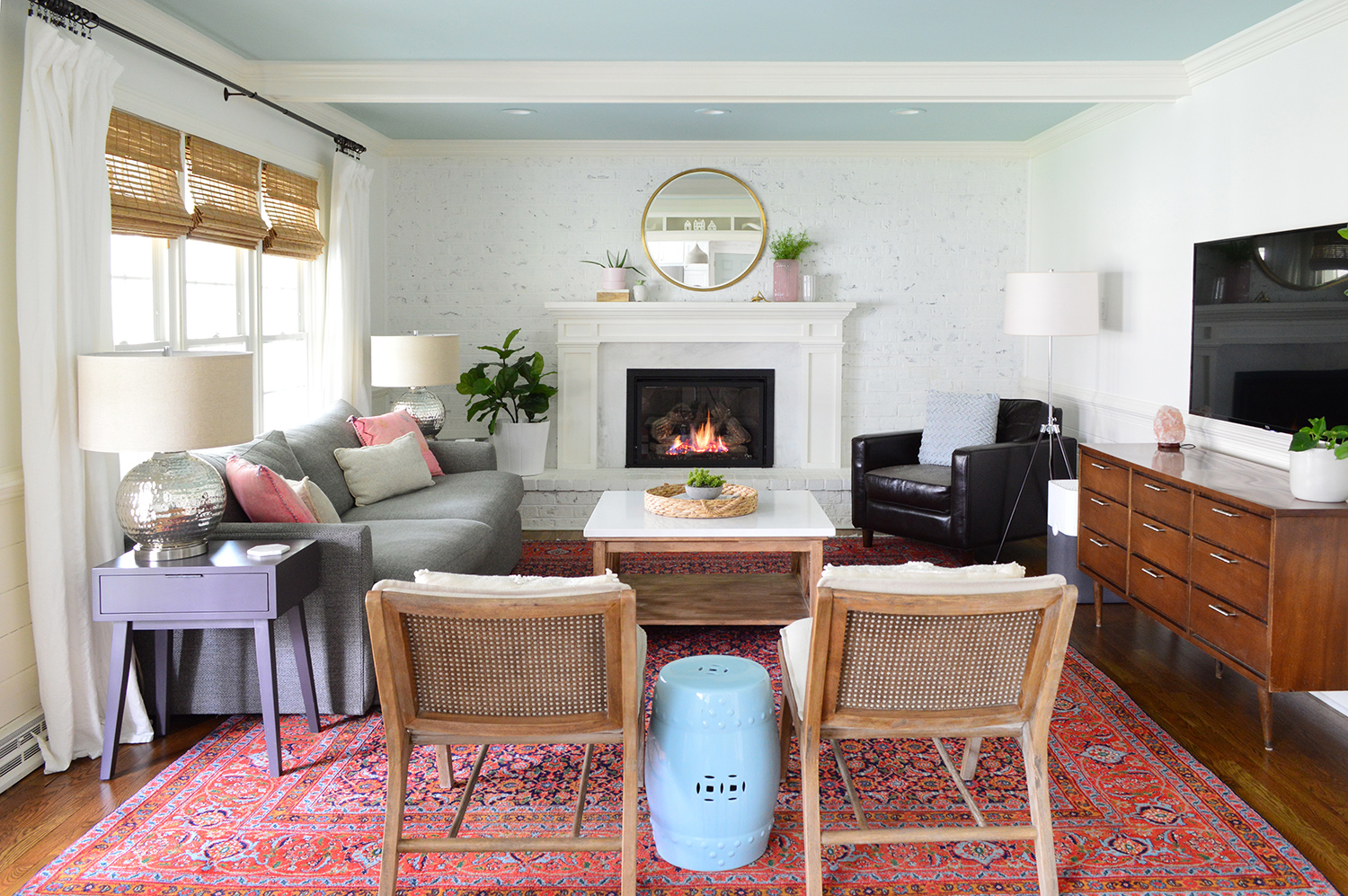
A rug is the quiet overachiever of home design. It warms up cold floors, softens noise, defines zones, protects surfaces, and somehow convinces a room that yes, it has its life together. But choosing the right rug can feel oddly dramatic. Too small, and it looks like a postage stamp having an identity crisis. Too large, and suddenly your living room feels like it accidentally became a hotel lobby. The secret is not buying the most expensive rug or the trendiest pattern. The secret is following a few practical rug rules room by room.
This guide breaks down how to choose rug sizes, placement, materials, colors, and patterns for every major space in the home. Whether you are decorating a living room, dining room, bedroom, entryway, hallway, kitchen, bathroom, home office, or outdoor area, the goal is simple: make the rug look intentional, useful, and stylish without needing a degree in interior design or a measuring tape meltdown.
Why Rug Placement Matters More Than People Think
Area rugs do more than decorate. They anchor furniture, create visual boundaries, add texture, and help rooms feel finished. In open-concept homes, rugs can separate the living area from the dining area without building a wall and making everyone uncomfortable. In bedrooms, rugs add softness where bare feet land first thing in the morning. In dining rooms, rugs protect flooring and keep chairs from sounding like they are auditioning for a horror movie.
The biggest rug mistake is choosing one that is too small. A small rug can make furniture look disconnected, while a properly sized rug pulls everything together. When in doubt, designers often recommend sizing up rather than down. A rug should relate to the furniture, not float alone in the center of the room like it missed the group project meeting.
General Rug Rules Before You Shop
Measure the Room and the Furniture
Before falling in love with a beautiful rug online, measure the actual room. Then measure the furniture arrangement. This matters because a rug should usually fit the seating area, bed area, or dining setupnot simply the full floor dimensions. Use painter’s tape to outline possible rug sizes on the floor. It is low effort, high reward, and far better than guessing with the confidence of someone who has never returned an oversized rug.
Leave Breathing Room Around the Rug
In many rooms, leaving about 12 to 24 inches of visible flooring around the rug creates a balanced border. Smaller rooms may need less exposed floor, while large rooms can handle more. The key is consistency. A rug shoved against one wall and floating far from another usually looks accidental.
Match Material to Lifestyle
Wool is durable, cozy, and naturally resilient. Cotton is casual and often easy to clean. Jute and sisal add organic texture but can feel rough underfoot. Synthetic fibers such as polypropylene or polyester are often budget-friendly, stain-resistant, and practical for households with kids, pets, snacks, or people who say “I’ll be careful” while holding grape juice.
Living Room Rug Rules
The living room is where rug size matters most because the rug must connect several furniture pieces at once. The most common living room rug sizes are 8×10 and 9×12, though larger spaces may need 10×14. Small apartments may work with 5×7 or 6×9, but only if the layout is compact.
Rule 1: Put at Least the Front Legs on the Rug
For most living rooms, the safest placement is to put the front legs of the sofa and chairs on the rug. This makes the seating area feel unified. If the rug sits only under the coffee table, the room can look unfinished. The furniture appears to be ignoring the rug, and frankly, the rug deserves better.
Rule 2: Let the Rug Extend Beyond the Sofa
A living room rug should usually be wider than the sofa by at least several inches on each side. This creates balance and prevents the sofa from overpowering the rug. If the sofa is 84 inches wide, a 5-foot rug may look cramped, while an 8×10 or 9×12 can give the room a more polished feel.
Rule 3: Use Larger Rugs for Open-Concept Spaces
In an open floor plan, a larger rug helps define the living area. Place the sofa, chairs, and coffee table so they all visually connect to the rug. This creates a “room within a room” effect without adding walls, screens, or awkward furniture barricades.
Dining Room Rug Rules
The dining room rug has one very important job: keep chairs on the rug even when people pull them out. A rug that is too small becomes a chair trap. Nobody wants to scoot forward and backward over a rug edge every time they sit down. That is not dinner; that is furniture CrossFit.
Rule 1: Add 24 to 30 Inches Around the Table
Choose a dining rug that extends at least 24 inches beyond the table on all sides. If the chairs are large or the diners are enthusiastic scoot-back people, 30 inches is even better. For a 72-inch-long rectangular table, that often means looking at rugs around 8×10 or larger.
Rule 2: Match the Rug Shape to the Table Shape
A rectangular table usually looks best with a rectangular rug. A round table can work beautifully with a round rug, especially in a breakfast nook or small dining area. A square rug can suit a square table, but make sure there is enough chair clearance on all sides.
Rule 3: Choose Low-Pile or Flatweave Rugs
Dining rooms are not the best place for high-pile shag rugs unless you enjoy searching for crumbs like an archaeologist. Low-pile, flatweave, indoor-outdoor, or washable rugs are easier to clean and allow chairs to move smoothly.
Bedroom Rug Rules
A bedroom rug should make the room feel calm, cozy, and grounded. It should also give your feet a soft landing in the morning, because stepping onto cold flooring at 6:30 a.m. is a betrayal.
Rule 1: Extend the Rug Beyond the Bed
For a queen bed, an 8×10 rug is usually a strong choice. For a king bed, a 9×12 rug often works better. The rug should extend beyond the sides and foot of the bed so it feels generous rather than barely visible. A tiny rug peeking out from under a bed is like wearing a scarf under a winter coat and pretending it counts as an outfit.
Rule 2: Place the Rug Under Two-Thirds of the Bed
A popular bedroom layout places the rug under the lower two-thirds of the bed, leaving the nightstands off the rug. This saves money compared with placing the entire bed and nightstands on a larger rug while still giving softness where people step.
Rule 3: Use Runners for Small Bedrooms
If the bedroom is small or the bed is pushed close to the wall, use runners along one or both sides. This gives comfort without forcing a large rug into a tight space. Runners also work well in guest rooms where function matters more than a grand design statement.
Entryway Rug Rules
The entryway rug is the first rug guests see and the first one to face shoes, weather, bags, pets, and whatever mysterious debris comes home with daily life. It needs to be attractive, but it also needs to be tough.
Rule 1: Choose a Rug That Clears the Door
Make sure the front door can open smoothly over the rug. A thick rug that catches the door may look nice for three seconds, then become a daily annoyance. Low-pile rugs, flatweaves, and washable mats are practical choices.
Rule 2: Cover the Main Walking Path
In a small entry, a 2×3 or 3×5 rug may work well. In a long foyer, a runner can guide movement and make the space feel more finished. Leave a visible floor border so the rug does not look jammed into place.
Rule 3: Pick Pattern Over Plain
Entryways collect dirt. A patterned rug hides everyday mess better than a solid light-colored rug. Darker tones, mixed colors, vintage-inspired designs, and textured weaves are forgiving and stylish.
Hallway Rug Rules
Hallways often feel like forgotten tunnels, but a runner can add warmth, color, and direction. The trick is choosing the right length and width.
Rule 1: Leave Floor Showing on Both Sides
A hallway runner should not touch the walls. Leave a few inches of visible flooring on each side for a tailored look. If the hallway is wide, choose a wider runner. If it is narrow, avoid anything too bulky.
Rule 2: Use a Rug Pad
Hallway runners slide easily, especially in busy homes. A rug pad helps keep the runner in place, adds cushioning, and reduces tripping risks. It is one of those boring purchases that quietly saves your dignity.
Rule 3: Consider Repetition
If the hallway connects several rooms, choose a runner that complements nearby rugs rather than copying them exactly. Repeated tones or similar textures create flow without making the home look like a rug showroom.
Kitchen Rug Rules
Kitchen rugs need to survive spills, splashes, crumbs, and the occasional dropped spoon that sounds louder than expected. A rug in the kitchen can add comfort while standing and soften hard surfaces, but it must be easy to clean.
Rule 1: Use Runners in Galley Kitchens
A runner is ideal for a galley kitchen or the space between an island and cabinets. It visually lengthens the room and provides cushioning in the busiest work zone.
Rule 2: Place Small Rugs at Workstations
If a full runner is not practical, place a small rug near the sink or prep area. This is where people stand the longest, so comfort matters. Choose washable or stain-resistant materials.
Rule 3: Avoid Thick Pile
High-pile rugs in kitchens can trap crumbs and make cleaning difficult. Flatweave, washable, indoor-outdoor, or performance rugs are better choices. Your future vacuum cleaner will be grateful.
Bathroom Rug Rules
Bathroom rugs should be soft, safe, and moisture-friendly. This is not the room for a precious antique rug unless you enjoy stress as a design concept.
Rule 1: Use Absorbent, Washable Rugs
Choose rugs that can handle water and frequent washing. Cotton bath mats, washable rugs, and quick-dry materials are practical options. Avoid rugs that stay damp too long, as moisture can create odor and mildew problems.
Rule 2: Match the Rug to the Vanity
For double vanities, a longer runner can look cleaner than two separate bath mats. For small bathrooms, a compact rug in front of the sink may be enough.
Rule 3: Add Non-Slip Support
Bathrooms can be slippery, so a non-slip backing or rug pad is essential. Safety is stylish. Falling is not.
Home Office Rug Rules
A home office rug can reduce echo, add personality, and make the workspace feel intentional. However, office chairs complicate things. Rolling chairs and thick rugs are not always best friends.
Rule 1: Put the Desk and Chair Fully on the Rug
The rug should be large enough for the chair to remain on it when pulled back. If the chair rolls half on and half off, daily work becomes a tiny obstacle course.
Rule 2: Choose Low-Pile Rugs for Rolling Chairs
Low-pile or flatweave rugs work better under desk chairs. For extra protection, consider a chair mat if the rug is delicate or the chair is used heavily.
Rule 3: Use Color to Boost Focus
Neutral rugs create a calm work zone, while patterned rugs can energize a plain office. If video calls are part of the day, choose a rug that coordinates with the visible background so the room feels pulled together.
Outdoor Rug Rules
Outdoor rugs make patios, porches, and decks feel like real living spaces. They define seating areas and add comfort, but they must be designed for weather exposure.
Rule 1: Use Outdoor-Safe Materials
Look for rugs made for exterior use, often from polypropylene or other weather-resistant fibers. These rugs are typically easier to rinse, dry, and maintain.
Rule 2: Anchor the Furniture
Just like indoors, outdoor rugs should connect the seating arrangement. Place at least the front legs of chairs and sofas on the rug, or choose a larger rug that fits the full conversation area.
Rule 3: Let the Rug Dry Properly
Even outdoor rugs need airflow. Shake them out, let them dry after heavy rain, and clean underneath occasionally to protect decking or patio surfaces.
How to Choose Rug Color and Pattern
Rug color should support the room’s mood. Light rugs can make a space feel open and airy, but they show dirt more easily. Dark rugs feel cozy and grounded, but they can visually shrink a small room if used heavily. Patterned rugs are wonderful for hiding wear, especially in family rooms, entryways, and dining areas.
If the furniture is mostly solid, a patterned rug can add energy. If the room already has bold wallpaper, colorful upholstery, or dramatic art, a simpler rug may help balance the look. The rug does not need to match everything. It should relate to the room through shared tones, texture, or style.
Rug Layering Rules
Layering rugs can make a room feel collected and custom. A common approach is to place a larger natural fiber rug underneath a smaller patterned rug. For example, a large jute rug under a vintage-style wool rug can add texture and depth.
Layering works best when the bottom rug is neutral and flat, while the top rug brings color or pattern. Avoid layering two thick rugs, especially in high-traffic areas, because the result can look bulky and create tripping edges. Rug layering should feel relaxed, not like the floor is wearing too many sweaters.
Common Rug Mistakes to Avoid
Buying Too Small
The most common mistake is choosing a rug that is too small for the furniture arrangement. A small rug may be cheaper, but it can make the entire room look less intentional.
Ignoring Door Clearance
Always test whether doors can open over the rug, especially in entries, bedrooms, bathrooms, and closets.
Skipping the Rug Pad
Rug pads prevent sliding, add comfort, extend rug life, and protect floors. They are especially important for runners, thin rugs, and homes with children or pets.
Choosing the Wrong Texture
A soft shag rug may feel luxurious in a bedroom but frustrating under a dining table. A rough jute rug may look beautiful in photos but feel scratchy beside a bed. Match texture to how the room is used.
Room-by-Room Rug Size Cheat Sheet
| Room | Common Rug Sizes | Best Placement Rule |
|---|---|---|
| Living Room | 8×10, 9×12, 10×14 | Front legs of sofa and chairs on the rug |
| Dining Room | 8×10, 9×12, larger for long tables | Extend 24 to 30 inches beyond the table |
| Bedroom | 8×10 for queen, 9×12 for king | Place under the lower two-thirds of the bed |
| Entryway | 2×3, 3×5, runner | Choose low-pile and allow door clearance |
| Hallway | Runner | Leave floor visible on both sides |
| Kitchen | Runner, 2×3, 3×5 | Use washable, low-pile rugs in work zones |
| Bathroom | Bath mat, runner, small area rug | Use absorbent, washable, non-slip options |
| Home Office | 5×7, 6×9, 8×10 | Keep desk and chair fully on the rug |
Real-Life Rug Experiences and Practical Lessons
One of the most useful lessons about rugs is that the “right” rug often looks too large before the furniture comes back into the room. Many homeowners roll out an 8×10 rug in an empty living room and immediately panic because it seems huge. Then the sofa, chairs, coffee table, and side tables return, and suddenly the rug looks perfectly normal. Furniture changes scale. Empty floors lie.
Another common experience is discovering that rug color behaves differently in real life than it does on a screen. A beige rug may look warm and creamy online but turn slightly gray in a north-facing room. A dark navy rug may look sophisticated in product photos but reveal every speck of lint in a sunny family room. This is why samples, return policies, and natural light checks matter. A rug is not just a color; it is a color interacting with flooring, wall paint, sunlight, furniture, and the chaos level of the household.
In dining rooms, many people learn the hard way that “almost big enough” is not big enough. A rug that barely fits the table may look fine when the chairs are pushed in, but real dining involves movement. Chairs slide out. People stand up. Someone always scoots back dramatically to tell a story. If the chair legs catch the rug edge, the rug becomes annoying fast. The best dining rugs feel invisible during use. They do their job quietly, like a good waiter or a reliable Wi-Fi connection.
Bedrooms teach a different lesson: softness matters. A natural fiber rug may look beautiful under a bed, but if it feels scratchy every morning, the romance fades quickly. Bedrooms benefit from rugs that feel good under bare feet. Wool, soft synthetic blends, and plush washable rugs can make a bedroom feel more comfortable without requiring a full renovation. The first step of the day should not feel like walking across a decorative doormat.
Entryways and kitchens prove that durability is not optional. A pale, delicate rug in a muddy entryway may be beautiful for exactly one afternoon. After that, real life arrives with shoes. Patterned, low-pile, washable, or indoor-outdoor rugs are usually more forgiving. The same rule applies in kitchens, where spills are not a possibility but a prophecy. A practical rug does not have to be boring. Vintage-inspired patterns, subtle stripes, washable Persian-style designs, and textured neutrals can look polished while surviving everyday mess.
Finally, rug pads are the unsung heroes of the entire operation. Many people skip them because they are not exciting. Nobody invites friends over to admire a rug pad. Yet once a runner slips, curls, or bunches underfoot, the value becomes clear. A good rug pad can make an inexpensive rug feel better, keep corners flatter, protect wood floors, and reduce movement. It is not glamorous, but neither is tripping in your hallway while carrying laundry.
The best rug experiences come from balancing beauty with real behavior. Think about where people walk, where pets nap, where children play, where coffee gets carried, and where chairs move. A rug should support the room’s life, not fight it. When size, material, and placement work together, the rug becomes one of the easiest ways to make a home feel warmer, smarter, and more finished.
Conclusion
Rug rules are not about making your home look like a catalog. They are about helping each room feel balanced, comfortable, and practical. The right rug size connects furniture. The right material fits the way the room is used. The right placement makes the space feel intentional. From living rooms and bedrooms to kitchens, hallways, and patios, a good rug can define the room without shouting for attention.
If there is one rule to remember, it is this: choose a rug that works with the furniture, not just the floor. Measure first, size up when needed, use rug pads, and match texture to real life. Your rooms will look more pulled together, your floors will feel better, and your rug will no longer look like it wandered in by accident.
Editorial note: This article synthesizes current rug sizing, placement, and material guidance from reputable U.S. home design publishers, interior design resources, and major rug retailers. Source links are intentionally omitted for clean web publishing.












