
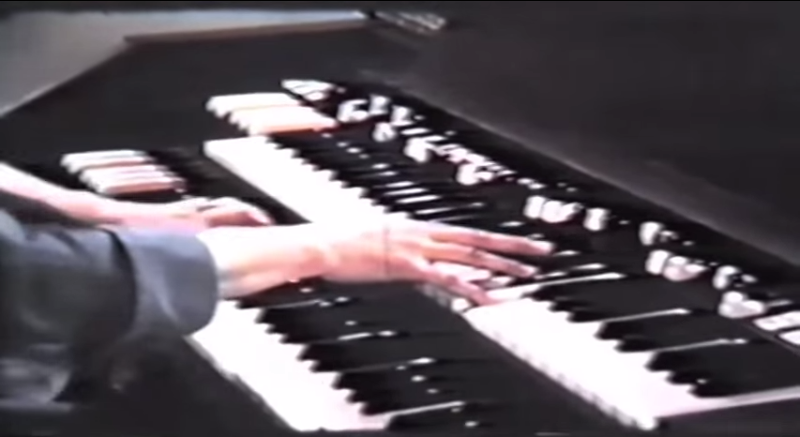
The Hammond organ is one of those rare machines that sounds like it has gears, electricity, gospel choirs, jazz clubs, smoky rock stages, and a mischievous engineer all living inside the same wooden cabinet. It is not just an instrument; it is a sound-building laboratory with keys. When players talk about “building Hammond organ tones,” they are talking about shaping harmonics in real time, pulling drawbars like tiny audio faders, adding percussion, leaning into chorus, and letting a Leslie speaker swirl the whole thing into motion.
That is why the phrase Retrotechtacular: Building Hammond Organ Tones feels so perfect. The Hammond belongs to a golden age of electromechanical invention, but its voice still shows up everywhere: blues, jazz, gospel, soul, funk, progressive rock, worship music, lo-fi scoring, and modern keyboard rigs. It is vintage technology that refuses to sit politely in a museum. Give it power, oil, and a player with opinions, and it will happily roar through a room like a polite church instrument that discovered coffee and overdrive.
What Makes Hammond Organ Tones So Special?
The classic Hammond sound begins with tonewheels. In vintage models, small metal wheels spin near electromagnetic pickups, producing electrical signals that resemble sine waves. Each tonewheel contributes a pitch, and the organist combines those pitches using drawbars. This is why Hammond tone is often described as a form of additive synthesis: instead of selecting one preset sound, you create tone by stacking harmonic ingredients.
Unlike a piano, which has strings that decay after being struck, a Hammond note keeps sounding as long as the key is held. Unlike a pipe organ, it does not need air moving through pipes. Unlike a modern synth, it was not born from menus and screens. The Hammond sits in the middle: mechanical enough to feel alive, electrical enough to be amplified, and musical enough to become a language of its own.
The Drawbars: Hammond’s Secret Recipe Rack
Drawbars are the heart of Hammond tone building. Each drawbar controls a different harmonic or pitch component. Pull a drawbar out farther, and that harmonic becomes louder. Push it in, and it disappears. The numbers on the drawbars usually run from 0 to 8, with 8 being the loudest setting. A classic drawbar registration is written as a series of digits, such as 888000000 or 008800000.
Understanding the Nine Classic Drawbars
The traditional Hammond drawbar layout includes nine tone controls: 16′, 5 1/3′, 8′, 4′, 2 2/3′, 2′, 1 3/5′, 1 1/3′, and 1′. The 8′ drawbar is the fundamental tone, the anchor of the sound. The 16′ drawbar adds a lower octave, bringing weight and authority. The 4′, 2′, and 1′ drawbars add higher octaves, increasing brightness. The fractional drawbars add non-octave harmonics that create color, bite, and the unmistakable nasal sparkle that makes a Hammond cut through a band mix.
Think of the drawbars like seasoning. The 8′ drawbar is the main dish. The 16′ is the extra butter. The 2 2/3′ is the pepper. The 1 3/5′ is that secret ingredient your uncle swears is “just a little something,” then refuses to name. Too much of everything can become a sonic casserole, but the right balance creates magic.
Classic Hammond Organ Drawbar Settings
There is no single correct Hammond tone, but a few drawbar settings have become famous because they work beautifully in real musical situations. These settings are starting points, not commandments carved into a walnut B-3 cabinet.
Full Organ Power: 888000000
The 888000000 setting is bold, warm, and commanding. It leans heavily on the lower three drawbars, giving the sound a thick foundation. This is a great setting for blues, rock, gospel pads, and dramatic chord stabs. Add a Leslie speaker on slow speed for warmth, then switch to fast when the chorus needs to lift off like a small aircraft with excellent manners.
Jazz Comping: 008800000
The 008800000 setting is smooth and classic. It emphasizes the 8′ and 4′ drawbars, producing a clear, focused tone that works beautifully for jazz chords and walking bass lines. Add percussion on the third harmonic, keep the Leslie on slow speed, and you have the kind of tone that makes minor ninth chords sound like they own a tailored suit.
Jimmy Smith-Style Bite: 888000000 with Percussion
For a punchy jazz lead sound, start with 888000000, turn on percussion, and use the third-harmonic setting. The percussion adds a quick, decaying attack at the front of the note. It does not sustain forever; it speaks and then steps aside. This gives single-note lines a crisp edge and helps solos pop out of the mix without needing to be painfully loud.
Rock Growl: 888800000 or 888888000
Rock organists often pull more drawbars to create a wider, more aggressive tone. Settings like 888800000 and 888888000 produce a dense wall of harmonics. Run that through tube-style overdrive or a cranked rotary speaker, and the Hammond becomes less “polite chapel” and more “dragon wearing a velvet jacket.” This is the territory of classic rock organ lines, power trios, and solos that refuse to apologize.
Harmonic Percussion: The Snap at the Front of the Note
Harmonic percussion is one of the most beloved Hammond features. It adds a short, decaying overtone when a note is played, usually on the second or third harmonic. The effect gives the note a lively attack, especially for jazz, blues, and funk. It is part of the reason a Hammond solo can feel so articulate even though the organ itself does not respond to velocity like a piano.
Used tastefully, percussion makes lines dance. Used constantly at maximum intensity, it can sound like every note is wearing tap shoes. The trick is to match the percussion to the musical context. Soft percussion can add definition to jazz comping. Normal percussion can help leads speak clearly. Fast decay is snappy and bold; slow decay is rounder and more relaxed.
Key Click: The Beautiful “Mistake”
Key click began as an unwanted artifact caused by the keying system. Early designers tried to reduce it, but players eventually embraced it. That tiny click at the start of a note adds personality and rhythmic definition. It is one of those imperfections that became essential, like vinyl crackle, guitar amp hum, or the suspiciously charming rattle in an old studio chair.
Modern Hammond clones and software instruments often include adjustable key click because players expect it. Too little can make the organ sound sterile. Too much can make it sound like a box of electrical crickets. The sweet spot depends on style: gospel and funk often welcome more bite, while soft ballads may need a smoother attack.
Vibrato and Chorus: The Built-In Motion Machine
Classic Hammond organs include vibrato and chorus settings, commonly labeled V1, V2, V3, C1, C2, and C3. Vibrato changes pitch slightly, while chorus blends the tone with a modulated version of itself to create thickness and shimmer. These effects can be subtle or dramatic depending on the setting.
For warm jazz chords, C3 is a popular choice because it adds movement without completely stealing the show. For vintage gospel or theater-flavored sounds, stronger vibrato settings can add emotional wobble. The important thing is restraint. A little movement feels alive; too much can make the organ sound seasick.
The Leslie Speaker: Where the Hammond Starts Breathing
No discussion of Hammond organ tones is complete without the Leslie speaker. The Leslie creates motion by sending sound through rotating speaker elements or rotating horns and a bass rotor system, depending on the model. The result is a combination of tremolo, pitch modulation, phase shifting, and room-filling movement. It is not just an effect; it is a performance partner.
Leslie speed matters. Slow speed, often called chorale, creates a wide, gentle shimmer. Fast speed, often called tremolo, creates excitement and urgency. The most expressive part is the ramp between slow and fast. When a player kicks the Leslie from slow to fast during a chorus or solo, the sound blooms. It feels less like pressing a button and more like opening a window in the music.
Overdrive: The Growl Behind the Glory
Clean Hammond tones can be beautiful, but many iconic Hammond sounds include some level of overdrive. The organ’s harmonic structure becomes richer when pushed through tubes, amps, rotary speakers, or modern drive simulations. This creates growl, compression, and sustain-like energy, especially when multiple drawbars are pulled out.
The key is not simply adding distortion; it is adding the right amount of musical pressure. A little overdrive warms the tone. Medium overdrive makes chords bark and solos sing. Heavy overdrive turns the organ into a rock weapon. At that point, the Hammond is no longer asking permission to be heard. It has entered the room, moved the furniture, and plugged itself into the loudest outlet.
Building Hammond Tones by Genre
Jazz
Jazz Hammond tone usually favors clarity, swing, and articulation. Try 008800000 or 888000000 with third-harmonic percussion, chorus C3, and a moderate Leslie speed. Keep the bass drawbars controlled if playing with a bassist, but use the lower manual or pedals more fully in organ trio settings.
Gospel
Gospel Hammond tones often use fuller registrations, expressive swells, and dramatic Leslie changes. Settings like 888800000 or 888888888 can work for big moments, while softer drawbar combinations support singers without crowding them. The expression pedal is crucial: it allows the organist to breathe with the music.
Rock
Rock Hammond is about energy, attitude, and midrange presence. Pull the drawbars wide, add overdrive, and use the Leslie aggressively. A setting like 888888000 can create a thick lead tone, while 888000000 with extra drive works well for riffs. In a guitar-heavy band, brightness helps the organ stay audible.
Funk and Soul
Funk and soul tones benefit from rhythmic clarity. Use moderate drawbar settings, add key click, and keep the Leslie movement tight. Short chord stabs, palm smears, and quick swells can make the Hammond behave like a horn section, rhythm guitar, and mischievous backup singer all at once.
Modern Tools for Vintage Hammond Organ Tones
Not everyone has room for a vintage B-3 and a Leslie cabinet. A classic console organ can be heavy, expensive, and about as easy to move as a small upright piano with strong opinions. Fortunately, modern clonewheel organs, digital Hammonds, software instruments, and rotary speaker simulators make Hammond-style tone building more accessible than ever.
Today’s digital organs often model tonewheel leakage, key click, percussion behavior, drawbar response, vibrato, chorus, tube saturation, and Leslie movement. Some even let players adjust virtual tonewheel condition, cabinet type, microphone distance, rotor acceleration, and drive. That is wonderful, but it also means you can spend 40 minutes adjusting simulated dust while the guitar player asks whether rehearsal has started.
Practical Tips for Better Hammond Tone
Start Simple
Begin with a familiar drawbar setting like 888000000 or 008800000. Listen carefully before adding effects. If the raw drawbar tone works, the Leslie, chorus, percussion, and overdrive will enhance it. If the raw tone is muddy, effects may simply make the mud rotate beautifully.
Use the Expression Pedal Musically
The expression pedal is not just a volume control. It is phrasing. It helps chords swell, solos rise, and quiet passages feel alive. Great Hammond players often shape lines with the pedal almost like a singer shapes breath.
Do Not Overuse Fast Leslie
Fast Leslie is exciting because it creates urgency. But if it stays fast all the time, the drama disappears. Use slow speed for tension, fast speed for release, and the ramp between them as part of the performance.
Match the Tone to the Arrangement
A huge drawbar setting may sound glorious alone but overcrowded in a full band. A smaller registration may sit better with vocals, guitars, and drums. Hammond tone building is not only about what sounds impressive by itself. It is about what serves the song.
Why Hammond Organ Tones Still Matter
The Hammond organ remains relevant because it offers hands-on control over sound. In an age of presets, the drawbars remind musicians that tone can be built, not merely selected. The player is part engineer, part performer, and part chef working over a very loud stove.
Its imperfections are also part of the appeal. Tonewheel leakage, key click, rotating speakers, old amplifiers, and mechanical quirks create a sound that feels human. Modern instruments can reproduce much of that behavior, but the philosophy remains the same: build the tone in layers, shape it with movement, and let the music decide how wild things should get.
Experience Notes: Living With the Hammond Sound
Spending time with Hammond organ tones teaches a lesson that applies far beyond keyboards: character often comes from details that were never meant to be perfect. The first time you pull out a set of drawbars and hear the sound change under your fingers, it feels different from choosing a preset. You are not scrolling through someone else’s idea of “Vintage Organ 04.” You are assembling the tone piece by piece, like building a sandwich that can play blues.
One of the most useful experiences is learning how small drawbar changes affect the whole mood. Pulling the 1 3/5′ drawbar slightly can add a nasal edge that helps a melody speak. Bringing in more 16′ can make the tone feel larger and darker. Adding too many upper harmonics can turn a smooth chord into something sharp enough to slice tomatoes. The Hammond rewards listening. It also punishes impatience, usually by making everything sound like a carnival arguing with a vacuum cleaner.
The Leslie speaker experience is even more addictive. On slow speed, the organ seems to float. On fast speed, it surges forward. The real magic happens during acceleration and deceleration, when the sound is changing rather than simply sitting still. Players quickly learn to time Leslie switches like drummers time fills. Kick it too early, and the moment feels rushed. Kick it too late, and the chorus passes by like a bus you meant to catch. Kick it just right, and the room suddenly understands what drama means.
Another lesson comes from overdrive. Beginners often assume more drive equals better tone. Sometimes it does. Sometimes it turns every chord into a fuzzy suitcase. The best Hammond growl usually comes from balance: enough saturation to add heat, but enough clarity that the drawbar structure still speaks. In a mix, a slightly cleaner sound often carries better than a massively distorted one. The goal is not always to be louder; sometimes it is to be more present.
Playing Hammond-style parts also changes how you think about harmony. Sustained chords need movement, so the expression pedal becomes part of the phrase. Simple triads can sound enormous with the right registration. Sparse voicings often work better than busy ones because the organ already contains rich harmonic information. A two-note stab through a spinning Leslie can say more than a ten-note chord that arrives wearing too much cologne.
For producers, the biggest practical takeaway is this: treat the Hammond like a living arrangement element, not background furniture. Automate rotary speed. Adjust drive between sections. Use drawbar changes to make verses lean and choruses bloom. Leave space for vocals. Let the organ answer guitars instead of fighting them. The Hammond is powerful, but its greatest strength is expression. When built thoughtfully, Hammond organ tones can make a track feel vintage, emotional, gritty, elegant, or explosivesometimes within the same eight bars.
Conclusion
Retrotechtacular: Building Hammond Organ Tones is really a story about turning mechanical ingenuity into musical emotion. The tonewheel generator provides the raw material. The drawbars shape the harmonic recipe. Percussion adds snap. Key click adds personality. Chorus and vibrato add shimmer. The Leslie speaker adds motion. Overdrive adds heat. Together, these elements create a sound that is instantly recognizable but endlessly adjustable.
Whether you are using a restored vintage console, a modern Hammond, a clonewheel keyboard, or a software instrument, the same principle applies: do not just pick a Hammond soundbuild one. Start with the drawbars, listen to the song, add movement with purpose, and let imperfections become part of the charm. That is the Hammond way: a little science, a little soul, and a lot of glorious spinning electricity.












