
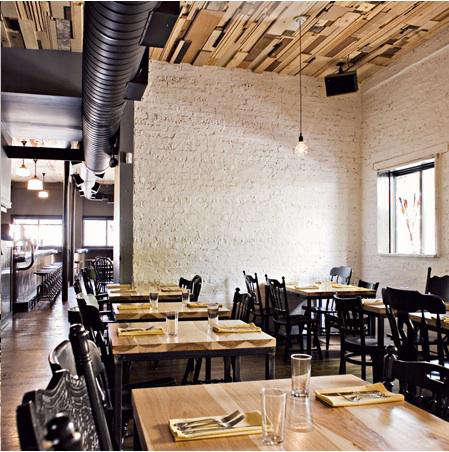
Some restaurants try to impress you with white tablecloths, architectural plating, and servers who describe a carrot as if it just returned from a spiritual retreat. Longman & Eagle in Chicago takes a different route. It greets you like a neighborhood tavern with excellent taste, a serious kitchen, a lively bar, and rooms upstairs for travelers who believe the best hotel amenity is being close to brunch.
Located at 2657 N. Kedzie Avenue in Logan Square, Longman & Eagle is one of those Chicago restaurants that feels both specific and flexible. It is a gastropub, a modern inn, a brunch destination, a date-night option, a neighborhood hangout, and a place where the phrase “let’s just stop in for a quick bite” can quietly become a two-hour conversation about food, music, old buildings, and whether ordering fries for the table counts as generosity or self-care.
This restaurant visit guide explores what makes Longman & Eagle worth knowing: the atmosphere, the food, the Logan Square setting, the inn above the restaurant, the service rhythm, the best times to visit, and the kind of diner who will enjoy it most. Spoiler: if you like polished dining without the stiff collar, you are probably in the right place.
Longman & Eagle at a Glance
Longman & Eagle opened in 2010 and quickly became one of Chicago’s defining modern gastropubs. The concept is rooted in the idea of a traditional Chicago inn: a place where people can eat, gather, relax, and, if they planned well, sleep upstairs. The restaurant has earned serious recognition over the years, including MICHELIN attention and a current Bib Gourmand designation, which highlights good quality cooking at good value.
The restaurant is not trying to be a hushed temple of fine dining. Its appeal is warmer, louder, woodier, and more lived-in. Think dim lighting, a long bar, a bustling dining room, seasonal American fare, and a menu that likes comfort food but refuses to be boring about it. If a classic pub dish put on a nice jacket and learned how to talk about local produce, it might land somewhere near Longman & Eagle.
The Logan Square Setting
Logan Square is one of Chicago’s most exciting food neighborhoods, and Longman & Eagle fits the area like a well-worn denim jacket. The neighborhood has long been known for creative energy, independent restaurants, cocktail bars, coffee shops, music venues, and a slightly off-center charm that makes it feel more personal than tourist-polished.
Part of the pleasure of visiting Longman & Eagle is the sense that you are eating in a real Chicago neighborhood rather than a restaurant district assembled by a committee. Kedzie Avenue brings the city in at street level: people walking to dinner, friends meeting at the bar, guests checking into the inn, and regulars who appear to know exactly which seat they want before the host has finished smiling.
Atmosphere: Rustic, Lively, and Comfortably Cool
The dining room has the kind of atmosphere that makes people lower their shoulders. Wood, low light, and tavern energy create a room that feels casual but intentional. It is handsome without acting fragile. You do not feel as if you need to whisper to the bread plate.
Longman & Eagle’s style leans into the old inn idea: eat downstairs, stay upstairs, and let the evening unfold without overengineering it. The result is a restaurant with personality. It has texture. It has noise. It has the happy chaos of a place where dinner, brunch, and neighborhood life are all happening at once.
This is not the best choice for someone seeking a silent dining room or a grand formal experience. It is better for diners who like restaurants that feel alive. The room can be energetic, especially during brunch or weekend dinner hours, but that energy is part of the package. Longman & Eagle is not wearing a tuxedo. It is wearing boots, probably very cool boots.
The Food: Elevated Gastropub Cooking with a Chicago Soul
The menu at Longman & Eagle has historically focused on regional American cooking, local ingredients, and a farm-to-table approach with a nose-to-tail spirit. That means the food often feels hearty, seasonal, and grounded, but it is not basic pub fare. The kitchen has a habit of taking familiar ideas and giving them a sharper edge.
MICHELIN has described the cooking as far from ordinary bar food, noting dishes such as terrines, stroganoff-style preparations, cured salmon, potato pancakes, and a standout omelet. The restaurant’s daytime menu has earned special praise, and brunch remains one of the strongest reasons to visit.
Brunch Is a Big Deal Here
If Longman & Eagle had a campaign slogan, it could probably be: “Come for brunch, stay because your friends ordered another side.” The brunch menu has long been part of the restaurant’s reputation, and for good reason. It captures the sweet spot between relaxed and ambitious.
A dish like the omelet shows why the restaurant still matters in Chicago’s busy dining scene. A great omelet sounds simple until you have a bad one, at which point you realize eggs can indeed experience tragedy. Longman & Eagle’s praised version, folded with ingredients such as mushrooms, leeks, and melted brie, is the kind of brunch dish that does not need fireworks because it already has balance.
Other brunch-friendly plates may change with the season, but the larger personality stays consistent: rich without being clumsy, comforting without being sleepy, and interesting enough to remind you that brunch can be more than pancakes in witness protection.
Dinner Has a Different Kind of Charm
Dinner at Longman & Eagle is moodier and more tavern-like. The lights feel lower, the bar becomes more central, and the room takes on that classic Chicago evening rhythm. The food tends to suit the setting: savory, layered, seasonal, and built for lingering.
Expect dishes that may include handmade pasta, roasted or braised meats, market vegetables, snacks, sandwiches, and plates that bring together global influences with Midwestern ingredients. The restaurant has also experimented with outdoor and snack-focused offerings, showing that it understands casual dining does not have to mean careless dining.
The best strategy is to order with curiosity. This is a place where the burger or sandwich may be excellent, but so might the dish you almost skip because it contains an ingredient your brain briefly files under “too ambitious for Tuesday.” Longman & Eagle rewards the diner willing to share a few plates and let the table become a tiny committee of delicious decisions.
The Beverage Program: Serious, but Not Stuffy
Longman & Eagle is widely known for its beverage program, especially its whiskey-focused identity for adult guests. The long bar is part of the restaurant’s visual and cultural center, and the drink list has helped define its reputation since the early years.
For diners who are of legal drinking age, the beverage program can be part of the experience. For everyone else, the main point is simpler: this is a restaurant designed around hospitality, flavor, and atmosphere. You can enjoy the food, the room, and the neighborhood energy without needing the bar to be the headline of your visit.
Service and Reservations
Longman & Eagle currently takes limited dinner reservations, while patio, bar, and brunch seating are more walk-in oriented. The restaurant also keeps space available for walk-ins, which matches its neighborhood personality. In other words, planning helps, but the place still leaves room for spontaneity. That is very Chicago: organized, but not emotionally dependent on a spreadsheet.
Service at a lively gastropub can feel different from service at a formal dining room. The pace may be brisk when the restaurant is busy, and the atmosphere can feel bustling rather than ceremonious. The best approach is to arrive with a little patience, ask smart questions, and let the staff guide you toward seasonal highlights.
The Six-Room Inn Upstairs
One of Longman & Eagle’s most distinctive features is the small inn above the restaurant. The property has six rooms, and that detail changes the entire personality of the place. It is not just a restaurant near a hotel. It is a restaurant with rooms, which gives the building a storybook-meets-city edge.
Travel writers have described the rooms as funky, minimalist, and well suited to visitors who want a neighborhood experience rather than a standard downtown hotel stay. Expect character: exposed brick, wood, artful details, and a sense of being tucked into Logan Square rather than floating above it in a glass tower.
There is one practical note: because the rooms are above a popular restaurant and bar, light sleepers should think carefully. This is not a monastery with pillow mints. It is an urban inn with energy downstairs. For the right traveler, that is the fun. For someone who needs absolute silence by 9:03 p.m., it may be a comedy of errors with better wallpaper.
Who Should Visit Longman & Eagle?
Longman & Eagle is a strong choice for travelers who want to experience Chicago beyond the obvious downtown checklist. It is also a smart pick for locals who want a reliable meal in a room with character. Food lovers, brunch fans, date-night planners, solo diners, and neighborhood explorers can all find a version of the restaurant that works for them.
It is especially good for people who appreciate restaurants that are casual in posture but serious in execution. The food is not precious, but it has thought behind it. The room is not formal, but it has style. The service is not theatrical, but it is built for a busy, real-world dining experience.
Best Times to Go
Brunch is one of the most popular times to visit, especially on weekends. If you want the full lively Logan Square experience, brunch delivers. If you prefer a calmer meal, consider weekday lunch or an earlier dinner. Late evenings are better for guests who enjoy a bar-forward atmosphere and a room that feels fully awake.
For dinner, booking ahead is wise when reservations are available. For brunch or bar seating, arrive with flexibility. The restaurant’s walk-in culture can be part of the fun, but only if your group is not already dangerously hungry. Nobody wants to discover their worst personality while waiting for eggs.
What to Order: A Practical Guide
Because the menu changes, the smartest advice is to focus on categories rather than one fixed dish. At brunch, look for the omelet, seasonal egg dishes, cured fish, potato-based plates, and any special that sounds like comfort food with graduate-level confidence.
At dinner, pay attention to house-made pastas, roasted meats, terrines or charcuterie-style plates, vegetable dishes with seasonal ingredients, and any sandwich or burger that appears to be getting special attention from nearby tables. In a restaurant like this, table surveillance is not rude; it is research.
If you are visiting with a group, order a mix of snacks, one or two richer mains, and something bright or vegetable-driven to keep the meal from becoming a delicious nap trap. Longman & Eagle is at its best when the table has contrast: crispy, creamy, savory, fresh, and maybe one dish that makes everyone pause mid-sentence.
How Longman & Eagle Compares to Other Chicago Restaurant Experiences
Chicago has no shortage of famous restaurants, from tasting-menu temples to deep-dish institutions to neighborhood taco counters that deserve their own fan clubs. Longman & Eagle sits in a useful middle lane. It is more distinctive than a basic pub, more relaxed than a fine-dining room, and more neighborhood-driven than a hotel restaurant.
That middle lane is exactly why it has lasted. Many restaurants open with a roar and then fade once the next shiny thing appears. Longman & Eagle has remained relevant because it has a strong identity: Logan Square, inn culture, seasonal cooking, tavern energy, and a kitchen that respects comfort without becoming predictable.
Is Longman & Eagle Worth Visiting?
Yes, with the right expectations. Longman & Eagle is worth visiting if you want a Chicago restaurant with atmosphere, history, strong brunch potential, and a genuine neighborhood feel. It is not the place for silence, ceremony, or ultra-polished luxury. It is the place for a thoughtful meal in a room that feels like it has stories.
The restaurant’s long-running recognition, MICHELIN Bib Gourmand status, and continued presence in Chicago dining conversations all point to the same conclusion: Longman & Eagle still has a seat at the table. And luckily, so might you, if you plan ahead or show up with patience.
Extra Experience Notes: A Longer Look at Visiting Longman & Eagle in Chicago
A visit to Longman & Eagle works best when treated less like a single meal and more like a small Logan Square experience. The restaurant is not isolated from its neighborhood; it is part of the neighborhood’s rhythm. Arrive early and walk around a little. Notice the architecture, the mix of old storefronts and newer spots, the casual confidence of people who seem to know exactly where they are going. By the time you sit down, the restaurant already feels connected to the street outside.
For first-time visitors, the room may feel darker and busier than expected. That is not a flaw. It is part of the charm. Longman & Eagle has the warm hum of a restaurant that people use in different ways. One table may be celebrating a birthday. Another may be having a quiet brunch. Someone at the bar may be reading the menu like it is a novel with footnotes. The restaurant allows all of that to happen at once without making the space feel confused.
The best experience usually comes from ordering across the menu. Do not treat it like a one-plate mission. Start with something snackable, add a dish that shows off the kitchen’s seasonal side, then choose a heartier plate that reminds you this is still a gastropub at heart. If the menu includes something that sounds a little unexpected, consider it. Longman & Eagle’s personality lives in those moments where familiar ingredients take a left turn and somehow arrive exactly where they should.
Brunch has its own social weather. The room feels brighter, the pace feels more forgiving, and the food has a comforting pull. Dinner feels deeper and more cinematic, especially when the bar is active and the dining room settles into that low-lit Chicago glow. Both are valid experiences, but they are not identical. Choose brunch for warmth and recovery. Choose dinner for atmosphere and a little edge.
If you are staying upstairs, think of the inn as part of the adventure rather than a conventional hotel replacement. The rooms are best for travelers who enjoy design, character, and proximity to local dining. They are less ideal for guests who want a lobby, concierge, spa, and the sound profile of a library after closing. Pack accordingly, plan for city noise, and embrace the idea that your accommodation has a pulse.
The most memorable part of Longman & Eagle may not be a single dish. It may be the way the experience feels layered: a serious kitchen inside a casual room, a restaurant inside an inn, a neighborhood spot with national recognition, a place that can be both relaxed and ambitious. That combination is harder to create than it looks. Plenty of restaurants can cook well. Fewer can make you feel as if you have stepped into a specific corner of a city and understood something about it.
For web readers planning a Chicago food itinerary, Longman & Eagle pairs well with a Logan Square afternoon or evening. Visit a nearby coffee shop, browse local stores, walk the boulevards, and let the meal become the anchor rather than the entire plan. Chicago rewards travelers who leave room for neighborhoods, and Longman & Eagle is a strong argument for doing exactly that.
Conclusion
Longman & Eagle in Chicago remains one of Logan Square’s most recognizable restaurant experiences because it understands its own identity. It is not trying to be everything to everyone. It is a modern Chicago inn with a lively dining room, a respected kitchen, a strong brunch reputation, and a sense of place that many restaurants spend years trying to fake.
Come for the food, stay for the atmosphere, and leave with a better understanding of why Logan Square continues to matter in Chicago dining. Longman & Eagle is rustic but thoughtful, casual but serious, and stylish without turning dinner into homework. That is a hard balance to strike. Fortunately, this place has had plenty of practice.












