
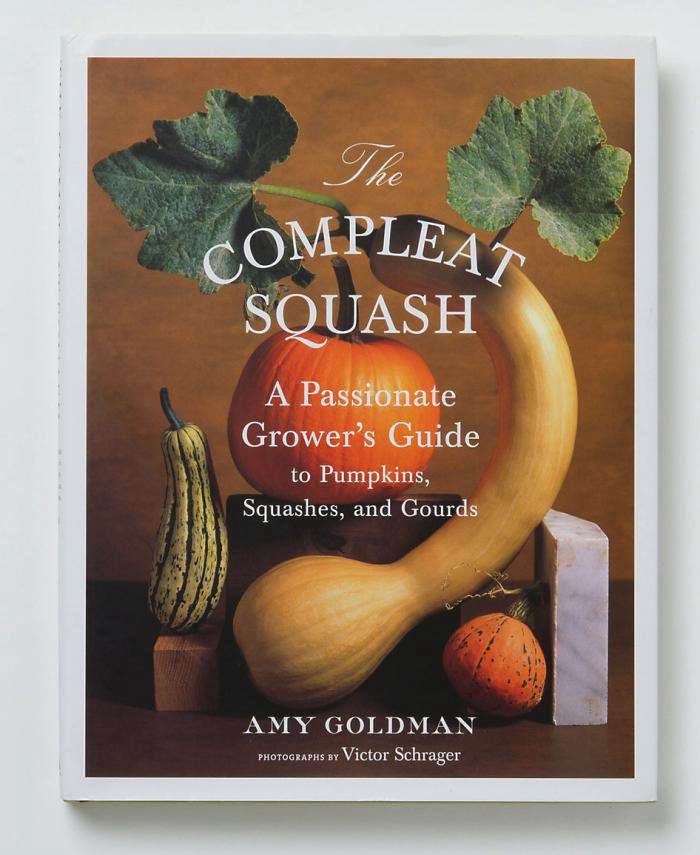
If a coffee-table book and a seed catalog ever met at a farmers market, fell madly in love, and decided to raise 150 unusually photogenic vegetables, the result would look a lot like The Compleat Squash. Written by Amy Goldman, photographed by Victor Schrager, and published by Artisan in 2004, this handsome volume is not merely about pumpkins, squashes, and gourds. It is about obsession, biodiversity, beauty, flavor, gardening patience, and the strange thrill of realizing that a warty winter squash can have more charisma than a celebrity chef.
The title “Required Reading: The Compleat Squash” sounds delightfully academic, as if someone might quiz you on the difference between a buttercup and a butternut before allowing you into autumn. But the book’s charm is that it makes squash feel less like homework and more like an invitation. It turns a familiar vegetable family into a gallery of living sculpture: ribbed pumpkins, striped delicata, giant exhibition squash, bottle gourds, pie-worthy heirlooms, and edible oddballs that look as if they escaped from a fairy tale with excellent soil fertility.
For gardeners, cooks, homesteaders, food writers, and anyone who has ever bought a squash because it looked “too cute to leave behind,” The Compleat Squash remains a rich, rewarding read. It belongs on the shelf beside serious gardening manuals, but it also belongs on the kitchen table, where it can inspire soups, pies, roasted dinners, seed-saving dreams, and the occasional dramatic declaration: “This year, we grow pumpkins.”
What Is The Compleat Squash?
The Compleat Squash: A Passionate Grower’s Guide to Pumpkins, Squashes, and Gourds is a gardening and food reference devoted to the wild diversity of the squash world. Amy Goldman profiles 150 heirloom pumpkins, squashes, and gourds, exploring their forms, flavors, histories, horticultural habits, and culinary possibilities. The book is part field guide, part love letter, part art book, and part practical manual.
Goldman is widely known as a gardener, author, seed saver, and advocate for heirloom fruits and vegetables. That background matters because the book does not treat squash as supermarket filler. It treats each variety as a living inheritance. In Goldman’s hands, a squash is not just orange, green, beige, smooth, bumpy, edible, or decorative. It has lineage. It has purpose. It has a personality. Some are kitchen workhorses. Some are show-offs. Some store beautifully. Some are all looks and no flavor, which is also true of certain chairs and a few dinner guests.
Victor Schrager’s photographs elevate the subject even further. These are not casual garden snapshots. The images present squash as portraits, emphasizing color, texture, scale, and form. A humble gourd becomes an object worth studying. A pumpkin becomes architecture. A winter squash becomes proof that nature never really needed a design department.
Why This Book Still Matters
Many gardening books age the way old lettuce ages: quickly, sadly, and with a smell nobody wants to discuss. The Compleat Squash holds up because its core subject is timeless. Heirloom seeds, crop diversity, flavor, regional adaptation, home gardening, and seasonal cooking are even more relevant today than they were when the book first appeared.
Modern gardeners are increasingly interested in varieties with stories. They want more than a generic pumpkin for carving or a butternut squash wrapped in plastic at the grocery store. They want blue-gray pumpkins, candy-striped delicata, long-keeping hubbards, sweet pie squash, compact varieties for small gardens, and ornamental gourds that make a front porch look as if autumn hired a stylist.
The book also speaks to a larger food conversation. Squash is one of the great storage crops. Winter squash can move from vine to pantry to dinner plate over several months when properly cured and stored. That makes it valuable for home cooks who care about seasonal eating, food resilience, and reducing waste. In a world of out-of-season strawberries and imported everything, squash quietly says, “I can wait.” That is a vegetable with emotional maturity.
The Squash Family, Explained Without a Lab Coat
Squash belongs to the cucurbit family, the same sprawling botanical clan that includes pumpkins, gourds, cucumbers, melons, and zucchini. The family is famously diverse, and its naming can get delightfully messy. A pumpkin is a squash. A squash may be a gourd. A gourd may be ornamental, edible, or simply determined to confuse everyone at the harvest festival.
Gardeners often divide squash into two practical groups: summer squash and winter squash. Summer squash, such as zucchini and yellow crookneck, is harvested young while the skin is tender. Winter squash, such as butternut, acorn, delicata, kabocha, Hubbard, buttercup, and many pumpkins, is harvested mature with a hardened rind. The name “winter squash” does not mean it grows in winter. It means it can often be stored into winter, assuming you do not drop it, bruise it, freeze it, or forget it in the trunk of your car like a person with too much optimism.
The key species include Cucurbita pepo, Cucurbita maxima, and Cucurbita moschata. Each group contains varieties with different textures, flavors, growth habits, and storage potential. Some are delicate and best eaten early. Others are built like edible luggage and can last for months in a cool, dry place.
What Gardeners Can Learn from The Compleat Squash
1. Variety Is Not a Luxury
One of the book’s biggest lessons is that variety matters. The average grocery store might make squash look like a small club: butternut, acorn, spaghetti, pumpkin, maybe delicata if the produce manager is feeling poetic. Goldman’s book reveals a much larger universe. There are squash shaped like turbans, drums, teardrops, wheels, bells, and mysterious objects from a friendly planet.
For gardeners, this is more than visual fun. Variety affects flavor, disease resistance, storage life, productivity, and kitchen use. A squash grown for pie may not be the best squash for roasting. A long-storing type may not have the tender sweetness of a delicata. An enormous pumpkin may impress the neighbors but require both a wheelbarrow and a personal trainer.
2. Squash Needs Space, Sun, and Patience
Squash plants are not shy. Many winter squash varieties produce vigorous vines that stretch across garden beds with the confidence of a toddler in a toy aisle. They need full sun, fertile soil, consistent moisture, and enough room to grow. Compact or bush varieties can work in smaller gardens, but classic vining types prefer space.
The plants also rely heavily on pollination. Squash usually produces separate male and female flowers, and bees help move pollen from one to the other. Without good pollination, tiny fruits may shrivel before they develop. That can look like garden failure, but it is often just a matchmaking problem. Planting flowers nearby, avoiding broad insecticide use, and supporting pollinator habitat can improve the odds.
3. Pests and Diseases Are Part of the Story
A squash patch can feel heroic in June and suspicious in August. Common problems include powdery mildew, squash bugs, squash vine borers, cucumber beetles, bacterial wilt, blossom end rot, and flower drop. This does not mean squash is difficult; it means squash is popular with life forms that were not invited.
Good gardening habits help. Rotate crops when possible. Water at the base rather than soaking leaves. Give plants airflow. Inspect stems and undersides of leaves. Remove diseased debris. Choose resistant varieties when available. And remember that a little cosmetic leaf damage does not always equal disaster. Gardeners need judgment, not panic. Plants appreciate calm leadership.
Harvesting and Storing Squash the Smart Way
Winter squash should be harvested when fully mature. Signs include a tough rind, rich color, drying vines, and a stem that has begun to harden. Use pruners or a sharp knife rather than yanking the fruit from the vine. Leave a short stem attached because a broken stem can invite rot.
Curing is the quiet magic step many beginners skip. Many winter squash and pumpkins benefit from a warm, dry curing period with good air circulation. Curing helps harden the rind, heal minor surface injuries, and improve storage life. After curing, squash should be stored in a cool, dry, well-ventilated area. Avoid freezing temperatures, damp corners, and stacking heavy fruits in a squash tower of doom.
Different varieties store for different lengths of time. Delicata and acorn squash are often best used earlier, while some Hubbards, kabochas, butternuts, and other hard-rinded types can last much longer. Check stored squash regularly. One soft spot can become pantry drama if ignored.
Cooking Lessons from the Squash Shelf
The best way to understand squash is to cook it. Roasting is the easiest starting point because it concentrates flavor and handles many varieties gracefully. Cut the squash, remove seeds, rub the flesh with oil, add salt, and roast until tender. From there, it can become soup, mash, salad, pasta filling, grain bowl topping, curry, taco filling, or pie.
But not every squash should be used the same way. Butternut is smooth and reliable, excellent for soup and purees. Delicata has edible skin and a sweet, nutty flavor, making it perfect for roasting in rings. Kabocha can be dense, rich, and almost chestnut-like. Spaghetti squash separates into strands and works best when treated as its own vegetable rather than forced to impersonate pasta under pressure. Pie pumpkins and sweet heirloom squash can make desserts that taste like autumn with better manners.
Seeds deserve attention too. Pumpkin and squash seeds can be cleaned, seasoned, and roasted for snacks. Even the parts that feel like kitchen scraps can contribute to stock or compost. Squash is generous. It feeds you, decorates your table, stores for later, and then offers seeds like a tiny edible encore.
Heirlooms, Seed Saving, and Biodiversity
The Compleat Squash is especially valuable because it celebrates heirloom and open-pollinated varieties. These plants carry history in their seeds. Some were preserved by families, farmers, Indigenous communities, market gardeners, and seed savers. Others survived because someone loved their flavor, shape, storage ability, or sheer weirdness enough to keep growing them.
Biodiversity is not just romantic. It is practical. A food system built on a narrow range of varieties can become vulnerable to pests, diseases, climate stress, and market pressure. Home gardeners who grow diverse squash varieties help keep those genetics alive. They also get better dinners, which is not a minor benefit.
Seed saving from squash requires some care because varieties can cross-pollinate within the same species. Gardeners who want true-to-type seeds need isolation distances, hand-pollination techniques, or careful planning. For casual gardeners, buying fresh seed from reputable seed companies may be easier. But even learning the basics changes how you see the crop. A squash is not just food; it is next year’s possibility wrapped in a rind.
How to Read The Compleat Squash Today
There are several ways to enjoy the book. Read it as a visual feast first. Let the photographs do their work. Notice the ribs, stripes, dimples, scars, colors, and strange geometries. Then read the variety profiles as a gardener. Ask what each squash needs, how it grows, how it tastes, and whether it fits your climate and kitchen.
Next, use the book as a planning tool. Choose one reliable variety, one beautiful variety, and one adventurous variety. That combination keeps the garden practical without draining all the fun from it. A sensible butternut can share space with a dramatic heirloom pumpkin. Life is short; grow at least one vegetable that makes visitors point.
Finally, read it as a reminder that food can be beautiful before it is cooked. In a culture that often values convenience above curiosity, The Compleat Squash asks readers to slow down and look carefully. It turns a common crop into an object of study and affection. That is the kind of book that changes how you shop, plant, cook, and decorate the porch.
Experience: Living with The Compleat Squash for a Season
The best experience of reading The Compleat Squash is that it does not stay politely on the page. It follows you into the garden center. It whispers near the seed rack. It makes a plain orange pumpkin look underdressed. Before long, you are standing in spring sunshine holding three seed packets and telling yourself, with absolutely no evidence, that you have plenty of space.
A season inspired by the book begins with ambition. You study the descriptions and imagine a tidy patch of vines producing perfect squash like a magazine spread. Then summer arrives, and the vines behave like they have read a different magazine entirely. They crawl through pathways, flirt with the tomatoes, and send tendrils around anything that stands still too long. This is where the book’s deeper lesson appears: squash growing rewards attention, but it also rewards humor.
You learn to check flowers in the morning. Male blossoms arrive first, all charm and no fruit. Female blossoms appear later with tiny squash behind the petals, like promises in miniature. Bees become coworkers. You begin noticing them with new respect. A garden that once seemed quiet suddenly becomes a workplace full of winged specialists.
By midsummer, the patch becomes a daily inspection route. You look for squash bugs, powdery mildew, wilted leaves, and signs of fruit swelling under the canopy. You discover that squash leaves are enormous, slightly prickly, and excellent at hiding things. One day there is no squash. The next day there is a green fruit the size of a shoe. A week later, it appears to be considering a career in furniture.
Harvest brings the real pleasure. Cutting a mature squash from the vine feels ceremonial. The fruit is heavy, warm from the sun, and strangely dignified. You set it on a table and understand why Goldman and Schrager treated these vegetables like portrait subjects. Each one looks intentional. The colors are not random; they are composed. The ridges, speckles, and curves seem designed by someone with both botanical knowledge and a flair for drama.
Then comes the kitchen test. Some varieties roast into sweet, creamy flesh. Some are mild and need butter, herbs, garlic, chile, maple, or brown sugar to show their best side. Some surprise you completely. A squash chosen for looks may become a favorite soup. A humble variety may outperform the glamorous one. You learn that beauty and flavor overlap, but they are not identical. This is useful wisdom for vegetables and, frankly, for life.
Storing squash deepens the experience. There is something satisfying about lining up cured winter squash in a cool room and knowing dinner is waiting there. The pantry becomes a small edible museum. Each fruit carries memory: the day it was planted, the week it nearly succumbed to mildew, the afternoon you found it hiding under leaves, the meal it will become when cold weather settles in.
That is why The Compleat Squash earns the phrase “required reading.” It does not simply teach facts. It changes the rhythm of a season. It encourages readers to notice more, grow more carefully, cook more creatively, and respect the astonishing diversity tucked inside a single plant family. After spending time with the book, squash is no longer background produce. It becomes a character. Sometimes a delicious one. Sometimes a decorative one. Occasionally one that takes over half the yard and refuses to apologize.
Conclusion
The Compleat Squash remains a standout book because it combines practical gardening knowledge, culinary curiosity, heirloom preservation, and visual pleasure. Amy Goldman’s passion gives the subject depth, while Victor Schrager’s photographs make the squash world feel grand, strange, and irresistible. For readers who garden, cook, decorate seasonally, save seeds, or simply appreciate beautifully made books, this volume offers far more than pretty pumpkins.
It reminds us that squash is not ordinary just because it is familiar. Behind every rind is a story of cultivation, adaptation, flavor, and human care. Whether you grow one zucchini plant on a patio or dream of a sprawling winter squash patch, this book offers inspiration with dirt under its fingernails and a wink in its eye. Required reading? Absolutely. Just be warned: after reading it, you may never look at a grocery-store pumpkin bin the same way again.












