
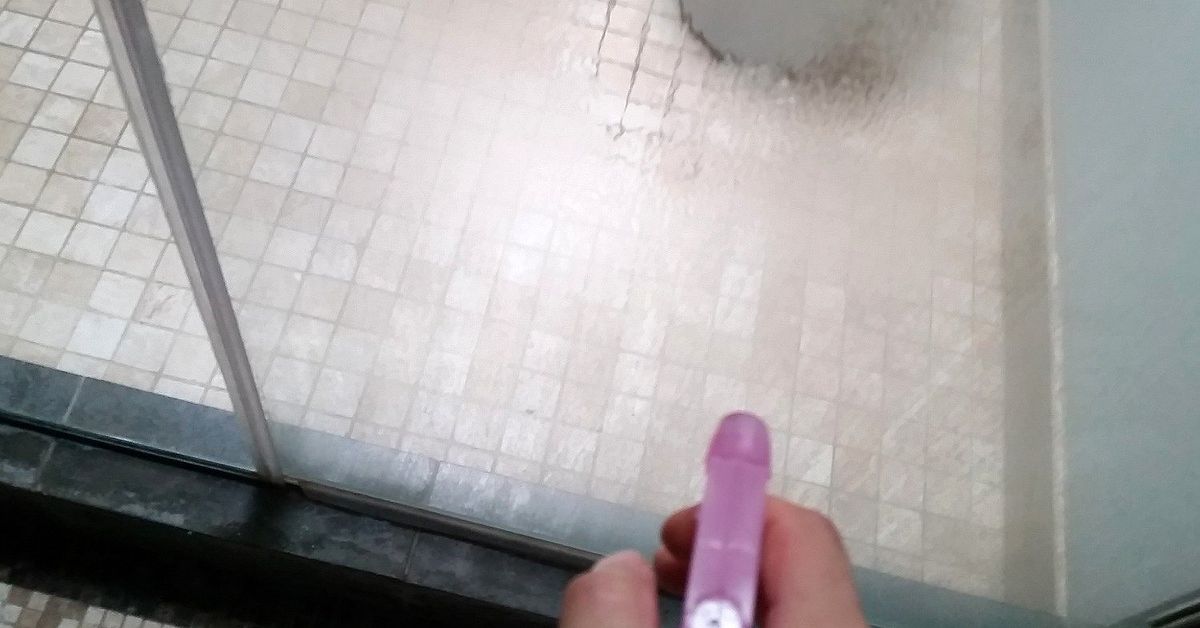
There is a special kind of betrayal in stepping out of a freshly cleaned shower only to notice that the glass door still looks as if it has been frosted by a tiny, disgruntled cloud. That cloudy film is usually soap scum: a stubborn blend of soap residue, body oils, dirt, and minerals left behind by water. It builds slowly, clings enthusiastically, and makes an otherwise clean bathroom look overdue for attention.
The good news is that you do not need a shelf full of aggressive cleaners or an afternoon of furious scrubbing. For ordinary glass shower doors, three familiar ingredients can do the heavy lifting: distilled white vinegar, warm water, and grease-cutting dish soap. Used correctly, this simple solution loosens mineral residue, lifts oily buildup, and rinses away without turning bathroom cleaning into an endurance sport.
The 3-Ingredient Soap Scum Remover
What You Need
- 1 cup distilled white vinegar
- 1 cup warm water
- 1 teaspoon grease-cutting liquid dish soap
You will also need a clean spray bottle, a microfiber cloth, a non-scratch sponge, and a squeegee or second dry microfiber cloth. Those are tools, not ingredients, so the recipe still keeps its three-ingredient promise. No chemistry-set loopholes here.
Why These Ingredients Work
Distilled white vinegar is mildly acidic. On compatible glass surfaces, that acidity helps loosen mineral deposits and the chalky residue associated with hard water. Vinegar is especially useful when cloudy spots remain after ordinary soap-and-water cleaning.
Dish soap contains surfactants that help separate oily grime from a surface. That matters because shower-door buildup is not purely mineral. Shampoo, conditioner, skin oils, and soap residue can create a clingy film that water alone simply rearranges.
Warm water dilutes the vinegar, helps the solution spread, and makes rinsing easier. It also prevents the mixture from becoming so concentrated or so soapy that you spend the next 20 minutes chasing bubbles down the glass.
Before You Spray: Check the Surface
This method is intended for ordinary, uncoated glass shower doors. Before using it, check the care instructions supplied by the door manufacturer. Some shower glass has a water-repellent or stain-resistant coating that requires only mild soap and water. Acidic cleaners may be discouraged for certain coatings, frames, seals, or decorative finishes.
Do not use vinegar on marble, travertine, limestone, or other acid-sensitive natural stone. Even if your door is glass, overspray can reach a stone curb, wall, bench, or floor and dull or etch it. Protect nearby surfaces or choose a manufacturer-approved cleaner instead.
Most importantly, never combine this solution with bleach, ammonia, disinfectants, or another bathroom cleaner. Rinse away any previous product before starting. Open the bathroom door or run the exhaust fan, wear gloves if your skin is sensitive, and remember that dish soap can make the shower floor slippery.
How to Remove Soap Scum from Shower Doors
Step 1: Clear and Rinse the Area
Remove bottles, razors, washcloths, and anything else likely to become collateral damage. Rinse the glass with warm water to wash away loose hair and surface dirt. If the shower was recently used, the warm, damp environment may already have softened the buildup slightly.
Step 2: Mix Gently
Pour the warm water and vinegar into the spray bottle. Add one teaspoon of dish soap last. Replace the nozzle and roll the bottle gently between your hands. Do not shake it like a protein drink unless you want a bottle full of foam and regret.
Step 3: Test a Small Area
Spray a hidden corner, wait a few minutes, rinse, and dry it. Check the glass, frame, hinges, seals, and nearby tile for discoloration or dullness. This small test is particularly important with tinted, frosted, textured, treated, or older shower doors.
Step 4: Coat the Glass
Spray the solution generously over the soap scum, working from the top of the door downward. The glass should be evenly wet, but the cleaner does not need to pour onto the floor. For vertical surfaces, a fine mist provides better control than a dramatic fire-hose setting.
Step 5: Let It Sit for 10 to 15 Minutes
Dwell time matters. The vinegar needs a chance to work on mineral residue, while the dish soap loosens the greasy portion of the film. Do not allow the solution to dry completely. If the bathroom is warm or the door sits in sunlight, lightly mist it again.
Step 6: Agitate Without Scratching
Use a damp microfiber cloth or a non-scratch sponge to wipe the glass in overlapping circles. Apply moderate pressure to cloudy areas, especially near the lower half of the door where water and product residue often collect.
Avoid steel wool, abrasive powders, razor blades, stiff brushes, and rough scouring pads unless the shower-door manufacturer specifically approves them. Tempered glass is strong, but it is not interested in participating in your scratch-resistance experiment.
Step 7: Rinse Thoroughly
Rinse from top to bottom with clean warm water. Pay attention to the bottom rail, door sweep, hinges, and corners, where loosened grime and soap can settle. If you cannot use a handheld showerhead, wipe repeatedly with a clean, wet microfiber cloth.
Step 8: Dry for a Streak-Free Finish
Run a clean squeegee down the glass in straight, overlapping passes. Wipe the blade after each pass, then buff the edges and hardware with a dry microfiber cloth. Drying is not cosmetic fussiness; it removes the water that would otherwise leave fresh mineral spots behind.
What to Do with Heavy Soap Scum Buildup
If the door has been collecting residue for months, one round may not restore perfect clarity. Repeat the same process rather than immediately reaching for a harsher tool. Two gentle treatments are usually safer than one aggressive attack.
For a stubborn patch, soak a folded paper towel or reusable cleaning cloth with the solution and press it against the glass for several minutes. This keeps the area wet longer. Remove it, wipe gently, rinse, and dry. Do not leave saturated towels touching metal finishes, rubber seals, grout, or stone.
If the remaining marks feel rough and look white, hard-water deposits may be the main problem. Give those areas a second targeted treatment and allow the cleaner to remain wet for the full 15 minutes.
If the glass feels smooth but still appears cloudy, the surface may be etched rather than dirty. Etching is physical damage caused when mineral deposits remain on glass for long periods. An ordinary cleaner cannot dissolve damage that has become part of the surface. A glass professional can help determine whether polishing, restoration, or replacement is appropriate.
Common Mistakes That Make Shower Glass Look Worse
Using Too Much Dish Soap
More soap does not automatically mean more cleaning power. Excess dish soap can leave its own film and requires much more rinsing. Start with one teaspoon. Increase it slightly only when the buildup is unusually oily and the glass can be rinsed easily.
Letting the Cleaner Dry
A dried cleaning solution can create streaks and redistribute loosened grime. Work in sections if the door is large. Keep each section damp until you are ready to scrub and rinse.
Scrubbing Dry Glass
Dry residue plus an abrasive pad is a scratch invitation. Wet the glass first, use a soft tool, and let the ingredients reduce the amount of elbow grease required.
Ignoring the Frame and Tracks
Shiny glass beside a grimy track is the bathroom equivalent of wearing a tuxedo with muddy sneakers. Wipe frames and tracks with a mild, manufacturer-approved solution, then rinse and dry them. Avoid flooding tracks, where moisture may linger.
Mixing Cleaning Products
Combining vinegar with bleach or other bathroom chemicals can release dangerous fumes. More products do not create a more powerful cleaner; sometimes they create a call to emergency services. Use one method at a time, rinse thoroughly, and follow every product label.
Treating Cleaning as Disinfecting
This homemade mixture is designed to remove residue and grime. It is not an EPA-registered disinfectant. If disinfection is needed, first clean and rinse the surface, then use a compatible registered product exactly as its label directs. Never layer or mix the products.
How to Prevent Soap Scum from Coming Back
The easiest soap scum to remove is the soap scum that never gets a chance to form. Fortunately, prevention takes less time than a deep clean.
- Squeegee after every shower. A 30-second wipe removes water before minerals dry onto the glass.
- Rinse visible product residue. A quick splash of clean water helps remove shampoo and body-wash drips.
- Improve ventilation. Run the exhaust fan and leave the shower door open when practical so surfaces dry faster.
- Do a weekly light cleaning. Regular maintenance prevents a thin film from becoming a cloudy crust.
- Dry the edges. Bottom corners, seals, and the door sweep often stay wet after the center panel looks dry.
- Use less bathing product. Excess soap and conditioner eventually become excess residue on the glass.
- Consider your water quality. In a hard-water home, an appropriately selected water-treatment system may reduce mineral spotting throughout the bathroom.
Frequently Asked Questions
Can I Use This Solution on Frosted Glass?
Possibly, but test it first and consult the manufacturer. Frosted and textured glass can hold residue in tiny surface variations, so use a soft cloth and avoid aggressive rubbing. Never assume a decorative finish has the same care requirements as plain glass.
Can I Substitute Apple Cider Vinegar?
Distilled white vinegar is the better choice because it is clear, inexpensive, and less likely to leave color or organic residue. Save the apple cider vinegar for salad dressing, where it can live its best life.
Should I Heat the Vinegar?
A warm solution may help soften buildup, but it does not need to be hot. Using warm water is simpler and reduces the risks associated with handling overheated liquid or pouring it into a plastic spray bottle. Never heat a mixture containing other cleaning products.
Can Baking Soda Be Added?
Baking soda is commonly suggested for stubborn bathroom residue, but adding it directly to vinegar produces fizz while neutralizing much of the acidity. It also introduces a mild abrasive that may be unsuitable for treated glass. Keep the three-ingredient formula simple, and consult the manufacturer before trying any abrasive paste.
Will the Mixture Remove Mold from Caulk?
It may clean surface grime, but dark staining in caulk can be a separate mold or material-deterioration problem. Do not keep adding different products to the same area. Follow the caulk manufacturer’s care guidance, use an appropriate product separately, or replace failed caulk when necessary.
How Often Should Shower Doors Be Deep-Cleaned?
For many households, a weekly wipe and a more thorough cleaning every few weeks work well. Homes with hard water, heavy shower use, or poor ventilation may need more frequent attention. The glass will tell you: when water stops moving cleanly across it and a haze appears, it is time.
What to Expect the First Time You Try This Method
A realistic first attempt usually starts with optimism, a spray bottle, and the discovery that the “slight haze” on the shower door is actually an archaeological record of every shower taken since spring. The upper half of the glass may look merely spotted, while the lower half has a dull, gray cast. Around the handle, there may be fingerprints sealed beneath product residue like tiny bathroom fossils.
The first noticeable difference comes during the waiting period. After the mixture sits for about 10 minutes, the glass often looks streakier, not cleaner. That is normal. The solution is loosening the film, and gravity is pulling dirty liquid downward. This is not the moment to panic and add half a bottle of dish soap. It is the moment to let the ingredients finish their shift.
When wiping begins, lightly coated areas usually clear with very little pressure. The cloth glides differently over clean glass than over soap scum. Clean sections feel smooth, while stubborn areas feel slightly grabby. That change in texture is useful because wet glass can hide cloudy patches that reappear only after drying.
The most satisfying moment arrives with the rinse. Milky runoff may collect near the bottom track, which is both unpleasant and proof that the film was not imaginary. Rinsing carefully matters here. During a rushed cleaning session, it is easy to leave a narrow band of solution along the lower edge. Once dry, that band looks like a fresh stain and can make the entire project feel unsuccessful. A second rinse usually fixes it.
Drying also reveals the difference between soap scum and permanent damage. On a typical door with moderate buildup, the center panel becomes noticeably clearer after one treatment. A few white dots may remain around the edges, where water dries repeatedly. Those spots often improve after a second targeted application. If broad cloudy patches remain perfectly smooth and unchanged, however, the problem may be etching rather than residue.
Another practical lesson is that tools matter almost as much as ingredients. A plush microfiber cloth lifts loosened grime without scraping. A squeegee exposes missed areas before they dry. A rough kitchen scrubber, by contrast, can turn an easy cleaning job into a scratch-risk experiment. Gentle passes performed twice are better than one heroic scrub accompanied by dramatic sighing.
The smell is usually strongest while spraying and fades after rinsing and ventilation. Adding extra fragrance is unnecessary and may leave more residue. The plain formula is not glamorous, but neither is soap scum, and only one of them is leaving the bathroom today.
The biggest long-term surprise is how much easier the next cleaning becomes. After the door is clear, using a squeegee after each shower takes less than a minute. A quick weekly spray then removes a thin film instead of a hardened layer. The first deep clean feels like a project; maintenance feels like closing a browser tab. That is the real victory: not just clear glass today, but fewer negotiations with cloudy glass next month.
Conclusion
To remove soap scum from shower doors with three ingredients, combine one cup of distilled white vinegar, one cup of warm water, and one teaspoon of grease-cutting dish soap. Spray the compatible glass, let the solution sit for 10 to 15 minutes, wipe with a non-scratch cloth or sponge, rinse thoroughly, and dry with a squeegee.
The formula is simple, but the technique makes it effective: test first, allow enough dwell time, avoid abrasives, protect sensitive surfaces, and never mix cleaning products. Once the glass is clear, regular drying and a light weekly clean can keep the dreaded bathroom fog from staging a comeback.
Note: Always follow the shower-door manufacturer’s care instructions. Do not use vinegar on natural stone or on coatings and finishes that prohibit acidic cleaners, and never mix vinegar with bleach, ammonia, disinfectants, or other cleaning products.












