
“`
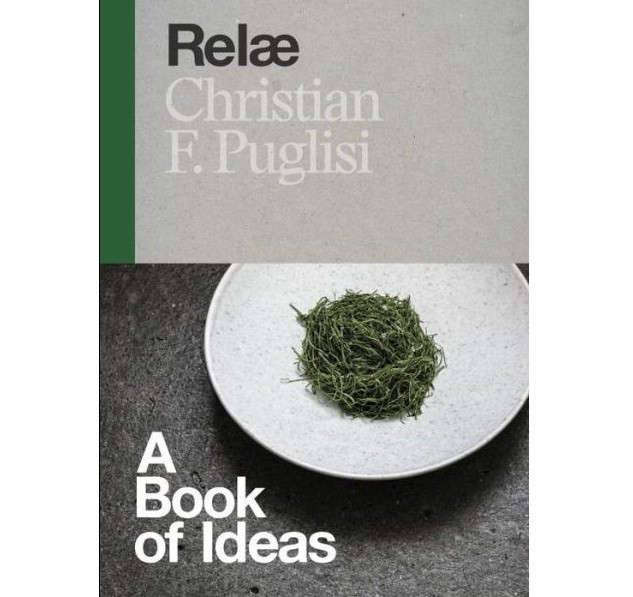
Relæ: A Book of Ideas is not the kind of cookbook that politely waits on the shelf until you need a dinner recipe. It is the kind of book that taps you on the shoulder and asks, “But why are you cooking that way?” Written by Christian F. Puglisi, the chef behind Copenhagen’s influential restaurant Relæ, the book is part cookbook, part philosophy notebook, part creative manifesto, and part deliciously serious argument against culinary autopilot.
At first glance, it looks like a high-end restaurant book: elegant design, thoughtful photography, and dishes that probably do not begin with “open a can.” But the real surprise is that Relæ: A Book of Ideas is less interested in telling readers exactly what to cook than in teaching them how to think about food. Recipes exist, yes, but they are not the boss of the room. The ideas are.
That makes the book especially valuable for chefs, ambitious home cooks, food writers, design lovers, and anyone who has ever looked at a carrot and wondered whether it has been living below its full potential. Spoiler: according to Puglisi’s world, it probably has.
What Is Relæ: A Book of Ideas?
Relæ: A Book of Ideas is Christian F. Puglisi’s debut book, published in 2014. It is closely connected to his Copenhagen restaurant Relæ, which opened in 2010 and became known for sustainable, plant-forward, stripped-down fine dining. The restaurant challenged the classic idea that luxury dining must involve white tablecloths, choreographed service, and enough silverware to make a pirate nervous.
Instead, Relæ focused on clarity: fewer ingredients, sharper ideas, and a dining room that valued intelligence over ceremony. The restaurant’s philosophy is reflected beautifully in the book. Rather than offering a standard “chapter one: snacks, chapter two: soups, chapter three: impress your in-laws” structure, Puglisi organizes much of the book around essays about flavor, texture, technique, ingredients, creativity, and intention.
This is why the title matters. It is not Relæ: A Book of Recipes. It is A Book of Ideas. That difference is the heart of the project.
Christian F. Puglisi and the Relæ Philosophy
Christian F. Puglisi trained in some of Europe’s most respected kitchens before opening Relæ. His background includes time at Noma, the Copenhagen restaurant that helped define New Nordic cuisine for the world. But Puglisi did not simply copy the Noma playbook and add different plates. Relæ developed its own vocabulary: direct, thoughtful, sustainable, and sometimes stubborn in the best possible way.
The phrase often associated with Relæ is “to the bone.” In practical terms, that means removing anything unnecessary from the experience. If a dish does not need ten components, it should not have ten components. If a dining room does not need luxury theater, it should not pretend to be a palace. If an ingredient can speak clearly, the chef should stop interrupting it like an overexcited podcast host.
This attitude gives the book its power. Puglisi is not asking readers to worship restaurant food from a distance. He is inviting them into the decision-making process. Why use this ingredient? Why dry it, ferment it, pickle it, roast it, or leave it alone? Why challenge the guest instead of always giving them exactly what they expect?
Why This Book Is Different from a Traditional Cookbook
Most cookbooks are built around instruction. They tell you what to buy, what to chop, what to heat, and when to panic because you forgot the shallots. Relæ: A Book of Ideas works differently. It treats recipes as outcomes of thought rather than isolated formulas.
Recipes Are Present, But Ideas Lead
The book does include recipes, but the main experience is reading how dishes are imagined. This is useful because restaurant recipes can be difficult to reproduce at home. Professional kitchens have specialized equipment, trained teams, and suppliers who do not look confused when someone asks for perfect baby turnips at sunrise.
Puglisi’s smarter move is to focus on transferable thinking. A home cook may not recreate every Relæ dish exactly, but they can learn how contrast works, how acidity sharpens richness, how bitterness can be elegant, and how a vegetable can become the center of a plate instead of the sidekick wearing a tiny cape.
The Book Teaches Culinary Language
One of the strongest qualities of Relæ: A Book of Ideas is that it helps readers understand the language behind modern cooking. Words like texture, balance, fermentation, seasonality, restraint, and sustainability are not used as trendy decorations. They become tools.
For example, plant-centric cooking is not treated as a limitation. It becomes a creative engine. When meat is not automatically the main event, ingredients such as beets, carrots, grains, herbs, dairy, seeds, and wild flavors have more room to perform. The result is food that feels focused rather than forced.
The Role of New Nordic Cuisine
To understand Relæ: A Book of Ideas, it helps to understand the broader rise of New Nordic cuisine. This movement emphasized local ingredients, seasonality, preservation, foraging, minimalism, and a renewed respect for the edible landscape of Scandinavia. It helped shift global fine dining away from imported luxury ingredients and toward a deeper relationship with place.
Relæ belonged to that conversation, but it also had a rebellious streak. Where some fine dining restaurants leaned into elaborate storytelling, Relæ often seemed to say, “Here is the idea. Here is the ingredient. Let us not dress it in a tuxedo unless it asked nicely.”
That simplicity should not be mistaken for ease. In fact, simple food can be terrifyingly difficult. When a plate has only a few elements, every choice is exposed. There is nowhere for a weak sauce to hide. No garnish can sprint in at the last second and save the day. The book shows how much thought is required to make food look effortless.
Sustainable Fine Dining Without the Lecture Face
Sustainability is central to the Relæ identity, but the book avoids sounding like a scolding pamphlet taped to a refrigerator. Instead, it presents sustainability as a practical and creative discipline. Cooking responsibly is not only about moral seriousness; it is also about flavor, seasonality, economy, and respect.
Relæ’s approach shows that sustainability can shape the entire restaurant system: sourcing, menu design, waste reduction, farming relationships, and the way chefs think about abundance. A kitchen that respects ingredients tends to waste less because it sees possibility everywhere. Stems, peels, whey, seeds, and imperfect vegetables are not automatically trash. They are potential.
For readers, this is one of the book’s most useful lessons. You do not need to run a Michelin-level kitchen to cook with more intention. You can start by buying better produce, wasting less, tasting more carefully, and asking whether a dish needs more decoration or simply more honesty.
Design, Structure, and Reading Experience
Relæ: A Book of Ideas is also a beautifully designed object. It feels like a restaurant translated into paper: precise, modern, and slightly unconventional. The structure rewards slow reading. This is not a book to skim while your pasta water boils over in the background. It is better approached with coffee, curiosity, and maybe a snack, because reading deeply about food while hungry is a dangerous sport.
The essays create a rhythm. Some sections are practical, exploring techniques and ingredients. Others are philosophical, asking larger questions about creativity, hospitality, and the relationship between chef and guest. That mix makes the book valuable beyond the kitchen. Designers, writers, entrepreneurs, and artists can all recognize the same creative challenge: how do you remove the unnecessary until the central idea becomes stronger?
Who Should Read Relæ: A Book of Ideas?
Professional Chefs and Culinary Students
For chefs, this book offers a rare look into the thinking behind a respected restaurant. It is not just about plating inspiration. It is about building a point of view. Culinary students can learn that technique matters, but philosophy gives technique direction. A perfect pickle is nice. A perfect pickle with purpose is better.
Ambitious Home Cooks
Home cooks will benefit most if they treat the book as a creative guide rather than a weeknight manual. Nobody is saying you should come home after work and casually produce a Copenhagen tasting menu before doing laundry. But the ideas can absolutely influence everyday cooking. A salad can become more balanced. A roasted vegetable can become more intentional. A simple yogurt sauce can suddenly have opinions.
Food Writers and Restaurant Lovers
For food writers, Relæ: A Book of Ideas is a reminder that restaurants are not only places to eat. They are systems of thought. The dining room, menu, sourcing, service style, and cookbook all express the same worldview. That makes Relæ an important case study in how a restaurant can become culturally influential without behaving like a luxury stereotype.
Important Themes in the Book
1. Restraint
Restraint is one of the book’s defining values. In cooking, restraint means knowing when to stop. It means trusting two or three strong elements instead of burying them under a confetti cannon of garnish. This is harder than it sounds, especially in a food culture where more often looks like better.
2. Ingredient Respect
Puglisi’s cooking gives ingredients responsibility. A beet is not just color. A carrot is not just sweetness. Dairy is not just creaminess. Each ingredient has structure, history, season, and personality. The chef’s job is to reveal those qualities, not flatten them.
3. Productive Discomfort
Relæ was never only about comfort. Some dishes challenged expectations. That matters because memorable food is not always the food that instantly agrees with us. Sometimes the best plate is the one that makes the brain pause before the mouth applauds.
4. Anti-Pretension
The book’s anti-pretentious spirit is refreshing. It proves that serious cooking does not need to be stiff. Intelligence and informality can share a table. In fact, they probably should. Food becomes more enjoyable when it is allowed to be thoughtful without wearing a monocle.
Examples of Ideas Readers Can Apply at Home
The best way to use Relæ: A Book of Ideas is to steal the thinking, not necessarily the dish. For example, if the book inspires you to explore texture, you might pair roasted carrots with toasted seeds and a bright acidic dressing. If it pushes you toward seasonality, you might stop buying pale winter tomatoes and embrace cabbage, citrus, roots, and hardy greens. If it makes you think about waste, you might turn herb stems into oil, vegetable scraps into broth, or stale bread into crumbs.
The point is not to become Christian Puglisi in your apartment kitchen. That would be ambitious, and also confusing for your neighbors. The point is to cook with sharper attention. Ask what each ingredient is doing. Ask whether a dish needs contrast. Ask whether you are adding something because it helps or because your hand got nervous.
Why Relæ: A Book of Ideas Still Matters
Relæ the restaurant eventually closed, but the book remains relevant because its central questions have only become more important. Modern food culture is still wrestling with sustainability, authenticity, labor, waste, local sourcing, and the difference between meaningful simplicity and plain old minimalism with better lighting.
The book also arrived before “plant-forward” became a mainstream restaurant phrase. Today, many diners expect vegetables to be treated with imagination. Relæ helped prove that plant-centric cooking could be serious, elegant, and exciting without feeling like a compromise.
Most importantly, the book argues for thoughtfulness. In a world full of quick content, fast recipes, viral hacks, and thirty-second cooking videos, Relæ: A Book of Ideas asks readers to slow down and consider the invisible architecture behind a dish. That makes it more than a cookbook. It is a creative education.
Experiences and Reflections Related to Relæ: A Book of Ideas
Reading Relæ: A Book of Ideas feels different from reading a normal cookbook. With many cookbooks, the relationship is transactional: you want dinner, the book gives instructions, and everyone goes home happy unless the oven lies. With Relæ, the experience is more like entering a workshop where the chef has left notes all over the walls. Some notes are practical. Some are philosophical. Some quietly suggest that your relationship with vegetables may need counseling.
One of the most useful experiences a reader can have with this book is trying to cook a very simple meal immediately after reading it. Not a complicated tasting menu. Just something modest: roasted beets with yogurt, a plate of grilled greens, a bowl of grains with herbs, or carrots with vinegar and seeds. Suddenly, the ordinary meal becomes a small test of attention. Is there enough acidity? Is the texture too soft? Does the dish need richness, bitterness, crunch, or silence? Yes, silence can be an ingredient, especially when nobody at the table says, “Where is the meat?”
The book also changes how one looks at restaurant dining. After spending time with Puglisi’s ideas, a diner may begin noticing the decisions behind a plate: why the chef chose a shallow bowl, why the sauce is barely there, why the vegetable is cut thick instead of thin, why the dish resists sweetness, or why the menu does not offer endless choices. That awareness makes dining more interesting. It turns eating into reading, but with better butter.
Another experience connected to the book is creative discomfort. Relæ’s philosophy does not always flatter the reader. It can make you realize how often you cook by habit. Maybe you add lemon because you always add lemon. Maybe you garnish because the plate looks lonely. Maybe you follow recipes with the obedience of a tax form. The book gently challenges that behavior. It encourages a more active relationship with food, where the cook becomes a thinker rather than a button-pusher.
For writers and creators outside the kitchen, the lessons transfer surprisingly well. The idea of stripping work “to the bone” applies to writing, design, business, photography, and even web content. Remove what does not serve the core idea. Make the structure honest. Do not confuse decoration with depth. Do not use complexity as camouflage. A sentence, like a dish, can collapse under too many unnecessary toppings.
The lasting experience of Relæ: A Book of Ideas is inspiration with discipline attached. It does not simply say, “Be creative!” which is the kind of advice that sounds nice and does absolutely nothing before lunch. Instead, it shows that creativity grows from constraints, observation, repetition, sourcing, tasting, and revision. It makes food feel intellectual without draining away pleasure. That is a rare balance.
In the end, the book leaves readers with a practical question: what is the idea behind what you are making? Once that question enters the kitchen, it refuses to leave. It stands beside the cutting board, judging the extra garnish. Politely, of course. Very Copenhagen.
Conclusion
Relæ: A Book of Ideas is a standout culinary book because it refuses to behave like a typical cookbook. Christian F. Puglisi uses the story and philosophy of Relæ to explore how food becomes meaningful: through restraint, sustainability, ingredient respect, technique, and clear creative purpose. The book is ideal for chefs, serious home cooks, food lovers, and creative professionals who want to understand not only what appears on the plate, but why it belongs there.
Its value is not limited to recreating restaurant dishes. The deeper reward is learning how to think with more precision. Whether you are cooking carrots, designing a menu, writing an article, or building a brand, Relæ’s lesson is beautifully simple: remove the noise, honor the material, and let the idea do its job.












