
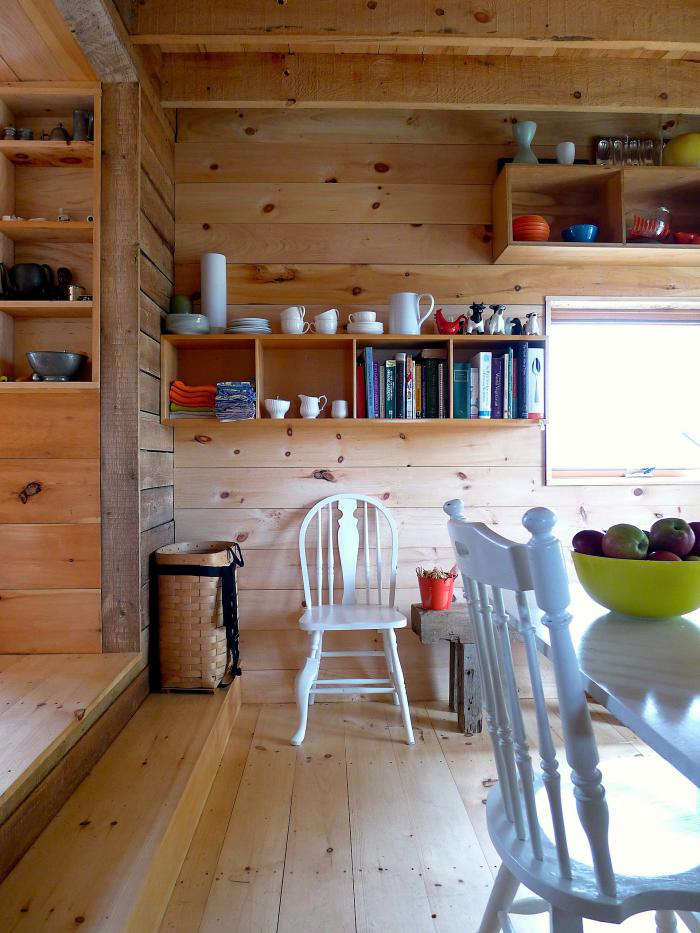
There is a special kind of optimism required to renovate a kitchen on a minimal budget. It is the same optimism that says, “Sure, we can reuse those cabinets,” “That sink just needs a little love,” and “How hard can plumbing be?” In Maine, where old houses often come with charm, drafty corners, and at least one mysterious drawer full of screws, a budget kitchen rehab becomes less of a shopping spree and more of a treasure hunt.
The title “Rehab Diaries: A Kitchen in Maine, on a Minimal Budget” captures the sweet spot between restraint and resourcefulness. It is not about creating a showroom kitchen where nobody dares make toast. It is about building a warm, useful, good-looking kitchen with salvaged materials, smart choices, elbow grease, and maybe a lobster pot or two. The best budget kitchen remodels do not hide their modesty. They celebrate it.
A Maine kitchen, especially in a cottage, farmhouse, cabin, or coastal home, needs to work hard. It must handle muddy boots, wet dogs, winter soup, blueberry pie, morning coffee, and the occasional seafood feast. A minimal-budget renovation should respect that lifestyle. Instead of chasing every trend, the goal is simple: make the kitchen brighter, more practical, easier to clean, and more joyful to use without draining the bank account faster than a leaky faucet.
What Makes a Maine Kitchen Different?
Maine kitchens have a personality all their own. They are practical, humble, and deeply connected to place. You will often find painted wood, simple shelving, sturdy worktables, old floors, beadboard, farmhouse sinks, and a preference for materials that look better after a little honest wear. This is not the land of fragile finishes. This is the land of snow, salt air, woodstoves, muddy spring, and people who know the emotional value of a well-seasoned cast-iron pan.
That is why a minimal-budget Maine kitchen rehab should lean into durability rather than perfection. Slightly mismatched hardware? Charming. Reclaimed wood shelves? Perfect. A vintage pendant with a few scratches? Even better. The secret is making every imperfect detail feel intentional. When the room has a clear palette and practical layout, thrifted and salvaged pieces look curated instead of chaotic.
The Maine Formula: Simple, Sturdy, Salvaged
A successful budget kitchen in Maine usually follows three principles: keep what works, repair what can be saved, and spend only where performance matters. Cabinets can often be painted instead of replaced. Open shelving can stand in for expensive uppers. A durable faucet may be worth the splurge if the kitchen sees heavy use. Lighting can come from leftovers, antiques, or basic fixtures upgraded with better bulbs. The money goes where hands touch things every day: sink, faucet, work surfaces, storage, and lighting.
Start With the Bones, Not the Wish List
The fastest way to destroy a minimal kitchen budget is to begin with fantasies instead of facts. Before buying tile, paint, or that charming antique stool that whispers your name from a salvage shop, study the kitchen’s bones. Are the cabinets structurally sound? Is the floor level enough to live with? Does the plumbing work? Are the electrical outlets safe and sufficient? Is there evidence of moisture damage? In older homes, especially those built before 1978, lead paint safety should be taken seriously before sanding or demolition begins.
Once the basics are checked, the design decisions become much easier. A minimal-budget remodel is not a full reinvention. It is a careful edit. Keep the sink where it is if moving plumbing would eat the budget. Keep appliances in place unless the layout truly fails. Keep old wood floors if they can be cleaned, patched, or painted. Let the house tell you what it can afford to become.
Make a Ruthless Priority List
Every budget kitchen remodel needs two lists: “must fix” and “would be nice.” Must-fix items include safety, water damage, broken storage, bad lighting, failing appliances, and surfaces that cannot be cleaned properly. Nice-to-have items include decorative tile, fancy range hoods, custom cabinets, and high-end stone countertops. The trick is not to eliminate beauty. The trick is to find beauty inside the necessary work.
For example, if the cabinets are sturdy but ugly, paint them. If the upper cabinets make the room feel cramped, remove a few and add open shelving. If the counters are worn but functional, clean them up and invest first in a better faucet or brighter task lighting. If the floor is uneven but solid, a painted floor or budget-friendly vinyl plank may give the room a fresh start without a financial fainting spell.
Cabinets: Paint Is the Budget Renovator’s Best Friend
Cabinets are usually one of the biggest expenses in a kitchen renovation. On a minimal budget, replacing them should be the last resort, not the opening move. If the boxes are solid, painting the cabinets can completely change the feeling of the room. A soft white, warm gray, muted blue, deep green, or classic black can make old cabinets look intentional and fresh.
However, cabinet painting is not a “slap on paint and hope for the best” project. Kitchens are greasy little ecosystems. Doors need to be removed, cleaned, sanded, primed, and painted with a durable cabinet-grade finish. Skipping prep is how homeowners end up with peeling paint and regret, which is a very unpopular backsplash material.
Low-Cost Cabinet Upgrades That Work
New hardware is the kitchen equivalent of putting on good shoes. It may not change the whole outfit, but suddenly everything looks sharper. Simple knobs, bin pulls, or understated brass hardware can make basic cabinets look custom. If the existing hinges are visible and dated, replacing or painting them can help. For an even cheaper move, remove a few upper cabinet doors to create open display storage for everyday dishes.
Open shelving belongs naturally in a Maine kitchen because it feels relaxed and practical. Use reclaimed boards, butcher block offcuts, or simple pine sealed properly. Keep only the useful and beautiful items visible: white dishes, glass jars, mugs, mixing bowls, and cookbooks. Do not use open shelving to display every souvenir mug from 1997 unless the theme is “garage sale archaeology.”
Salvage, Reuse, and the Joy of the Almost-Free Find
A minimal-budget kitchen rehab becomes far more interesting when salvaged materials enter the story. Habitat ReStores, architectural salvage yards, Facebook Marketplace, local swap groups, estate sales, and contractor leftovers can all supply cabinets, lighting, sinks, lumber, tile, doors, and hardware. Maine is especially friendly to this approach because old houses, barns, camps, and seasonal cottages often generate reusable materials with character.
Salvage shopping does require patience. You may not find a complete matching set of cabinets, but you might find a perfect sink, a sturdy worktable, a stack of beadboard, or pendant lights left over from someone else’s more expensive dream. The key is to shop with measurements in hand. A bargain that does not fit is not a bargain. It is a future storage problem wearing a cute price tag.
Where Salvage Makes the Most Sense
Lighting, shelving, freestanding furniture, hardware, doors, and small storage pieces are excellent candidates for secondhand sourcing. Appliances can be worthwhile if they are modern, clean, efficient, and in good working order, but they should be inspected carefully. Cabinets can be a steal if they include doors, drawers, and hardware. A vintage table can become an island. An old dresser can become pantry storage. A restaurant prep table can become the hardest-working surface in the room.
The beauty of salvage is that it keeps the kitchen from looking like a catalog page. A Maine kitchen should feel collected, not ordered by committee. A mix of painted cabinets, wood shelves, practical counters, and one or two unusual finds creates a room with soul.
Countertops: Spend Smart, Not Fancy
Countertops can quickly turn a small kitchen rehab into a financial cliff dive. Stone is beautiful, but it is not always necessary. For a minimal-budget kitchen, consider butcher block, laminate, sealed wood, stainless steel sections, or a combination of materials. Butcher block adds warmth and works especially well in cottage and farmhouse kitchens. Laminate has improved dramatically and can be a practical choice for busy households. Stainless steel, even in small zones, is excellent near sinks or prep areas.
The smartest budget move is to match the material to the task. A wood counter may be lovely on a baking or coffee station. A more water-resistant surface may be better around the sink. If replacing all counters is too expensive, focus on the worst section first and make the rest look intentional through cleaning, sanding, sealing, or strategic styling.
Butcher Block and Maine Warmth
Butcher block feels right in Maine because it brings natural texture into the room. It pairs beautifully with painted cabinets, white walls, simple tile, and old floors. It does need maintenance, especially around water. Proper sealing is essential. If the kitchen is used heavily, treat wood counters as hardworking surfaces, not museum artifacts. A few marks over time can look charming; black water stains around the sink are less charming, more “please call someone.”
Lighting: The Cheapest Way to Make a Kitchen Look More Expensive
Bad lighting can make even a freshly renovated kitchen look like a basement interrogation room. Good lighting makes budget materials look better. In a minimal-budget kitchen rehab, lighting should be layered: overhead light for general brightness, task light for counters, and one warm decorative fixture for character.
If rewiring is not in the budget, plug-in sconces, under-cabinet LED strips, and better bulbs can still improve the room dramatically. Pendant lights over a table or island add focus. A vintage fixture can become the room’s personality piece. In Maine, where winter days can be short and gray, lighting is not a luxury. It is emotional support with a switch.
Use Light Colors Where They Count
Paint is another form of lighting. White or pale walls bounce daylight around, while soft cabinet colors add depth without shrinking the room. In a small kitchen, a limited palette can make mixed materials feel calm. Think warm white walls, painted lower cabinets, open wood shelves, simple counters, and one darker accent. The result feels clean but not sterile, rustic but not dusty.
Flooring: Work With What You Have
Old floors are common in Maine homes, and they often bring more character than anything new could provide. If the existing wood floor is worn but stable, consider cleaning, patching, sanding, or painting it. Painted floors are practical, historically appropriate, and budget-friendly. A checkerboard pattern, soft gray, deep green, or warm white can make a kitchen feel finished without installing new material.
If the floor is beyond saving, luxury vinyl plank, sheet vinyl, or simple tile may offer durability at a reasonable cost. Choose something that can handle snowmelt, grit, and dropped cookware. Kitchen floors live a dramatic life. They deserve sympathy.
The Layout: Do Less, But Make It Smarter
Major layout changes are expensive because they often involve plumbing, electrical work, walls, and flooring repairs. A minimal-budget Maine kitchen rehab should avoid moving major systems unless absolutely necessary. Instead, improve flow through smaller changes. Remove a bulky upper cabinet. Add a narrow island or worktable. Use wall hooks for pans. Install shelves in awkward corners. Add a rolling cart that can move where needed.
A freestanding table can be better than a built-in island in a tight Maine kitchen. It can serve as prep space, dining spot, homework zone, and emergency pie station. If the table is vintage or salvaged, even better. It brings warmth and flexibility without custom cabinetry costs.
Small Space, Big Function
Small kitchens reward discipline. Store only what is used. Move rarely used appliances out of prime real estate. Use vertical space. Hang cutting boards, pans, and utensils. Add toe-kick storage if possible. Choose fewer, better tools. A minimal-budget remodel should not create more places to hide clutter; it should make daily cooking easier.
Appliances: Be Practical, Not Flashy
Appliances can devour a renovation budget quickly. The best approach is to keep working appliances until replacement is necessary, then choose reliable, efficient models that fit the space. Energy-efficient appliances can reduce operating costs over time, and rebates may be available depending on location and utility programs.
In a small Maine kitchen, compact appliances may make more sense than oversized models. An under-counter refrigerator, apartment-size range, or slim dishwasher can free up space. The right appliance is not the biggest one. It is the one that supports the way the household actually cooks.
Budget Breakdown: Where the Money Should Go
A minimal-budget kitchen rehab is easier when every dollar has a job. Spend first on safety, repairs, and function. After that, invest in high-touch items. A good faucet, sturdy sink, cabinet paint, practical lighting, and durable work surfaces will do more for everyday life than luxury extras.
Save on decorative tile, custom cabinets, premium appliances, and trendy hardware. Spend on what you touch, clean, open, close, and use every day. A kitchen is not improved by expensive features that make you nervous. It is improved by features that make Tuesday dinner easier.
A Sample Minimal-Budget Plan
For a very tight budget, the plan might look like this: clean and repair existing cabinets, paint them, add new hardware, install open shelves, replace the faucet, improve lighting, refresh the walls, and add a salvaged worktable. For a slightly larger budget, add butcher block counters, a new sink, durable flooring, and one efficient appliance replacement. This layered approach allows the kitchen to improve over time instead of demanding one giant, wallet-flattening renovation.
Design Style: Maine Minimalism Without the Coldness
Minimal does not mean empty. In a Maine kitchen, minimalism should feel warm, useful, and grounded. Think simple lines, natural materials, practical storage, and a restrained color palette. Keep the room visually calm, but allow texture to do the talking. Wood grain, painted beadboard, iron hooks, woven baskets, linen curtains, and handmade pottery can add richness without clutter.
This style works especially well because it does not require perfection. A nicked table, an old shelf, a patched floor, and a slightly wavy wall all belong. The goal is not sleek luxury. The goal is honest comfort.
Common Mistakes to Avoid
The first mistake is starting demolition too soon. Tearing things out feels productive, but it can create expensive surprises. The second mistake is buying materials before measuring carefully. The third is underestimating prep work, especially with cabinet painting. The fourth is ignoring ventilation, moisture, and lighting. The fifth is spending too much on one glamorous item while leaving everyday annoyances untouched.
Another common mistake is trying to make a Maine kitchen look like a city showroom. Let the place be itself. A kitchen near the coast, in the woods, or in an old village house has its own rhythm. Respecting that rhythm usually costs less and looks better.
Conclusion: The Beauty of Doing Enough
Rehab Diaries: A Kitchen in Maine, on a Minimal Budget is really a story about doing enoughand doing it well. A beautiful kitchen does not have to be expensive, oversized, or flawless. It needs to support daily life. It needs good light, honest materials, useful storage, and a few details that make people smile when they walk in for coffee.
The best budget kitchen remodels are not about deprivation. They are about creativity. They prove that paint can be powerful, salvage can be elegant, and an old room can feel new without losing its soul. In Maine, where practicality is practically a design style, that approach feels exactly right.
Experience Notes: What a Minimal-Budget Maine Kitchen Rehab Teaches You
The first experience a minimal-budget kitchen rehab teaches is patience. Not glamorous patience, either. Real patience. The kind you practice while waiting for primer to dry, hunting for the right-size salvaged sink, or discovering that the “quick cabinet refresh” has become a three-day relationship with sandpaper. Budget renovating slows everything down, but that can be a gift. When you cannot buy every solution immediately, you begin noticing what the kitchen truly needs.
In a Maine kitchen, the experience is even more specific. You learn how light changes the room on a foggy morning. You learn which corner collects boots, bags, and mail. You learn that a kitchen used in winter needs more than pretty shelves; it needs hooks, durable floors, and a place to put a hot pot of chowder without performing countertop gymnastics. You learn that the best design ideas often come from inconvenience. If everyone drops keys near the door, add a small rail or shelf there. If the coffee maker blocks the cutting board, create a proper breakfast station. If the lobster pot does not fit under the faucet, congratulations, you have found your splurge.
The second lesson is that old materials have emotional power. A salvaged table may wobble slightly, but it can make a kitchen feel settled overnight. Reclaimed shelves may not be perfectly straight, but they bring warmth that brand-new boards sometimes lack. Even reused cabinet boxes can feel charming when painted carefully and paired with good hardware. Budget design rewards imagination. It asks, “What could this become?” instead of “What can I replace this with?”
The third lesson is humility. Every old kitchen has secrets. A wall may not be square. A floor may slope. A cabinet may have been installed by someone whose measuring tape was apparently more of a spiritual guide than a tool. A minimal-budget rehab forces you to solve problems instead of covering them with money. Sometimes the solution is trim. Sometimes it is paint. Sometimes it is accepting that the house has a personality and you are not in charge as much as you thought.
The fourth lesson is that small upgrades can change daily life. A brighter light over the sink can make dishwashing less gloomy. A pull-out faucet can make cooking easier. A shelf in the right place can save ten minutes every morning. A painted floor can make the whole room feel awake. These are not dramatic television-reveal moments, but they matter. They are the quiet improvements that make a kitchen lovable.
Finally, a budget kitchen rehab teaches that beauty and usefulness are not enemies. A room can be practical and still have poetry. It can be made from leftovers, bargains, and weekend labor, yet still feel intentional. In fact, that may be why these kitchens are so satisfying. Every choice has a story. Every saved dollar represents a clever workaround. Every scratch and patch becomes part of the diary.
Note: This article is an original, fully rewritten synthesis based on real kitchen renovation practices, budget remodeling guidance, safety considerations for older homes, salvage-based design ideas, and Maine-inspired cottage kitchen principles.












