
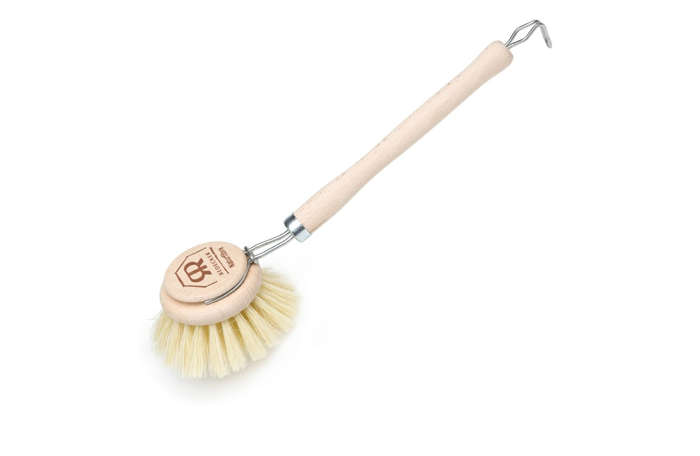
A dish brush is not usually the sort of thing that gets a dramatic entrance. Nobody rolls out a red carpet for a sink tool. Nobody says, “Gather around, everyone, the brush has arrived.” And yet, the Redecker Hard Dish Brush has quietly earned a spot in many kitchens because it does something surprisingly rare: it makes a boring daily chore feel a little more intentional, a little less plasticky, and a lot more satisfying.
The Redecker Hard Dish Brush is a wooden, natural-fiber dishwashing brush designed for scrubbing plates, pans, mugs, utensils, and everyday kitchen messes. It is often chosen by people who want a sturdy alternative to plastic dish brushes and disposable sponges. The hard-bristle version is especially useful when you need more scrubbing power for stuck-on oatmeal, dried sauce, pan residue, or the mysterious crust that appears on a casserole dish after “just five more minutes” in the oven.
Made by Bürstenhaus Redecker, a German brushmaker known for natural materials and traditional craftsmanship, this dish brush blends old-school design with practical kitchen function. It is simple, attractive, and built around replaceable parts, which makes it more than just a pretty object next to the sink. It is a small tool with a very specific mission: help you clean better without turning your kitchen into a plastic graveyard.
What Is the Redecker Hard Dish Brush?
The Redecker Hard Dish Brush is a reusable dish brush typically made with a beechwood handle, a metal collar or wire component, and firm natural-fiber bristles. The hard-bristle option is commonly made with tampico fiber, a plant-based material known for its stiffness and scrubbing ability. Some Redecker brush styles may use different natural fibers depending on the model, but the hard dish brush is generally intended for tougher cleaning jobs than the softer horsehair version.
In practical terms, think of it as the brush you grab when a sponge gives up and quietly leaves the room. The Redecker hard brush is not trying to be a delicate polishing tool for crystal champagne flutes. It is more at home with breakfast plates, ceramic bowls, stainless steel pans, enamel cookware, mugs with coffee marks, and utensils that have been through dinner battle.
Why the Redecker Hard Dish Brush Stands Out
There are thousands of kitchen brushes on the market, so why does this one get attention? The answer comes down to materials, design, and the feeling of durability. Many dish brushes are made mostly from plastic, and while they can work well, they often look tired quickly. Bristles bend, handles crack, and the whole thing eventually gets tossed.
The Redecker Hard Dish Brush takes a different route. Its wooden handle has a warm, traditional look. The bristles feel firm and purposeful. The replaceable-head design on many versions allows you to keep the handle and change only the worn brush head. That small feature matters because it reduces waste and can stretch the useful life of the tool.
Natural Materials With a Practical Purpose
Redecker is known for using natural materials such as wood, plant fibers, and animal hair in various brushes. For the hard dish brush, the stiff natural bristles are the star of the show. They provide a satisfying scrub without the scratchy aggression of steel wool. That makes the brush useful for many everyday surfaces, although you should still use caution with delicate nonstick coatings, soft finishes, and anything the manufacturer says should only be cleaned gently.
A Comfortable Handle for Daily Dishwashing
The handle is one of the most underrated parts of a dish brush. A good handle keeps your hand out of greasy water, gives you leverage, and helps you reach corners without performing kitchen yoga. Depending on the model, Redecker dish brushes may have a straight or curved beechwood handle. The curved version is especially popular because it gives better access to bowls, cups, and pan edges.
Best Uses for the Redecker Hard Dish Brush
The Redecker Hard Dish Brush is best for everyday kitchen cleaning where you need more bite than a soft sponge can offer. It works well on dishes that have dried-on food, pans with light residue, mugs with rings, mixing bowls, cutting boards, and sink areas. It is also handy for cleaning around the edges of lids, the corners of baking dishes, and textured surfaces where food likes to hide like it owes you money.
Cleaning Pots and Pans
For stainless steel, enamel, cast iron, and many sturdy cookware surfaces, the hard bristles can help loosen stuck-on bits. The trick is not to attack the pan like you are trying to win a medieval duel. Let warm water and dish soap do part of the work first. A short soak softens the mess, then the brush can lift it away with less effort.
Scrubbing Plates, Bowls, and Utensils
The brush is also useful for regular dishes, especially when food has started to dry. It handles peanut butter streaks, pasta sauce, egg residue, and rice grains better than many soft sponges. For delicate plates, antique ceramics, or fragile glassware, the soft Redecker horsehair brush may be a better match. The hard brush is the dependable kitchen worker; the soft brush is the polite guest who knows which fork to use.
Cleaning Mugs and Cups
Coffee and tea drinkers know the slow creep of stains inside mugs. The Redecker Hard Dish Brush can help scrub those marks before they become permanent kitchen archaeology. A little dish soap, warm water, and circular brushing usually do the job. For tall narrow glasses, though, a dedicated bottle brush may reach better.
Benefits of Using a Redecker Hard Dish Brush
The biggest benefit is scrubbing power. The firm bristles give you more cleaning force than a soft cloth or floppy sponge. This makes the brush useful for people who cook frequently and do not want every dishwashing session to become an arm workout.
Another benefit is longevity. Because many Redecker dish brushes have replaceable heads, you do not necessarily need to throw away the whole tool when the bristles wear down. Replace the head, keep the handle, and your sink setup lives to fight another lasagna pan.
The brush also has strong visual appeal. This may sound minor, but kitchen tools that look good are more likely to be left within reach, used often, and cared for properly. A wooden brush beside the sink feels calmer and more timeless than a neon plastic scrubber that looks like it escaped from a toy bin.
Possible Drawbacks to Consider
No product is perfect, and the Redecker Hard Dish Brush is no exception. The first drawback is care. Wood and natural fibers do not love being abandoned in a puddle. If you leave the brush soaking in water, the wood may swell, crack, or mildew over time. This is not a brush that wants to live at the bottom of the sink like a sunken ship.
The second drawback is that hard bristles may be too firm for some delicate surfaces. If you have expensive nonstick cookware, hand-painted ceramics, or fragile glass, test carefully or use a softer brush. Hard bristles are wonderful when you need cleaning power, but they are not the right personality for every dish.
Finally, the price can be higher than a basic supermarket brush. However, the replaceable-head design and durable materials may balance that cost for users who prefer reusable, low-plastic kitchen tools.
How to Care for a Redecker Hard Dish Brush
Good care is simple but important. After using the brush, rinse away food debris and soap. Tap off extra water, then let the brush dry in open air. Hanging it is ideal, especially if your brush has a hole or loop for storage. If you keep it in a sink caddy, make sure the caddy drains well.
Avoid leaving the brush submerged in water. Do not store it bristle-side down in a wet cup. Do not place it on a heater to force-dry it. Natural materials prefer steady room-temperature drying and decent airflow. Basically, treat it like a useful wooden kitchen tool, not a disposable sponge that has accepted its short, damp destiny.
When to Replace the Brush Head
Replace the head when the bristles become badly bent, overly soft, stained beyond cleaning, or less effective at scrubbing. If the handle is still in good shape, a replacement head keeps the brush going without replacing the entire item. That is one of the smartest features of the Redecker design.
Redecker Hard Dish Brush vs. Sponge
A sponge is soft, flexible, and cheap. It is good for wiping plates, cleaning counters, and washing delicate items. But sponges can wear out quickly, hold odors, and struggle with dried-on food. The Redecker Hard Dish Brush is firmer, more structured, and better for scrubbing. It also dries differently because the bristles are more exposed to air than the interior of a thick sponge.
The best setup for many kitchens is not brush versus sponge. It is brush plus sponge. Use the hard brush for stuck-on food and durable surfaces. Use a sponge or cloth for wiping, delicate items, and broad surface cleaning. Together, they make a practical team, like a tiny cleaning buddy comedy at your sink.
Redecker Hard Dish Brush vs. Soft Dish Brush
Redecker’s hard and soft dish brush options serve different purposes. The hard-bristle brush is best for pots, pans, and stubborn messes. The soft-bristle brush, often made with horsehair, is better for plates, cups, glassware, and more delicate surfaces. If you cook often, owning both can make sense. The hard brush handles the tough jobs. The soft brush takes care of everyday washing with a gentler touch.
If you only want one brush, choose based on your kitchen habits. If you mostly wash plates and glasses, the soft brush may be enough. If you cook sauces, roast vegetables, fry eggs, bake casseroles, or regularly face dried food, the hard brush is the more useful first choice.
Who Should Buy the Redecker Hard Dish Brush?
The Redecker Hard Dish Brush is a good choice for people who want a reusable, attractive, functional dish brush with strong scrubbing power. It is especially appealing if you are trying to reduce plastic in the kitchen or prefer tools made with natural materials.
It is also a strong fit for home cooks who wash pots and pans by hand. If your dishwasher handles everything, you may not need a dedicated hard brush. But if your sink regularly sees cast iron, sheet pans, mixing bowls, and sauce-coated utensils, this brush earns its keep quickly.
It may not be the best choice for someone who wants a zero-maintenance tool. If you know you will leave it soaking overnight, forget to dry it, or toss it into a wet sink caddy for days, a synthetic brush may tolerate neglect better. The Redecker brush rewards basic care.
Buying Tips: What to Look For
When shopping for a Redecker Hard Dish Brush, check the bristle type, handle style, and whether the head is replaceable. Look for descriptions that mention hard tampico fiber or stiff natural fiber bristles if you want scrubbing power. If the product listing offers “hard” and “soft” options, choose hard for stuck-on food and soft for delicate dishware.
Also check the size. Some Redecker brushes have longer handles for general dishwashing, while smaller pot brushes are designed for direct hand pressure. A long-handled brush keeps your hands farther from dirty water. A compact pot brush gives you more control when scrubbing tough surfaces.
Practical Cleaning Tips
To get the best results, scrape excess food into the trash or compost before washing. Rinse the dish with warm water. Add a little soap to the brush or directly to the dish. Scrub in small circles, especially around corners and edges. For stuck-on food, soak first instead of forcing the brush to do all the work.
For pans, start gently and increase pressure only as needed. For cast iron, clean according to your preferred cast-iron care routine and dry the pan thoroughly afterward. For nonstick cookware, be conservative. Even if a brush feels safe, nonstick coatings vary, and gentle tools are usually recommended.
Is the Redecker Hard Dish Brush Worth It?
For many households, yes. The Redecker Hard Dish Brush is worth considering if you want a dish brush that is sturdy, attractive, and made with more natural materials than typical plastic scrubbers. It performs especially well as a daily scrubber for durable kitchenware and stuck-on food.
Its value is not only in cleaning power. It also improves the experience of dishwashing. That may sound dramatic for a brush, but small tools affect daily routines. A comfortable, good-looking brush can make cleaning feel less like punishment and more like a quick reset after cooking.
Real-Life Experience With the Redecker Hard Dish Brush
Using the Redecker Hard Dish Brush feels different from grabbing a regular sponge. The first thing you notice is the firmness. The bristles do not collapse the moment they touch a pan. They push back, which is exactly what you want when a skillet has bits of onion welded to it like they signed a long-term lease.
In everyday use, the brush is most helpful after meals that create sticky or textured messes. Think scrambled eggs, oatmeal, melted cheese, rice, roasted vegetables, pancake batter, tomato sauce, and coffee residue. A soft sponge often smears these messes around before finally removing them. The hard brush breaks them up faster. It gives you the pleasant feeling that progress is happening, which is important when the sink is full and your motivation has already gone to bed.
The handle also changes the experience. Instead of pinching a wet sponge, you hold a proper tool. That keeps your fingers away from cold dishwater and makes it easier to apply pressure where needed. When cleaning bowls, the bristles follow the curve well enough for most daily jobs. When cleaning flat plates, the brush covers a useful area without feeling oversized. For small jar openings or narrow bottles, however, it is not the right tool. That is when a bottle brush should take over.
One of the most satisfying uses is cleaning a pan after a short soak. If you let warm water sit in the pan for a few minutes, the Redecker hard bristles can lift softened food quickly. You do not need to grind away angrily. A steady scrub usually works. The brush makes you feel slightly more competent than you were five minutes earlier, which is honestly one of the underrated joys of a well-made kitchen tool.
The experience is not flawless. If you leave the brush wet in the sink, it can start to look tired. Natural wood asks for basic manners. Rinse it, shake it off, and let it breathe. Once that habit becomes automatic, care is easy. The brush also feels too firm for certain delicate items. Thin glass, heirloom dishes, and sensitive nonstick pans deserve a gentler approach. This is not a one-brush-solves-everything miracle. It is a strong, specific tool for strong, specific jobs.
Over time, the biggest advantage is that it makes dishwashing feel less disposable. Instead of tossing another tired sponge every week or two, you use a brush that feels like part of the kitchen. It sits nicely by the sink, dries in the open, and looks like it belongs there. It does not turn chores into a spa vacation, but it does make them slightly more pleasant. And when a humble dish brush can make cleaning even five percent less annoying, that deserves a small round of applause.
Conclusion
The Redecker Hard Dish Brush is a simple product with a surprisingly thoughtful design. It combines a wooden handle, firm natural bristles, and practical scrubbing strength in a tool that feels both traditional and useful. It is best for pots, pans, plates, mugs, and everyday messes that need more pressure than a sponge can provide.
Its main strengths are durability, replaceable-head convenience, natural materials, and strong cleaning performance. Its main weaknesses are the need for proper drying and the fact that hard bristles are not ideal for every delicate surface. If you treat it well, it can become one of those small kitchen tools you reach for constantly without thinking.
In a world full of disposable scrubbers and mystery sponges, the Redecker Hard Dish Brush offers something refreshingly straightforward: a handsome, hard-working brush that does its job and looks good doing it. That may not make dishwashing exciting, but it does make it better. And for a sink full of dinner dishes, better is a beautiful thing.












