
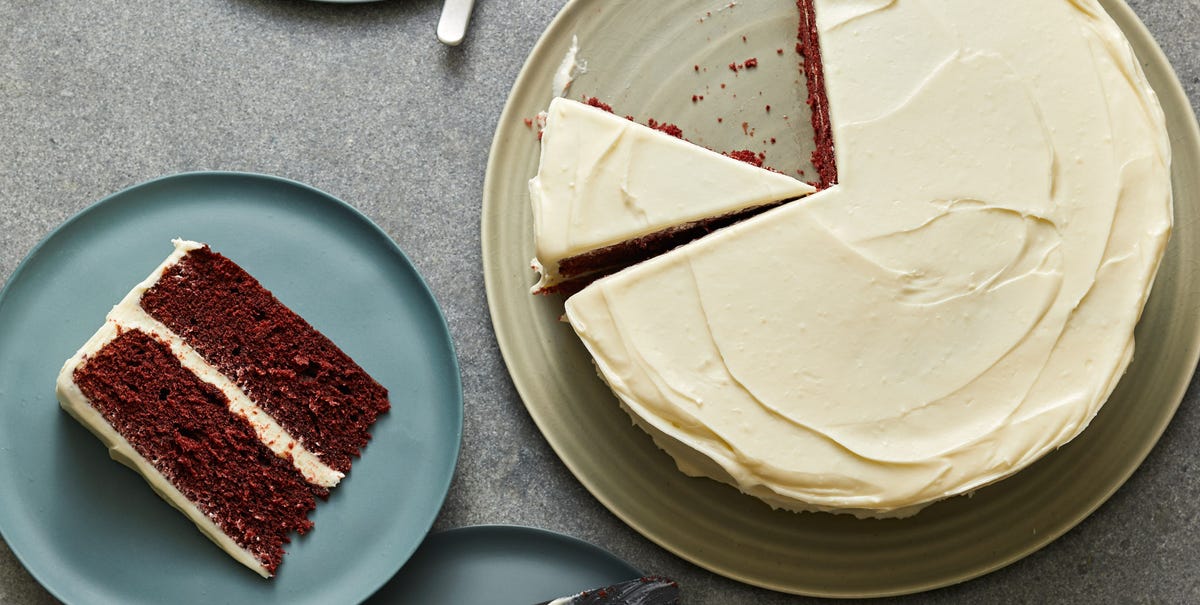
Red velvet cake is the dessert equivalent of walking into a party wearing a red tuxedo: dramatic, charming, and absolutely aware of its own good looks. But behind that bold crimson crumb is a cake with real personality. It is not simply chocolate cake in a red costume, and it is not vanilla cake having an identity crisis. A proper red velvet cake sits deliciously between worlds: lightly chocolaty, softly tangy, buttery, tender, and finished with a frosting that makes people suddenly “just need a tiny second slice.” Funny how that tiny slice often requires a full dessert plate.
At its best, red velvet cake is all about balance. The cocoa should whisper, not shout. The buttermilk should bring a gentle tang. The crumb should feel plush and fine, which is why the word “velvet” matters. The color may grab attention first, but the texture is the real reason this cake has survived changing food trends, bakery fads, Valentine’s Day menus, Southern celebrations, birthday parties, and approximately nine million cupcake shop windows.
This guide explores what red velvet cake is, where it came from, how to make it taste better, why the frosting matters, and how to avoid the most common mistakes. Consider it your friendly road map to a cake that looks fancy but still has the soul of a homemade classic.
What Is Red Velvet Cake?
Red velvet cake is a soft, moist layer cake traditionally made with flour, sugar, butter or oil, eggs, cocoa powder, buttermilk, vinegar, vanilla, baking soda, and red coloring. The result is a cake with a mild cocoa flavor, a slight acidic brightness, and a tender crumb that feels smoother than a standard yellow cake or a dense chocolate cake.
The most common modern version is paired with cream cheese frosting, which adds tang and richness. Older versions often used ermine frosting, also called boiled milk frosting or cooked flour frosting. Ermine frosting is lighter, silkier, and less sweet than many buttercreams, making it a strong choice for anyone who wants a more vintage red velvet cake experience.
Is Red Velvet Just Chocolate Cake?
No. Red velvet cake contains cocoa, but usually only a small amount. A chocolate cake is built around deep cocoa or melted chocolate flavor. Red velvet uses cocoa more like a seasoning. It gives the cake warmth and depth without taking over the whole room like a chocolate opera singer.
The real signature comes from the combination of cocoa, buttermilk, vinegar, vanilla, and frosting. That mix creates a flavor that is slightly chocolaty, slightly tangy, lightly sweet, and creamy once frosted. If a red velvet cake tastes only like sugar and food coloring, something has gone terribly wrongpossibly emotionally, definitely culinarily.
A Brief History of Red Velvet Cake
The story of red velvet cake is part baking science, part American food folklore, and part dessert gossip. The word “velvet” was used in the 19th century to describe cakes with a fine, soft crumb. These cakes were considered more refined than coarse-textured cakes, and bakers often used ingredients like cocoa, cornstarch, or acidic dairy to soften the structure.
Early relatives of red velvet include mahogany cake and devil’s food cake. Mahogany cake used cocoa and acidic ingredients such as buttermilk or vinegar, which helped create a tender texture and sometimes a reddish-brown color. Natural cocoa powder, before widespread alkalizing, had a more reddish tone when combined with acidic ingredients. That natural color was far more muted than today’s bright bakery-window red, but it helped set the stage for the modern version.
By the 20th century, red velvet cake had become tied to American hotels, department stores, home kitchens, Southern baking traditions, and commercial food coloring. The Waldorf-Astoria Hotel is often connected to red velvet lore, though the exact origin remains debated. During the Great Depression era, food coloring companies also helped popularize the cake by encouraging bakers to use red dye for a more dramatic result. In other words, red velvet did not become famous by accident; it had a marketing department before cakes were supposed to have marketing departments.
Why Red Velvet Cake Is Red
Today, red velvet cake is usually red because of food coloring. Gel coloring gives a stronger shade with less liquid, while liquid coloring is more traditional but may require a larger amount. Some bakers prefer natural coloring from beet powder, beet puree, pomegranate powder, or other plant-based options. These can work, but they often create a deeper burgundy or reddish-brown color rather than the classic bright red.
The original reddish tone was likely much subtler. Natural cocoa reacting with acidic ingredients could produce a warm red-brown hue. Modern Dutch-process cocoa is alkalized, which lowers acidity and changes both color and reaction. That is why many red velvet recipes call for natural unsweetened cocoa powder instead of Dutch-process cocoa. The type of cocoa matters more than it seems; this is cake, yes, but it is also tiny edible chemistry wearing frosting.
Key Ingredients That Make Red Velvet Cake Work
Buttermilk
Buttermilk is essential for classic red velvet cake. It adds acidity, moisture, and a gentle tang. It also helps tenderize the crumb, giving the cake that soft, velvety texture people expect. If you do not have buttermilk, you can make a substitute by combining milk with a small amount of lemon juice or vinegar, then letting it sit for several minutes. Real buttermilk still gives the best flavor, but the substitute can save the day when your grocery planning has betrayed you.
Cocoa Powder
Use natural unsweetened cocoa powder for a traditional flavor. The cocoa should be present but restrained. Too much cocoa pushes the cake toward chocolate cake territory. Too little makes the cake taste like red vanilla cake, which is not a crime, but it is also not the assignment.
Vinegar and Baking Soda
White vinegar and baking soda help with lift and texture. When combined with other acidic ingredients, they support a lighter crumb. Many classic recipes add vinegar near the end of mixing, sometimes stirred together with baking soda before folding into the batter. This little fizzy moment may look like a science fair project, but it helps the cake rise properly.
Butter, Oil, or Both
Butter gives flavor. Oil gives moisture. Some bakers use only oil for a very moist cake, while others use butter for a richer taste. A combination can offer the best of both: flavor from butter and softness from oil. If you want a red velvet cake that stays moist after refrigeration, a little oil is your friend.
Vanilla
Vanilla rounds out the flavor and keeps the cocoa from tasting harsh. Red velvet cake should taste warm and balanced, not bitter or flat. A good vanilla extract adds that bakery-style aroma that makes people wander into the kitchen pretending they came in “just to check something.”
Cream Cheese Frosting vs. Ermine Frosting
Cream cheese frosting is the modern favorite. It is tangy, rich, smooth, and easy to make. The combination of cream cheese, butter, powdered sugar, and vanilla creates a frosting that pairs beautifully with the cake’s mild cocoa flavor. It is also forgiving, which is helpful if your frosting skills are less “pastry chef” and more “hope and a spatula.”
Ermine frosting is the old-school choice. It starts with cooked milk and flour, which are cooled and then whipped with butter and sugar. The result is fluffy, silky, and less sweet than cream cheese frosting. It has a clean finish and lets the cake flavor shine. If cream cheese frosting is a plush velvet sofa, ermine frosting is a vintage silk scarf: elegant, light, and quietly impressive.
Which one is better? That depends on the occasion. For birthdays, potlucks, and classic American celebrations, cream cheese frosting is familiar and beloved. For a historically inspired cake with a lighter finish, ermine frosting is worth trying. Either way, the frosting should complement the cake, not bury it under a snowdrift of sugar.
How to Make Red Velvet Cake Taste Better
Do Not Overmix the Batter
Overmixing develops gluten, which can make the cake tough. Mix the dry and wet ingredients until just combined. A smooth batter is good; a batter beaten into submission is not.
Measure the Flour Correctly
Too much flour is one of the fastest ways to ruin a cake. Use the spoon-and-level method or, even better, a kitchen scale. A dry red velvet cake is basically a red sponge with frosting, and nobody invited that to the party.
Use Room-Temperature Ingredients
Room-temperature eggs, buttermilk, butter, and cream cheese mix more evenly. This creates a smoother batter and frosting. Cold ingredients can cause curdling, lumps, or uneven texture.
Choose the Right Pan
Two 8-inch or 9-inch round cake pans are common for layer cakes. A 9-by-13-inch pan works well for a casual sheet cake. Cupcakes are also popular because red velvet adapts beautifully to individual servings. Plus, cupcakes let everyone pretend portion control is happening.
Let the Cake Cool Completely
Never frost warm cake. The frosting will melt, slide, and behave like it has somewhere else to be. Cool the layers completely before assembling. For cleaner layers, chill the cake briefly before frosting.
Common Red Velvet Cake Mistakes
The first mistake is using too much food coloring and forgetting flavor. Color should support the cake, not replace taste. A beautiful red cake that tastes like sweet air is disappointing, no matter how photogenic it is.
The second mistake is skipping the acidic ingredients. Buttermilk and vinegar are not random old-fashioned quirks. They are part of the cake’s structure and flavor. Without them, the crumb can lose its signature tenderness.
The third mistake is using too much cocoa. Red velvet cake should not taste like devil’s food cake. Keep the cocoa moderate and let the tangy, creamy, vanilla-cocoa balance come through.
The fourth mistake is frosting too aggressively. A thick layer of frosting is wonderful, but if the frosting is too sweet or too heavy, it can overwhelm the cake. Red velvet is already dramatic; it does not need a frosting bodyguard.
Serving Ideas for Red Velvet Cake
Red velvet cake is perfect for birthdays, Valentine’s Day, Christmas, anniversaries, bridal showers, Juneteenth gatherings, and dinner parties. Its color makes it festive, while its flavor is gentle enough to please people who do not want an intense chocolate dessert.
For a classic presentation, make a two-layer cake with cream cheese frosting and decorate the top with cake crumbs. For a cleaner modern look, use smooth frosting, white chocolate curls, or fresh berries. For a Southern-inspired table, add chopped pecans around the sides. For a casual party, bake red velvet cupcakes and pipe frosting high enough to make everyone briefly forget their responsibilities.
Red velvet also pairs well with coffee, milk, black tea, sparkling wine for adults, or a simple scoop of vanilla ice cream. The cake is rich enough to feel special but not so heavy that guests need a strategy meeting before dessert.
Red Velvet Cake Variations
Red Velvet Cupcakes
Cupcakes are easy to serve and decorate. They bake faster than layer cakes and are ideal for parties, bake sales, and lunchbox treats. The same flavor rules apply: mild cocoa, buttermilk tang, and a smooth frosting.
Red Velvet Sheet Cake
A sheet cake is practical, especially for crowds. It skips the drama of stacking layers while still delivering the same flavor. It is the sweatpants version of red velvet cake: comfortable, reliable, and still capable of looking cute.
Natural Red Velvet Cake
For a less artificial approach, use natural cocoa and plant-based coloring. Beet powder or beet puree can add color, though the shade may be more earthy than bright red. Keep in mind that natural color can fade during baking, so manage expectations. You may get “elegant burgundy” instead of “fire truck at a birthday party.”
Gluten-Free Red Velvet Cake
Gluten-free versions can be excellent when made with a reliable flour blend. Because red velvet cake depends on tenderness, gluten-free flour can work well, especially when paired with buttermilk, oil, and careful mixing.
How to Store Red Velvet Cake
Because cream cheese frosting contains dairy, frosted red velvet cake should be stored in the refrigerator. Keep it covered to prevent it from drying out or absorbing refrigerator odors. Nobody wants cake with a suspicious hint of leftover onion.
For best texture, bring slices to room temperature before serving. Cold cake can taste firm and muted, while room-temperature cake feels softer and more flavorful. Unfrosted cake layers can be wrapped tightly and frozen for future use. Thaw them in the refrigerator, then frost once fully defrosted.
Kitchen Experiences: What Red Velvet Cake Teaches You
Red velvet cake has a funny way of making bakers feel both confident and humble. The first time you make it, the batter looks so dramatic that you may think success is guaranteed. It is red, glossy, and theatrical. Surely anything that colorful must know what it is doing. Then the cake comes out slightly domed, the crumbs cling to the frosting, and suddenly you understand why bakeries charge actual money for smooth sides.
One of the best experiences with red velvet cake is learning that small choices matter. A little too much flour can make the crumb heavy. Cold cream cheese can leave stubborn frosting lumps. Too much cocoa can push the flavor off course. But when everything comes togetherthe buttermilk, cocoa, vinegar, vanilla, and frostingthe result feels like more than a recipe. It feels like a small kitchen victory.
Red velvet is also a people cake. It gets reactions before anyone takes a bite. Put a red velvet layer cake on a table and guests lean in. Someone will say, “Oh wow.” Someone else will ask whether you made it from scratch. A third person will claim they only want a small slice, then return later with the stealth of a dessert raccoon. This cake creates conversation, and that is part of its charm.
Another memorable part of baking red velvet is the frosting decision. Cream cheese frosting is the dependable crowd-pleaser. It spreads easily, tastes familiar, and gives that tangy finish people expect. Ermine frosting, however, feels like discovering a secret room in an old house. It is softer, lighter, and surprisingly elegant. Serving red velvet with ermine frosting can turn a simple dessert into a history lessonexcept everyone is too busy eating to complain about learning.
There is also something satisfying about the contrast. Red cake, white frosting, clean slices, soft crumb. Even imperfect homemade red velvet looks generous and celebratory. A slightly crooked layer does not ruin it. A few crumbs in the frosting do not matter. In fact, red velvet may be at its best when it looks homemade enough to be trusted.
For many bakers, red velvet becomes attached to occasions: birthdays, holidays, family dinners, school events, Valentine’s parties, or Sunday afternoons when the only real plan is “cake would improve morale.” It is festive without being fussy, nostalgic without being boring, and classic without feeling dusty. That combination explains why red velvet cake keeps coming back, no matter how many dessert trends try to steal the spotlight.
The biggest lesson? Red velvet cake rewards patience. Let the ingredients come to room temperature. Mix gently. Cool completely. Frost slowly. Chill if needed. Slice with a clean knife. Then watch as the room gets quieter for a few seconds after the first bites. That silence is not awkward; it is applause with frosting.
Conclusion
Red velvet cake is famous for its color, but its real magic lies in texture and balance. The best versions are tender, moist, lightly chocolaty, gently tangy, and finished with frosting that enhances rather than overwhelms. Its history may be debated, but its staying power is not. From vintage mahogany-style cakes to modern cream cheese-frosted showstoppers, red velvet has earned its place as one of America’s most beloved desserts.
Whether you bake it as a towering layer cake, a simple sheet cake, or a tray of cupcakes, focus on the fundamentals: natural cocoa, buttermilk, vinegar, careful mixing, proper cooling, and a frosting that matches your taste. Do that, and red velvet cake becomes more than a pretty dessert. It becomes the cake people remember, request, and quietly hope has one more slice waiting in the fridge.












