
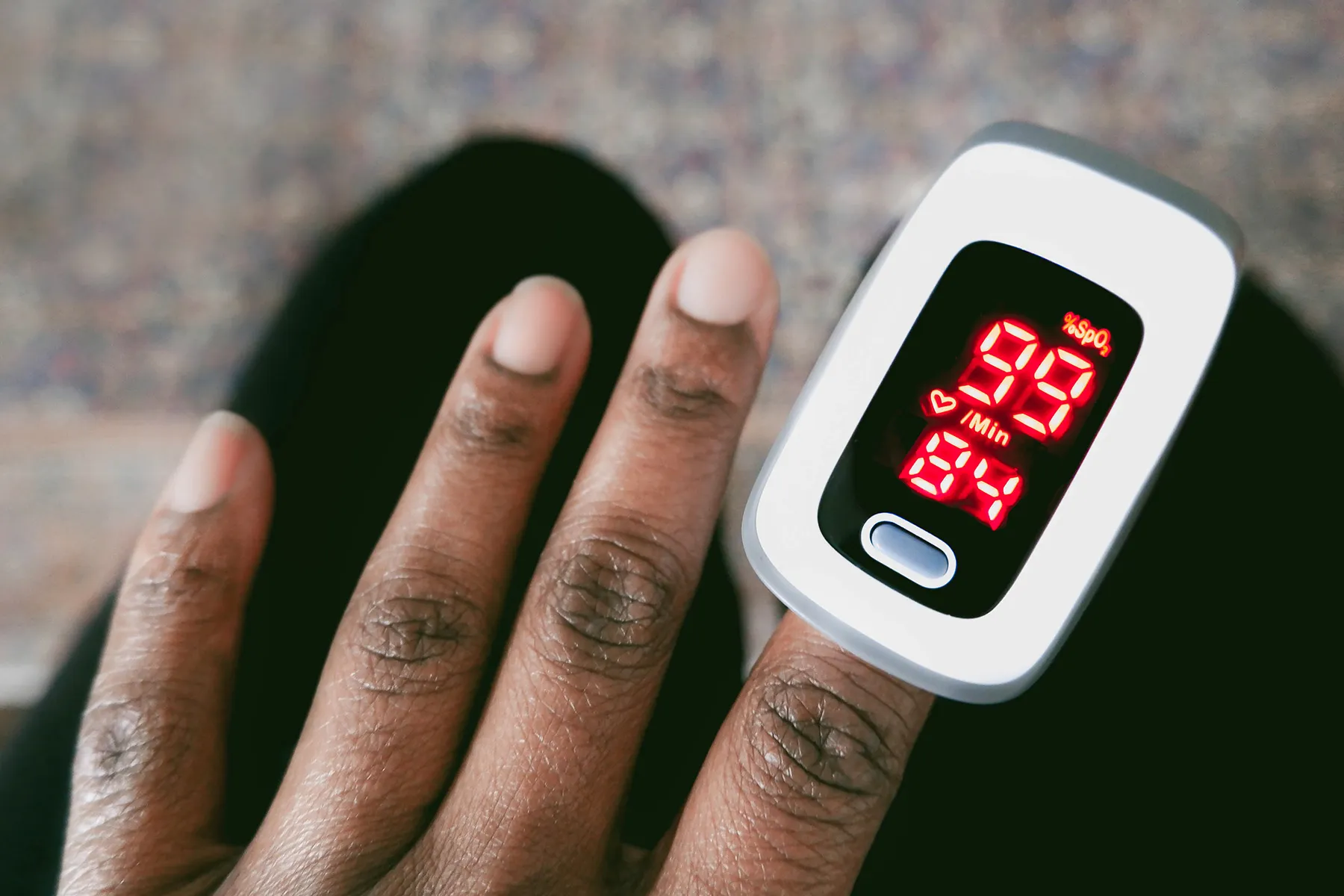
Pulse oximetry sounds like one of those medical terms designed to make ordinary people quietly back away from the exam room door. In reality, it is one of the simplest tests in modern medicine. A pulse oximeter is that tiny glowing clip often placed on your finger, toe, ear, or forehead to estimate how much oxygen is riding around in your red blood cells. It works fast, does not involve needles, and usually takes less time than deciding whether your cough is “seasonal” or “a sign I should finally call the doctor.”
The test measures oxygen saturation, often written as SpO2, along with your pulse rate. That makes it useful in hospitals, clinics, emergency rooms, sleep evaluations, and home monitoring for some people with lung or heart conditions. It is especially handy because it gives healthcare providers a quick snapshot of how well oxygen is reaching your body without drawing blood every five minutes like a vampire with a medical license.
Still, pulse oximetry is not magic. It is a helpful estimate, not a crystal ball. Readings can be affected by movement, cold hands, nail polish, poor circulation, skin pigmentation, and other factors. That means the number matters, but context matters more. Symptoms, medical history, and sometimes additional testing are what turn a blinking gadget into real clinical information.
What Is a Pulse Oximetry Test?
A pulse oximetry test is a noninvasive way to estimate the percentage of hemoglobin in your blood that is carrying oxygen. Hemoglobin is the protein in red blood cells that picks up oxygen in the lungs and delivers it throughout the body. When a pulse oximeter shines light through your skin, it analyzes how the light is absorbed and uses that information to estimate your oxygen saturation level.
In plain English, the device is trying to answer a very practical question: How well is oxygen getting into the bloodstream right now? That answer can help a healthcare professional decide whether you need closer monitoring, oxygen therapy, or more testing.
Pulse oximetry does not directly measure oxygen in the same way an arterial blood gas test does. It does not diagnose the exact cause of low oxygen, and it does not measure carbon dioxide levels. So while it is wonderfully convenient, it is still one piece of the medical puzzle, not the whole jigsaw box.
Uses of Pulse Oximetry
The biggest reason pulse oximetry is so widely used is simple: oxygen matters to every organ, every minute, every day. A low oxygen level can be a sign that the lungs are not moving oxygen well, that the heart is not circulating blood effectively, or that an acute illness is putting the body under stress. Because of that, pulse oximetry appears in a surprising number of situations.
1. Checking breathing and lung function
Doctors commonly use pulse oximetry when evaluating conditions such as asthma, pneumonia, COPD, interstitial lung disease, cystic fibrosis, and other breathing problems. If someone is short of breath, coughing hard, wheezing, or recovering from a lung infection, a quick oxygen saturation reading can help determine how urgent the problem may be.
2. Monitoring people in hospitals and clinics
In hospitals, pulse oximetry is often part of routine vital sign monitoring. It may be used during recovery after surgery, while receiving sedation, during emergency care, or when someone is being treated for a heart or lung condition. Continuous monitoring is common in situations where oxygen levels could change quickly.
3. Guiding oxygen therapy
For people who use supplemental oxygen, pulse oximetry can help show whether oxygen levels are staying in the target range recommended by a healthcare professional. That does not mean patients should constantly self-adjust oxygen without guidance, but it does help clinicians track whether treatment is working.
4. Home monitoring in selected cases
Pulse oximeters became especially well-known during the COVID era, when home monitoring drew attention to “silent hypoxemia,” a situation in which oxygen levels can fall even before someone looks obviously distressed. Today, home pulse oximetry may still be recommended for some people with respiratory illnesses, chronic lung disease, or recovery plans that involve watching symptoms closely.
5. Sleep and newborn screening
Pulse oximetry may also be used in sleep-related evaluations, especially when nighttime oxygen levels are part of the picture. In newborn care, pulse oximetry is used to help screen babies for certain critical congenital heart defects before hospital discharge. That is a very big job for a very small sensor.
Pulse Oximetry Procedure: What Happens During the Test?
One reason people like this test is that the pulse oximetry procedure is refreshingly uneventful. No fasting. No special outfit. No dramatic hospital soundtrack. In most cases, the test takes only seconds to a minute or two.
Where the sensor goes
The probe is most often clipped onto a fingertip. In some settings, it may be placed on an ear lobe, toe, foot, or forehead. The choice depends on the patient’s age, circulation, movement, and the type of device being used. For babies, the sensor may be wrapped gently around a hand or foot.
How the reading is taken
Once the probe is in place, the device shines light through the skin and detects changes in blood flow with each heartbeat. The machine then displays your estimated oxygen saturation and pulse. Some devices also show a pulse signal or waveform to help indicate whether the reading is reliable.
How to prepare for the most accurate reading
Preparation is minimal, but a few details can make a real difference:
- Rest for a few minutes before checking the reading.
- Keep your hand warm, relaxed, and still.
- Make sure the finger is clean and dry.
- Remove dark nail polish or artificial nails if possible.
- Avoid talking or moving around while the number is settling.
- Wait for the reading to become steady before recording it.
If you are using a home device, read the manufacturer’s instructions. Different devices have slightly different designs, and some are better for spot checks while others are intended for more continuous monitoring. Yes, this is one of those rare times when reading the manual actually improves your life.
Pulse Oximetry Risks and Limitations
The good news is that pulse oximetry is generally considered very safe. Because it is noninvasive, there is no needle, no blood sample, and usually no pain. For most people, the biggest inconvenience is having to hold still when they would rather be scrolling, texting, or dramatically Googling symptoms.
Physical risks
Physical risks are minimal. Some people may develop mild skin irritation from adhesive sensors, especially if the device stays on for a long time. Prolonged use in certain settings can occasionally lead to pressure marks, skin irritation, or nail-bed discomfort. These issues are uncommon in short routine checks.
The bigger issue: inaccurate readings
The most important “risk” of pulse oximetry is not the sensor itself. It is the possibility of a misleading number. A reading may look normal when oxygen is actually low, or it may look lower than expected because of technical issues. That is why healthcare professionals interpret pulse oximetry alongside symptoms, exam findings, and sometimes confirmatory testing.
What can affect accuracy?
Several factors are known to interfere with pulse oximeter performance:
- Cold hands or cold skin
- Poor circulation or low perfusion
- Movement or shaking
- Dark nail polish or artificial nails
- Skin pigmentation
- Skin thickness
- Current tobacco use
- Improper sensor placement
One especially important limitation is that pulse oximeters may be less accurate in some people with darker skin pigmentation. That does not make the technology useless, but it does mean the reading should be interpreted carefully. A normal-looking number should never override concerning symptoms like severe shortness of breath, chest pain, bluish lips, confusion, or obvious distress.
Understanding Pulse Oximetry Results
Here is the part most people care about: What do the numbers mean? A pulse oximeter usually displays an SpO2 percentage and a pulse rate. The SpO2 number estimates how saturated your hemoglobin is with oxygen.
What is considered normal?
In many healthy adults at sea level, a pulse oximeter reading of about 95% to 100% is commonly considered within the normal range. But “normal” is not identical for every person in every situation. Someone with chronic lung disease may be given a different target range by their clinician, and factors like altitude can also change what is expected.
When is a reading low?
A reading below the usual range may suggest hypoxemia, which means lower-than-expected oxygen in the blood. Many clinicians become more concerned when SpO2 drops under 90%, but the exact meaning depends on the person, the trend, the symptoms, and the clinical setting. A single number is useful; a pattern is often more useful.
For example, a person with a reading of 94% who feels fine may not have the same urgency as a person whose level falls from 98% to 94% while becoming more short of breath. Likewise, someone with COPD may have a personal target that is different from that of a healthy young athlete. Medicine loves context almost as much as the internet loves overreaction.
Why trends matter
The trend over time can matter more than one isolated result. If readings are gradually falling, if symptoms are worsening, or if the device repeatedly shows unexpected numbers despite good technique, that is a signal to contact a healthcare professional. Pulse oximetry works best when paired with common sense and clinical judgment.
When more testing is needed
If pulse oximetry suggests a problem, a clinician may order further evaluation such as arterial blood gas testing, imaging, lung function testing, cardiac evaluation, or lab work. Pulse oximetry can point toward a problem, but it does not explain the whole story on its own.
When a Pulse Oximeter Reading Should Not Be Ignored
A pulse oximeter is helpful, but it is not the boss of your body. If you have concerning symptoms, seek medical attention even if the number seems “not that bad.” Symptoms that deserve attention include:
- Shortness of breath that is new, worsening, or severe
- Chest pain
- Confusion, trouble waking up, or unusual drowsiness
- Bluish or gray lips, face, or nail beds
- Rapid breathing, wheezing, or visible breathing effort
- A reading that remains unexpectedly low or keeps dropping
In other words, do not let a gadget talk you out of getting help. Pulse oximetry is a useful checkpoint, not permission to ignore obvious red flags.
Common Real-World Experiences With Pulse Oximetry
Experiences with pulse oximetry are usually less dramatic than people expect, but they can be surprisingly emotional. For some patients, the device is reassuring. For others, it becomes a tiny source of obsession, clipped onto the finger every twenty minutes like a suspicious roommate checking the thermostat.
One common experience happens in urgent care or the emergency department. A person walks in with cough, fever, or chest tightness and expects a long complicated workup right away. Instead, one of the first things a nurse does is clip on the pulse oximeter. Within seconds, that number helps staff judge how urgently the lungs and circulation may need attention. Patients often remember this moment because it feels so simple compared with the big question behind it: “Am I getting enough oxygen?”
Another common experience shows up after surgery. People wake up groggy, slightly annoyed, and vaguely convinced that every machine in the room is beeping just to be rude. The pulse oximeter stays on because anesthesia, pain medicine, and post-op breathing patterns can affect oxygen levels. Patients may not love the finger clip, but it quietly does important work while they focus on waking up and asking when they can drink water again.
Home monitoring creates a different kind of experience. Some people with chronic lung disease describe the pulse oximeter as empowering because it gives them a concrete number to report when symptoms change. Instead of saying, “I feel kind of off,” they can say, “My oxygen was 97% yesterday and today it keeps dropping to 91% when I walk to the kitchen.” That kind of detail can help a clinician decide whether the issue sounds urgent.
But home use also teaches people that numbers can be moody. A cold hand may produce a terrible reading. Moving around may confuse the device. A shaky finger, bright light, or chipped dark nail polish can turn a perfectly calm morning into five minutes of unnecessary panic. Many users learn, after one or two false alarms, to warm the hand, sit still, and recheck before assuming the sky is falling.
Parents often have their own pulse oximetry stories. In pediatric care, the device can feel both comforting and stressful. Comforting because it is painless. Stressful because a squirmy child is not exactly a research-grade statue. Parents may watch the number bounce around while trying to keep a baby or toddler still enough for a decent reading. In newborn screening, the experience is usually brief and routine, but it can also be profoundly important because pulse oximetry may help identify serious heart problems before a baby appears obviously ill.
Clinicians, for their part, often describe pulse oximetry as invaluable but imperfect. It is one of the fastest ways to spot trouble, track trends, and guide care. At the same time, experienced clinicians know not to worship the number. They look at breathing effort, skin color, speech, mental status, pulse waveform, and the overall clinical picture. A calm-looking monitor cannot always cancel out a patient who looks genuinely sick.
There is also the growing public awareness that pulse oximeters do not perform equally well in all situations. For many patients, learning that skin pigmentation can affect accuracy has changed how they interpret readings. Rather than assuming the number is absolute truth, people are becoming more cautious and more informed. That is a good shift. Better understanding does not make the test less valuable; it makes people use it more wisely.
The most practical lesson from real-world experience is this: pulse oximetry is best when used calmly, correctly, and in context. It is a great tool for spot-checking oxygen, monitoring trends, and helping guide care. It is not meant to replace professional judgment, careful symptom tracking, or emergency evaluation when someone looks or feels seriously unwell.
Final Thoughts
The pulse oximetry test has earned its place in modern medicine because it is quick, painless, portable, and useful in an impressive range of settings. It can help monitor breathing problems, guide oxygen therapy, support home monitoring plans, and even help screen newborns for serious heart conditions. Not bad for a little glowing clip.
But the smartest way to use pulse oximetry is to respect both its strengths and its limits. It gives an estimate, not a diagnosis. It works best when the sensor is used properly and when the result is interpreted together with symptoms and medical judgment. If the reading looks strange, repeat it carefully. If the symptoms are severe, get help whether the number cooperates or not.
In short, pulse oximetry is a terrific tool, but it should never be the only voice in the room. Your symptoms, your history, and your clinician’s judgment still get the final vote.











