
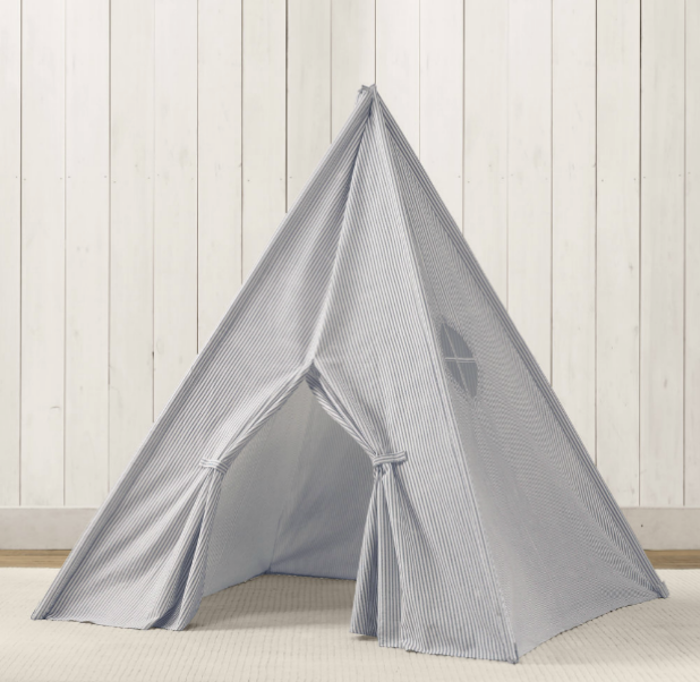
A printed canvas play tent is one of those rare children’s products that can turn a quiet corner of the living room into a reading nook, pirate ship, bakery, rocket station, stuffed-animal hospital, or top-secret snack headquarters. It looks charming in a nursery or playroom, folds away more easily than a permanent playhouse, and gives children something every imaginative kid secretly wants: a little world of their own.
Unlike plastic pop-up tents that often feel temporary, a canvas play tent has a softer, sturdier, more decorative personality. Add a playful printstars, florals, stripes, woodland animals, rainbows, safari patterns, or modern geometric shapesand suddenly the tent becomes both a toy and a design feature. Parents get a room accent. Kids get a clubhouse. Everyone wins, except maybe the family dog, who may discover the tent has been declared “kids only” by a three-year-old mayor.
This guide explains what a printed canvas play tent is, why families love it, how to choose a safe and durable one, and how to style, clean, and use it in real everyday life.
What Is a Printed Canvas Play Tent?
A printed canvas play tent is an indoor play structure made with canvas fabric, usually stretched over a lightweight frame made from wood, plastic, or metal. The “printed” part refers to decorative patterns on the fabric, which can range from soft nursery-friendly designs to bold adventure themes.
Most canvas play tents are designed for toddlers, preschoolers, and young children. Common styles include teepee tents, A-frame tents, collapsible house tents, canopy-style tents, and small play tents with windows, doors, tie-back flaps, or matching floor mats. Some are simple and minimal, while others come with garlands, cushions, lights, storage bags, or personalized name panels.
The best printed canvas play tent is not just cute. It should be stable, breathable, age-appropriate, easy to supervise, and simple to clean. It should also fit your home without requiring you to rearrange the entire living room like you are preparing for a furniture-themed obstacle course.
Why Printed Canvas Play Tents Are So Popular
They Encourage Imaginative Play
Children do not need a complicated toy to create a complicated story. Give them a tent and a few props, and the plot thickens quickly. One minute it is a library. Five minutes later it is a dragon cave. By lunch, it may be a restaurant with a strict policy against broccoli.
Open-ended toys like play tents support pretend play because they do not tell children exactly what to do. A printed canvas tent can become whatever the child needs it to be. That flexibility helps children practice storytelling, problem-solving, cooperation, language, and emotional expression. It is also a healthier alternative to toys that rely heavily on screens, sounds, or flashing buttons to do the entertaining.
They Create a Cozy Personal Space
Kids love small spaces because small spaces feel manageable. A canvas tent gives them a cozy retreat where they can read, rest, build with blocks, play with dolls, or simply take a break from the busy household world. For some children, it becomes a calming corner. For others, it becomes the headquarters of a very serious stuffed bear committee.
They Add Style to a Room
A printed canvas play tent can be part of the room design. A muted floral print softens a nursery. A stripe pattern adds classic charm. A jungle print brings adventure to a playroom. A neutral canvas with tiny stars can blend into a modern home without screaming, “A toy store exploded here.”
Because canvas has a natural texture, it often looks warmer and more elevated than shiny synthetic fabric. Parents who care about interior design appreciate that the tent can look intentional rather than like a temporary plastic spaceship landed beside the sofa.
Benefits of Choosing Canvas Over Plastic
Canvas is one of the main reasons these tents feel special. It has structure, texture, and a more timeless look than thin plastic or nylon. While not every canvas tent is the same, many high-quality options use cotton canvas or cotton-blend canvas, which can feel breathable and soft to the touch.
Durability
Canvas is usually thicker than the fabric found on many pop-up play tents. That matters when the tent becomes a castle wall, reading cave, puppet theater, and emergency hiding place during cleanup time. A sturdy canvas cover can handle normal child play better than flimsy materials, especially when paired with reinforced seams and a stable frame.
Comfort
Canvas has a soft, natural feel that works well for indoor play. It is not cold or crinkly, and it pairs nicely with cushions, rugs, blankets, and padded mats. A child is more likely to use the tent regularly if it feels comfortable, not like a camping supply bag with a roof.
Better Decorative Appeal
Printed canvas can carry patterns beautifully. The fabric texture makes prints feel softer and more premium. Whether the design is whimsical or minimalist, a printed canvas play tent can become a focal point instead of visual clutter.
How to Choose the Best Printed Canvas Play Tent
1. Check the Recommended Age Range
Always start with the age recommendation. A tent for a preschooler may not be appropriate for a baby or young toddler, especially if it has cords, small accessories, detachable decorations, or a frame that requires more careful use. Look for clear labeling and choose a product that matches your child’s age, size, and behavior.
2. Look for a Stable Frame
A beautiful tent is not very useful if it collapses every time a child sneezes near it. Look for sturdy poles, secure connectors, and a design that sits evenly on the floor. Natural wood poles, especially pine, are common in many higher-end canvas tents. Plastic connectors can also work well if they are strong and well-fitted.
If the tent has crossbars, floor anchors, or tie points, make sure they are easy for adults to assemble and difficult for children to loosen during play. The frame should feel steady, not wobbly.
3. Choose Safe, Breathable Fabric
Canvas tents should allow airflow. Windows, open door flaps, mesh panels, or tie-back openings can help keep the interior comfortable. Avoid designs that feel overly enclosed, especially for younger children. A play tent should feel cozy, not stuffy.
For fabric safety, parents may want to look for certifications such as OEKO-TEX Standard 100, which indicates textiles have been tested for harmful substances, or GREENGUARD Gold certification for low chemical emissions when available. Certifications are not the only sign of quality, but they can add confidence when comparing similar products.
4. Inspect the Print Quality
A printed canvas play tent should have a design that looks good up close and holds up over time. Check product photos for faded printing, uneven color, or patterns that do not line up neatly. If the tent is for a shared playroom, choose a print that works for multiple ages and interests. Dinosaurs are excellent, but not every child wants to live inside Jurassic wallpaper for three years.
5. Measure Your Space First
Play tents look smaller online than they feel in a real room. Before buying, measure the floor area and height. A tent that is roughly 40 to 50 inches wide can fit many bedrooms or playrooms, but larger teepees may need more clearance. Leave space around the opening so children can enter and exit without crashing into furniture.
6. Consider Storage and Portability
Some canvas tents collapse quickly, while others need partial disassembly. If you plan to move the tent between rooms or store it between play sessions, look for a foldable frame, lightweight construction, and a storage bag. If the tent will stay in one corner permanently, storage may matter less than stability and style.
7. Read the Care Instructions
Many canvas play tents are spot-clean only. That is fine for light use, but it means you should act quickly when juice, marker, or mystery sticky fingerprints appear. Some covers may be removable, but not all are machine washable. Check the label before assuming you can toss the whole thing into the washer after a glitter incident.
Popular Printed Canvas Play Tent Styles
Teepee-Style Canvas Tents
Teepee-style tents are among the most popular choices. They usually have four or more poles tied near the top, creating a classic triangular shape. Printed teepees are great for reading corners and imaginative play because they feel enclosed without taking up too much floor space.
A-Frame Play Tents
A-frame tents have a clean, simple shape that works well in modern spaces. They often look like a tiny camping tent or indoor cabin. The wide opening makes supervision easy, and the shape can be more stable for younger children when properly built.
House-Style Play Tents
House-style canvas tents may include windows, doors, peaked roofs, and charming printed walls. These feel more like a miniature room, making them ideal for pretend kitchens, doll play, or quiet reading. They can take up more space but often deliver maximum “wow” factor.
Canopy Tents
Canopy play tents hang from the ceiling or a central support and drape down around a floor cushion or rug. Printed canopies are dreamy and decorative, but installation matters. Make sure the canopy is safely mounted and does not create a pulling or entanglement hazard.
Best Prints and Patterns for a Canvas Play Tent
The print should match both your child’s personality and your home’s style. A great pattern invites play without overwhelming the room.
Neutral Prints
Stars, dots, stripes, moons, tiny rainbows, and simple line drawings are easy to style. These prints grow with children and work in many spaces. They are a smart choice if the tent will be used by siblings or passed down.
Nature-Inspired Prints
Woodland animals, leaves, mountains, clouds, flowers, and safari animals bring outdoor energy indoors. These prints are perfect for children who love animals, camping stories, or nature-themed rooms.
Bold Adventure Prints
Space, dinosaurs, maps, castles, oceans, and vehicles can make the tent feel like a complete play environment. These prints are exciting, but choose carefully. A bold theme may be adored today and declared “too babyish” next year by a very confident five-year-old.
How to Style a Printed Canvas Play Tent
A play tent becomes more useful when it is styled with comfort and function in mind. Start with a soft rug or padded mat underneath. Add two or three washable cushions, a small basket of books, and a lightweight blanket. Keep the interior simple so children have room to move.
For reading corners, place the tent near natural light or add a battery-operated lantern designed for children. Avoid hot bulbs, long cords, or anything that could become a hazard. For pretend play, rotate props weekly: play food one week, stuffed animals the next, then costumes, toy tools, or a basket of puppets.
Do not overfill the tent. Children need space to invent. Too many accessories can turn a magical hideout into a laundry pile with a roof.
Safety Tips for Using a Printed Canvas Play Tent
Safety begins before the tent enters the house. Buy from a reputable seller, read the product description, check the age grade, and inspect the tent after assembly. Make sure there are no sharp edges, loose screws, splinters, broken connectors, or small detachable parts that could create a choking risk.
Place the tent away from stairs, heaters, fireplaces, candles, lamps, blind cords, and heavy furniture that children might climb. Indoor play tents are not sleeping products, and they should not be used as unsupervised sleep spaces. Keep the door opening accessible and avoid tying flaps in a way that traps a child inside.
If the tent includes string lights, use only lights intended for children’s spaces, follow the manufacturer’s directions, and keep battery packs secure. Skip decorative cords or long garlands for very young children.
Cleaning and Maintenance
Canvas is durable, but it still needs care. Vacuum or shake out crumbs regularly, because play tents have a magical ability to collect crackers, cereal, and tiny socks. Spot clean stains with a soft damp cloth and mild soap if the care label allows it. Blot instead of rubbing hard, which can damage the print or spread the stain.
Let the canvas air dry completely before folding or storing it. Moisture can cause musty smells, especially if the tent is tucked away in a closet too soon. For wooden poles, wipe with a dry or slightly damp cloth and check occasionally for rough spots or loose parts.
If the printed fabric begins to fade, rotate the tent away from direct sunlight. Strong sun can be tough on printed textiles, even indoors.
Printed Canvas Play Tent vs. Pop-Up Tent
Pop-up tents are lightweight, affordable, and easy to move. They are great for quick play and travel. However, they may not always offer the same decorative appeal, fabric feel, or long-term durability as a canvas tent.
A printed canvas play tent usually feels more like furniture. It is better for families who want a permanent play corner, a stylish nursery accent, or a higher-quality gift. It may cost more, but it often looks better and lasts longer with proper care.
Gift Ideas and Occasions
A printed canvas play tent makes a memorable gift for birthdays, holidays, baby showers, room makeovers, and “big sibling” surprises. To make the gift feel complete, pair it with a washable floor cushion, a small bookshelf, a set of picture books, plush animals, or a pretend-play kit.
For a personalized touch, choose a tent with the child’s name, initials, or favorite theme. Just remember that personalization can make returns harder, so double-check spelling. Nothing ruins a charming gift faster than a custom tent that says “Welcone, Emliy.”
Real-Life Experiences With Printed Canvas Play Tents
In everyday family life, a printed canvas play tent often becomes more than a decorative toy. It becomes a place where routines happen. One parent may use it as a morning reading spot before school. Another may keep it in the living room as a quiet corner for a toddler who needs a break after preschool. Grandparents may set one up in a guest room so visiting children have a familiar play zone.
The most successful setups tend to be simple. A soft mat, two pillows, a basket of books, and a small stuffed animal are usually enough. Children do not need a fully staged magazine corner to enjoy a tent. In fact, the less adults define the space, the more children can transform it. Today it is a camping tent. Tomorrow it is a bakery. On Friday, it may become a veterinary clinic where every stuffed animal receives a dramatic diagnosis and a bandage made from a napkin.
Parents often notice that the tent works best when it is placed where adults can still supervise. A corner of the living room, playroom, or child’s bedroom is ideal. If it is hidden too far away, younger children may ignore it or use it in ways that were not exactly included in the product photos, such as launching pillows from the entrance like a tiny indoor catapult.
Printed designs can also influence how children use the tent. A starry print may invite bedtime stories and space adventures. A floral tent may become a fairy garden or tea room. A striped canvas tent may feel like a circus booth, market stand, or beach cabana. The pattern gives children a starting point, but they usually improve the story with their own wonderfully strange details.
Another useful experience is rotating the items inside the tent. If the same toys stay there for months, the tent can become invisible. Changing the basket every week keeps it fresh. Try books on Monday, puppets on Wednesday, building blocks on Friday, and a pretend picnic set on the weekend. This rotation makes the tent feel new without buying a new toy every time boredom knocks on the door wearing superhero pajamas.
Cleaning habits matter too. Families who treat the tent like part of the room, rather than a temporary toy, tend to maintain it better. A quick weekly shake-out removes crumbs. A monthly frame check keeps poles and connectors secure. Spot cleaning right away prevents stains from becoming permanent residents. If snacks are allowed inside, choose dry snacks and prepare emotionally for crackers to appear in unexpected corners.
For small homes, the best experience usually comes from a collapsible printed canvas play tent. Being able to fold it away during parties, cleaning days, or furniture rearranging makes the product much more practical. For larger playrooms, a sturdier house-style tent may stay open all the time and become the room’s main imaginative-play zone.
One of the nicest things about a canvas play tent is that it grows with a child for several stages. A toddler may crawl in and out with stuffed animals. A preschooler may use it for pretend play. An early reader may turn it into a book nook. Even when children outgrow sitting inside for long periods, the tent may still work as a decorative storage corner for pillows, plush toys, or blankets.
The key is to choose a tent that fits your real life, not just your Pinterest board. If your child is energetic, choose stability and washable surfaces. If your home is compact, choose foldability. If the tent will sit in a shared space, choose a print you can happily look at every day. A printed canvas play tent should bring joy, not become another object you have to apologize for when guests come over.
Conclusion
A printed canvas play tent is a charming blend of toy, hideaway, and room decor. It encourages imaginative play, gives children a cozy personal space, and adds warmth to a nursery, bedroom, or playroom. The best options combine sturdy construction, breathable canvas, safe details, attractive prints, and easy care.
When choosing one, look beyond the pattern. Check the age range, frame stability, fabric quality, ventilation, care instructions, and available space in your home. With the right setup, a printed canvas play tent can become the most-loved corner of the house: part reading nook, part adventure base, and part snack negotiation office.












