
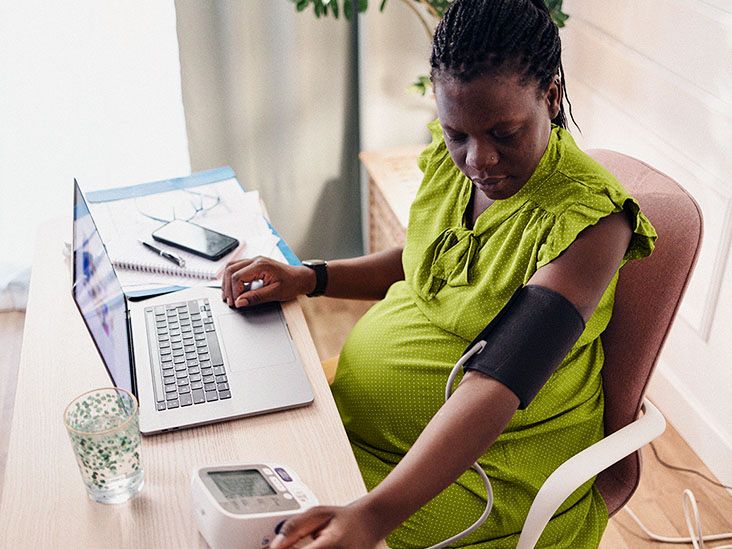
Pregnancy comes with plenty of surprises: cravings that make no culinary sense, ankles that seem to have joined a balloon animal convention, and a baby who treats your ribs like a tiny kickboxing gym. But some surprises are not cute, quirky, or fit for a scrapbook. Preeclampsia is one of them.
So, how quickly does preeclampsia start? The honest answer is: it can appear gradually, suddenly, or seem to arrive out of nowhere. Most cases begin after 20 weeks of pregnancy, often in the third trimester, but the underlying changes may be building silently before anyone notices. In some people, blood pressure creeps up over several appointments. In others, a routine prenatal visit suddenly turns into extra labs, monitoring, and a very serious conversation with the healthcare team.
This article explains how fast preeclampsia can develop, what early signs to watch for, why symptoms may be easy to miss, and when to seek urgent medical help. It is written for readers who want clear information without needing a medical dictionary, a blood pressure cuff manual, and a snack break every three paragraphs.
What Is Preeclampsia?
Preeclampsia is a pregnancy-related high blood pressure disorder that usually develops after the 20th week of pregnancy. It is more than “just high blood pressure.” It can affect the kidneys, liver, brain, lungs, blood clotting system, placenta, and baby’s growth. That is why doctors and midwives take it seriously, even when someone says, “But I feel mostly fine.”
In many cases, preeclampsia is diagnosed when a pregnant person has blood pressure readings of 140/90 mm Hg or higher after 20 weeks, plus protein in the urine or other signs that organs are under stress. Severe preeclampsia may involve very high blood pressure, severe headache, vision problems, low platelets, abnormal liver or kidney tests, fluid in the lungs, or pain in the upper abdomen.
The condition can be mild at first, but it can become dangerous quickly. Left untreated, preeclampsia can progress to eclampsia, which involves seizures, or HELLP syndrome, a serious complication involving red blood cell breakdown, elevated liver enzymes, and low platelet count. In plain English: this is not the kind of pregnancy issue to “walk off.”
How Quickly Does Preeclampsia Start?
Preeclampsia can start quietly over days, weeks, or even longer, but it may be detected suddenly. That distinction matters. The body may be developing blood vessel and placenta-related changes before symptoms appear. Then one day, a blood pressure reading, urine test, or headache raises the alarm.
For some people, the first clue is a slightly elevated blood pressure at a prenatal appointment. Their provider may repeat the reading, order urine testing, check bloodwork, and ask about symptoms. For others, preeclampsia may feel like a switch flipped: a pounding headache, blurry vision, intense swelling, or upper belly pain shows up fast. In severe cases, symptoms can worsen within hours or a few days.
The Short Answer
Preeclampsia usually starts after 20 weeks of pregnancy, most commonly closer to the third trimester. It can develop gradually, but it can also appear suddenly and progress quickly. Postpartum preeclampsia can also start after delivery, often within the first 48 hours, but it may occur up to six weeks after birth.
Early-Onset vs. Late-Onset Preeclampsia
Doctors often describe preeclampsia based on when it appears. Early-onset preeclampsia develops before 34 weeks of pregnancy. It is less common but can be more complicated because the baby may still need more time to grow. Late-onset preeclampsia develops at or after 34 weeks and is more common. Both types require close medical monitoring.
The timing can influence treatment. Near term, delivery may be the safest solution. Earlier in pregnancy, the care team may try to balance the pregnant person’s safety with giving the baby more time, depending on severity. That balancing act is delicate, like carrying a tray of soup while wearing roller skates, except the stakes are much higher.
Why Preeclampsia Can Feel Sudden
Many people are surprised by a preeclampsia diagnosis because they do not feel sick. That is one of the trickiest parts of the condition. High blood pressure often has no obvious symptoms, and mild preeclampsia may be discovered only during routine prenatal care.
Another reason preeclampsia feels sudden is that normal pregnancy symptoms can overlap with warning signs. Swollen feet? Common. Tired? Welcome to pregnancy. Nausea? Also common. But swelling of the face and hands, a headache that will not go away, vision changes, sudden weight gain, or pain in the upper right abdomen can signal something more serious.
The challenge is not to panic over every odd feeling. The challenge is to know which symptoms deserve a call to your provider right away. When in doubt, it is better to ask. Obstetric teams would much rather check on you early than have you stay home worrying because you did not want to “bother anyone.”
Common Early Signs of Preeclampsia
The first sign of preeclampsia is often high blood pressure found at a prenatal visit. Because you may not feel high blood pressure, regular checkups are essential. Other early signs can include protein in the urine, sudden swelling, or abnormal blood test results.
Symptoms That May Appear
Possible symptoms of preeclampsia include persistent headache, blurry vision, seeing spots, sensitivity to light, swelling of the face or hands, sudden weight gain, nausea or vomiting, pain in the upper right abdomen or shoulder area, shortness of breath, and feeling generally unwell. Some people also notice that their rings suddenly do not fit or their face looks unusually puffy.
However, preeclampsia can occur without obvious symptoms. That is why urine checks, blood pressure monitoring, and prenatal visits are not boring administrative rituals. They are the pregnancy version of a smoke detector: not glamorous, but extremely useful.
Emergency Warning Signs
Seek urgent medical care if you have a severe headache that does not improve, vision changes, chest pain, trouble breathing, severe swelling of the face or hands, severe upper abdominal pain, confusion, fainting, seizures, or blood pressure readings in the severe range if you are monitoring at home. If symptoms feel intense or alarming, do not wait for the next appointment.
Can Preeclampsia Start Overnight?
Yes, it can seem to start overnight. A person may feel normal one day and wake up the next with a severe headache, swelling, or a concerning blood pressure reading. In some cases, the condition has likely been developing quietly, but the noticeable signs appear suddenly.
Think of it like a storm system. The clouds may gather for a while, but the thunder can still feel sudden. Preeclampsia may involve changes in the placenta, blood vessels, inflammation, and organ function. Once those changes reach a tipping point, symptoms and test results can change quickly.
This is why providers may ask people with risk factors to monitor blood pressure at home, attend more frequent appointments, or complete extra lab tests. A single normal appointment does not guarantee that preeclampsia cannot develop later.
Who Is More Likely to Develop Preeclampsia?
Preeclampsia can happen to anyone, including people with no obvious risk factors. Still, certain factors increase the odds. These include a previous pregnancy with preeclampsia, chronic high blood pressure, kidney disease, diabetes, autoimmune conditions such as lupus, carrying twins or more, first pregnancy, pregnancy through IVF, age younger than 20 or older than 35 to 40, obesity, and a family history of preeclampsia.
Black women in the United States also face a higher risk of preeclampsia and severe maternal complications. This is not because of biology alone. Healthcare access, chronic stress, unequal treatment, social determinants of health, and systemic inequities all play a role. Good care requires listening to symptoms, taking concerns seriously, and responding quickly.
How Doctors Diagnose Preeclampsia
Diagnosis usually starts with blood pressure. If readings are elevated after 20 weeks of pregnancy, the healthcare team may repeat the measurement and order additional testing. A urine test may check for protein. Blood tests may evaluate platelet count, liver enzymes, and kidney function. Providers may also ask about headaches, vision symptoms, abdominal pain, breathing issues, and changes in swelling.
Sometimes, fetal monitoring or ultrasound is used to check the baby’s growth, amniotic fluid, and well-being. The placenta is the baby’s supply chain, and preeclampsia can interfere with that supply chain. Nobody wants a delayed shipment when the shipment is oxygen and nutrients.
How Fast Can Mild Preeclampsia Become Severe?
Mild preeclampsia can remain stable for a period of time, but it can also progress quickly. Some people worsen over weeks; others develop severe features within days. That is why follow-up is important even when symptoms are mild or absent.
Severe features may include blood pressure of 160/110 mm Hg or higher, severe headache, visual disturbances, low platelets, abnormal liver or kidney tests, fluid in the lungs, or intense upper abdominal pain. Once severe features appear, care usually becomes more urgent. Hospital monitoring, medication, magnesium sulfate to reduce seizure risk, and delivery planning may be needed.
Can Preeclampsia Start After Delivery?
Yes. Postpartum preeclampsia can develop after the baby is born. This surprises many families because delivery is often considered the “finish line.” In reality, the postpartum body is still going through major changes, and blood pressure can rise after birth.
Postpartum preeclampsia most often appears within the first couple of days after delivery, but it can occur later, even several weeks postpartum. Symptoms may include severe headache, vision changes, nausea or vomiting, abdominal pain, swelling, shortness of breath, or high blood pressure.
The postpartum period is busy, emotional, and sleep-deprived. It is easy to explain away symptoms as “new parent exhaustion.” But a severe headache or vision changes after birth should not be treated like a normal side effect of diapers, feeding schedules, and forgetting where you put your water bottle.
What Is the Treatment for Preeclampsia?
Treatment depends on how far along the pregnancy is, how severe the condition is, and how the baby is doing. The only true cure for preeclampsia is delivery of the baby and placenta, but that does not always mean immediate delivery in every case. Timing is a medical decision based on risks and benefits.
If preeclampsia is mild and the pregnancy is not yet near term, the provider may recommend close monitoring, frequent blood pressure checks, lab tests, urine testing, fetal monitoring, and sometimes medication. If preeclampsia is severe, hospitalization may be needed. Medications may be used to lower blood pressure, and magnesium sulfate may be given to help prevent seizures.
At or near term, delivery is often recommended. Earlier in pregnancy, the care team may try to safely prolong pregnancy if both parent and baby are stable, but severe symptoms can change the plan quickly.
Can Preeclampsia Be Prevented?
There is no guaranteed way to prevent preeclampsia, but risk can sometimes be reduced. For people at high risk, clinicians may recommend low-dose aspirin after 12 weeks of pregnancy. This should only be started after speaking with a healthcare provider, because personal medical history matters.
Other helpful steps include attending all prenatal appointments, managing chronic conditions such as hypertension or diabetes, reporting symptoms early, and following medical advice about home blood pressure monitoring. Healthy habits are useful, but preeclampsia is not caused by eating one salty pretzel or skipping one walk. No one should be blamed for developing it.
Practical Examples: How Preeclampsia May Show Up
Example 1: The Quiet Appointment Surprise
A pregnant person at 35 weeks feels fine except for normal fatigue. At a routine visit, their blood pressure is 148/94. The provider repeats it, checks urine, and orders bloodwork. Protein is found in the urine, and the diagnosis becomes preeclampsia. In this case, it may feel sudden because there were no obvious symptoms.
Example 2: The Headache That Refuses to Leave
Someone at 32 weeks develops a headache that does not improve with rest, fluids, or approved medication. Then blurry vision appears. At triage, blood pressure is very high. Labs show liver irritation. This is a more urgent pattern, and symptoms may have escalated quickly.
Example 3: The Postpartum Plot Twist
A new parent is home four days after delivery and develops a severe headache, swelling in the face, and shortness of breath. They assume they are simply exhausted. A blood pressure check shows a dangerous reading, and they are treated for postpartum preeclampsia. This is why postpartum warning signs matter.
What To Do If You Think Preeclampsia Is Starting
If you are pregnant or recently gave birth and think something is wrong, contact your healthcare provider right away. Be specific. Say, “I am 34 weeks pregnant, my blood pressure is 150/95, and I have a headache that will not go away.” Clear details help the care team decide how quickly you need evaluation.
If symptoms are severe, go to labor and delivery triage, an emergency department, or call emergency services. Do not drive yourself if you feel faint, confused, short of breath, or have vision problems. Bring your blood pressure log if you have one, and mention any history of high blood pressure, preeclampsia, kidney disease, diabetes, or clotting problems.
It is always acceptable to seek care. You are not being dramatic. You are being appropriately cautious. Pregnancy is not the time to win an award for “Most Chill While Ignoring Potential Organ Stress.”
Experience-Based Section: What Preeclampsia Can Feel Like in Real Life
People often describe preeclampsia as confusing because it does not always feel like a dramatic medical event at first. One person may remember feeling “puffy and off,” while another recalls being shocked that a normal prenatal visit turned into several hours of monitoring. A third may say the first sign was not pain at all, but a nurse’s concerned expression after checking blood pressure twice.
A common experience is second-guessing symptoms. Pregnancy already brings swelling, fatigue, nausea, heartburn, and random aches. Because of that, many people wonder, “Is this preeclampsia, or am I just very pregnant?” That question is understandable. For example, mild ankle swelling after standing all day can be common. But sudden swelling in the face or hands, especially with headache or vision changes, deserves medical attention. The difference is not always obvious at home, which is why providers prefer that patients call rather than guess.
Another frequent experience is surprise at how fast the care plan changes. Someone may arrive expecting a quick check and leave with instructions for bloodwork, a 24-hour urine collection, home blood pressure monitoring, or hospital observation. That can feel scary. It can also feel frustrating, especially if the person still feels well. But preeclampsia is monitored closely because it can shift from mild to severe faster than anyone would like.
Some people describe the headache as different from their usual headaches. It may feel stronger, more persistent, or paired with visual symptoms such as flashing lights, spots, or blurry vision. Others mention upper abdominal pain that they first mistake for indigestion. Pregnancy heartburn is common, but severe pain under the right ribs or in the upper belly can be a warning sign. When symptoms cluster together, the concern rises.
Postpartum experiences can be especially tricky. After birth, many parents are focused almost entirely on the baby. They may ignore their own symptoms because they are tired, healing, feeding the baby, and trying to remember whether they last slept yesterday or sometime during the previous presidential administration. But postpartum preeclampsia can happen even after an uncomplicated delivery. A severe headache, vision changes, shortness of breath, or high blood pressure after birth should be treated as urgent.
Emotionally, preeclampsia can bring fear, guilt, disappointment, and confusion. Some people feel guilty if they need an induction or early delivery. Others feel upset if their birth plan changes. It is important to say clearly: preeclampsia is not a personal failure. It is a medical condition. The goal is not to have the most aesthetically pleasing birth plan; the goal is a safe parent and baby.
Many people also learn the value of self-advocacy. If something feels wrong, say it plainly. If a symptom worsens, call again. If you are worried, ask what signs mean you should go in immediately. A good phrase is, “What symptoms would make this an emergency?” That question turns vague anxiety into a practical plan.
The most reassuring experience many families share is that early detection helps. Regular prenatal visits, blood pressure checks, lab work, and quick reporting of symptoms can make a major difference. Preeclampsia may start quickly, but a fast response can help the care team act before complications become worse.
Conclusion
Preeclampsia usually starts after 20 weeks of pregnancy, but the speed can vary. It may develop slowly and silently, appear suddenly during a routine visit, or worsen quickly over hours or days. It can also begin after delivery, which makes postpartum awareness essential.
The most important takeaway is simple: do not wait on symptoms that feel serious. A persistent headache, vision changes, severe swelling, upper abdominal pain, shortness of breath, or very high blood pressure should be checked promptly. Preeclampsia is treatable, but timing matters. When pregnancy throws a plot twist, your healthcare team should be part of the cast immediately.












