
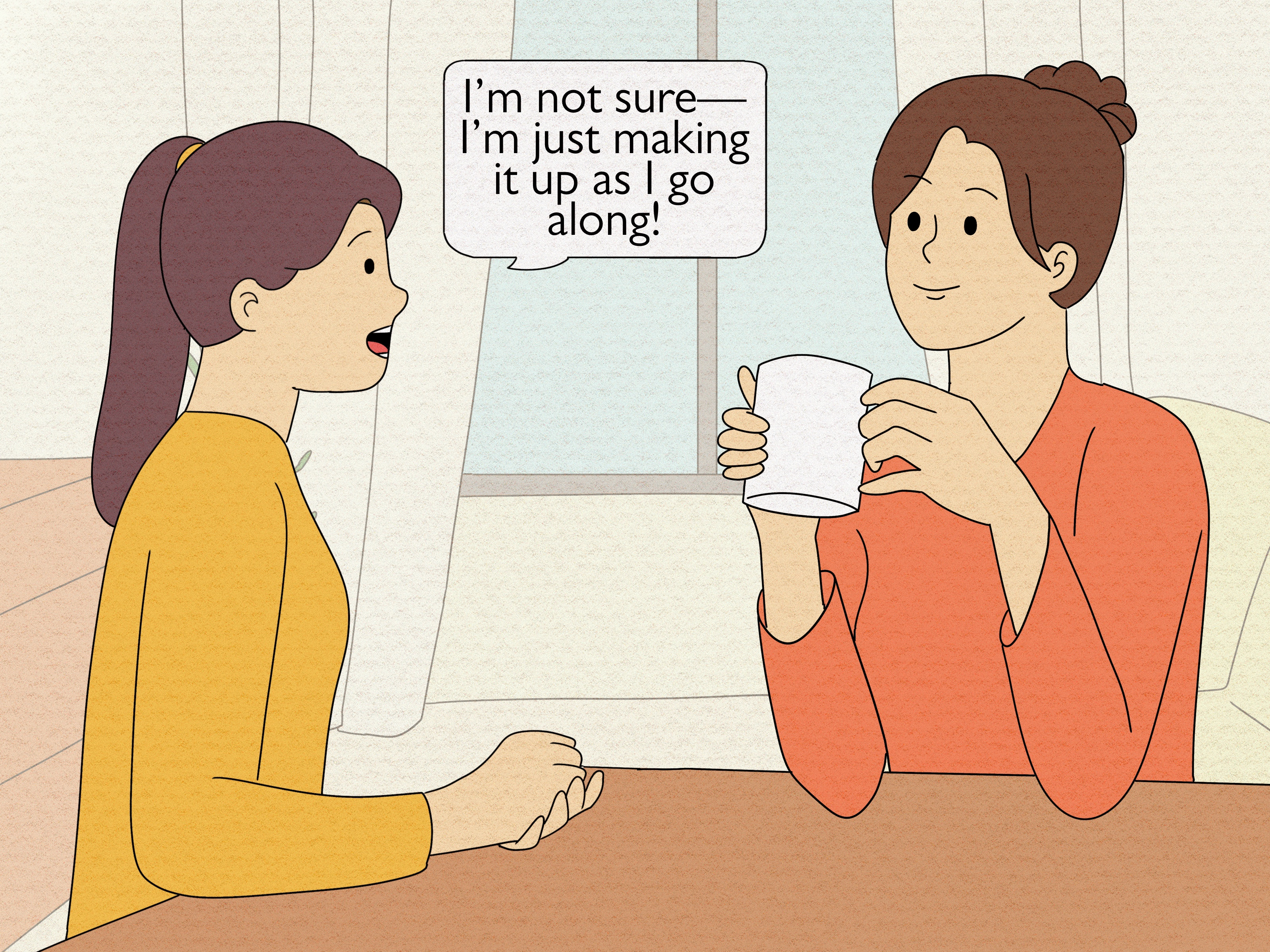
If you have ever paused mid-text and wondered whether the phrase is “play it by ear” or “play it by year,” welcome to the club. English has a sneaky little talent for making familiar phrases sound suspicious the moment you try to write them down. One second you are confidently typing a casual message, and the next you are staring at the word “ear” like it just asked you for your Wi-Fi password.
So let’s clear it up quickly: the correct expression is “play it by ear.” The phrase means to handle a situation as it develops instead of following a fixed plan. “Play it by year” is a common mishearing, but it is not the standard idiom in American English.
For example, you might say, “We don’t know how crowded the restaurant will be, so let’s play it by ear.” That does not mean you will make dinner plans using your ears as tiny calendars. It means you will wait, observe, and decide what to do based on the situation.
What Does “Play It By Ear” Mean?
“Play it by ear” means to improvise, adjust, or make decisions as events unfold. It is used when you do not have a firm plan, or when a plan would be pointless because the situation could change. In plain American English, it means something like:
- We’ll decide later.
- We’ll see how things go.
- We’ll make a choice based on what happens.
- We’ll stay flexible instead of locking ourselves into a plan.
The phrase is often used in casual conversation, especially when people are discussing travel, schedules, meetings, weather, social plans, work decisions, or family logistics. Basically, any situation where life might throw a banana peel onto your beautifully polished plan is a good place for this idiom.
Examples of “Play It By Ear” in Sentences
Here are some natural examples:
- “I’m not sure when the meeting will end, so I’ll play it by ear.”
- “We may go hiking tomorrow, but the forecast looks strange. Let’s play it by ear.”
- “The baby’s nap schedule is unpredictable, so we’re playing it by ear today.”
- “I didn’t prepare a full speech. I’m just going to play it by ear.”
- “Traffic could be terrible after the game, so we’ll play it by ear and decide when to leave.”
In each case, the speaker is not saying there is no thought involved. They are saying the best decision depends on what happens next. That is the heart of the idiom.
Why “Ear” Is Correct and “Year” Is Not
The correct phrase is “play it by ear” because it comes from music. A musician who can play by ear can perform a song by listening, memory, instinct, or musical understanding rather than by reading sheet music. Instead of following written notes, the musician responds to sound.
Over time, this musical idea became a metaphor. If you “play it by ear” in life, you are not following a strict written plan. You are responding to the rhythm of the situation. You are listening, adjusting, and improvising. It is a lovely metaphor, even if English did its usual thing and made everyone argue about one tiny word.
“Play it by year” may sound logical to some people because “year” relates to time, and the phrase often involves waiting to see what happens. But the idiom is not about the passage of time. It is about responding without a fixed script. That is why ear is the correct word.
Is “Play It By Year” Ever Correct?
In standard American English, “play it by year” is not the accepted idiom. It may appear in jokes, puns, accidental typos, or informal online discussions, but it is not the phrase you should use in polished writing, professional emails, school assignments, blog posts, business communication, or anything you do not want your grammar-loving friend to screenshot.
That said, the mistake is understandable. “Ear” and “year” can sound very similar in fast speech, especially depending on accent, background noise, or whether the speaker is mumbling through a mouthful of sandwich. Many English mistakes come from hearing a phrase before seeing it written. These are sometimes called eggcorns: mistaken expressions that sound similar to the original and seem to make their own kind of sense.
For example, someone might hear “play it by ear” and think, “Well, maybe it means we’ll decide over the year.” That interpretation is creative, but not correct. English rewards creativity in poetry, branding, and naming Wi-Fi networks. Idioms, unfortunately, are more stubborn.
Where Did “Play It By Ear” Come From?
The origin of “play it by ear” is connected to musicianship. Before the phrase became a general idiom, playing by ear meant playing music without relying on written notation. A musician could hear a tune and reproduce it, or improvise around it, using musical memory and instinct.
This idea naturally expanded beyond music. If a musician can play a song without sheet music, a person can “play” a situation without a detailed plan. The “ear” in the phrase suggests attentiveness: listening to what is happening, picking up signals, and reacting appropriately.
That is why the phrase feels so flexible. It works for a jazz musician, a project manager, a parent, a traveler, a teacher, a first-date survivor, and anyone else trying to look calm while the universe quietly rearranges the furniture.
How to Use “Play It By Ear” Correctly
The phrase is usually used as a verb phrase. You can use it in different tenses depending on your sentence:
- Present: “We usually play it by ear.”
- Future: “We’ll play it by ear.”
- Past: “We played it by ear.”
- Continuous: “We’re playing it by ear.”
The most common form in conversation is “Let’s play it by ear.” It is a friendly way to say, “Let’s not decide too soon.” You can use it when plans are uncertain, when you need more information, or when making a strict schedule would be about as useful as putting a tuxedo on a squirrel.
Correct Usage
- “We don’t know if it will rain, so let’s play it by ear.”
- “I might stop by after work, but I’ll play it by ear.”
- “The client may change the deadline, so we’re playing it by ear.”
Incorrect Usage
- “Let’s play it by year.”
- “I’ll play it by years.”
- “We are playing it by the year.”
Unless you are making a pun about annual planning, use ear. Your sentence will be clearer, more natural, and far less likely to trigger a grammar debate at brunch.
“Play It By Ear” vs. “Wing It”
“Play it by ear” and “wing it” are related, but they are not always identical. Both can mean to act without a detailed plan. However, “wing it” often suggests doing something with little or no preparation, sometimes in a risky or rushed way.
For example, if you give a presentation without preparing, you might say, “I’m going to wing it.” That sounds brave, casual, or slightly reckless. If you say, “I’ll play it by ear,” it sounds more flexible and responsive. You may still be thoughtful; you simply do not want to commit before you know more.
Think of the difference this way:
- Play it by ear: flexible, responsive, situation-based.
- Wing it: improvised, unprepared, sometimes risky.
If you are unsure which one to use, choose “play it by ear” when the situation is changing and you plan to adapt. Choose “wing it” when you are doing something without much preparation and hoping your confidence has brought snacks.
When Should You Use This Idiom?
You can use “play it by ear” in many everyday situations. It is especially useful when plans depend on uncertain details.
Travel Plans
Travel is practically the national park of “play it by ear.” Flights get delayed. Restaurants close early. Museums have surprise maintenance days. Someone in the group insists they are “not hungry” and then becomes a granola-bar werewolf thirty minutes later.
Example: “We’ll visit the museum if we arrive early enough. Otherwise, we’ll play it by ear.”
Work and Meetings
At work, the phrase can sound calm and practical when a decision depends on new information. It shows flexibility without sounding careless.
Example: “Let’s see what the client says after the first draft, then we’ll play it by ear.”
Social Events
When friends are making loose plans, “play it by ear” keeps things casual.
Example: “We might grab dinner after the movie, but let’s play it by ear.”
Parenting and Family Life
Parents use this idiom constantly, even if they do not say it out loud. Children, pets, relatives, and appliances all specialize in destroying schedules with theatrical timing.
Example: “If the kids are still awake after the party, we’ll play it by ear.”
Is “Play It By Ear” Formal or Informal?
“Play it by ear” is conversational but widely understood. It is appropriate in casual writing, everyday speech, friendly emails, and many workplace conversations. In very formal writing, you may want a more precise alternative, such as “adjust as needed,” “respond as the situation develops,” or “make a decision once more information is available.”
For example, in a business report, instead of writing, “We will play it by ear after the launch,” you might write, “We will evaluate performance after launch and adjust our strategy accordingly.” Same idea, fewer jazz-club vibes.
Common Mistakes With “Play It By Ear”
The biggest mistake is writing “play it by year.” But there are a few other issues to watch for.
Mistake 1: Using It When a Plan Is Required
Flexibility is great, but not every situation should be improvised. If you are planning a wedding, launching a product, filing taxes, or landing a plane, “Let’s play it by ear” may not inspire confidence.
Mistake 2: Confusing It With Laziness
To play something by ear does not mean to ignore responsibility. It means to stay responsive. A good use of the idiom often includes awareness, judgment, and timing.
Mistake 3: Using It Too Often
Like any idiom, it loses charm if repeated too much. If every plan becomes “play it by ear,” people may begin to suspect your calendar is just a decorative rectangle.
Better Alternatives to “Play It By Ear”
If you want variety, try these alternatives:
- Take it as it comes
- See how things go
- Go with the flow
- Decide later
- Adjust as needed
- Make a game-time decision
- Respond as the situation develops
Each alternative has a slightly different flavor. “Go with the flow” sounds relaxed. “Make a game-time decision” sounds practical and energetic. “Adjust as needed” sounds professional. “Take it as it comes” sounds calm, almost philosophical, like something a person says while holding tea and looking out a window.
Quick Memory Trick: Ear Means Listen
Need a fast way to remember the correct phrase? Try this:
You play it by ear because you listen to the situation.
The word ear connects to listening, music, and improvisation. The word year connects to time, calendars, and realizing it is somehow already June. Since the idiom comes from music and means responding flexibly, ear is the word you want.
Another trick: imagine a musician listening to a melody and playing along without sheet music. That image captures the idiom perfectly. You are not ignoring structure completely; you are responding with skill in the moment.
Experience Section: Real-Life Lessons From Playing It By Ear
One of the funniest things about the phrase “play it by ear” is that it sounds casual, but it often describes a skill people use every day. In real life, not everything can be planned down to the minute. You can create a beautiful schedule, color-code it, add reminders, and still end up dealing with a flat tire, a late delivery, a surprise meeting, or a friend who says, “I’m five minutes away” while clearly still at home.
In my experience with everyday communication, this idiom works best when people want to stay flexible without sounding careless. For example, imagine planning a weekend trip with friends. You know the hotel, the city, and the general idea, but you do not know the weather, the traffic, or everyone’s energy level. Saying “Let’s play it by ear” is perfect because it gives the group permission to adapt. Maybe you visit the beach. Maybe you try a local diner. Maybe everyone takes a nap and pretends it was part of the itinerary. Honestly, that can be elite-level travel planning.
The phrase is also useful at work. Suppose a team is waiting for feedback from a client. It may be impossible to decide the next step until the client responds. Saying “We’ll play it by ear after we hear back” communicates patience and flexibility. It tells people, “We are not frozen; we are waiting for useful information.” That is different from being unprepared. In fact, sometimes the smartest plan is to avoid pretending you know what you cannot know yet.
Another everyday example happens with family plans. Anyone who has tried to organize dinner, errands, school events, or appointments knows that the schedule can change quickly. “We’ll play it by ear” can reduce pressure. It says, “We have a general direction, but we do not need to panic if things shift.” That kind of language can make plans feel more human.
Still, there is a limit. Playing it by ear is helpful when flexibility is needed, but it can become frustrating if someone uses the phrase to avoid making any decision at all. If a friend always says, “Let’s play it by ear,” you may eventually want to reply, “Great, but can your ear pick a restaurant?” The best use of the idiom is balanced. It works when uncertainty is real, not when someone simply does not want to commit.
That is the deeper lesson behind the phrase: flexibility is not the same as chaos. To play it by ear well, you still need attention, judgment, and timing. Just like a musician listening carefully before playing the next note, a person using this approach should pay attention to what is happening and respond thoughtfully. The idiom may sound relaxed, but it contains a quiet kind of wisdom: sometimes life does not hand you sheet music. Sometimes you listen, adjust, and play the next note as best you can.
Conclusion: The Correct Phrase Is “Play It By Ear”
The correct expression is “play it by ear,” not “play it by year.” The idiom comes from music and refers to playing without written notes, then expanded to mean handling a situation without a fixed plan. In modern American English, it means to stay flexible, make decisions as events unfold, and adjust based on what actually happens.
Use “play it by ear” when plans are uncertain, when more information is needed, or when flexibility is smarter than premature decision-making. Avoid “play it by year” unless you are making a deliberate pun about calendars, and even then, please warn the nearest English teacher.












