
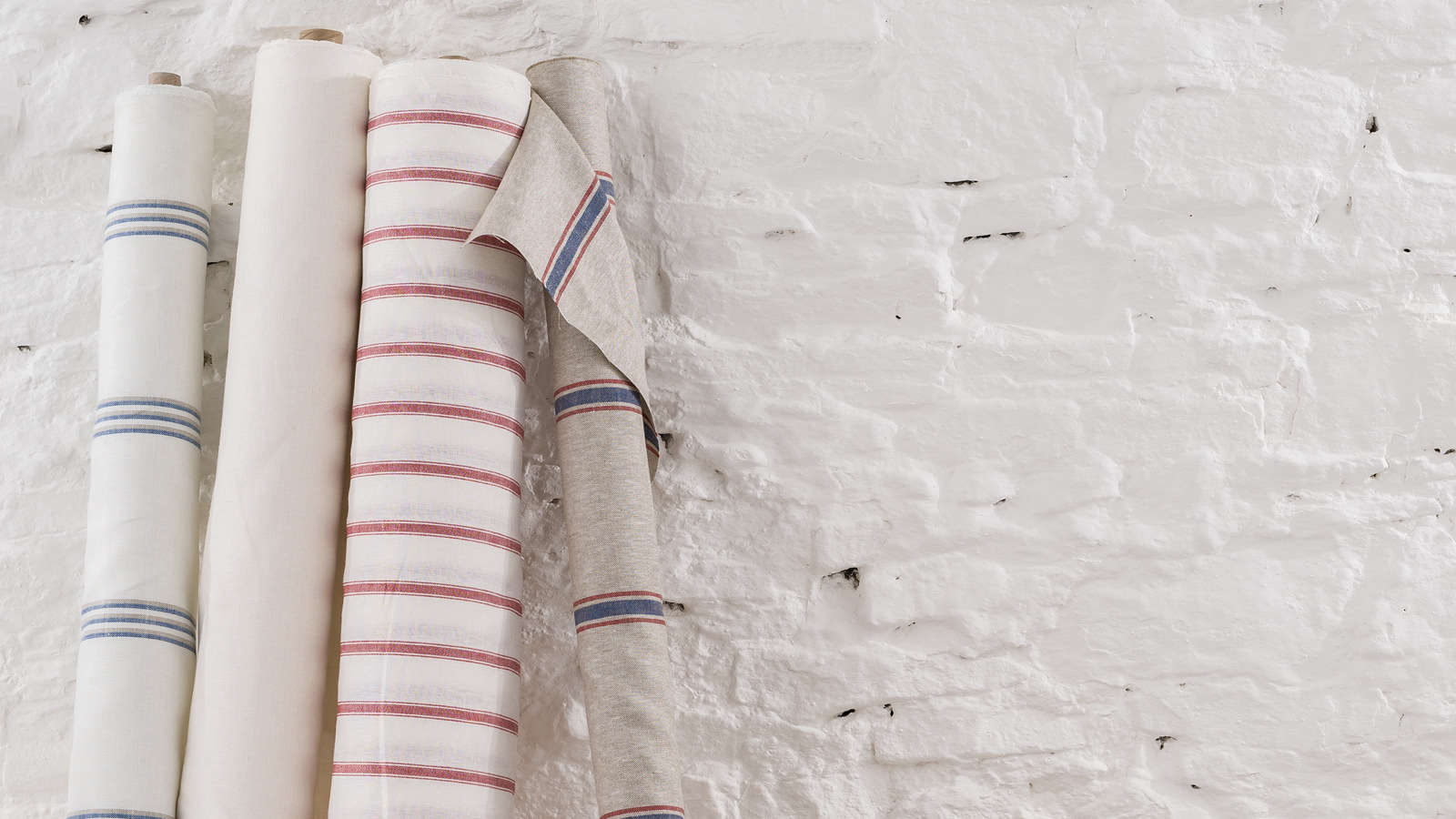
Some people go to London for royal history, afternoon tea, or the solemn duty of taking a blurry photo of Big Ben from the back of a moving taxi. I support all of that. But for anyone who gets unreasonably excited by a good stripe, a sturdy cotton ticking, or the quiet poetry of linen, London offers another pilgrimage: discovering Ian Mankin fabrics.
Ian Mankin is one of those names that design lovers speak with a small sigh, the way food people talk about a perfect croissant. The brand is known for British woven fabrics, natural fibers, timeless stripes, checks, plains, and textures that feel wonderfully unfussy. These are not fabrics trying to shout over the sofa. They are the fabrics that make the sofa look as if it has finally found its purpose in life.
Founded in 1983, Ian Mankin has built its reputation on designer furnishing fabrics that are woven in Lancashire, an area deeply tied to the history of British textiles. The company emphasizes natural yarns such as cotton, linen, wool, viscose, recycled, and regenerated fibers. Its collections include ticking stripes, ginghams, checks, plains, herringbones, wool designs, wallcoverings, cushions, throws, and other home accessories. In short, it is the kind of place where “just browsing” becomes a dangerous sentence.
Why Ian Mankin Fabrics Feel So Distinctive
The first thing to understand about Ian Mankin fabrics is that they do not chase trends like a terrier chasing a squirrel. The appeal is slower, calmer, and more enduring. The palette tends to be subtle, the patterns classic, and the materials honest. Instead of novelty for novelty’s sake, the brand leans into designs that can live comfortably in traditional cottages, modern apartments, coastal homes, city townhouses, and rooms where the dog is absolutely not allowed on the sofa but somehow owns it.
The signature look often includes ticking stripes, deckchair stripes, classic checks, soft neutrals, earthy blues, sage greens, reds, creams, and durable woven textures. These patterns are familiar but not boring. A ticking stripe on a chair can look crisp and tailored. A linen plain on curtains can soften the whole room. A check on cushions can make a bed look layered without turning it into a fabric sandwich.
The London Connection: A Showroom Worth the Detour
Ian Mankin’s London showroom is located at Studio Two within Worlds End Studios in Chelsea, a design-focused part of the city that feels tailor-made for people who casually say things like, “I’m thinking of re-covering the banquette.” The showroom brings together several interior brands under one roof, making it a smart stop for designers, decorators, homeowners, and anyone who believes a fabric swatch is a perfectly acceptable souvenir.
Why does seeing fabric in person matter? Because textiles are sneaky. A color that looks cool online may feel warmer in natural light. A stripe that seems bold on a screen may be perfectly balanced when seen at full scale. Linen can look relaxed in a photo, but in the hand it reveals weight, texture, and drape. Good fabric shopping is partly visual, partly tactile, and partly emotional. You touch a sample and suddenly imagine curtains in a room you have not finished painting yet. This is normal. Well, normal for us fabric people.
Natural Fibers: The Quiet Luxury of Cotton, Linen, and Wool
One of the strongest reasons Ian Mankin fabrics remain beloved is the brand’s commitment to natural-feeling materials. Cotton, linen, and wool all have distinct personalities. Cotton is approachable, breathable, practical, and friendly. Linen is relaxed, elegant, and slightly rumpled in the way stylish people are after vacation. Wool brings warmth, depth, and a more substantial hand.
Natural fabrics have also become increasingly important in interior design because people want homes that feel warm, grounded, and less synthetic. In a world full of glossy screens and disposable décor, a woven fabric made with care feels refreshingly real. It has texture. It has weight. It catches light. It ages with character rather than simply looking tired.
That does not mean every natural fabric is indestructible. Linen wrinkles. Cotton may need stain treatment for high-traffic upholstery. Wool requires thoughtful care. But that is part of the trade-off. Natural fibers bring comfort, breathability, and beauty, while asking for a little respect in return. Honestly, that is more than fair. Many houseplants ask for more and contribute less.
Ticking Stripes: The Ian Mankin Superpower
If Ian Mankin has a visual calling card, it is the ticking stripe. Traditionally, ticking was a tightly woven fabric used to cover mattresses and pillows because it was durable and practical. Today, ticking stripes have escaped the mattress and become one of the most versatile patterns in interior design.
A narrow ticking stripe can look tailored on a dining chair, charming on Roman blinds, fresh on cushions, or quietly nautical on curtains without becoming theme-park coastal. The beauty of ticking is its discipline. It adds movement without chaos. It introduces pattern without demanding that every other object in the room bow down before it.
For anyone nervous about using pattern, ticking stripes are a friendly starting point. They mix well with florals, checks, plains, and even other stripes if the scale is different. A small stripe cushion on a plain linen sofa feels safe but stylish. A striped slipcover on an old armchair can make the whole piece look intentional, as if you rescued it from a charming country auction rather than your cousin’s garage.
How to Use Ian Mankin Fabrics at Home
1. Curtains That Look Tailored but Not Stiff
Ian Mankin linens and cottons are excellent candidates for curtains because they can bring structure, softness, and pattern to a room. A ticking stripe curtain in navy, sage, or warm neutral can frame a window beautifully. For a calmer space, a plain linen or subtle herringbone creates texture without visual noise.
2. Upholstery With Personality
For upholstery, consider durability, weave, color, and lifestyle. A striped fabric on an occasional chair can add instant charm. A sturdy cotton ticking can work well for cushions, benches, headboards, and informal seating. In a busy family room, choose darker tones or patterns that are forgiving. In a quieter room, lighter colors can feel fresh and elegant.
3. Cushions for a Low-Commitment Upgrade
Cushions are the gateway fabric project. They are small enough to be manageable but powerful enough to change a room. Try mixing one stripe, one check, and one plain in related colors. The result feels collected rather than matched, which is the secret difference between “designed” and “I bought the entire display.”
4. Kitchen Banquettes and Breakfast Nooks
Striped and checked fabrics work especially well in kitchens and breakfast areas. They feel cheerful, practical, and relaxed. A banquette cushion in a classic stripe can turn a plain corner into the place where everyone suddenly wants to sit, spill coffee, and discuss weekend plans.
5. Bedrooms With a British-Country Twist
In bedrooms, Ian Mankin fabrics can soften the space without making it overly decorative. Think striped bed skirts, linen curtains, checked pillow shams, or a fabric headboard. The look is cozy but not fussy. It whispers “fresh sheets and Sunday papers,” which is much better than screaming “catalog page 47.”
Design Pairings That Work Beautifully
Ian Mankin fabrics are easy to pair because the designs are classic and the colors are often restrained. For a relaxed London look, combine ticking stripes with painted wood furniture, warm brass, ceramic lamps, sisal rugs, and antique or vintage pieces. For a modern American home, use the same fabrics with clean-lined sofas, white walls, black accents, and natural oak.
Blue ticking with warm white walls feels coastal but grown-up. Sage checks with cream linen feel soft and garden-inspired. Black-and-white stripes can look sharp in a city apartment. Red ticking adds energy to a mudroom, pantry curtain, or children’s room. Neutral herringbone is the quiet hero for people who want texture but fear pattern the way others fear spiders.
Why Designers Keep Returning to Brands Like Ian Mankin
Designers love materials that solve problems and age well. Ian Mankin fabrics do both. They offer pattern without gimmicks, color without panic, and texture without fuss. Because many designs are rooted in classic British textile traditions, they do not feel dated after one season. That matters when you are investing in curtains, upholstery, or custom cushions.
Another advantage is flexibility. The same ticking stripe can look farmhouse, coastal, urban, cottage, or tailored depending on context. Put it on a slipcovered chair with a jute rug and it reads relaxed country. Use it on a sharp Roman shade in a white kitchen and it feels crisp and modern. The fabric does not force the room into a single identity; it adapts.
Shopping Tips Before You Buy
Before ordering any designer furnishing fabric, always get samples. This is not optional unless you enjoy expensive surprises. Look at the swatch in morning light, afternoon light, and artificial light. Place it beside wall paint, flooring, wood tones, existing upholstery, and rugs. Then leave it there for a day or two. If you still love it after seeing it next to real lifecrumbs, dog hair, laundry basket, and allit is probably a winner.
Measure generously for curtains and upholstery, and consult a professional workroom when possible. Pattern repeats, fabric width, pleats, seams, and shrinkage can affect yardage. For upholstery, ask about rub count, cleaning codes, backing, and whether the fabric is suitable for the intended use. A gorgeous fabric used in the wrong place is still gorgeous, but now it is also a problem wearing lipstick.
Personal Experience: A Fabric Lover’s Daydream in London
My favorite way to imagine visiting Ian Mankin fabrics in London begins with a slow morning in Chelsea, ideally after coffee strong enough to negotiate with a curtain estimate. The streets have that unmistakable London mix of elegance and everyday movement: delivery vans, polished door knockers, flower buckets outside shops, and people walking very purposefully while somehow looking as if they might own a very good umbrella.
Walking into a fabric showroom is different from walking into a furniture store. Furniture announces itself. Fabric invites you closer. Bolts stand in rows like quiet characters waiting to be cast in a room. You start with a practical missionperhaps “I need fabric for two cushions”and within seven minutes you are planning a full guest room, a window seat, and possibly a life in which you become the sort of person who says, “This old thing? It’s just a little ticking stripe I found in London.”
The Ian Mankin look is especially enjoyable because it does not overwhelm. Some fabric showrooms are a circus of color and pattern, and while I enjoy a circus, I do not always want one on my sofa. Ian Mankin’s appeal is calmer. The stripes line up neatly. The checks feel familiar. The linens have that beautiful slub and softness that make you want to touch them even though you are trying to behave like a civilized adult. The colors are not shy, exactly, but they have manners.
I would start with the ticking stripes because resistance is pointless. A navy ticking would immediately suggest curtains in a small bedroom with white walls and a wooden chair in the corner. A sage stripe would make me think of a breakfast nook with ceramic mugs, toast crumbs, and a window cracked open in spring. A red ticking might be too cheerful to ignore, perfect for a pantry curtain or a cushion on a bench where guests drop their bags.
Then I would move to the plains and herringbones, because every patterned fabric needs a good supporting actor. This is where Ian Mankin becomes genuinely useful. A room cannot live on stripes alone, although I have considered testing the theory. Pairing a stripe with a plain linen or textured weave gives the scheme breathing room. It makes the result feel collected rather than frantic.
The best part of shopping this kind of fabric in London is the sense of connection between place, craft, and home. You are not simply choosing blue or cream. You are choosing a woven material with British textile heritage behind it, designed for actual rooms and actual use. That matters. A home should not feel assembled overnight from a search bar. It should feel layered, touched, edited, and lived in. Ian Mankin fabrics help create that feeling without trying too hard.
If I had to leave with only one idea, it would be this: use a classic fabric somewhere small but visible. A cushion, lampshade, Roman blind, bench seat, or chair can change the mood of a room more than people expect. The right stripe can make a dull corner look intentional. The right linen can make harsh light feel gentle. The right check can make a new room feel as if it has a backstory. That is the magic of good fabric. It does not just cover things; it gives them character.
Conclusion
Ian Mankin fabrics in London are a personal favorite because they combine heritage, practicality, and effortless style. The brand’s natural fibers, British-woven textiles, classic ticking stripes, checks, plains, and understated palette make it a reliable choice for curtains, upholstery, cushions, blinds, and layered interiors. Whether you are decorating a city apartment, a coastal cottage, or a family home that must survive snacks, pets, and mysterious stains, Ian Mankin offers fabrics that feel timeless rather than trendy.
The real charm is that these textiles do not need to perform acrobatics to be beautiful. They simply do what good fabric should do: add texture, soften a room, introduce pattern, and make everyday spaces feel more considered. In a design world that often rewards the loudest statement, Ian Mankin reminds us that quiet confidence can be far more memorable. Also, stripes. Never underestimate the power of a very good stripe.











