
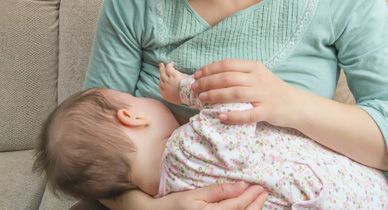
If you are breast-feeding and suddenly spot that familiar oh-no-not-this-again crampy feeling, you are not imagining things. Yes, your period can come back while you are nursing. No, it does not mean your body has betrayed you personally. And no, it does not automatically mean breast-feeding is over.
The return of your period after childbirth is one of those postpartum topics people mention in a quick whisper, right before the baby starts crying and the conversation ends. But it matters. A lot. Many parents wonder when their menstrual cycle will return, whether their flow will be heavier, whether breast milk supply will change, and whether they can get pregnant before the first real postpartum period. The answer to all of those questions is basically this: postpartum hormones love surprises.
The good news is that there are some patterns you can expect. While every postpartum body runs on its own schedule, there are still clear signs of what is normal, what is annoying-but-manageable, and what deserves a call to your doctor. Here is what to know about having a period while breast-feeding, what your first postpartum periods may feel like, and when that bleeding is not actually a period at all.
Why Your Period May Stay Away While You Are Breast-Feeding
Breast-feeding often delays the return of menstruation because milk production and fertility are closely tied to hormones. When you nurse or pump frequently, your body produces more prolactin, a hormone that supports milk production. Higher prolactin levels can suppress ovulation. No ovulation means no period. That is why some nursing parents go months without seeing a menstrual cycle, while others get a surprise comeback tour much sooner.
This is called lactational amenorrhea, which is the very unglamorous medical phrase for “your period is on pause because you are breast-feeding.” It is common, and it can last for a while. In some people, menstruation returns within a few months. In others, it may not return until breast-feeding becomes less frequent or until weaning happens. Both situations can be normal.
Why Timing Is Different for Everyone
The return of your period while breast-feeding depends on how often milk is removed from the breast. Parents who are fully or nearly fully breast-feeding, especially around the clock, often go longer without a cycle. Parents who are supplementing with formula, spacing out feeds, pumping less often, going longer overnight, or moving into partial weaning may notice their period returns earlier.
That means there is no single magical date on the calendar when Aunt Flo books her postpartum comeback. Your body is responding to feeding patterns, hormone shifts, sleep disruption, stress, and the general chaos of caring for a tiny human who thinks 3:12 a.m. is party time.
Lochia vs. Your First Real Period
One of the biggest sources of confusion after childbirth is postpartum bleeding. Not all bleeding after birth is a period. In fact, the bleeding you have right after delivery is usually lochia, not menstruation.
Lochia is your body shedding blood, mucus, and uterine tissue after birth. It is part of normal recovery. It usually starts out heavier and redder, then gradually becomes lighter in color and flow over the following weeks. It can smell musty or stale, which sounds rude but is considered typical. The key point is that lochia is related to healing after delivery, not to ovulation returning.
Signs It Is More Likely Lochia
If the bleeding started right after childbirth and gradually changes from bright red to pink, brown, and then yellowish or whitish discharge, that pattern points more toward lochia than a true period. Lochia also tends to fade over time instead of showing up in a predictable monthly cycle.
Signs Your Period May Actually Be Back
A true period usually shows up later, after postpartum bleeding has already settled down. It may come with familiar menstrual cramps, a fresh increase in bleeding after a stretch of little or no bleeding, and then a pattern that eventually repeats. The timing can still be irregular at first, so do not expect your cycle to march back in with military discipline. Postpartum periods often arrive more like a confused guest who forgot the address and then shows up anyway.
When Does Your Period Return While Breast-Feeding?
There is a wide range of normal here. If you are not breast-feeding, your period often returns around 6 to 8 weeks after birth. If you are breast-feeding, it may take much longer. Some parents get a period within a few months even while nursing. Others do not get one until solids are introduced, night feeds decrease, pumping changes, or weaning begins. Some do not see a period until breast-feeding ends altogether.
That range can feel maddeningly vague, but it is medically honest. Postpartum menstruation is less of a stopwatch and more of a weather forecast. You can know the season, but not always the exact minute it starts to rain.
What Can Make It Return Sooner?
- Longer stretches between feeds
- More pumping than direct nursing in some routines
- Supplementing with formula
- Baby sleeping longer overnight
- Starting solids and naturally reducing milk demand
- Partial or full weaning
If your period returns while you are still breast-feeding, that does not mean you did anything wrong. It does not mean your milk is “bad,” your bond is weaker, or your body missed the memo. It simply means your hormones are shifting and ovulation is making its return.
What Your First Period While Breast-Feeding May Be Like
Your first postpartum period can be a little weird. Sometimes it is heavier. Sometimes it is lighter. Sometimes it lasts longer than you remember. Sometimes it is shorter but comes with cramps that make you glare at everyone in the room. In other words, your menstrual cycle may not look exactly like it did before pregnancy.
Many parents notice that their early postpartum periods are different in one or more of these ways:
- Heavier flow: Some people bleed more than they used to.
- Longer or shorter duration: It may not follow your old schedule at first.
- More or less cramping: Either can happen.
- Irregular timing: The first few cycles may not be predictable.
- More noticeable PMS: Hormone shifts can feel dramatic in the postpartum months.
That does not mean every unusual period is normal forever. A temporary change is common. A pattern of very heavy bleeding, severe pain, or cycles that keep getting stranger instead of settling down deserves medical attention.
Can You Get Pregnant Before Your First Period Returns?
Yes. This is the part that catches many people off guard. You can ovulate before you ever see your first postpartum period. That means pregnancy is possible even if you are breast-feeding and have not had a single period yet.
This is why postpartum birth control matters. Breast-feeding can reduce the chance of ovulation, but it is not foolproof in every situation. The lactational amenorrhea method, often called LAM, works only under specific conditions: you have not had a period, your baby is less than 6 months old, and you are fully or nearly fully breast-feeding. Once any one of those conditions changes, the method becomes less reliable.
So if you are sexually active and do not want to become pregnant again soon, this is not the ideal moment to trust vibes, hope, or a very optimistic calendar app.
Does Having a Period Affect Breast Milk?
A returning period does not automatically mean your breast milk disappears or that you have to stop nursing. Breast-feeding works largely on supply and demand. The more regularly milk is removed, the more your body is encouraged to keep making it.
Some nursing parents feel like feeds change a little when their cycle returns. They may notice more breast tenderness, stronger cramps with letdown, or a baby who seems slightly fussier at the breast for a short time. But the important takeaway is this: a period does not cancel out breast-feeding. If your baby is nursing well, having enough wet diapers, and growing appropriately, a returning cycle is usually just one more hormonal plot twist, not the end of the story.
How to Support Nursing if Your Cycle Returns
- Nurse or pump regularly instead of stretching sessions too far apart.
- Stay hydrated and eat regularly.
- Rest as much as realistically possible, which in the postpartum world may mean “sit down for seven uninterrupted minutes.”
- Watch your baby, not just the pump output. Diapers, feeding behavior, and weight gain matter more than panic.
- Reach out to a lactation consultant if you are worried about milk supply.
When Bleeding Is Not Normal
Postpartum recovery comes with plenty of things that are common, but not everything is normal. You should contact a healthcare professional if you have bleeding that is heavier than a normal period, bleeding that gets worse instead of lighter, large clots, fever, foul-smelling discharge, dizziness, fainting, chest pain, shortness of breath, severe headache, vision changes, or swelling and pain in one leg.
Those symptoms can point to postpartum complications, and they deserve prompt attention. This is especially true if you are tempted to explain everything away with, “Maybe this is just my first period.” Sometimes it is. Sometimes it very much is not.
When to Check In With Your Doctor About Postpartum Periods
Even if there is no emergency, it is smart to bring up your menstrual cycle at your postpartum visits. Ask questions if:
- Your bleeding is unexpectedly heavy or very painful
- Your cycles remain highly irregular for a long time
- Your period has returned, but something feels off compared with what seems manageable
- You are worried about pregnancy risk
- You are concerned about milk supply after your cycle returns
- You have thyroid issues, a history of endometriosis, fibroids, or other gynecologic conditions
Postpartum care is not just about surviving the first six weeks. It is also about understanding what your recovering body is doing and getting support before small problems become bigger ones.
The Bottom Line on Your Period While Breast-Feeding
Having a period while breast-feeding can feel unfair. You are already feeding a baby, sleeping in puzzle pieces, and reheating the same cup of coffee three times. But postpartum menstruation is usually just a sign that your hormones are shifting and your fertility may be returning.
What is normal? Your period may come back in a few months, many months later, or after weaning. It may be heavier, lighter, crampier, less crampy, or temporarily irregular. It may arrive while you are still nursing like a champ. None of that automatically means something is wrong.
What matters most is knowing the difference between a normal postpartum period and symptoms that suggest a complication. If the bleeding is extreme, worsening, or paired with other concerning symptoms, get checked. Otherwise, welcome to one more gloriously inconvenient chapter of postpartum recovery.
Experiences Related to “Period While Breast-Feeding: What to Expect”
For many parents, the return of a period during breast-feeding is less of a medical mystery and more of an emotional jump scare. One common experience is pure surprise. A parent may be nursing around the clock, still feeling deeply in the newborn haze, and then suddenly notice bleeding at three or four months postpartum. The first reaction is often confusion: “Wait, I thought breast-feeding was supposed to delay this.” In reality, plenty of nursing parents still get their period before weaning, and that can feel unsettling even when it is completely normal.
Another frequent experience is uncertainty about whether the bleeding is a real period or a random postpartum blip. A parent may have lochia taper off, enjoy a peaceful stretch of no bleeding, and then see fresh blood after becoming more active, sleeping less, or going a little longer between feeds. That leads to the classic postpartum detective spiral: Is this my period? Is it leftover postpartum bleeding? Did I overdo it? Should I be worried? This uncertainty is extremely common, especially with a first baby, because postpartum recovery rarely follows a tidy script.
Many breast-feeding parents also describe frustration when the first period feels different from the one they knew before pregnancy. Some say it is heavier and more dramatic. Others say the cramps are surprisingly mild. Some feel emotionally blindsided by PMS because postpartum life already includes hormonal shifts, sleep deprivation, and the general stress of caring for an infant. When a period returns on top of all that, it can feel like your body is stacking side quests on a game you never asked to play.
There is also the experience of worrying that a returning period means milk supply is about to vanish. This fear is incredibly common. A parent may notice the baby nursing more often for a day or two, getting distracted at the breast, or acting fussier than usual. The mind immediately jumps to, “My milk is drying up.” Often, though, the bigger picture matters more than one fussy afternoon. Babies cluster feed, get distracted, go through growth spurts, and have opinions about everything from room temperature to background noise. A period returning does not automatically mean breast-feeding is ending.
Some parents experience their period returning after a change in routine, such as going back to work, introducing bottles, pumping on a schedule, or getting longer stretches of sleep at night. They may not even connect the dots at first. Then they realize that fewer overnight feeds or more time between nursing sessions may have changed the hormonal pattern that was delaying ovulation. That realization can be equal parts fascinating and annoying. The body is smart, but wow, it does love keeping receipts.
Emotionally, the return of menstruation can also symbolize the end of an early postpartum season. For some, it feels reassuring, as if the body is settling into a new normal. For others, it feels sad because it marks a shift away from that fully milk-centered stage of infancy. Parents who hoped for a longer stretch without periods may feel disappointed. Parents who were anxious about fertility may feel relieved to have a clearer sense that cycles are returning. Both reactions are valid.
Then there are the practical experiences: figuring out period products while still dealing with breast pads, baby spit-up, diaper blowouts, and a laundry mountain that has somehow developed its own weather system. The postpartum period has a special way of making one extra inconvenience feel like a lot. That is why reassurance matters. If your period comes back while you are breast-feeding, you are not doing anything wrong. You are not failing at nursing. You are just living in a postpartum body that is healing, adapting, and occasionally choosing chaos.
The most helpful mindset may be this one: expect some unpredictability, keep an eye on what is truly concerning, and give yourself permission not to decode every single body change alone. If something feels off, ask. If it feels normal-but-annoying, that is still worth talking about. Postpartum recovery is not a test of how much confusion you can tolerate without support.
Conclusion
A period while breast-feeding can return sooner than expected, much later than expected, or right on the day you finally wore white pants again because confidence got the better of you. The timing varies, the flow may change, and the first few cycles can be irregular. What matters most is knowing that this can be a normal part of postpartum recovery, while also staying alert for red flags like very heavy bleeding, fever, severe headache, chest pain, or shortness of breath.
If your menstrual cycle returns while you are still nursing, it does not mean your breast-feeding journey is over. It simply means your hormones are shifting and fertility may be returning. Keep an eye on your symptoms, support your milk supply with regular nursing or pumping, and check in with your healthcare professional if something feels abnormal. Postpartum bodies are not predictable, but they do make more sense when you know what to expect.













