
Note: This article is written for web publication and is based on real product, design, and kitchen-use information. Always verify current price, stock, and seller authenticity before publishing shopping details.
Some kitchen tools are loud. They blink, beep, require charging, and somehow make you feel as if seasoning a fried egg should involve a software update. The Pepe Le Moko Salt & Pepper Mills are the opposite. Designed by Jasper Morrison for Alessi, these compact mills look calm, clever, and almost suspiciously simplelike they know a secret your cluttered utensil drawer does not.
At first glance, the Pepe Le Moko mills may seem like minimalist salt and pepper grinders with a polished top knob. But their quiet shape carries a lot of design thinking. They belong to the world of objects that do not beg for attention, yet make a table look instantly more considered. They are small enough for everyday meals, sculptural enough for a dinner party, and practical enough to justify their place beside the stove.
This guide explores what makes the Pepe Le Moko Salt & Pepper Mills special, how they fit into modern kitchens, what to know before buying them, and why a pair of simple manual mills can still feel surprisingly luxurious in a world full of oversized gadgets.
What Are Pepe Le Moko Salt & Pepper Mills?
The Pepe Le Moko Salt & Pepper Mills are manual seasoning mills created for Alessi, the Italian design company known for turning everyday household objects into collectible pieces. The design is credited to British designer Jasper Morrison, whose work is often associated with restraint, usefulness, and an almost poetic belief that good objects should quietly improve daily life.
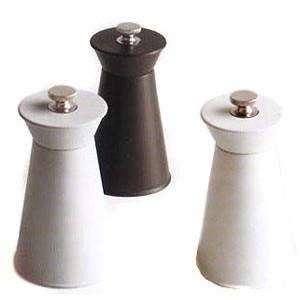
The mills were designed in 1998 and are typically associated with Alessi model codes in the JM/AJM family. They are commonly found in black for pepper and white for salt, though some design archives and older retail listings also reference gray versions. The body is made from plastic or thermoplastic resin, while the top features a stainless-steel adjustment knob. Their approximate dimensions are compactaround 4.7 inches high and 2.7 inches in diametermaking them more table-friendly than the towering restaurant-style pepper mills that look ready to duel with a baguette.
The Design Story Behind the Name
The name Pepe Le Moko is a playful reference to Pépé le Moko, the classic 1937 French film directed by Julien Duvivier. The wordplay is deliciously appropriate: “pepe” evokes pepper, while the cinematic reference gives the object a little old-world mystery. It sounds like a kitchen tool with a trench coat, a smoky backstory, and excellent taste in tableware.
That playful name matters because the mills themselves are not playful in the cartoonish sense. They do not have googly eyes, animal ears, or a novelty handle shaped like a rooster. Their humor is subtler. The joke is in the contrast: a tiny, clean-lined mill carrying the dramatic name of a French cinematic icon. It is design wit, not kitchen slapstick.
Jasper Morrison’s “Less, But Better” Approach
Jasper Morrison is admired for designs that look almost inevitable, as if they had always existed and were simply waiting to be noticed. His philosophy often overlaps with the idea of “super normal” design: objects that work so naturally and blend so comfortably into daily routines that their value grows through use rather than spectacle.
The Pepe Le Moko mills reflect that approach beautifully. Their form is reduced, but not boring. The silhouette is made from soft, intersecting conical shapes, creating a profile that feels both modern and familiar. The stainless-steel knob at the top adds a precise finishing point, like punctuation at the end of a very confident sentence.
Good minimalism is not emptiness. It is editing. These mills feel edited. No extra trim, no unnecessary decoration, no aggressive branding. Just a clean shape, a practical grip, and a top knob that controls the grind. That makes them especially attractive for people who want kitchen accessories that look refined without turning the countertop into a design museum with crumbs.
Materials and Build: Plastic, Stainless Steel, and Practicality
The Pepe Le Moko Salt & Pepper Mills are typically described as having a plastic or thermoplastic resin body with a stainless-steel adjustment knob. The choice of plastic is important. It keeps the mills light, easy to handle, and visually smooth. Unlike wood mills, they do not lean rustic. Unlike clear acrylic mills, they do not show every stray pepper fleck like a tiny crime scene. Instead, they maintain a clean, architectural presence.
The stainless-steel knob is more than a shiny hat. It helps adjust the grinding thickness, allowing users to move between finer and coarser seasoning. For everyday cooking, that means fine salt for finishing a tomato salad, coarser pepper for pasta, or a more generous grind over grilled vegetables. It is a small control point, but it makes the mills feel more personal and useful.
Why Manual Mills Still Matter
Electric grinders have their fans, especially for people who need one-handed operation. But manual salt and pepper mills still offer a satisfying level of control. You feel the grind. You decide the pace. You stop before your soup becomes a pepper swamp. The Pepe Le Moko mills lean into that tactile pleasure.
Manual mills also have fewer things to go wrong. No batteries. No charging cable hiding in the drawer next to expired coupons. No mysterious motor noise during dinner. A well-designed manual mill is refreshingly direct: fill it, twist it, season your food, move on with your life.
How They Look on the Table
One of the strongest reasons people are drawn to the Pepe Le Moko Salt & Pepper Mills is visual balance. They are small but distinctive. On a white tablecloth, the black and white versions look crisp and graphic. On a wooden table, they add modern contrast without feeling cold. In a stainless-steel kitchen, the top knob quietly echoes appliances and hardware.
They work particularly well in contemporary, Scandinavian, minimalist, Italian modern, and gallery-like interiors. But they can also add a clean note to a farmhouse table. That is the magic of simple design: it does not fight the room. It adapts.
Pepe Le Moko vs. Ordinary Salt and Pepper Shakers
Salt and pepper shakers are fine for basic table use, but grinders offer fresher flavor and better texture. Pre-ground pepper loses aroma faster than whole peppercorns. A pepper mill releases fragrance at the moment of use, which is why freshly cracked pepper feels brighter, warmer, and more alive.
For salt, the advantage depends on what you use. Many cooks prefer flaky finishing salt by hand, but a salt mill can be useful for coarse sea salt crystals that need a finer texture. The white Pepe Le Moko mill is often associated with salt, while the black version is the natural visual partner for pepper.
Best Uses in Everyday Cooking
Finishing Pasta
A twist of freshly ground pepper over cacio e pepe, carbonara, or tomato pasta adds aroma right before serving. The Pepe Le Moko pepper mill looks especially at home next to a bowl of noodles, which is more than can be said for most kitchen tools.
Seasoning Eggs
Scrambled eggs, omelets, and soft-boiled eggs all benefit from fresh pepper. A compact mill gives you control without making breakfast feel like a restaurant performance.
Salads and Roasted Vegetables
A finer salt grind can help distribute seasoning across greens, tomatoes, cucumbers, potatoes, and roasted carrots. Coarser pepper adds bite and visual texture.
Serving at the Table
The mills are attractive enough to leave out during dinner. They do not look like afterthoughts. They look like they were invited.
Who Should Buy Pepe Le Moko Salt & Pepper Mills?
These mills are best for people who care about both function and design. If you simply need the cheapest grinder available, there are many budget options. If you want a table object with design pedigree, compact proportions, and a quiet sense of style, Pepe Le Moko becomes much more interesting.
They are a strong fit for design collectors, Alessi fans, home cooks who prefer manual tools, and anyone building a thoughtful kitchen where even the small objects feel intentional. They also make a tasteful gift for weddings, housewarmings, design graduates, or that one friend who owns three kinds of olive oil and says things like “mouthfeel” without irony.
Buying Tips Before You Add to Cart
Because the Pepe Le Moko mills have been sold through various retailers over the years, availability may vary. Some listings may offer a single pepper mill, some a salt mill, and some a pair. Always check whether you are buying one mill or a set. The product photos can be stylish, but your checkout page should be specific.
Also confirm the color, model code, dimensions, and condition. If buying secondhand or vintage, inspect photos carefully for scratches, cracks, missing knobs, or grinding issues. With collectible design objects, original packaging can add value, but everyday usability matters more if you plan to season dinner rather than curate a shelf.
Care and Maintenance
Like most quality manual mills, the Pepe Le Moko Salt & Pepper Mills should not be treated like dishwasher-safe dinner plates. Wipe the exterior with a soft, damp cloth and dry it promptly. Avoid soaking the mill, especially around the grinding mechanism. Moisture is not a spice mill’s best friend; it is more like the dinner guest who arrives early and criticizes the lighting.
Use the correct contents for each mill. Pepper mills are intended for peppercorns, while salt mills should be used with appropriate dry salt crystals. Do not fill either with wet salt, oily spice blends, or anything that could clog or damage the mechanism. If you enjoy experimenting with spices, make sure the texture and hardness are suitable before treating the mill like a tiny flavor laboratory.
Pros and Cons
| Pros | Cons |
|---|---|
| Compact, elegant design suitable for modern tables | May cost more than basic supermarket grinders |
| Designed by Jasper Morrison for Alessi | Availability can vary by retailer and region |
| Adjustable grind via stainless-steel top knob | Not ideal for users who prefer electric one-handed mills |
| Lightweight thermoplastic body | Requires proper care and should not be soaked |
| Strong visual appeal without being flashy | Collectors should verify authenticity and condition |
Design Value: Why These Mills Feel Collectible
The Pepe Le Moko Salt & Pepper Mills are not merely kitchen accessories; they sit at the intersection of industrial design, household function, and collectible tableware. Their presence in design-oriented archives and retail histories shows that they are recognized beyond ordinary kitchen utility.
That does not mean they must be kept behind glass. In fact, Morrison’s design language argues against preciousness. These are objects meant to be used. Their charm grows when they appear beside a weeknight dinner, not only when arranged under perfect lighting next to a stack of art books.
How to Style Them in a Kitchen
For a minimalist kitchen, place the mills on a small tray with olive oil and a ceramic pinch bowl. For a warm, natural kitchen, set them on a wood board beside a linen napkin and a small vase. For a more dramatic look, let the black pepper mill stand alone on a white marble counter. It has enough presence to carry a small scene without screaming, “Look at me, I grind things!”
If you own both salt and pepper versions, keep them together as a visual pair. Their black-and-white contrast is part of the appeal. They look especially sharp on open shelving, a breakfast bar, or a dining table where the meal is casual but the details still matter.
Experience Notes: Living With Pepe Le Moko Salt & Pepper Mills
In everyday kitchen life, the best tools are the ones that do not make a big announcement. The Pepe Le Moko Salt & Pepper Mills fit that category. They are not giant, heavy, or theatrical. You can place them near the stove without sacrificing counter space, carry them to the table without needing a serving tray, and use them during cooking without feeling as if you are operating a medieval instrument.
The first thing many users notice is the scale. These mills are compact, which makes them feel friendly. Oversized pepper mills have their charm, especially in restaurants where a waiter appears beside your salad like a pepper sommelier. At home, though, a smaller mill is often more practical. You can grab it quickly, twist it over a pan, and put it back without rearranging the entire counter.
The second experience is visual calm. A lot of kitchens become crowded with labels, logos, cords, appliances, jars, and the mysterious mug nobody admits buying. Pepe Le Moko brings a little order to that chaos. The smooth body and simple top knob create a clean line that feels intentional. Even when the kitchen is busy, the mills look composed. Honestly, they may be more emotionally regulated than the person cooking dinner on a Tuesday night.
At the table, the mills encourage a slower kind of seasoning. Instead of shaking aggressively and hoping for the best, you twist, taste, and adjust. That is a small ritual, but small rituals are a big part of why cooking feels satisfying. Fresh pepper over soup, salt over sliced tomatoes, a final crack over roasted potatoesthese moments do not need drama. They just need a tool that works and feels good in the hand.
Another pleasant experience is how easily the mills blend into different meals. They do not look too formal for pizza night, yet they are polished enough for a holiday table. They can sit beside handmade ceramics, stainless flatware, or plain white plates and still make sense. That flexibility is valuable because most people do not want separate salt and pepper mills for “weekday pasta” and “guests are coming, hide the plastic bottle of ranch” occasions.
There is also a gifting experience worth mentioning. Pepe Le Moko mills feel personal without being risky. You are not guessing someone’s clothing size, fragrance preference, or whether they secretly hate decorative candles. Almost everyone uses salt and pepper. The difference is that these mills make the ordinary feel chosen. That is the sweet spot for a good home gift: useful, handsome, and unlikely to end up in the donation pile by February.
The only realistic caution is expectation. These are design-forward manual mills, not industrial kitchen machines. They are best appreciated by people who enjoy thoughtful objects and proper care. If someone wants a giant clear grinder from the grocery aisle, Pepe Le Moko may seem too refined. But for users who like simple tools with history, humor, and good proportions, they offer a daily pleasure that feels quietly luxurious.
Final Verdict
The Pepe Le Moko Salt & Pepper Mills prove that a small kitchen tool can carry a surprising amount of character. Designed by Jasper Morrison for Alessi, they combine practical grinding, compact proportions, and a refined minimalist form. Their stainless-steel adjustment knob adds function, while the black-and-white design language gives them a crisp, timeless look.
They are not the cheapest way to season food, and they are not trying to be. Their appeal lies in the balance between daily usefulness and design intelligence. For cooks, hosts, collectors, and lovers of understated objects, Pepe Le Moko is a reminder that even the simplest tools can make a table feel more complete.
If your kitchen philosophy is “buy fewer things, but make them good,” these mills belong on the shortlist. They season food, decorate the table, and quietly suggest that yes, even pepper can have excellent taste.













