
A penny keepsake sounds small, and technically it is. It is one cent, one coin, one very modest circle of metal. But emotionally? That little copper-colored troublemaker can carry a surprising amount of story. A penny can mark a birth year, a wedding day, a first trip together, a lucky moment, or the random afternoon when a child found one on the sidewalk and decided it was treasure. Not bad for the coin most likely to be abandoned in cup holders and couch cushions.
That is exactly why the idea of a penny keepsake has such staying power. The penny is ordinary enough to feel personal and historic enough to feel meaningful. It is accessible, familiar, and deeply American. The Lincoln cent has been part of daily life for generations, which makes it one of the easiest objects to turn into a memory piece that does not feel forced, flashy, or overly precious. It is sentimental without trying too hard, which is honestly a rare gift in a world full of over-designed “heirlooms.”
If you are wondering what counts as a penny keepsake, how to create one, how to preserve it, or why people feel oddly attached to these tiny coins, you are in the right place. This guide breaks down the meaning, history, gift appeal, collecting angle, and practical care tips behind the humble penny keepsake.
What Is a Penny Keepsake?
A penny keepsake is any memory item built around a one-cent coin. Sometimes that means a lucky penny tucked into a card or shadow box. Sometimes it means a birth-year cent in a pendant, ornament, frame, or scrapbook. Sometimes it is a pressed penny from a vacation, museum, zoo, aquarium, theme park, or national park stop. Other times it is a handcrafted display that pairs pennies with milestone dates, family names, or short messages.
In other words, the penny is not always valuable in the collector-market sense. Its value is usually emotional. That distinction matters. A keepsake penny is often chosen because of where it came from, what year it bears, or who handed it to you. The point is not usually “This will fund my retirement.” The point is more like “This reminds me of Grandpa, our honeymoon, or the road trip where we got lost three times and still called it a success.”
The charm of a penny keepsake comes from its flexibility. It works as a travel souvenir, a family memento, a craft project, a sentimental gift, or the start of a beginner coin collection. It can be elegant, rustic, playful, or downright cheesy in the best possible way.
Why Pennies Make Such Good Keepsakes
1. They are familiar
Nearly everyone recognizes a penny immediately. That makes it a low-barrier keepsake. You do not need to explain what it is, why it matters, or how to appreciate it. It already lives in shared memory.
2. They connect personal history to national history
The cent has a long American story. The Lincoln cent debuted in 1909, making Abraham Lincoln the first real person and the first president regularly featured on a circulating U.S. coin. Over time, the reverse designs changed from wheat ears to the Lincoln Memorial, then to the special 2009 bicentennial reverses, and eventually to the Union Shield design. That means even a simple penny can place a personal memory inside a larger historical timeline.
3. They are affordable
You do not need a luxury budget to create something meaningful. A penny keepsake can be charming at almost any price point, from a glass jar of saved family-year cents to a custom-framed display for a milestone anniversary.
4. They reward close attention
A penny looks simple until you actually slow down and read it. The year matters. The mint mark matters. The design matters. The condition matters. For a keepsake, those details become part of the story. The coin stops being change and starts being evidence.
The Different Types of Penny Keepsakes
Birth-Year Penny Keepsakes
These are among the most popular options. A penny from the year someone was born can be turned into a framed gift, baby memory box item, graduation token, or pendant. It is simple, personal, and easy to understand. For families, a set of pennies from each child’s birth year can make a surprisingly touching display.
Pressed or Elongated Penny Souvenirs
This is where penny keepsakes get a little more playful. Elongated coins have a real U.S. souvenir tradition dating back to the 1893 World’s Columbian Exposition, and they remain popular at attractions today. A pressed penny from a trip is basically a tiny time capsule. It says, “We were here,” without taking up shelf space like a snow globe that eventually becomes a dust-hosting landlord.
Lucky Penny Gifts
Some penny keepsakes lean into symbolism. A lucky penny tucked into a wallet card, wedding gift, or graduation keepsake works because pennies have long been tied to everyday luck and small blessings. The message is usually less about superstition and more about affection: a wish for steady ground, good timing, and little wins.
Anniversary or Wedding Penny Displays
Couples often use pennies from the year they met, got engaged, or married. These can be mounted in frames with dates and short captions. A keepsake like this works because it mixes humble materials with emotional specificity. It feels real, not generic.
Memorial Penny Keepsakes
A penny can also be part of remembrance. A coin from a loved one’s birth year or a year that mattered to them can be placed in a memory box, attached to a handwritten note, or displayed with a photograph. When handled thoughtfully, it becomes a quiet symbol rather than a dramatic one.
Travel Penny Collections
If you have ever fed a machine at a museum or attraction and watched a cent roll out with a custom design, you already understand this category. Travel penny keepsakes are delightfully low-stakes and highly nostalgic. They are also surprisingly good for families because kids tend to remember them long after they forget the brochure, the map, and half the car snacks.
How to Choose the Right Penny for a Keepsake
The best penny keepsake starts with the right story. Before you choose the coin, decide what memory you want it to represent.
Match the year to the moment
Birth year. Wedding year. Anniversary year. The year of a move, graduation, retirement, adoption, or first home. The year on the coin is often the emotional anchor.
Notice the design era
If you want extra meaning, pay attention to the reverse design. Some people love wheat cents because they feel vintage and warm. Others prefer Lincoln Memorial cents because they remember seeing them constantly in childhood. The 2009 bicentennial cents are especially appealing for keepsakes because they reflect four different phases of Lincoln’s life, which gives the coin a built-in storytelling layer.
Think about condition
For sentimental display, you do not always need a pristine coin. A slightly worn penny can feel more authentic, especially if the story is personal rather than investment-focused. But you do want the date and design to be visible.
Do not confuse sentimental value with market value
This is the place where practical common sense should stroll in wearing sensible shoes. A meaningful penny is not automatically a rare penny. If someone is selling a “special keepsake penny” at a huge markup and talking like you just found pirate gold, take a breath and verify what you are buying.
How to Preserve a Penny Keepsake Properly
If your penny keepsake matters to you, preserve it like it matters. Coin experts consistently recommend handling coins by the edges, protecting them from fingerprints and oils, and storing them in stable, cool, dry conditions. That advice is not glamorous, but neither is watching a treasured keepsake discolor because it spent five summers in a humid windowsill frame.
Handle with care
Hold the coin by the edges rather than touching the faces. If you are working with a nicer coin or building a more formal keepsake, soft cotton gloves are a smart move. Even everyday skin oils can affect the surface over time.
Avoid cleaning
This is a major one. Resist the urge to polish the coin to “make it pretty.” Cleaning can damage a coin’s surface and reduce collector value. Even when the goal is not resale, harsh cleaning can leave the piece looking unnatural. A keepsake should look loved, not sandblasted into submission.
Use safe holders and materials
PVC-free coin holders, flips, capsules, albums, and archival display materials are better choices than random plastic containers. If you are building a DIY penny keepsake, acid-free backing paper and non-damaging mounts are worth the extra effort.
Control the environment
Coins do best in cool, dry, stable conditions. Humidity is especially rough on metal. If you are storing multiple penny keepsakes, a container with desiccants in a climate-controlled room is much smarter than a garage, attic, or damp basement.
DIY Penny Keepsake Ideas That Actually Feel Special
Framed milestone penny
Place a meaningful cent in a small frame with a short caption like “The year we met” or “Born in 1987.” Clean design wins here. Do not overdecorate it into scrapbook chaos unless scrapbook chaos is your love language.
Penny memory jar
Collect pennies from meaningful years and add handwritten labels. This works beautifully for family timelines, retirement gifts, or memorial displays.
Travel penny album
If you collect pressed pennies, organize them by trip, city, or attraction. Add brief notes about who was there, what happened, and why the trip mattered.
Wedding or anniversary card insert
Add a penny from the wedding year to a card with a message about luck, resilience, or shared years. Tiny object, big emotional return.
Holiday ornament
A penny from a meaningful year can be mounted into an ornament or holiday display. This works especially well for “first Christmas married,” “baby’s first Christmas,” or annual family memory themes.
Should You Buy a Penny Keepsake or Make One?
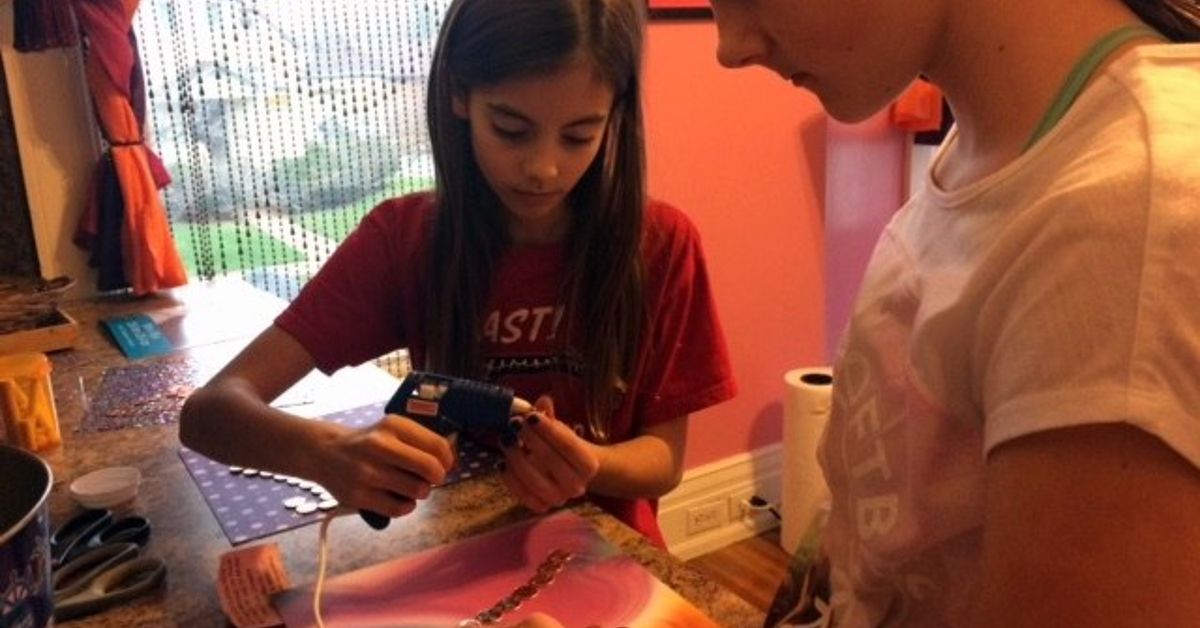
Both options work. Buying is convenient, especially if you want a finished gift with engraving, framing, or custom packaging. Making one yourself adds emotional depth because your hands become part of the story. That said, not every homemade keepsake looks charming. Some look like a glue gun had a nervous breakdown. Choose the route that fits your skill level, timeline, and aesthetic standards.
If you buy one, look for sellers who clearly identify the coin’s year, condition, and presentation materials. Be cautious about inflated claims, especially when sellers lean hard on words like “rare,” “investment,” or “guaranteed value.” A penny keepsake is usually at its best when it is honest about what it is: a sentimental object with a story, not a secret treasure chest in miniature form.
Why Penny Keepsakes Still Matter in a Digital World
We live in an age where memories are often trapped in camera rolls, cloud folders, and phones with 14,000 photos of meals, pets, sunsets, and one accidental screenshot of a weather app. A penny keepsake offers something different. It is physical. It can be held, passed down, tucked into a drawer, or rediscovered years later.
That rediscovery is part of the magic. A penny keepsake does not shout for attention. It waits. Then one day you find it, and suddenly you remember the person, the trip, the joke, the house, or the season of life it belongs to. That is what makes it more than loose change. It becomes a trigger for memory, and memory is often the real keepsake.
For collectors, penny keepsakes can also open the door to a broader appreciation of coin history. For non-collectors, they offer a simpler reward: one small object that proves ordinary life was worth noticing.
Experiences Related to the Topic “Penny Keepsake”
The most memorable penny keepsake stories rarely start in a coin shop. They start in everyday places. A father reaches into his pocket after paying for gas and hands his daughter a penny from her birth year. She is too young to understand why he is smiling, but years later she still has it in a tiny jewelry box with broken earrings and a bracelet that has seen better days. That penny survives every phase: braces, dorm rooms, first apartment, first adult cry in a grocery store parking lot. It is not expensive. It is just stubbornly meaningful.
Then there is the classic vacation pressed penny saga. A family spots the machine near the gift shop exit and suddenly everyone becomes an economist, engineer, and emotional negotiator at once. Do we have enough change? Is the machine working? Which design do we choose? Why is the youngest child acting like this decision determines the future of civilization? The coin rolls out warm and stretched, slightly shiny, undeniably silly, and somehow perfect. Twenty years later, that elongated penny can still bring back the smell of sunscreen, the bad parking situation, and the exact way everyone laughed when the map was upside down the whole time.
Some experiences are quieter. A widow finds a jar in the garage filled with pennies her husband used to toss into it every evening. Most are ordinary. A few are wheat cents. One matches the year they married. She does not care about catalog numbers or mintages. She lines them up on the kitchen table, runs a finger along the edges, and decides the jar itself was a record of daily life. That kind of penny keepsake is not curated for an audience. It is private, almost tender in its plainness.
There are joyful stories too. Grandparents often build penny gifts that children understand later. A framed set of pennies from the birth years of all the grandkids may seem cute at first. Then time passes, more names are added, and the frame becomes a family timeline in metal. One coin for each arrival. One little circle for each life that changed the room forever.
Even solo travelers get in on the sentiment. A single pressed penny from a museum stop or park visit can represent independence, curiosity, and the thrill of going somewhere alone and coming back slightly changed. It is the kind of keepsake that fits in a pocket yet carries an entire chapter.
What all these experiences have in common is simple: the penny matters because people matter. The coin is only the container. The real value is the moment attached to it. That is why penny keepsakes endure. They are humble enough to feel real, small enough to keep, and sturdy enough to outlast the day they came from. Not every memory needs a giant monument. Sometimes it just needs one cent and a good story.
Conclusion
A penny keepsake works because it turns something ordinary into something unforgettable. Whether it is a birth-year cent, a travel souvenir, a wedding token, a lucky charm, or a memorial piece, the appeal is the same: a small coin can hold a surprisingly large story. When chosen thoughtfully and preserved properly, a penny keepsake becomes more than spare change. It becomes a marker of time, affection, and memory that feels personal in a way many mass-produced gifts never do.
That is the secret. The penny is not impressive because it is flashy. It is impressive because it lasts, and because it quietly travels through American life carrying dates, symbols, and stories with it. A good penny keepsake does the same.
SEO Tags













