
A patterned sofa table may sound like a small decorating decision, but in a living room, small decisions have a funny way of acting like they own the place. One minute you are looking for somewhere to put a lamp, a bowl for keys, or the remote that always disappears into the couch like it has a second job. The next minute, you are choosing between geometric inlay, carved wood, checkerboard finishes, faux marble, rattan texture, painted motifs, or a slim console table with enough personality to make your sofa feel underdressed.
The patterned sofa table is part furniture, part style trick, and part household peacekeeper. It can hide the awkward back of a floating sofa, create a soft divider in an open floor plan, hold decorative objects without demanding coffee-table-level attention, and add visual rhythm to a room that feels too plain. Used well, it makes a living room look layered, intentional, and collected. Used badly, it becomes a landing strip for receipts, chargers, and three lonely candles that never knew each other socially.
This guide explains how to choose, style, and live with a patterned sofa table in a way that feels polished but not precious. We will cover size, placement, materials, patterns, styling formulas, room examples, buying tips, and real-life experiences that prove this humble table can work harder than it looks.
What Is a Patterned Sofa Table?
A patterned sofa table is a narrow console-style table placed behind a sofa, along a wall, in an entryway, or between living zones. What makes it “patterned” is the visual detail on its surface, base, front panels, shelf, or material. The pattern might be bold, like black-and-white stripes or a geometric metal base. It might be subtle, like wood grain, burl veneer, caning, fluting, carved lines, mosaic inlay, bone-inspired motifs, painted borders, or faux stone veining.
Unlike a standard plain console table, a patterned sofa table brings movement. It helps the eye travel across the room and gives the space a point of interest without requiring you to repaint walls or replace the sofa. Think of it as the decorative equivalent of adding a great belt to a simple outfit. The sofa is the jeans. The table is the belt. The lamp is the buckle. Suddenly, everyone thinks you planned the whole thing.
Sofa Table vs. Console Table: Is There a Difference?
The terms are often used interchangeably, but there is a small distinction. A console table can go almost anywhere: entryway, hallway, dining room, bedroom, or living room. A sofa table is usually positioned behind or beside a sofa. In practice, many furniture stores list the same piece as a console table, entry table, hallway table, or sofa table. The important point is not the label. It is whether the size, depth, height, and style work for your room.
Why Pattern Works So Well Behind a Sofa
The back of a sofa is rarely the most glamorous view in the home. Even a beautiful sofa can look like a big upholstered wall when it floats in the middle of a room. A patterned sofa table solves that problem by giving the back of the sofa a visual partner. It creates a finished edge, especially in open-concept spaces where the living area blends into a dining room, kitchen, or entry.
Pattern also adds depth. A living room with only solid colors can feel safe but sleepy. Add a patterned table, and suddenly the space has rhythm. A herringbone wood top warms up a neutral sectional. A cane-front table softens a modern room. A marble-look console adds movement to a minimalist setting. A carved or inlaid table brings a global, vintage, or artisan feel without turning the room into a museum gift shop.
Pattern Gives the Room a “Collected” Look
Interior designers often aim for rooms that feel collected over time rather than purchased in one afternoon. A patterned sofa table helps create that effect because it looks specific. It suggests that someone chose it for a reason. Even if the table arrived in a flat box with an Allen wrench and a mysterious extra screw, the right pattern can still make the room feel personal.
How to Choose the Right Size
Before falling in love with a patterned sofa table, measure the sofa. Then measure the walkway behind it. Then measure again, because furniture has a magical way of expanding after delivery. A good sofa table should usually sit close to the height of the sofa back or slightly lower. If it towers above the sofa like a referee at a basketball game, it will look awkward. If it is too short, accessories may disappear behind the cushions.
Length matters too. A sofa table that is at least two-thirds the length of the sofa usually looks balanced. It does not need to run from arm to arm, but it should feel visually connected to the sofa rather than like a nervous little table hiding behind it. For depth, narrower is usually better behind a couch. Slim tables often range from about 8 to 18 inches deep, depending on the room. A deeper table can work in a large open area, but in a walkway, it may become a shin-level obstacle with decorative aspirations.
Quick Sizing Checklist
- Choose a height close to the sofa back or slightly lower.
- Look for a length around two-thirds of the sofa width for visual balance.
- Keep depth slim if the table sits in a walkway.
- Leave comfortable walking space behind the sofa when possible.
- Check lamp height so bulbs do not glare directly into seated eyes.
Popular Patterned Sofa Table Styles
1. Geometric Patterned Sofa Table
Geometric patterns are crisp, modern, and easy to style. Look for diamond inlay, chevron tops, X-frame bases, lattice metalwork, or paneled fronts. A geometric sofa table works beautifully with clean-lined sectionals, mid-century furniture, abstract art, and neutral upholstery. The trick is to let the pattern be the star. If the table has a bold base, keep the accessories simple: one lamp, a stack of books, and a sculptural bowl can be plenty.
2. Wood Grain, Burl, and Inlay Patterns
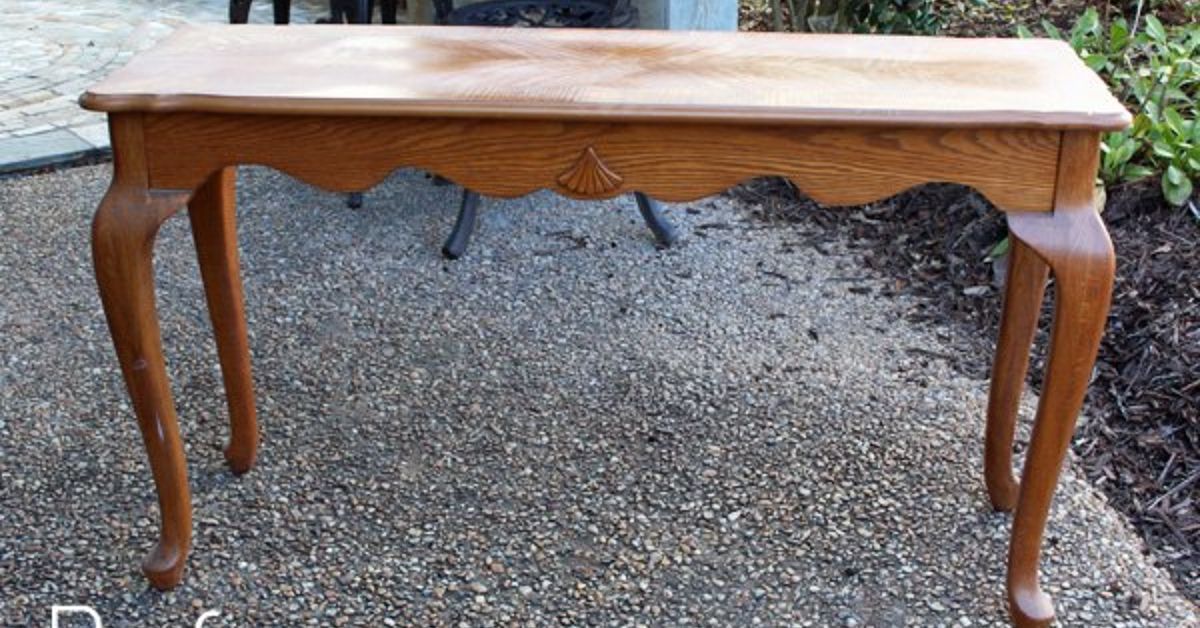
Wood pattern is the quiet luxury of the sofa-table world. Burl, oak veneer, mango wood, acacia, walnut, and herringbone patterns add warmth without shouting. These tables are especially useful in rooms with white walls, gray sofas, or black metal accents because they prevent the space from feeling cold. A patterned wood sofa table can lean rustic, modern, traditional, or organic depending on the silhouette.
3. Cane, Rattan, and Woven Textures
Cane and rattan create pattern through texture rather than color. They are great for coastal, bohemian, California casual, Japandi, and relaxed traditional rooms. A cane-front table with drawers gives you storage while adding a breathable, airy look. It also pairs well with plants, linen lampshades, ceramic vases, and woven baskets. Basically, it says, “Yes, I am stylish, but I also drink iced coffee on the porch.”
4. Marble and Faux Stone Patterns
Stone patterns bring elegance and movement. A marble, travertine, quartz-look, or faux stone table can make a living room feel more refined. Real stone is heavy and often expensive, while faux stone or printed finishes are more budget-friendly and easier to move. Stone-patterned tables look especially sharp with brass, black metal, glass, velvet, and modern lighting.
5. Painted and Colorful Patterned Tables
A painted patterned sofa table is for the homeowner who has looked beige directly in the eye and said, “Not today.” Stripes, florals, borders, folk-inspired motifs, checkerboard designs, and hand-painted details can create a strong focal point. These tables work best when at least one color appears elsewhere in the room, such as in pillows, art, a rug, or a throw blanket. That connection keeps the table from looking like it wandered in from another house.
Where to Place a Patterned Sofa Table
Behind a Floating Sofa
This is the classic placement. If your sofa floats in an open floor plan, a patterned sofa table gives it a finished back and helps define the living zone. Add a pair of lamps for symmetry or one lamp with a tall vase for a more relaxed look. Storage baskets beneath the table can hold blankets, board games, pet toys, or the pile of things everyone swears they will put away later.
Against a Living Room Wall
A patterned sofa table can also work against a wall as a console. Place it below a mirror, large artwork, gallery wall, or mounted television. In a small room, this gives you a decorative surface without the bulk of a cabinet. If the table has a patterned front or top, it can carry the design even when the styling is minimal.
In an Entryway
Many patterned sofa tables double beautifully as entry tables. A patterned piece near the front door sets the tone for the home. It can hold a tray for keys, a lamp, a small bowl, fresh flowers, and a basket for shoes or dog leashes. It is also the perfect place to pretend your home is always organized five seconds before guests arrive.
Between Living and Dining Areas
In an open layout, place the table behind the sofa facing the dining area. This creates a soft visual divider without blocking light or conversation. A patterned design adds style on both sides, which matters because in open rooms, furniture is viewed from multiple angles.
How to Style a Patterned Sofa Table Without Overdoing It
The biggest styling mistake is treating the table like a storage unit for every small object in the house. A patterned table already has visual energy, so accessories should support it, not wrestle it for attention. The best formula is simple: vary height, mix texture, repeat color, and leave some empty space.
The Three-Zone Styling Method
Divide the table into three loose zones. In the first zone, place something tall, such as a lamp, vase, or branches. In the middle, add a lower object such as stacked books, a tray, or a decorative box. In the third zone, use something personal: framed photos, a small sculpture, a candle, or a plant. This creates movement from high to low while keeping the surface organized.
Use Trays to Control Clutter
A tray is the polite bouncer of home decor. It tells clutter where to stand. On a patterned sofa table, choose a tray that contrasts with the table but does not compete with it. For a busy geometric table, try a plain wood, metal, or glass tray. For a subtle wood-grain table, a patterned tray can add another layer.
Repeat One Color From the Pattern
If the table has black lines, add a black picture frame or black lamp base. If it has warm wood tones, repeat them with a woven basket or tan ceramic vase. If the pattern includes blue, bring in blue books or a small blue bowl. Repeating color makes the design feel intentional, not accidental.
Balance Pattern With Solid Shapes
Pattern needs breathing room. Pair a patterned sofa table with solid-colored accessories, simple lampshades, and clean silhouettes. If you already have a patterned rug, patterned pillows, and patterned curtains, choose a table with a quieter pattern such as wood grain, fluting, or cane. A room can wear several patterns, but it should not look like they are arguing at a family reunion.
Pattern Mixing: How to Make It Look Designer-Level
Mixing patterns is not about throwing stripes, florals, and checks into a room and hoping they become friends. The secret is variation in scale. A large patterned rug can pair with a medium patterned sofa table and small patterned pillows. The eye reads them as layers instead of competition. Keep the palette connected, and the room will feel lively rather than chaotic.
For example, imagine a beige sofa, a blue-and-cream vintage-style rug, and a slim table with a subtle herringbone wood top. Add navy pillows, a brass lamp, and a white ceramic vase. The patterns are different, but the colors and textures speak the same language. Now imagine the same room with a striped table, zebra pillows, a floral rug, and polka-dot curtains. That is not design; that is a pattern talent show with no judges.
Easy Pattern Pairings
- Chevron wood table with solid linen sofa and textured rug.
- Cane-front table with striped pillows and coastal artwork.
- Marble-pattern table with velvet sofa and abstract art.
- Checkerboard table with neutral upholstery and simple black frames.
- Fluted wood table with boucle chairs and a wool rug.
Best Materials for a Patterned Sofa Table
The right material depends on how you live. If the table is mostly decorative, delicate finishes may be fine. If children, pets, snacks, backpacks, and “I’ll just set this here for a second” energy are involved, choose something more durable.
Solid Wood and Veneer
Solid wood is durable and can often be refinished, while veneer can deliver beautiful pattern at a lower cost. Look for kiln-dried wood or well-constructed frames when possible. Wood hides minor dust better than glass and adds warmth to almost any living room.
Metal and Glass
Metal bases with patterned shapes are strong choices for modern or glam rooms. Glass tops make a small space feel more open, but they require regular cleaning. If fingerprints bother you, glass may test your patience and your paper towel budget.
Stone and Faux Stone
Stone tops look elegant and substantial. Faux stone can offer the visual effect with less weight and cost. Use coasters and pads to prevent rings, scratches, and heat marks.
Rattan, Cane, and Woven Panels
Woven materials add texture and softness. They are beautiful on drawer fronts or lower shelves, but they can collect dust in small openings. A soft brush or vacuum attachment helps keep the pattern fresh.
Practical Features Worth Considering
A patterned sofa table should look good, but it also needs to earn its square footage. Drawers are useful for remotes, chargers, coasters, and notebooks. A lower shelf can hold baskets, books, or decorative boxes. Built-in outlets or charging ports are helpful behind a sofa, especially if the table will support lamps or devices. Just make sure cords are hidden or clipped neatly. Nothing ruins a stylish console faster than a cord situation that looks like spaghetti learned to escape.
Storage Ideas
- Use baskets under an open table for blankets or toys.
- Choose drawers for remotes, batteries, and cables.
- Add decorative boxes for small items you want hidden.
- Use a lower shelf for coffee table books or seasonal decor.
- Place a narrow tray on top for keys, glasses, or coasters.
Room-by-Room Design Examples
Modern Neutral Living Room
Choose a slim black-and-white geometric sofa table behind a cream sectional. Add a matte black lamp, two oversized art books, a low stone bowl, and a single olive branch arrangement. Keep the rug quiet and let the table provide the graphic punch.
Coastal Family Room
Use a cane-front or woven rattan table behind a slipcovered sofa. Add ceramic lamps, a blue glass vase, woven baskets underneath, and framed beach photography. The pattern feels relaxed, breezy, and family-friendly without becoming a seashell explosion.
Traditional Living Room
Pick a wood inlay table with turned legs or a warm burl pattern. Style it with a pair of lamps, a brass tray, framed family photos, and a vase of greenery. The table adds richness without overwhelming classic upholstery.
Small Apartment
Choose a narrow table with long legs and a subtle pattern, such as fluting or light wood grain. Use wall-mounted art above it if the sofa is against a wall, or place it behind the sofa to create a tiny work perch. A stool tucked underneath can turn it into a mini desk when needed.
Buying Tips for a Patterned Sofa Table
Start with function, then move to style. Ask where the table will go, what it needs to hold, how much traffic surrounds it, and whether the pattern will work with the room’s existing colors. A bold pattern can be wonderful, but only if it supports the space. If your room already has a dramatic rug, colorful art, and printed pillows, choose a quieter table. If your room feels flat, go bolder.
Check product dimensions carefully, especially depth. Read material descriptions so you know whether you are buying solid wood, veneer, engineered wood, metal, glass, stone, or faux marble. Look at photos from multiple angles. A patterned top may look gorgeous online, but if the table sits behind a sofa, the front or base may matter more than the top. Also consider assembly. Some tables are simple to put together; others may require patience, a second person, and the emotional strength of someone building furniture on a Sunday evening.
Questions to Ask Before Buying
- Will the height work with my sofa?
- Is the table narrow enough for the walkway?
- Does the pattern repeat colors already in the room?
- Do I need drawers, shelves, outlets, or baskets?
- Will the finish be easy to clean?
- Does the table look good from the front, back, and sides?
How to Maintain a Patterned Sofa Table
Maintenance depends on the finish. Dust wood and cane regularly with a soft cloth. Use coasters on stone, faux stone, and painted surfaces. Avoid harsh cleaners unless the manufacturer recommends them. For glass, use a streak-free cleaner and a microfiber cloth. For carved, fluted, or woven patterns, use a soft brush to remove dust from grooves.
Protect the table from direct heat, standing water, and sharp objects. If the table sits behind a sofa where people place drinks, add a tray or coasters. If it is near a sunny window, rotate accessories occasionally so the finish ages evenly. A little care keeps the pattern looking intentional instead of “vintage, but not in the good way.”
Common Mistakes to Avoid
The first mistake is choosing a table that is too deep. A sofa table should support the room, not block traffic. The second mistake is ignoring scale. Tiny accessories on a long table look scattered, while oversized lamps on a narrow table look nervous. The third mistake is too many patterns at once. If the table is bold, let some surrounding pieces be calm.
Another common mistake is leaving the table bare. A patterned sofa table has personality, but it still needs styling to feel connected to the room. Add lighting, books, art, greenery, or a useful tray. Finally, do not forget the back view. If the table is visible from multiple sides, avoid unfinished backs, messy cords, or storage baskets overflowing like they are auditioning for a home-organization rescue show.
Personal Experiences With a Patterned Sofa Table
Living with a patterned sofa table is one of those design experiences that sounds minor until you actually try it. In many homes, the sofa is pushed against a wall because everyone is afraid of the empty space behind it. But once a sofa floats in the room with a table behind it, the whole layout can suddenly make more sense. The table becomes a bridge between furniture pieces. It tells the eye, “Yes, the sofa is supposed to be here. We have a plan.”
One of the most useful experiences comes from using a patterned wood sofa table behind a neutral couch. At first, the room may feel finished enough: sofa, rug, coffee table, television, maybe a plant bravely trying to survive in the corner. But add a herringbone or burl-pattern table behind the sofa, and the space gains warmth immediately. The wood pattern breaks up the plain upholstery and makes the sofa look less like a giant rectangle. With two lamps on the table, the room also becomes more comfortable at night. Overhead lighting can make everyone look like they are being questioned in a police drama. Table lamps are kinder.
Another practical lesson is that pattern hides life. A perfectly smooth, dark table can show every speck of dust, fingerprint, and mysterious crumb. A patterned surface is more forgiving. Wood grain, woven cane, stone veining, and subtle geometric details distract the eye from minor daily mess. This does not mean the table never needs cleaning. It simply means it will not announce every dust particle like breaking news.
In a small apartment, a patterned sofa table can do double duty as a mini command center. A narrow console behind the sofa can hold a lamp, a charging station, a notebook, and a tray for keys. If the table is tall enough, it may even work as a casual laptop perch when paired with a stool. The pattern matters here because small spaces often lack architectural detail. A cane, fluted, or painted table adds character without taking up wall space.
Families often discover that a sofa table becomes the household drop zone. This can be good or dangerous, depending on whether there is a system. A table with drawers is ideal because it gives small items a home. Remotes, game controllers, reading glasses, lip balm, and charging cables can disappear into drawers instead of forming a tiny civilization on the tabletop. Baskets underneath are equally helpful for blankets and toys. The key is to style the top simply and let storage handle the chaos.
Patterned sofa tables also teach a valuable decorating lesson: one interesting piece can reduce the pressure on everything else. You do not need ten dramatic accessories if the table already has a beautiful pattern. A lamp, a vase, and a few books may be enough. This is especially helpful for people who want a stylish room but do not want to spend every weekend rearranging decorative objects like a museum curator with caffeine.
The best experience is when guests notice the table without immediately knowing why the room feels better. They may say the living room looks cozy, finished, or expensive. Often, the patterned sofa table is quietly doing that work. It frames the seating area, adds texture, supports lighting, hides clutter, and brings in personality. Not bad for a narrow piece of furniture that many people once thought was optional.
Conclusion: A Small Table With Big Design Energy
A patterned sofa table is more than a decorative afterthought. It is a practical surface, a room divider, a storage helper, a lighting base, and a style statement in one slim package. Whether you choose geometric inlay, warm wood grain, woven cane, faux marble, painted motifs, or subtle fluting, the right table can make a living room feel layered and complete.
The secret is balance. Measure carefully, choose a pattern that supports your existing decor, and style the table with restraint. Let it add rhythm without creating clutter. Let it bring personality without starting a pattern parade. Most of all, choose a piece that fits how you actually live. A beautiful sofa table should not require museum behavior. It should make the room better, easier, and a little more charming every day.
Note: This article is original, publish-ready content based on widely used U.S. interior design principles, furniture styling practices, and current sofa table and console table trends.












