
Note: This is original, web-ready HTML body content written in standard American English and synthesized from current U.S. outdoor-living, home improvement, gardening, and safety guidance.
A patio has a funny way of exposing our good intentions. One minute, we imagine sunset dinners, iced tea, twinkle lights, and relaxed conversations. The next, the “outdoor room” is a lonely chair, a faded cushion, three mystery planters, and a grill cover flapping like a pirate flag. A patio setting update is not just about buying a new table or tossing down a rug. It is about turning an underused patch of outdoor space into a comfortable, practical, good-looking extension of your home.
The good news? You do not need a resort budget, a landscape architect on speed dial, or a backyard the size of a public park. A smart patio update starts with how you actually live. Do you host family dinners? Sip coffee alone before the world starts asking for things? Need a kid-friendly zone? Want a quiet reading corner? Once the purpose is clear, every choicefrom patio furniture and outdoor lighting to planters, shade, rugs, and decorgets easier.
This guide walks through a complete patio setting update with practical ideas, specific examples, and a little humor because outdoor cushions should not be the only thing bringing personality to the space.
What Is a Patio Setting Update?
A patio setting update is a refresh of your outdoor living area so it feels more useful, comfortable, stylish, and connected to the rest of your home. It can be as simple as rearranging chairs, adding outdoor pillows, and replacing old planters. It can also be a larger makeover involving new patio furniture, better lighting, privacy screens, shade solutions, container gardens, or a dedicated dining and lounge layout.
The best updates usually combine three things: function, comfort, and atmosphere. Function answers the question, “Can people move, sit, eat, and relax here easily?” Comfort asks, “Would I stay out here longer than seven minutes?” Atmosphere is the part that makes guests say, “Wow, this feels nice,” instead of “Is this chair supposed to wobble like that?”
Start With a Patio Reality Check
Before buying anything, step outside and observe the space like a very polite detective. Look at the sun, shade, wind, traffic flow, views, privacy, outlets, door swings, drainage, and how far the patio is from the kitchen. These details affect what belongs there.
For example, a dining set sounds charming until you realize the patio gets full afternoon sun and the umbrella base is missing. A sectional may look luxurious online, but if it blocks the path from the back door to the grill, it will become an expensive obstacle course. A fire pit is inviting, but it must be placed safely, away from structures, overhangs, dry leaves, and anything that can burn.
Ask These Questions First
- How many people should the patio seat on a normal day?
- Will the space be used more for dining, lounging, working, or entertaining?
- Does the patio need shade, privacy, lighting, or better storage?
- What furniture or decor already works?
- What items are damaged, uncomfortable, unsafe, or simply annoying?
This quick audit prevents impulse purchases. The goal is not to create a showroom. The goal is to create a patio that makes sense for your home, climate, habits, and tolerance for cushion maintenance.
Choose the Right Patio Layout
Layout is the backbone of a patio setting update. Even beautiful furniture looks awkward when arranged without a plan. Think of the patio as an outdoor room with zones. A small patio may only need one strong zone, such as a bistro table for two or a pair of lounge chairs with a side table. A larger patio can support multiple zones: dining near the house, lounging farther out, and a grilling area with safe clearance.
Leave enough space for people to walk comfortably around furniture. Chairs should pull out without scraping against planters or trapping guests at the table like they lost a patio-themed game show. If the area is narrow, use slim benches, folding chairs, nesting tables, or furniture with open frames to keep the space airy.
Layout Ideas That Work
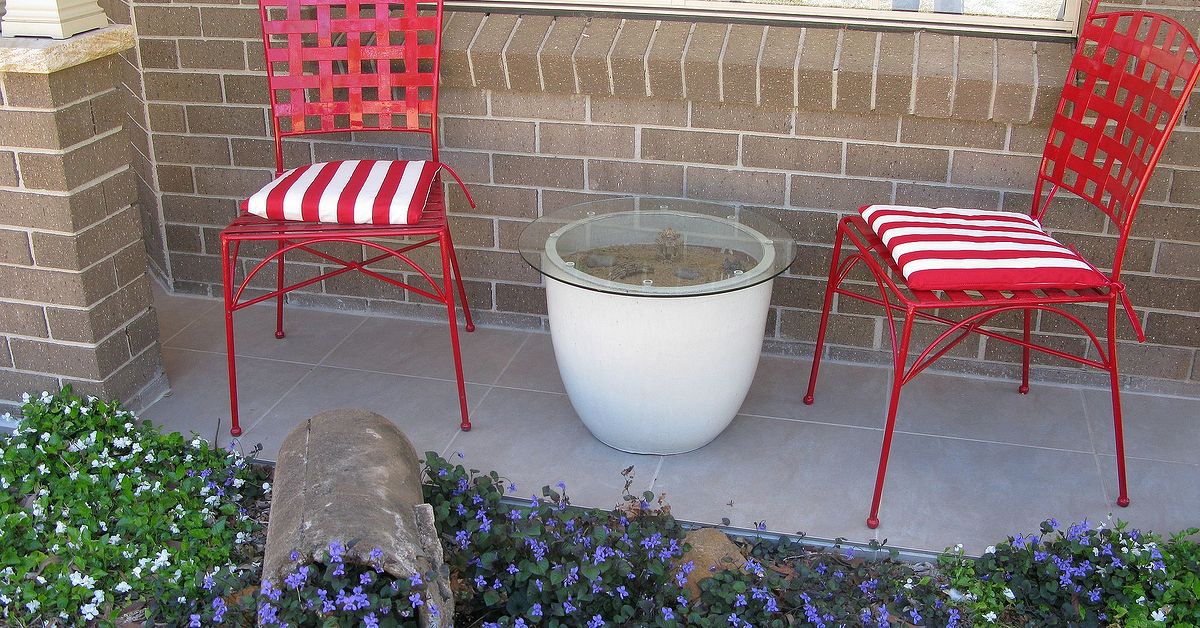
For a compact patio, try two chairs angled toward each other with a small round table between them. Add a rug to define the zone and a tall planter behind one chair for height. For a family patio, place a rectangular dining table close to the kitchen door and use stackable chairs for flexibility. For an entertainment patio, create a conversation circle with a sofa, two chairs, and a coffee table or fire feature in the middle.
If your patio connects to a yard, avoid making the furniture face only the house. Turn seating toward the garden, a tree, a fire pit, or a nice view. Outdoor spaces feel better when they acknowledge the outdoors. Revolutionary idea, yes.
Update Patio Furniture Without Regret
Patio furniture should look good, feel good, and survive weather without demanding the emotional commitment of a houseplant with trust issues. When choosing furniture, consider your climate first. Hot sun, heavy rain, humidity, salt air, snow, and strong wind all affect materials differently.
Aluminum is lightweight, rust-resistant, and easy to move. Powder-coated steel is sturdy but may need touch-ups if the coating chips. Teak is durable and classic, though it weathers to a silver-gray unless maintained. Resin wicker gives a woven look with better weather resistance than natural wicker. Recycled plastic and high-grade outdoor polymers can be long-lasting and low-maintenance. Cushions should use outdoor-rated fabrics and quick-drying foam when possible.
Furniture Update Tips
- Measure before buying, then measure again because patios enjoy humbling people.
- Prioritize comfort for seats used daily.
- Choose fewer, better-scaled pieces instead of crowding the patio.
- Avoid indoor furniture outdoors unless you enjoy mildew as a design motif.
- Use furniture covers or storage during harsh weather.
You do not always need new furniture. Sometimes a patio setting update begins with cleaning frames, replacing cushions, tightening screws, sanding rough wood, or repainting metal chairs. Add new pillow covers and the old set may suddenly act like it has been to a spa.
Layer Outdoor Rugs, Pillows, and Textures
An outdoor rug is one of the fastest ways to make a patio feel finished. It defines a seating area, softens hard surfaces, and adds color or pattern. Choose a rug made for outdoor use, preferably one that drains and dries quickly. In rainy climates, avoid placing rugs where water pools. In dusty areas, pick a pattern that does not show every footprint, leaf, and dramatic entrance made by the dog.
Pillows and cushions bring comfort and style, but they should be weather-resistant. Mix solids, stripes, and small patterns for visual interest. If your indoor decor is calm and neutral, carry that palette outside with natural textures like wood, stone, wicker, and linen-look fabrics. If you love bold color, the patio is a great place to experiment with cheerful blues, citrus tones, coral, green, or terracotta.
Add Shade Before Everyone Melts
A patio without shade can become less “outdoor living room” and more “ceramic skillet.” Shade makes the space usable for longer stretches of the day. Umbrellas are flexible and budget-friendly. Cantilever umbrellas work well for lounge areas because the pole sits off to the side. Shade sails create a modern look and can cover awkward spaces. Pergolas add structure and can support vines, curtains, or lighting.
For a quick update, add a market umbrella over a dining table or use outdoor curtains on a covered patio to soften harsh sunlight. If the patio receives strong afternoon sun, choose lighter cushion colors and breathable fabrics. Dark furniture may look dramatic, but in July it can also become a surprise branding iron.
Use Lighting to Create Evening Atmosphere
Lighting is where a patio setting update starts to feel magical. Good outdoor lighting should be layered. Use overhead string lights for ambiance, lanterns or portable lamps near seating, path lights for safety, and wall sconces where the patio meets the house. Solar lights can work well in sunny locations, while plug-in or hardwired fixtures are more reliable for consistent brightness.
Avoid making the patio too bright. Nobody wants to relax under lighting that says “parking lot inspection.” Warm, soft light is usually more flattering and comfortable. Place lights where they help people see steps, food, drinks, and each other’s faces without glare.
Simple Lighting Upgrades
- Hang string lights in a zigzag or perimeter pattern.
- Add two lanterns near a seating area.
- Use path lights along the route from the door to the patio.
- Place a rechargeable table lamp on the dining table.
- Install sconces beside doors for a polished look.
Bring in Plants for Life, Privacy, and Color
Plants make a patio feel alive. They soften hard edges, add privacy, attract pollinators, and make even a modest seating area feel intentional. Container gardening is ideal for patios because it offers flexibility. You can move pots, change seasonal flowers, grow herbs near the kitchen, or create a leafy privacy screen with tall planters.
Choose containers with drainage holes. Without drainage, roots may sit in water and rot. Use quality potting mix rather than garden soil, which can compact in containers. Group pots in odd numbers and vary heights for a layered look. A tall planter with ornamental grass, a medium pot of flowers, and a small herb container can instantly upgrade a plain corner.
Easy Patio Plant Ideas
For sun, consider lavender, rosemary, lantana, salvia, ornamental grasses, dwarf citrus, succulents, or petunias. For shade, try ferns, caladiums, begonias, hostas, coleus, or impatiens. For edible updates, grow basil, mint, parsley, chives, cherry tomatoes, peppers, or strawberries in containers. Just remember that mint should usually live in its own pot unless you want it to become mayor of the entire patio.
Create Privacy Without Building a Fortress
Privacy is one of the most common reasons people avoid using their patios. Nobody wants to feel like they are starring in the neighbor’s window-side dinner theater. Fortunately, privacy can be added in attractive ways.
Use tall planters, trellises, outdoor curtains, bamboo screens, lattice panels, hedges, or vertical gardens. A row of large containers with evergreens or ornamental grasses can soften a boundary while adding movement and texture. For renters or small patios, freestanding screens and planter boxes with trellises offer privacy without permanent construction.
The trick is to block the most uncomfortable sightlines rather than enclosing the entire space. A partial screen near the seating area may be enough to make the patio feel cozy without turning it into a decorative bunker.
Make the Patio Work for Dining and Entertaining
If you plan to eat outside often, treat the dining zone seriously. Choose a table that fits the number of people you usually host, not the fantasy version of yourself who throws weekly twelve-person dinner parties with matching napkin rings. For small spaces, a round table improves flow. For families, a rectangular table or expandable option may work better.
Place the dining area close enough to the kitchen to avoid long food-carrying trips. Add a bar cart, outdoor cabinet, or storage bench for napkins, serving trays, candles, and grilling tools. Use melamine, enamelware, or durable outdoor dishes if breakage is a concern. A washable tablecloth or outdoor placemats can add style and make cleanup easier.
For entertaining, include enough side tables. Guests need places to set drinks, plates, phones, sunglasses, and the mysterious little items everyone brings outside. A patio with seating but no surfaces is basically a waiting room with mosquitoes.
Think About Fire Features Carefully
Fire pits and outdoor fireplaces can make a patio feel warm, social, and inviting. They also require serious safety planning. Use fire features outdoors only, on level nonflammable surfaces, and away from the house, fences, overhangs, dry plants, furniture, and anything combustible. Keep water, a hose, sand, or a fire extinguisher nearby, and never leave a fire unattended.
Wood-burning fire pits offer classic crackle and campfire smell. Propane fire tables are cleaner, easier to control, and often better for patios where smoke would be a problem. Always check local fire rules, especially during dry seasons or burn restrictions.
Upgrade Storage and Maintenance
A beautiful patio can fall apart quickly if there is nowhere to put things. Add storage for cushions, covers, gardening tools, citronella candles, outdoor games, and grilling accessories. Storage benches, deck boxes, sideboards, and weather-resistant cabinets can hide clutter while doubling as surfaces or seating.
Maintenance should be part of the design. Choose washable cushion covers, easy-clean tabletops, durable planters, and rugs that can be hosed off. Sweep regularly, remove leaves from corners, wipe furniture after storms, and check for mildew in shaded areas. A patio that is easy to maintain is a patio you will actually use.
Budget-Friendly Patio Setting Update Ideas
You can refresh a patio without replacing everything. Start with cleaning. Power-wash pavers carefully, scrub furniture, wash cushion covers, and remove broken decor. Then rearrange what you already own. Moving a table, changing the angle of chairs, or grouping planters together can make the space feel new.
Low-Cost Updates With Big Impact
- Replace faded pillows with outdoor pillow covers.
- Add a washable outdoor rug.
- Paint old metal furniture with outdoor-rated paint.
- Use solar lanterns or string lights for evening glow.
- Plant herbs in matching containers.
- Add a small side table between chairs.
- Hang outdoor curtains for softness and privacy.
- Use a tray to organize candles, glasses, or small plants.
The most effective patio updates often come from editing. Remove items that are broken, faded, mismatched, or never used. A clean, intentional patio usually looks more expensive than a crowded one filled with bargain finds fighting for attention.
Common Patio Update Mistakes to Avoid
The first mistake is buying furniture before measuring. The second is ignoring comfort. A chair that looks beautiful but feels like a punishment device will not become more comfortable because it photographs well. The third mistake is forgetting shade and lighting. If the patio is too hot by day and too dark by night, it will not be used much.
Another mistake is overdecorating. Outdoor spaces need breathing room. Too many signs, planters, pillows, colors, and accessories can make the patio feel chaotic. Choose a simple palette, repeat materials, and let plants do some of the decorating. Nature has been styling outdoor spaces for a while; she knows a few things.
Real-Life Experiences From a Patio Setting Update
One of the most useful lessons from updating a patio is that the first plan is rarely the best plan. Many homeowners begin by shopping, but the smarter move is living with the space for a few days. Sit outside in the morning, afternoon, and evening. Notice where the sun hits your face, where the wind knocks over napkins, where water collects after rain, and where people naturally place their chairs. The patio will tell you what it needs, although unfortunately it will not speak up before you buy the wrong umbrella.
In one small patio update, the original setup had a square table pushed against the wall, four stiff chairs, and several small pots scattered around the perimeter. It technically had furniture, but nobody used it. The first change was not a purchase. The table was moved to the center, two chairs were removed, and the remaining chairs were angled slightly instead of lined up like a meeting with the homeowners association. Instantly, the space felt more conversational.
The next improvement was lighting. A single harsh porch light made the patio feel exposed, so warm string lights were added along the fence, and two battery-powered lanterns went on the table. That small change made evening use more appealing than any piece of furniture could have. Suddenly, the patio became a place for dessert, quiet conversation, and occasionally pretending emails did not exist.
Plants made the biggest visual difference. Instead of many tiny pots, the update used three larger containers: one tall grass for movement, one flowering plant for color, and one herb pot with basil and rosemary. The larger containers looked more intentional, required less clutter, and helped frame the seating area. The herb pot also made the space smell good, which is an underrated design feature unless your current patio aroma is “hot hose water.”
Another experience came from a larger backyard patio where the owners wanted both dining and lounging. At first, they placed everything close to the house. The result was cramped and awkward. After testing the space, the dining table stayed near the kitchen door, while the lounge chairs moved toward the garden. A rug defined the seating zone, and a small side table made it usable for drinks and books. The patio began to function like two outdoor rooms instead of one furniture traffic jam.
The biggest surprise in many patio setting updates is how much comfort matters. People may admire a stylish setup, but they return to seats that feel good, tables that are the right height, shade that works, and lighting that makes the evening pleasant. A beautiful patio is nice. A beautiful patio that supports real life is better. That means washable fabrics, stable tables, practical storage, safe fire placement, and enough room to move without performing chair yoga.
In the end, a successful patio update feels personal. It reflects how the household actually spends time outside. Maybe that means a bistro table for slow breakfasts, a sectional for game nights, a container garden for herbs, or a quiet chair under an umbrella. The best patio is not the one that copies a catalog perfectly. It is the one that invites you outside more often and makes staying there feel easy.
Conclusion
A patio setting update is one of the most rewarding home improvements because it changes how you use your space. With the right layout, comfortable furniture, layered lighting, shade, plants, storage, and a few thoughtful details, a plain patio can become an outdoor living area that works from morning coffee to evening gatherings.
Start with purpose, not products. Decide how the patio should function, then build around that goal. Keep traffic flow open, choose weather-appropriate materials, add privacy where needed, and use plants and lighting to create atmosphere. Most importantly, make the space comfortable enough that people actually want to stay. A patio should not just look ready for summer. It should be ready for real conversations, relaxed meals, quiet breaks, and the occasional heroic battle against a determined mosquito.











