
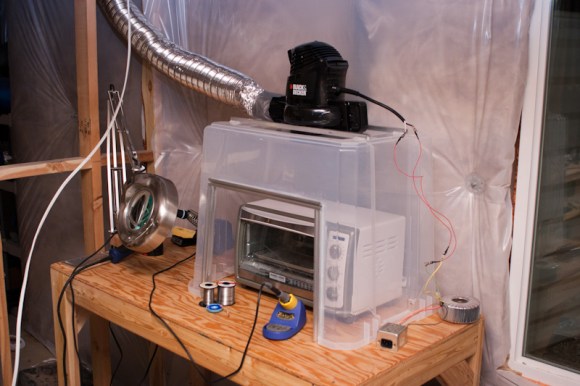
An over-powered fume hood sounds like something a mad scientist would brag about right before the lights flicker, the lab coat billows dramatically, and somebody says, “Should it be making that noise?” But in the real world of laboratories, workshops, makerspaces, and chemistry classrooms, a powerful fume hood can be genuinely awesomewhen it is designed, tested, and used correctly.
A fume hood is not just a fancy cabinet with a fan. It is an engineering control built to capture vapors, gases, aerosols, odors, and airborne contaminants before they drift into the breathing zone. In plain English: it helps keep the weird stuff away from your nose, eyes, and lungs. That alone earns it a gold star. But the phrase “over-powered fume hood” needs a little nuance. More airflow can feel reassuring, especially when the hood pulls air with the confidence of a jet engine. Yet lab ventilation is not a monster truck competition. The safest hood is not always the loudest or strongestit is the one that maintains proper containment without turbulence, backdrafts, energy waste, or user error.
So yes, an over-powered fume hood can be awesome. It can make a lab feel cleaner, safer, and more professional. It can reduce odors, improve confidence, and create a satisfying “whoosh” that makes every experiment feel slightly more cinematic. But the real magic is not brute force. The real magic is controlled airflow.
What Is a Fume Hood, Really?
A laboratory fume hood is a ventilated enclosure that pulls room air through a front opening, across the work area, and out through an exhaust system. Most traditional chemical fume hoods have a movable sashthe glass panel in frontand internal baffles that help guide airflow. The sash is not just a window. It is a safety barrier, an airflow control tool, and sometimes the difference between “routine workday” and “everybody please step back.”
The main job of a fume hood is containment. When a chemical gives off vapors, fumes, or strong odors, the hood captures those airborne hazards and exhausts them away from the user. This is why fume hoods are common in chemistry labs, university research buildings, industrial testing spaces, pharmaceutical facilities, and advanced manufacturing environments.
However, a fume hood is not a universal safety bubble. It is not a storage closet, not a biosafety cabinet, not a blast shield for every possible reaction, and definitely not a substitute for training. A properly functioning hood is a powerful layer of protection, but it works best when paired with good lab practices, proper personal protective equipment, and a healthy respect for airflow physics.
Why an Over-powered Fume Hood Feels So Awesome
Anyone who has worked near a weak, tired, questionable hood knows the feeling. You raise the sash, start your work, and wonder whether the hood is actually pulling air or just pretending. The monitor blinks. The fan hums. The smell lingers. Confidence drops faster than a glass stir rod rolling off a bench.
Now compare that with a strong fume hood. The sash opens smoothly. The airflow monitor looks happy. Vapors disappear quickly. Odors do not loiter around like unwanted party guests. The hood feels decisive. It gives the user a sense that the laboratory is under control.
That is the emotional appeal of an over-powered fume hood: it feels capable. It feels ready. It makes the workspace seem professional, serious, and prepared for messy reality. In a busy lab where multiple users handle volatile materials, strong ventilation can reduce nuisance odors and improve comfort. In educational settings, a well-performing hood can help students focus on learning instead of worrying about every mysterious smell.
But here is where the plot twist enters wearing safety goggles: too much airflow can create problems.
The Big Myth: More Airflow Always Means More Safety
It is tempting to think that if 100 feet per minute of face velocity is good, 200 must be twice as safe. Sadly, airflow does not work like pizza. More is not always better.
Face velocity is the speed of air moving through the hood opening. Many conventional hoods are tested around a target range such as 80 to 120 feet per minute, with some institutional standards using 100 feet per minute as a typical benchmark. The exact acceptable range depends on the hood design, local regulations, hazard assessment, and performance testing.
When airflow is too low, contaminants may escape. That part is obvious. But when airflow is too high, the fast-moving air can become turbulent. Turbulence can swirl vapors around the hood, pull air unpredictably, and interfere with smooth containment. Picture a calm river versus a leaf blower in a closet. The leaf blower is stronger, but it is not exactly elegant.
A truly awesome fume hood is not simply “over-powered.” It is balanced. It pulls enough air to protect the user, but not so much that it creates chaotic flow, excessive noise, uncomfortable drafts, or a shocking utility bill.
Face Velocity: The Number Everyone Talks About
Face velocity is one of the most common measurements used to evaluate fume hood performance. It is measured across the imaginary plane at the front opening of the hood. If the sash is raised higher, the opening becomes larger, and airflow behavior changes. In constant air volume hoods, face velocity can change significantly with sash height. In variable air volume hoods, the system adjusts airflow as the sash moves to maintain more consistent performance.
This is why sash management matters so much. Lowering the sash often improves protection and can reduce energy use, especially in modern variable air volume systems. It also provides a physical barrier between the user and the work inside the hood. In other words, the sash is not there to annoy you. It is there to quietly save the day.
Good Face Velocity Is Not the Whole Story
Face velocity is important, but it is not the only measure of safety. A hood can show a reasonable average velocity and still perform poorly if the airflow pattern is disrupted. Cross-drafts from doors, windows, supply vents, people walking behind the user, or large equipment inside the hood can all reduce containment.
This is why professional testing often considers more than a single airflow reading. Lab managers and safety teams may evaluate sash condition, baffle position, alarm function, smoke visualization, airflow monitors, and user practices. The goal is not just to make air move. The goal is to make air move correctly.
What Makes a Powerful Fume Hood Actually Useful?
A powerful fume hood becomes awesome when it combines strong engineering with smart use. Here are the characteristics that matter most.
1. Reliable Containment
The hood must capture contaminants before they reach the user. This is the heart of fume hood safety. If vapors escape into the room, the hood is failing its main job, no matter how impressive it sounds.
2. A Functional Sash
The sash should move smoothly and remain at safe working heights. Keeping the sash as low as practical improves protection and reduces the open area where contaminants can escape. It also shields the user from splashes, minor incidents, or unexpected movement inside the hood.
3. Proper Baffle Design
Baffles help distribute airflow through the hood. If they are blocked, damaged, or ignored, the hood may develop dead zones where vapors linger. A good hood moves air evenly, not dramatically.
4. Minimal Clutter
Fume hoods are often treated like chemical garages. Bottles, boxes, stands, tubing, forgotten samples, mystery containers, and that one dusty beaker from 2018 all move in and refuse to leave. Clutter blocks airflow and reduces performance. A clean hood is not just prettier; it is safer.
5. Routine Testing
Because airflow problems are not always visible, testing is essential. A hood can sound normal and still perform poorly. Regular inspection, certification, and face velocity measurement help confirm that the hood is doing what users think it is doing.
The Energy Side: Powerful Hoods Can Be Expensive Beasts
Laboratory ventilation uses a lot of energy because the air pulled through a fume hood is usually conditioned air. That means the building has already paid to heat it, cool it, filter it, or dehumidify it. Then the hood throws it outdoors like a dramatic exit scene.
This is why “shut the sash” campaigns exist on many campuses. Closing the sash when the hood is not in active use can save energy and improve safety. Variable air volume systems are especially helpful because they can reduce exhaust volume when the sash is lowered.
An over-powered fume hood that runs wide open all day can become an energy vampire. It may protect the workspace, but it also consumes building resources. The smarter approach is a high-performing hood that delivers strong containment only as needed, with users trained to keep the sash down when possible.
Common Fume Hood Mistakes That Ruin the Awesome
Even the best fume hood can be defeated by bad habits. The machine may be engineered beautifully, but humans are creative. Sometimes too creative.
Using the Hood as Storage
A fume hood packed with containers and equipment cannot breathe properly. Large objects can disrupt airflow and create turbulence. Store only what is needed for the active task, and keep materials organized.
Working Too Close to the Front Edge
Work should generally be performed several inches inside the hood, not right at the opening. When activity happens at the edge, vapors are more likely to escape into the room.
Ignoring the Alarm
A fume hood alarm is not background music. If the alarm sounds, users should stop hazardous work, close containers, lower the sash, and follow the facility’s safety procedure. Silencing an alarm without fixing the problem is like putting tape over a check-engine light and calling it maintenance.
Blocking Air Slots or Baffles
Rear slots and baffles need open space to function. Blocking them with boxes, paper towels, equipment, or bottles can reduce containment.
Relying on Smell as a Safety Test
If you can smell something, that may indicate exposurebut not smelling something does not prove safety. Some hazardous vapors are odorless or detectable only at certain concentrations. Airflow testing beats nose-based science every time.
When “Over-powered” Is Exactly What You Want
There are situations where strong ventilation feels like a blessing. For example, a teaching lab with multiple students working at once may benefit from reliable, well-balanced hoods that quickly remove nuisance vapors. A research lab handling volatile solvents may need dependable exhaust performance to keep the workspace comfortable. A facility with high-throughput sample preparation may require robust ventilation to support repeated operations.
In these cases, the hood’s “power” is not just about fan strength. It is about system design. The best installations consider hood size, ductwork, exhaust fans, makeup air, room pressure, sash position, user workflow, and maintenance access. A hood is part of a building ecosystem. If one piece is poorly designed, the whole system can become awkward.
When Too Much Power Becomes a Problem
Too much airflow can create noise, drafts, instability, and energy waste. It may pull lightweight materials around the hood, disturb balances or delicate work, and make users uncomfortable. In some cases, excessive velocity can even reduce containment by creating eddies that push contaminants back toward the user.
The best fume hood is not a hurricane in a box. It is a controlled capture device. It should feel strong but stable, powerful but predictable. Think professional kitchen exhaust, not tornado documentary.
How to Tell If a Fume Hood Is Performing Well
A user cannot fully certify a fume hood by looking at it, but there are practical signs of good performance. The airflow monitor should be within the acceptable range. The sash should be at the approved working height. The hood should not be overloaded with stored materials. There should be no obvious damage, strange airflow alarms, or unusual odors escaping into the room.
Professional testing remains the gold standard. Facilities teams may use calibrated instruments to measure face velocity, confirm alarm function, inspect components, and evaluate airflow. Some labs also use smoke visualization to observe whether air moves smoothly into the hood.
For everyday users, the best habit is simple: check the hood before starting, keep the sash low, work inside the hood, avoid clutter, and report problems quickly.
Over-powered Fume Hood vs. High-Performance Fume Hood
The phrase “over-powered fume hood” is fun, but “high-performance fume hood” is the grown-up version. A high-performance hood may use improved aerodynamics, better sash design, optimized baffles, and smart controls to achieve strong containment at lower airflow rates. That is a big deal because it protects people while reducing energy costs.
Modern laboratory design increasingly focuses on doing more with less: less exhaust volume, less wasted conditioned air, less noise, and less environmental impact. The goal is not to weaken safety. The goal is to remove waste while preserving containment.
In that sense, the most awesome fume hood is not necessarily the one that roars. It might be the one that quietly performs so well you barely think about it.
Real-World Example: The Sash Makes a Huge Difference
Imagine two identical fume hoods. In Hood A, the sash is wide open, the work is near the front edge, and the inside is crowded with bottles. In Hood B, the sash is lowered to the marked working height, the experiment is set several inches inside, and the airflow path is clear.
Which hood is safer? Hood B, almost every time.
That is the funny thing about fume hood safety. The fancy engineering matters, but small user habits can make or break performance. A strong fan cannot fully compensate for poor setup. Good airflow needs cooperation.
Practical Tips for Getting the Best From a Powerful Fume Hood
Keep the sash as low as practical while working. Place equipment inside the hood rather than at the front edge. Avoid storing unnecessary materials inside. Keep rear slots and baffles clear. Do not place your head inside the hood. Watch airflow indicators. Treat alarms seriously. Close the sash when work is finished.
These habits may sound basic, but they are the difference between a fume hood that merely exists and a fume hood that actually protects. Safety is often built from boring habits done consistently. Glamorous? Not always. Effective? Absolutely.
Experience Section: Why an Over-powered Fume Hood Feels Like a Lab Superpower
There is a very specific kind of satisfaction that comes from working with a fume hood that feels genuinely powerful. It is the same emotional category as a sharp chef’s knife, a perfectly balanced office chair, or a vacuum cleaner that picks up the mystery crumbs on the first pass. You know the tool is doing its job, and that confidence changes the way you work.
In a lab environment, uncertainty is exhausting. If a hood is weak, noisy in the wrong way, poorly labeled, or stuffed full of abandoned supplies, the user spends half their attention wondering whether the setup is safe. That mental tax matters. A strong, well-maintained fume hood removes a layer of anxiety. You can focus on the procedure, the measurements, the timing, and the quality of the work instead of silently negotiating with the airflow gods.
One memorable experience with a powerful hood is how quickly it changes the atmosphere of a room. In a space where mild solvent odors used to hang around, a properly balanced hood can make the lab feel cleaner within minutes. It does not mean users can relax safety standards, but it does create a more professional environment. People become less casual about leaving containers open. They notice the sash height. They become more willing to clean up because the hood itself feels like serious equipment, not a dusty cabinet with a fan attached.
There is also a psychological benefit to the sash. Lowering it feels like closing the cockpit canopy before takeoff. It creates a boundary. The experiment is inside; the user is outside. That simple physical separation encourages better behavior. Users stand back more naturally. They stop leaning into the hood. They become more aware that the glass panel is part of the safety system, not just an annoying transparent door.
The best over-powered fume hood experience, though, is not the roar. It is the smoothness. A poorly tuned hood may sound aggressive, but a good one feels controlled. The air moves with purpose. Paper does not whip around dramatically. Equipment does not tremble. The monitor is steady. The sash glides. The workspace feels like it was designed by people who knew exactly what could go wrong and quietly engineered against it.
That is why the phrase “Over-powered Fume Hood Is Awesome” works as more than a joke. It captures the delight of using equipment that feels bigger, stronger, and more capable than the task requires. But the real lesson is balance. Awesome does not mean reckless. Awesome means powerful enough to protect, smart enough to stay stable, and efficient enough not to waste energy for theatrical effect.
In practical terms, the best experience comes from pairing a capable hood with disciplined habits. Before work begins, the user checks the airflow indicator. The sash is set correctly. Supplies are arranged with open airflow paths. Containers stay closed when not in use. The work happens inside the hood, not halfway out on the bench. When the task is finished, the sash goes down. Nothing about this routine is flashy, but it is exactly what makes the powerful hood feel trustworthy.
A great fume hood is like a good stage crew: when everything goes right, nobody talks about it. The performance happens smoothly, the hazards stay controlled, and the room feels calm. That is the real awesomeness. Not brute power. Not noise. Not a fan trying to cosplay as a wind tunnel. Just dependable engineering doing its quiet, air-moving job.
Conclusion: Powerful Is Great, Controlled Is Better
An over-powered fume hood can be awesome because it represents confidence, protection, and serious laboratory capability. But the safest and most effective hood is not simply the strongest. It is the best controlled. Proper face velocity, smooth airflow, good sash management, routine testing, and smart user habits matter more than raw fan power.
If you remember one thing, remember this: a fume hood is not just equipment; it is a partnership between engineering and behavior. The hood pulls air. The user manages the sash, avoids clutter, respects alarms, and keeps the work inside the protected zone. When both sides do their job, the result is exactly what every lab wantscleaner air, safer work, lower risk, and fewer moments where someone sniffs the room and says, “Is that normal?”
So yes, an over-powered fume hood is awesome. But a well-balanced, properly tested, responsibly used fume hood? That is the real lab legend.












