
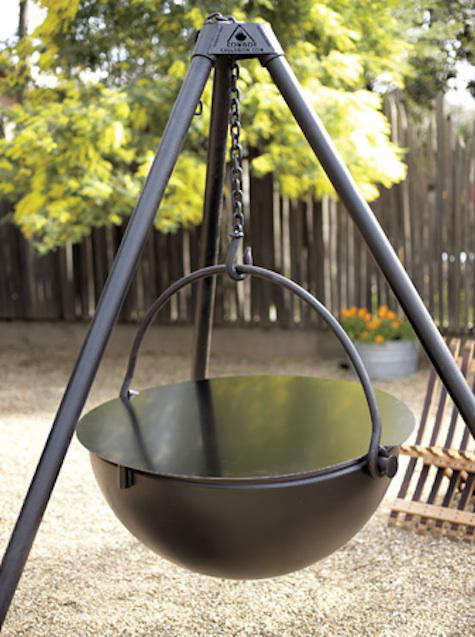
There are fire pits, there are grills, and then there is the Cowboy Cauldron: a hanging steel bowl that looks like it rode in from a cattle drive, stopped for a glass of Napa Cabernet, and decided to become the main character of your backyard.
Why the Cowboy Cauldron Still Feels Like a Backyard Event
The phrase “Cowboy Cauldron from Napa Style” carries a very specific kind of outdoor-living energy. It blends rugged Western fire culture with the polished ease of wine-country entertaining. In other words, it is not just about burning logs in a bowl. It is about gathering people around a warm focal point, cooking something impressive, and pretending you planned the whole evening effortlesslyeven if you were still looking for the tongs five minutes before guests arrived.
The Cowboy Cauldron became known as a premium outdoor fire pit and grill because it solved a problem many patios have: ordinary fire pits are cozy but not especially useful, while grills are useful but rarely magical. The Cauldron sits in the overlap. It can warm a seating area, cook steaks, handle cast-iron pans, support a suspended pot, and look sculptural while doing it. That combination is why it fits naturally into design-minded outdoor spaces, from rustic ranch patios to refined gardens with linen cushions and suspiciously perfect rosemary bushes.
The Napa Style association makes sense because the original NapaStyle aesthetic, connected with chef Michael Chiarello’s wine-country world, celebrated casual elegance, good ingredients, and beautiful entertaining objects. A Cowboy Cauldron is exactly that kind of object: practical enough to cook dinner, handsome enough to anchor a patio, and dramatic enough that someone will inevitably say, “Wait, what is that?” before asking where the wine is.
The Story Behind the Steel
Cowboy Cauldron was founded by Mike Bertelsen, whose background was shaped by the high desert of the American West, where campfires were part of everyday outdoor life. Later exposure to colonial crafts, blacksmithing traditions, and open-fire cooking helped inspire a fire feature that was not merely decorative. His goal was to create a portable cooking device and a true gathering place.
That design goal explains the product’s distinctive form. Instead of a low, fixed bowl sitting directly on the patio, the Cauldron uses a tripod frame and a single-point suspended basin. The bowl hangs from a chain, allowing the height to be adjusted for fire viewing, grilling, or general comfort. It is a small design move with a big payoff: heat radiates outward and downward, smoke tends to lift away from guests, and the whole thing has a quiet pendulum-like presence when a fire is burning.
Unlike many lightweight backyard fire bowls that feel seasonal, the Cowboy Cauldron is built from heavy plate steel. Current models include the compact 24-inch Dude, the 30-inch Urban Cowboy, the 36-inch Wrangler, and the 42-inch Ranch Boss. Depending on the model, the basin weight ranges from about 35 pounds to more than 200 pounds. This is not the kind of outdoor accessory you casually tuck under one arm while carrying lemonade. It is substantial, which is part of the appeal.
Design Review: Rustic, Refined, and a Little Theatrical
The Cowboy Cauldron succeeds visually because it does not try to disappear. It is not a polite little patio appliance hiding beside the hydrangeas. It is architectural. The tripod creates height, the suspended bowl adds motion, and the fire brings a glowing center of gravity to the whole yard. On a patio, it can do what a fireplace does indoors: make the room feel finished.
What Makes It Different from a Standard Fire Pit?
A conventional fire pit usually has one job: hold fire. That is noble work, but it is limited. The Cowboy Cauldron is more versatile because it functions as a fire pit, a grill, a heat source, and a live-fire cooking station. The suspended design also makes it easier to adjust the relationship between flame, food, and people. Raise the basin for grilling, lower it for atmosphere, or use the tripod system to hang cookware over coals.
It also brings a stronger sense of occasion. A regular grill says, “We are making burgers.” A Cowboy Cauldron says, “Gather around, citizens, the feast is underway.” Is that slightly dramatic? Absolutely. But outdoor entertaining is allowed to have a little theater. Nobody ever remembered a magical summer night because the propane cart was beige.
Best Outdoor Spaces for a Cowboy Cauldron
The Cauldron works especially well in spaces that have room to breathe. A gravel patio, stone terrace, ranch-style backyard, lakeside deck area with appropriate fire-safe placement, or open garden seating zone can all suit it beautifully. Because the larger models have wide tripod footprints and serious weight, buyers should think beyond the basin diameter and consider the total space needed for chairs, walking paths, food prep, and safe clearance.
The Urban Cowboy is often the most realistic size for serious home entertaining without overwhelming a patio. The Dude is better for portability, camping-style use, smaller patios, and tailgate energy. The Wrangler and Ranch Boss are bigger statements, better suited for people who regularly entertain groups, cook over live fire, or secretly want their backyard to feel like a boutique resort with better snacks.
Cooking with the Cowboy Cauldron
Live-fire cooking has a rhythm that gas grilling cannot quite copy. You build heat, manage coals, shift food around the hot zone, and learn that patience is not just a virtueit is the difference between a beautifully seared steak and a carbonized apology. The Cowboy Cauldron encourages this slower, more social style of cooking.
What Can You Cook on It?
The obvious answer is steak, ribs, sausages, burgers, chicken, vegetables, and anything else that loves open flame. But the Cauldron is also well suited to cast-iron cooking. Think chili in a Dutch oven, skillet cornbread, charred peppers, cowboy beans, potatoes, seafood boils, or a big pot of soup on a cool evening. Larger models can support more ambitious cooking projects, including rotisserie-style meals and large-format entertaining.
For a simple dinner, start with dry seasoned hardwood, build a small hot fire, and let it burn down until you have a reliable bed of coals. Grill thick steaks over direct heat, then move them to a cooler side while vegetables pick up smoke and char. Add a cast-iron pan for mushrooms, onions, or butter-basted herbs. By the time dinner hits the table, everyone will believe you are an outdoor cooking genius. Let them. Humility can wait until cleanup.
Why It Works for Entertaining
The best outdoor cooking setups bring guests closer rather than pushing the cook into isolation. A standard grill often creates a lonely grillmaster zone: one person stands by the machine while everyone else mingles elsewhere. The Cowboy Cauldron changes that layout. People gather around it naturally because the fire is the entertainment. The cooking becomes part of the conversation.
This is where the Napa Style connection feels most alive. Wine-country entertaining is not about stiff perfection. It is about good ingredients, relaxed hospitality, and making the table feel abundant without making the host look exhausted. A Cowboy Cauldron supports that mood. It invites grazing, storytelling, passing plates, and lingering after dinner when the coals are glowing and nobody wants to go inside.
Buying Considerations: Is It Worth the Investment?
A Cowboy Cauldron is a premium purchase. It costs more than a basic steel fire bowl and far more than a small portable grill. The value depends on whether you will use its full range: fire pit, cooking station, design centerpiece, and long-term outdoor feature. If you only want something to burn two logs twice a year, this is probably more cauldron than you need. If you host often, cook outdoors, and care about how your patio feels, it becomes much easier to justify.
Choose the Right Size
Size is the first decision. The Dude is compact and comparatively portable, with a 24-inch basin and segmented legs. The Urban Cowboy offers a 30-inch basin and is a strong fit for small gatherings of roughly three to six people. The Wrangler steps up to a 36-inch basin, making it more suitable for larger groups and frequent backyard meals. The Ranch Boss is the big personality in the lineup, with a 42-inch basin designed for serious entertaining and large-scale cooking.
Do not choose only by ambition. Choose by space, storage, handling, and how often you plan to use it. A 220-pound basin may sound romantic until you realize your patio gate is narrow, your delivery path has steps, and your “quick setup” now requires a motivational speech.
Check Materials, Shipping, and Current Manufacturing Details
Current Cowboy Cauldron information describes the basins as solid plate steel with durable high-temperature finishes. The larger Wrangler and Ranch Boss models are listed as made in Salt Lake City, Utah, while the smaller Dude and Urban Cowboy are made by a production partner in China with the same stated materials, construction, and finish standards. Since product details can change, buyers should always verify current specifications, included accessories, shipping method, and warranty before ordering.
Shipping is another practical point. Larger Cauldrons are big enough to require freight-style delivery rather than a normal parcel drop-off. That is not a problem, but it does mean you should plan where the delivery truck can access, where the pallet can be placed, and who will help move the parts to the final location.
Care, Maintenance, and Fire Safety
Any wood-burning fire feature requires common sense. The Cowboy Cauldron may be beautifully made, but it is still real fire, not a decorative screensaver. Place it outdoors on a stable, level, noncombustible surface with proper clearance from buildings, railings, dry vegetation, overhanging branches, cushions, umbrellas, and anything else that would prefer not to become a cautionary tale.
Burn the Right Wood
Dry, seasoned hardwood is the best fuel for a cleaner, hotter, less smoky burn. Wet or green wood creates more smoke, more frustration, and more guests politely shifting their chairs while pretending their eyes are fine. Avoid burning trash, treated lumber, painted wood, plastics, glossy paper, or mystery scraps from the garage. If you do not know what it is, do not toss it into the fire like a backyard wizard.
Let It Cool Completely
One important care detail: rain covers are not fire extinguishers. Covers should stay away from the Cauldron while it is burning and should not be placed on the unit until the metal is cool to the touch, which may be the following day. Ash and embers should also be handled only after they are fully extinguished. Clean the basin with a wire brush when safe, remove ash thoughtfully, and protect the steel from unnecessary moisture when the unit is not in use.
Respect Local Rules
Before using any wood-burning fire pit, check local ordinances, burn bans, HOA rules, and wildfire-risk warnings. In dry or windy conditions, skip the fire. The best outdoor evening is the one where everyone goes home smelling lightly smoky, not the one where the neighborhood group chat becomes evidence.
Styling Ideas for a Napa-Inspired Outdoor Setup
To lean into the Napa Style mood, surround the Cowboy Cauldron with materials that feel relaxed but intentional. Gravel, flagstone, decomposed granite, teak chairs, weathered wood benches, linen-look outdoor cushions, and oversized planters all pair well with its steel form. Keep the palette warm and natural: charcoal, sand, olive, clay, rust, cream, and deep green.
Lighting matters too. The fire will be the star, but low lanterns, string lights, or path lights can help the space feel layered. A nearby prep table is useful for trays, cutting boards, sauces, and drinks. If you are cooking, keep long-handled tools, heat-resistant gloves, a fire extinguisher, and a metal ash container within reach. The goal is casual, not chaotic.
For food, think simple and generous. Grilled tri-tip, herb chicken, charred bread, blistered peppers, warm olives, grilled stone fruit, and cast-iron potatoes all fit the wine-country-meets-Western mood. Serve with a big salad, something cold to drink, and enough napkins to survive butter, smoke, and human enthusiasm.
Real Outdoor Experience: What It Feels Like to Host Around a Cowboy Cauldron
The first thing you notice is that people do not treat a Cowboy Cauldron like furniture. They treat it like a destination. Guests drift toward it before the fire is even lit. Someone asks how it works. Someone else touches the steel frame and immediately performs the universal “that is sturdy” nod. Then the fire starts, and the backyard changes temperature emotionally before it changes temperature physically.
There is a moment, about ten minutes after the first flames settle into the bowl, when the conversation rearranges itself. Chairs scoot closer. Drinks are refilled. The person who was checking email suddenly remembers they are a human being with friends. Fire has that effect. It pulls attention out of screens and into the circle. The Cowboy Cauldron amplifies that pull because the flame is elevated, visible, and framed by the tripod like a campfire with good posture.
Cooking on it feels different from grilling on a standard backyard unit. You do not simply turn a knob and walk away. You manage the fire. You move logs, read coals, and learn which part of the grill is running hot. That sounds like work, and it is, but it is satisfying work. A steak seared over wood flame has a story before it reaches the plate. So do onions blistered in cast iron, bread toasted at the edge of the heat, or sausages that pick up just enough smoke to taste like the evening itself.
The best experience is a slow one. Start before sunset. Build the fire while the sky still has color. Let guests gather with appetizers while the wood burns down. Cook in stages: vegetables first, then meat, then something simple and sweet like grilled peaches or marshmallows if children are presentor adults who are brave enough to admit marshmallows are still excellent. After dinner, stop feeding the fire aggressively and let the coals become the after-party.
There are practical lessons too. Place the Cauldron where people can circulate safely. Do not crowd it with chairs. Keep a side table nearby so plates and tools do not end up balanced on chair arms like a circus act. Use seasoned wood, because smoky chaos is not a personality. Have gloves and long tools ready. Give the fire time to die down before cleanup. And never assume “it looks out” means it is out; embers are sneaky little overachievers.
In cooler weather, the Cowboy Cauldron becomes even more valuable. Spring evenings stretch longer. Fall dinners stop ending abruptly when the temperature dips. Guests wrap in blankets, lean toward the glow, and linger. That is the real magic. Yes, it is a luxury object. Yes, it is heavy. Yes, it asks for space, care, and respect. But when it is used well, it turns a patio into a place people remember. It makes dinner feel less like a meal and more like an occasion.
For homeowners who love outdoor living, that may be the strongest argument for the Cowboy Cauldron from Napa Style: it is not simply a thing you own. It is a reason to invite people over. It gives you an excuse to cook outside, open a bottle, pass plates around, and stay under the stars a little longer. In a world where everyone is busy, distracted, and mysteriously tired by 9 p.m., that kind of invitation is worth something.
Conclusion: A Fire Pit with Main-Character Energy
The Cowboy Cauldron from Napa Style remains compelling because it combines three things that rarely meet this gracefully: rugged construction, live-fire cooking utility, and design presence. It is not the cheapest outdoor fire pit, nor is it the smallest or easiest to move in larger sizes. But it is memorable, versatile, and built for people who see the backyard as more than leftover space behind the house.
If your outdoor dream involves quiet fires, grilled dinners, big conversations, and a patio that feels like its own destination, the Cowboy Cauldron deserves serious consideration. Choose the right size, respect the fire, maintain the steel, and give it room to shine. Do that, and it may become the rare outdoor purchase that gets better every time someone gathers around it.












