
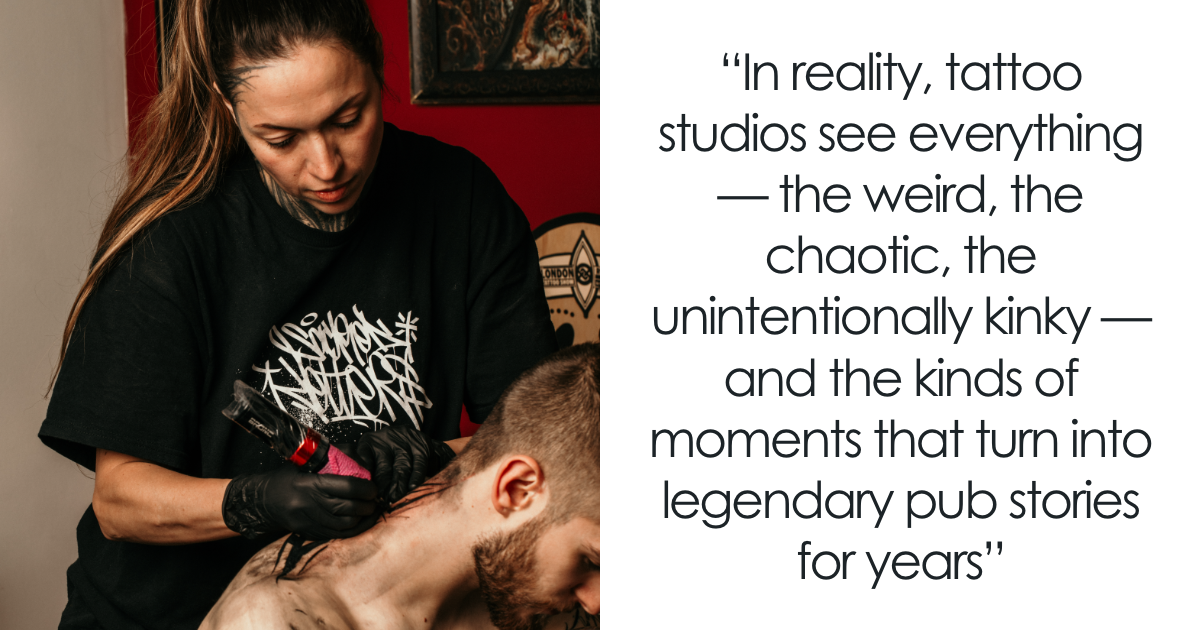
Every tattoo studio has two kinds of history: the art that walks out on people’s skin, and the stories that stay behind with the artists. At Sacred Gold, a tattoo studio known for custom work, walk-ins, fine line designs, bold blackwork, Japanese-inspired pieces, and a strong creative atmosphere, the stories are not just “interesting.” They are the kind of stories that make someone put down their coffee, blink twice, and ask, “Wait, that actually happened?”
Tattooing is a serious craft. It involves trust, hygiene, patience, design knowledge, skin awareness, and a calm hand. But it also involves humans, and humans are famous for turning a normal Tuesday into a documentary no one asked to film. From clients who dramatically overprepare for simple placements to people who forget that artists are not mind readers, therapists, fortune tellers, or emergency life coaches, the studio floor can become a theater of the beautifully bizarre.
These eight Sacred Gold tattooists and team members have seen the full range: nervous clients, mysterious requests, emotional reveals, awkward misunderstandings, and moments so strange they deserve their own tiny trophy. The result is a funny, surprisingly useful look at tattoo studio life, client etiquette, and what really happens behind the polished Instagram photos.
Why Tattoo Studios Collect the Best Stories
A tattoo appointment is more personal than most creative services. You are not just buying a design; you are trusting another person to mark your skin permanently. That creates a strange little bubble where people become honest, emotional, brave, chaotic, or occasionally far too comfortable. A good tattooist must balance artistry with professionalism, and sometimes that means staying calm while a client says something so unexpected that the artist’s soul briefly exits the room for fresh air.
The tattoo world has also become more mainstream. In the United States, tattoos are now widely accepted in workplaces, families, and pop culture. More people are getting small fine line pieces, memorial tattoos, traditional flash, large-scale backpieces, and meaningful symbols. With more clients comes more varietyand, naturally, more stories. A busy studio becomes part art gallery, part confession booth, part comedy club, and part medical-grade cleanliness zone.
The 8 Sacred Gold Studio Stories That Sound Made Up
1. Fernando and the Lesson in Boundaries
Fernando’s story is the perfect reminder that tattoo artists need excellent linework and even better boundaries. Early in a long tattooing career, he faced a client who misunderstood what “getting ready for a back tattoo” should look like. The situation became awkward fast, but the real lesson was bigger than the moment: artists are professionals, not props in someone else’s private drama.
Modern tattoo studios take client comfort seriously, but comfort goes both ways. Clients should wear practical clothing that allows access to the tattoo area without creating unnecessary exposure. For a back tattoo, a button-down shirt worn backward, a sports top, or studio-approved coverage usually works better than turning the appointment into a surprise theater production. Fernando’s experience proves that a little planning can protect everyone’s dignityand prevent the artist from needing a five-minute emotional reboot.
2. Maria and the Client Who Prepared Too Hard
Maria’s wild studio moment involved a client coming in for a tattoo near the hip area. That placement can be handled discreetly with simple clothing adjustments. The client, however, chose to treat the appointment like a costume reveal. Instead of making the process easier, the over-the-top preparation made it more awkward.
This is where tattoo etiquette matters. If your artist needs access to the ribs, hip, thigh, shoulder, or back, ask the studio what to wear before your appointment. Most artists have seen every type of placement, but they still appreciate clients who keep things practical. The goal is not to win “Most Dramatic Outfit Change.” The goal is to sit comfortably, respect the artist’s workspace, and let the tattoo happen without turning the stencil station into a sitcom set.
3. João and the Human Statue
João’s story begins with one of the oldest tattoo challenges: a client who cannot stop moving. Anyone who has sat for a tattoo knows that staying still is harder than it sounds. Your nose itches. Your leg twitches. Your brain suddenly remembers every embarrassing thing you did in seventh grade. Still, movement can affect line quality, shading consistency, and session time.
In João’s case, the client returned for another session and became almost too stillso still that he fell asleep and started snoring like a tiny construction site. For the artist, this was somehow both hilarious and helpful. A sleeping client is not always ideal, but a relaxed, steady client can make long sessions smoother.
The real takeaway is simple: prepare your body before a tattoo. Sleep well, eat a real meal, hydrate, and avoid showing up exhausted or impaired. Reputable studios may refuse service if a client appears intoxicated or unable to consent. A tattoo is not the moment to test your body like it is a discount trampoline.
4. Matt and the Request Nobody Saw Coming
Matt’s unforgettable moment involved a client requesting a tiny design in a very private location. The design itself was not the problem; tattooists receive unusual placement requests all the time. The surprise came from how suddenly the client revealed the full plan. Even experienced artists can be caught off guard when a consultation does not clearly explain the placement in advance.
This story is funny, but it also points to a serious best practice: be clear during booking. If a tattoo is in an intimate or sensitive location, tell the studio ahead of time. Many artists have personal boundaries about placements they will or will not tattoo. Studios also may require additional privacy arrangements, consent checks, or specific staff availability. Clear communication prevents confusion and helps everyone remain professional.
5. Shanji and the Translation Trap
Shanji’s studio story involved a script tattoo with a meaning that became clearer only during the appointment. Lettering tattoos can be beautiful, but they are also risky when the language, grammar, or context is misunderstood. A single word in Latin, Japanese, Arabic, Sanskrit, Chinese, or another language can carry cultural, religious, romantic, or personal meanings that are not obvious to the artist or even the client.
Before getting a foreign-language tattoo, clients should verify the translation with a fluent speaker, not just an online tool. They should also understand the tone. Is the word poetic, formal, outdated, funny, offensive, or oddly specific? Your skin is not the place to discover that your “deep spiritual phrase” actually reads like a badly labeled soup can.
Shanji’s experience also shows why artists ask questions. They are not trying to ruin the mystery. They are trying to make sure the tattoo is intentional, accurate, and something the client can proudly explain later without suddenly moving to another city.
6. Angel and the Mystery on the Floor
Angel’s wildest moment started like a normal tattoo session and then turned into a practical studio problem: a mysterious puddle appeared. The cause was not a leak. It was a nervous client whose body reacted before their pride could file an appeal.
Although the story is funny in hindsight, it highlights something important: tattoo anxiety is real. Some people faint, sweat, shake, cry, feel lightheaded, or have unexpected physical reactions. Pain, adrenaline, low blood sugar, fear, and embarrassment can all collide during a tattoo. Professional artists know this, and good studios prepare for it with calm communication, breaks, water, and clean procedures.
If you are nervous, say so. Tattooists would rather know before the session than discover it through interpretive floor evidence. Eat beforehand, avoid rushing, breathe steadily, and ask for a short pause if you feel strange. There is no trophy for pretending to be fine until your body starts submitting anonymous complaints.
7. Mon and the Spiritual Cover-Up
Mon’s story had a darker, more mysterious tone. A client came in wanting certain old symbols covered with new imagery that felt protective and meaningful. Whether someone sees a tattoo as spiritual, symbolic, emotional, or purely decorative, cover-ups often carry heavy personal energy. They can represent closure, regret, transformation, or a clean break from a past version of the self.
Cover-up tattoos are technically demanding. The artist must consider the darkness of the old ink, placement, skin texture, size, and how the new design can work with or disguise what already exists. It is not as simple as placing a butterfly over a mistake and hoping the past politely leaves. A successful cover-up requires strategy, honesty, and sometimes multiple sessions.
Mon’s experience is a reminder that tattoos can hold stories far beyond aesthetics. A symbol that looks small to one person might represent a major life chapter to someone else. Good artists respect that without losing their practical eye. Meaning mattersbut so do contrast, composition, and whether the new tattoo will still look strong after healing.
8. Vivi and the New Year’s Eve Phone Call
Studio manager Vivi’s strange story came through the phone, proving that chaos does not need an appointment slot. On New Year’s Eve, a caller asked about a very unusual cosmetic tattoo request in a sensitive area. The conversation was unexpected, awkward, and unforgettablethe kind of call that makes you check the calendar, then check it again, just to confirm the year is ending in the weirdest possible way.
Studio managers are the unsung heroes of tattoo shops. They answer questions, manage bookings, explain policies, protect artist schedules, handle deposits, and translate vague client ideas into workable appointment details. They are also the first line of defense against requests that are unsafe, unclear, illegal, or simply not suitable for the studio.
Vivi’s story proves that a tattoo shop needs more than artistic talent. It needs communication systems, policies, humor, and the ability to say, “Let’s slow down and discuss whether this is actually a good idea.”
What These Stories Reveal About Great Tattoo Studios
Professionalism Is the Real Star
The funniest tattoo stories usually work because the artists remain calm. A client panics, overshares, misunderstands, or makes a bizarre request, and the professional in the room keeps the situation safe. That is the difference between a chaotic experience and a legendary story.
Great studios are not just places with cool wall art and good lighting. They follow hygiene standards, use sterile equipment, maintain clean stations, discuss aftercare, and refuse work when something does not feel right. Tattooing is an invasive process, so infection prevention is not optional. Gloves, single-use needles, proper disposal, surface disinfection, and clean setup practices are part of the craft.
Consent and Communication Matter
Every one of these stories circles back to communication. Tell your artist the placement. Explain the idea. Ask about clothing. Disclose concerns. Be honest if you feel faint. Confirm translations. Respect boundaries. A tattoo appointment should never depend on surprise as a main ingredient.
Consent is not just about saying yes to the tattoo. It includes understanding the design, location, approximate size, pain expectations, cost, aftercare, and studio rules. Clients should feel comfortable asking questions, and artists should feel comfortable setting limits. That mutual respect is what keeps a studio creative instead of chaotic.
Aftercare Is Where the Story Continues
A tattoo does not end when the machine stops. Healing is part of the artwork. Fresh tattoos need gentle cleaning, appropriate moisturizing, breathable clothing, and protection from unnecessary friction, soaking, and sun exposure. Redness, swelling, itching, and peeling can be normal during healing, but worsening pain, spreading redness, unusual discharge, fever, or a rash that persists should be taken seriously.
The best artists care about how the tattoo heals because their reputation walks around on someone else’s skin. The best clients follow aftercare because they know the tattoo is not a sticker. It is a healing piece of art, and it deserves better than being ignored under tight jeans at a sweaty concert twelve hours later.
500 More Words: Real Lessons From Wild Tattoo Experiences
Wild tattoo studio stories are entertaining, but they also teach lessons that every client should understand before booking. The first lesson is that confidence is good, but overconfidence is dangerous. Some clients walk in acting like pain is a myth invented by people with weak playlists. Then the needle starts, and suddenly they are negotiating with the ceiling fan. There is no shame in admitting you are nervous. Artists prefer honesty over macho theater.
The second lesson is that placement changes everything. A tiny tattoo can feel easy on one part of the body and surprisingly intense on another. Areas with thinner skin, more nerves, or more movement can be more sensitive. A professional artist will help you think through placement based on visibility, aging, healing, and how the design fits the body. That conversation is not boring. It is the difference between “I love this forever” and “Why did I put a detailed dragon where my sock rubs it daily?”
The third lesson is that references help, but copying is not the goal. Many clients bring photos from Pinterest, Instagram, or celebrity tattoos. That is fine as a starting point, but strong artists use references to understand mood, style, and directionnot to photocopy someone else’s skin. Custom tattooing works best when the client says, “I like this feeling,” not “Please clone this exact tattoo and also make it somehow more original.”
The fourth lesson is that budget conversations should happen early. Tattoos are skilled labor. A clean studio, professional materials, years of training, design time, and safe procedures all cost money. Bargain hunting can be risky if it pushes someone toward unlicensed work or poor hygiene. A good tattoo is not the place to apply “cheapest option wins” logic. Nobody wants a permanent souvenir from the Department of Regret.
The fifth lesson is that artists remember good clients. They remember people who arrive on time, are clean, bring snacks for long sessions, communicate clearly, respect the design process, and sit as steadily as possible. They also remember clients who try to change a full sleeve concept five minutes before the appointment or ask for a discount because “it is just a few lines.” Spoiler: those few lines still require skill, setup, sterilization, and a steady hand.
The sixth lesson is that studios are emotional places. Memorial tattoos, cover-ups, first tattoos, matching tattoos, post-breakup tattoos, and confidence-building pieces all carry weight. Artists often witness people during vulnerable moments. The best tattooists know how to hold that space without becoming intrusive. They listen, guide, and create something meaningful while keeping the process professional.
Finally, the wildest stories remind us that tattooing is deeply human. It is art, pain, memory, humor, trust, and occasional absurdity all happening under bright lights while someone tries not to move. Sacred Gold’s tattooists may laugh about the strangest moments, but underneath the comedy is a serious respect for the craft. Every unforgettable client becomes part of the studio’s folklore, and every finished tattoo becomes proof that even chaos can end with beautiful linework.
Conclusion: The Ink Is Permanent, but the Stories Are Legendary
The wildest Sacred Gold tattoo studio stories are funny because they feel impossible, but they are believable because anyone who has worked with the public knows one universal truth: people will always find new ways to surprise you. Tattooists do more than create designs. They manage nerves, protect boundaries, solve problems, guide decisions, and occasionally survive conversations that sound like rejected movie scenes.
For clients, these stories offer a helpful reminder: come prepared, communicate clearly, respect the studio, and take aftercare seriously. For tattoo lovers, they reveal the hidden life of a tattoo shopthe moments that happen between the stencil, the buzzing machine, and the final mirror reveal. And for everyone else, they prove that behind every beautiful tattoo may be a story the artist will be telling for the next twenty years.












