
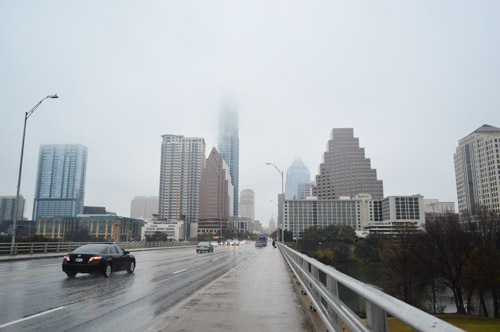
There is something gloriously irrational about a road trip. You spend money to sit in a moving chair, eat snacks that leave behind mysterious crumbs, and argue about whether the world’s largest anything is worth a ten-mile detour. And yet, few experiences feel more alive than heading down a highway with a full tank, a loose plan, and a playlist that thinks it deserves co-billing.
On The Road Again is more than a catchy title. It is a whole American mood. It means motion, possibility, and the thrilling illusion that your best idea might be waiting at the next exit. It can be a cross-country adventure, a weekend loop through back roads and diners, or a practical escape from a routine that has started to feel like a photocopy of itself. The beauty of the road is that it does not demand perfection. It only asks that you start.
Still, the romance of the open highway works best when it is paired with common sense. Great road trips are not built on vibes alone. They are built on preparation, flexibility, safety, and a willingness to let the day surprise you without letting it completely wreck your budget. The best travelers know how to do both: plan enough to stay safe and leave enough room for wonder.
Why the Road Still Wins
Air travel gets you there fast. Road travel lets you notice things. That is the trade. When you drive, the country unfolds at human speed. You see the transition from city blocks to warehouse outskirts, from farm fields to mountain cuts, from neon motel signs to dark skies full of stars. You do not just arrive somewhere; you watch how one place turns into another.
That is why road trips continue to hold such a powerful place in American culture. The highway has long represented freedom, reinvention, and a particular kind of optimism. The open road suggests that life can be edited in real time. Had a weird week? Drive west. Need perspective? Head toward water. Want to feel like the main character in your own movie without actually hiring a camera crew? Congratulations, the interstate is available.
Road trips also create a rare kind of attention. In daily life, people rush from appointment to appointment like overcaffeinated pinballs. On the road, even ordinary things become part of the memory: a gas station breakfast sandwich that was somehow amazing, a thunderstorm seen from a safe distance, a radio station that only seemed to play outlaw country and heartbreak. Travel by car reminds us that meaning is not always found at the destination. Sometimes it is standing in line for bad coffee while your friend insists the map is wrong.
Before You Go: Prep the Machine, Pack the Human
Every legendary road trip starts with one surprisingly unglamorous truth: your vehicle needs to be ready. Freedom sounds poetic right up until a neglected tire turns your adventure into a shoulder-of-the-highway character-building exercise. A smart pre-trip check is not boring. It is the thing that protects the fun.
Give Your Vehicle a Fighting Chance
Before a longer drive, take a hard look at the basics: tires, brakes, battery, fluids, lights, windshield wipers, and the spare. This is not the moment for optimism-based maintenance. If your brakes have been making a sound like a ghost dragging a shopping cart, believe them. If your tire tread looks questionable, now is not the time to become a philosopher about risk. A short inspection can prevent a long, sweaty roadside conversation with a tow truck operator.
It also helps to keep a simple emergency kit in the car. Think practical, not apocalypse-themed. A flashlight, phone charger, first-aid supplies, water, snacks, jumper cables, reflective gear, a blanket, and a paper map can turn an inconvenience into a manageable delay. Yes, a paper map. Technology is wonderful until your battery drops to 3 percent in a patch of wilderness where your phone suddenly becomes an expensive pocket mirror.
Pack for Comfort, Not Chaos
The second mistake people make is packing as if the road trip is a test of trunk capacity. It is not. You do not need five backup outfits for a two-day drive unless your itinerary includes a fashion week, a wedding, and a dramatic identity shift. Pack layers, comfortable clothes, weather-ready shoes, medications, toiletries, and just enough variety to feel human in photos.
Snacks matter more than they should. The right mix can save morale and prevent expensive convenience-store decisions made under emotional distress. Aim for a balance: water, fruit, nuts, sandwiches, something crunchy, and one shamelessly fun treat. Every road trip deserves a snack with zero nutritional ambition.
The Art of Driving Well
A road trip is supposed to feel free, not reckless. The best drivers are not the ones who “make good time” by treating the highway like a video game. They are the ones who arrive calm, alert, and still speaking to everyone in the car.
Do Not Wrestle With Fatigue
Drowsy driving is not a quirky badge of travel toughness. It is dangerous, plain and simple. If you are fading, drifting, missing exits, or rereading the same road sign with the intensity of a confused detective, it is time to stop. Switch drivers, take a real break, or get a room. Loud music and heroic denial are not a safety plan.
Build breaks into the trip before you need them. Stretch your legs. Walk around. Get sunlight. Hydrate. Rest stops exist for a reason, and history suggests that tired drivers have always needed a place to pause. The road rewards momentum, but it punishes stubbornness.
Seat Belts, Speed, and Smartphone Delusions
Some road-trip rules are so basic they almost disappear into the wallpaper, which is exactly why they matter. Buckle up every trip, every time. Keep your eyes on the road. Respect speed limits and conditions. Do not text while driving. Do not let your passenger become a co-navigator, DJ, documentarian, and snack archivist all at once. Divide responsibilities like civilized people.
Weather deserves equal respect. A sunny departure does not guarantee a sunny route. Storms, flooding, heat, fog, and high winds can turn an easy drive into a stressful one fast. Check forecasts before you leave and throughout the trip, especially if you are heading into mountain, desert, or coastal areas where conditions can change dramatically. A good plan should be flexible enough to say, “We are not driving into that.”
How to Build a Better Road Trip
There are two bad ways to plan a road trip. The first is planning nothing. The second is scheduling every minute like you are invading a small country. The sweet spot lives in the middle.
Create a Spine, Not a Straitjacket
Start with the skeleton: major stops, overnight stays, driving windows, and a realistic sense of mileage. Then leave blank space around the bones. Some of the best moments on the road are the unplanned ones: a fruit stand with peaches that change your standards forever, a scenic overlook that was not in the guidebook, a tiny museum run by someone who clearly loves the subject more than oxygen.
Try choosing one anchor experience per day. Maybe it is a national park, a famous stretch of highway, a historic downtown, a beach, or a diner you bookmarked six months ago. One anchor gives shape to the day without overloading it. Everything else can orbit around that plan without strangling it.
Take the Long Way on Purpose
Interstates are efficient, but they are not always memorable. If you have time, scenic byways, park roads, and older highways often deliver the better story. They move slower, which is part of the point. The road trip is not supposed to feel like a race to get back to your inbox.
That said, slower roads require more respect. Services may be limited, fuel stops farther apart, and weather or wildlife more likely to disrupt the plan. Keep your gas tank from dipping into fantasy territory. “We’ll probably find a station soon” has launched many deeply regrettable conversations.
National Parks, Small Towns, and the Joy of the Side Quest
One of the best things about being on the road is how easily you can combine famous places with unexpected ones. A trip can include major national park scenery in the morning and a quiet main street by afternoon. That contrast is part of the charm. America’s road-trip magic does not live only in postcard views. It also lives in old signs, family-run pie shops, roadside produce stands, and locally beloved attractions that sound absurd until you are standing there grinning.
When you visit natural spaces, travel like somebody who wants them to stay beautiful. Pack out trash. Stay on designated routes. Respect wildlife. Be considerate of other visitors. The whole point of getting out there is to enjoy the landscape, not to behave like you are the villain in a ranger’s origin story.
Small towns deserve the same courtesy. Buy local when you can. Tip well. Slow down. Learn the rhythm of the place instead of barging through it like a windshield with opinions. The road trip is richer when it becomes an exchange instead of a consumption spree.
Budgeting Without Killing the Mood
A good road trip budget is not about squeezing every dollar until it begs for mercy. It is about spending on the things that matter and cutting back on the things that do not. Fuel, lodging, park fees, food, and emergency wiggle room should be your core categories. Build in a little extra for detours, weather changes, and the occasional impulsive stop that becomes a highlight.
You do not need luxury at every turn, but a little strategic comfort goes a long way. Sometimes the smart splurge is a better hotel after a long driving day, a room closer to the next morning’s destination, or tickets for an experience you will remember long after you forget the price. Frugality is admirable. So is admitting that everyone in the car is one fast-food meal away from mutiny.
If you are traveling with others, decide early how you will split costs. Nothing sours the open road faster than fuzzy math and quiet resentment. Shared spreadsheets may not be sexy, but neither is arguing over who bought gas in Oklahoma.
Why “On The Road Again” Still Feels True
The phrase works because it captures something timeless. To be on the road again is to begin again. It means movement after stagnation, curiosity after routine, and possibility after boredom. The road trip remains powerful not because every mile is perfect, but because imperfection is built into it. Wrong turns happen. Weather changes. People get cranky. Songs repeat. You discover that someone in the car peels string cheese with disturbing intensity.
And still, by the end, the trip feels bigger than the sum of its glitches. That is the trick. The road transforms inconvenience into story. It gives shape to time. It marks the distance between who you were when you left and who you are when you come back. Even a short trip can reset the mind. A longer one can rearrange it.
That is why people keep going. Not just to see new places, but to feel newly placed within their own lives. The road offers perspective because it literalizes progress. Mile by mile, town by town, you move forward. Sometimes that is exactly what a person needs.
Experiences Related to “On The Road Again”
The truest road-trip experiences are usually not the grand ones people expect. They are the oddly specific moments that stick for years. It is the sunrise you catch because you left before dawn and the world looks unedited. It is the way a roadside diner feels almost sacred when you have been driving for four hours and the coffee arrives like a moral victory. It is the second day when everybody in the car relaxes into the rhythm and the trip stops being an itinerary and starts becoming real life, just with better scenery.
One of the most familiar feelings is the strange optimism of a full tank. At the start of a drive, everything seems possible. You imagine smooth roads, ideal playlists, hilarious conversations, and cinematic overlooks that practically beg for a photo. Then reality arrives wearing sweatpants. Someone is hungry thirty minutes in. Construction turns a quick route into an accidental tour of industrial backroads. A bathroom stop becomes a full snack stop because nobody can resist buying something salty, sweet, or suspiciously neon. Yet those tiny complications are what give the trip its personality.
There is also a special intimacy to being in a car with other people for hours. You learn how they travel. You learn who wants silence in the morning, who narrates every billboard, who packs efficiently, and who somehow brings an entire home goods aisle. You discover that boredom can actually be productive. Long drives pull out conversations that never happen in regular life. People talk more honestly when there is a windshield in front of them and no pressure to maintain eye contact like they are in a job interview.
Solo road trips offer something different but equally memorable. Driving alone can feel peaceful in a way modern life rarely allows. You choose the music, the pace, the stops, and the route. You think. You notice things. You rediscover the simple pleasure of being unreachable for a little while, even if your phone technically still works. The mind stretches out on the road. Problems that felt giant at home start to look manageable somewhere between one state line and the next.
Then there are the visual memories. A gas station glowing in the desert at night. Rain clearing just as you reach the overlook. A hand-painted sign for homemade pie. Mountains appearing gradually, as if the landscape is revealing a secret. Main streets with flags on the lamp posts. Quiet motels with one flickering vacancy sign and surprisingly excellent towels. The road is full of scenes that would sound ordinary on paper and feel unforgettable in person.
Most of all, being on the road again creates a powerful sense of renewal. The trip does not need to be dramatic to matter. Sometimes the experience is simply remembering that the world is larger than your habits. You leave home with a destination, but somewhere along the highway you realize the deeper reason you came: to feel awake again. And when a trip does that, even for a weekend, it earns its place in memory long after the bags are unpacked and the crumbs are finally vacuumed out of the back seat.












